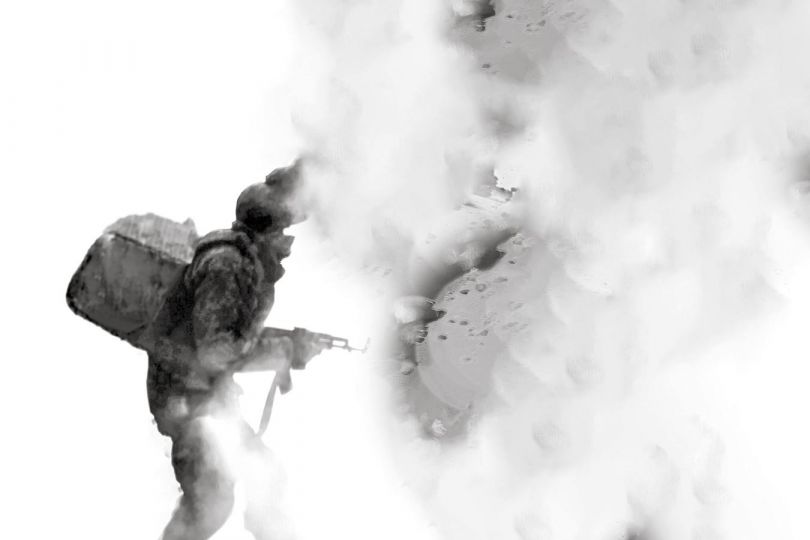
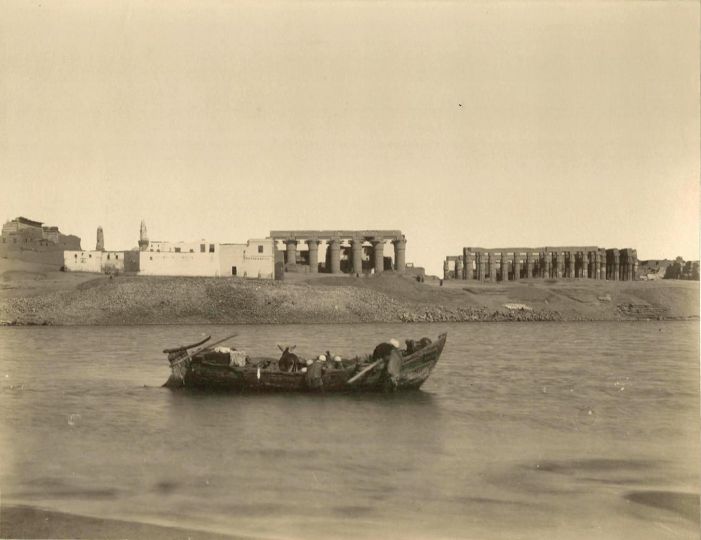
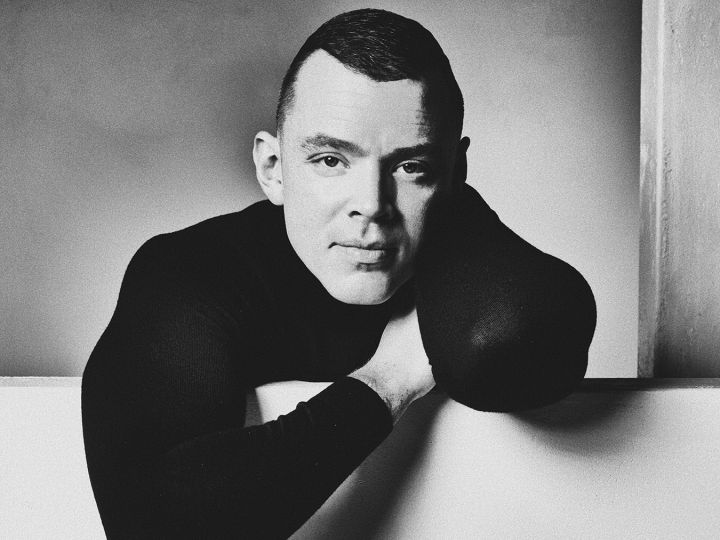
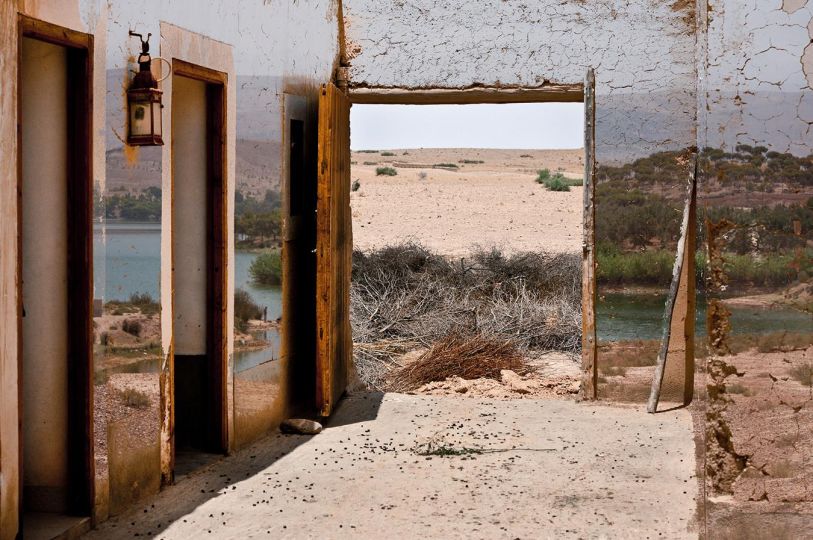
At the crossroads between urban research and artistic creation, the collective Penser l’urbain par l’image has been working since 2012 to renew the ways we see, talk about and understand the city. Bringing together researchers, artists and urban practitioners, the group advocates an “undisciplinary” and collective approach. Conversation with three of its members: Alexa Färber (ethnologist), Lucinda Groueff (architect, urban planner and filmmaker), and Hortense Soichet (photographer).
What were the beginnings of Penser l’urbain par l’image?
Hortense Soichet : It all started with the organization of a symposium on the theme “Photographing the City.” We wanted to pursue these reflections on collaboration and intersections between disciplines, extending the perspective to all visual arts. In 2012, we formed a working group within Labex Futurs urbains.
Who makes up this collective?
Hortense Soichet : At the beginning, there were, for instance, Cécile Cuny, sociologist and photographer, Anne Jarrigeon, anthropologist, urban planner and filmmaker, Alexa Färber, ethnologist, and Florine Ballif, political scientist and urban planner. The group includes people who work with images without necessarily creating them, as well as others for whom it is the main medium.
Lucinda Groueff : Some members developed their artistic practice over the course of our research. Anne Jarrigeon, for example, was already working with images as a researcher and has since deepened her approach as a filmmaker.
Hortense Soichet : There is a form of hybridity in our practices, nourished by various disciplinary fields. What unites us is the idea of considering the image as a genuine research tool rather than a simple illustration of written discourse.
What were your first steps as a collective?
Lucinda Groueff : We first organized very open seminars. Gradually, the group became smaller, and only women remained. It was this experimental and reflexive approach to the image that brought us together. We began creating residencies and developing a collaborative way of thinking. We are still in that process, both artistic producing exhibitions, books, a website all linked to writing and research.
Was there a founding project?
Lucinda Groueff : After enriching our perspectives with different methodologies, we went into the field during our first residency in Hamburg in the fall of 2014, titled Researching a City. We worked in small groups for several days, then spent nearly two years analyzing this material and figuring out how to shape it. From that came a web documentary and a book: L’urbain par l’image (Créaphis 2020).
A way of testing your working method in situ?
Lucinda Groueff : Yes, because our working conditions are quite particular: the collective is spread across different countries. We have to be focused when we can be together. This constraint creates a sense of urgency that is unusual for people working in research. We make sure to preserve these shared moments, to give ourselves the luxury of true collective work.
How do your projects come to life?
Lucinda Groueff : Often from proposals made by one or another member. It is interesting to see how each of us, in our professional practice, brings new opportunities and invites the collective to continue its projects through the group.
Hortense Soichet : For example, I had been collaborating with a women’s photography workshop in Ivry on a co-creation project about the evolution of the Ivry-Port neighborhood. Within the collective, there was also a desire to involve non-professionals. I created the encounter, and that started our most recent project, Grand Paris sur le fil.
So there is always this will to open up to new fields and profiles?
Alexa Färber : Within the collective, some members are photographer-artists but have also completed doctoral research. In our professions, we are often forced to position ourselves within one field or another. We increasingly work in collaboration on projects that bring together people with very different skills.
Hortense Soichet : These hybrid practices are still difficult to defend. For example, in academia, an exhibition is not recognized as a legitimate way to present research results. What is considered valid in the art world is not yet accepted in the social sciences. Our work aims precisely to break down these barriers and move toward a truly “undisciplinary” approach to research.
Do you feel that things are changing?
Hortense Soichet : Yes, a little, but it still lacks depth. There are photographic commissions linked to research projects, but photographers are still too often there to illustrate the researchers’ work, whereas the goal of art/science collaborations is to go into the field together.
You are presenting in Nantes, on November 18 and 19, the exhibition Penser l’urbain par l’image — twelve years of collective research-creation. What will visitors see?
Lucinda Groueff : This exhibition is a kind of retrospective, a way to revisit our own corpus and propose a new reading of it. It will be divided into four sections: “Desire for Images,” which explores the question and difficulty of representing the city; “Producing the Urban,” which examines how the images we create contribute to the making of the city; “Taking Place,” which focuses on interaction and how the environment influences our ways of making images; and “Seeing Together,” a shared gaze that explores what it means to create collective image-making conditions and how these give rise to multifaceted narratives of the urban experience.
This exhibition marks the end of the collective’s support by Labex Futurs urbains. How do you envision the future?
Lucinda Groueff : The Labex funding gave us real freedom to deepen our reflection on the role of images in understanding urban and territorial transformations. We are now at a turning point, seeking new support to continue this dynamic.
Alexa Färber : We are also developing a new, highly interactive exhibition project on the question of “being together” in the city. It is planned to take place in Vienna, and we are currently looking for a venue and context to present it, involving researchers to foster encounters and exchanges.
More information