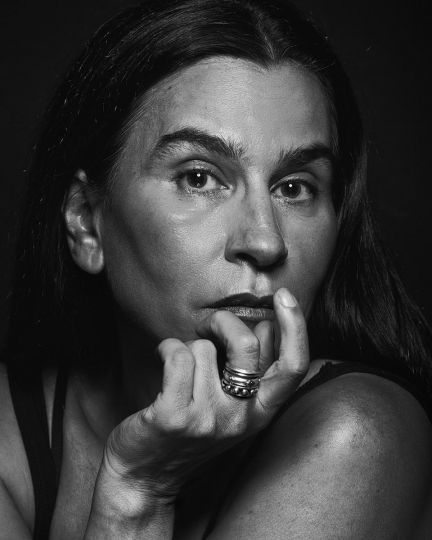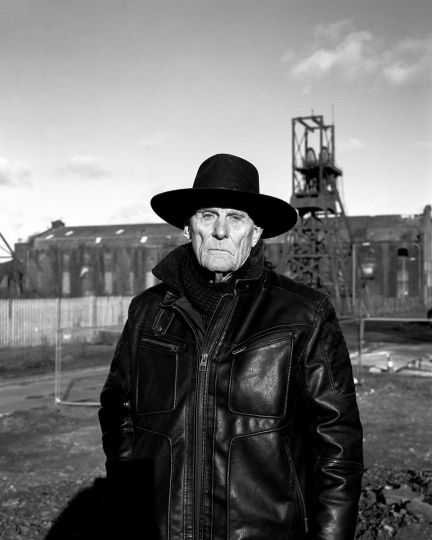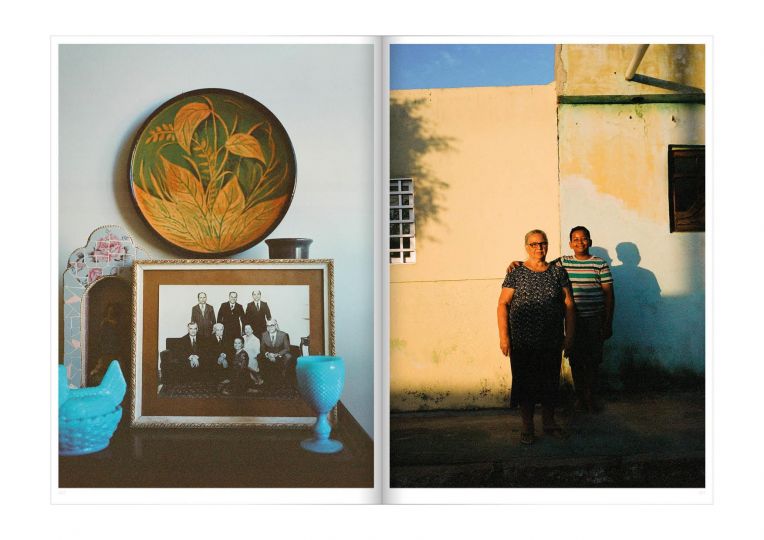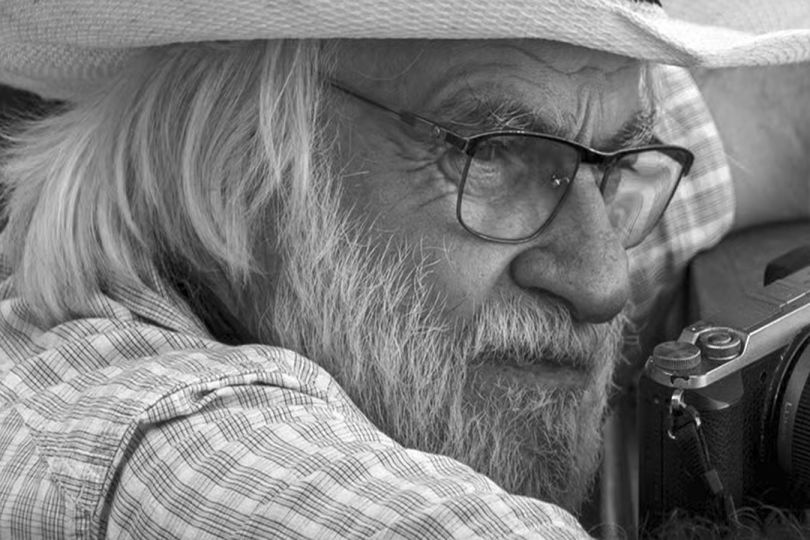
The Copenhagen Photo Festival will take place from June 11 to 21 in the heart of the Danish capital. This event dedicated to the 3rd art is an unmissable meeting in Scandinavia. On this occasion, we discussed the director of the festival, Maja Dyrehauge Gregersen, in the midst of preparations for the festival.
What are the main events of this next edition of the Copenhagen Photo Festival ?
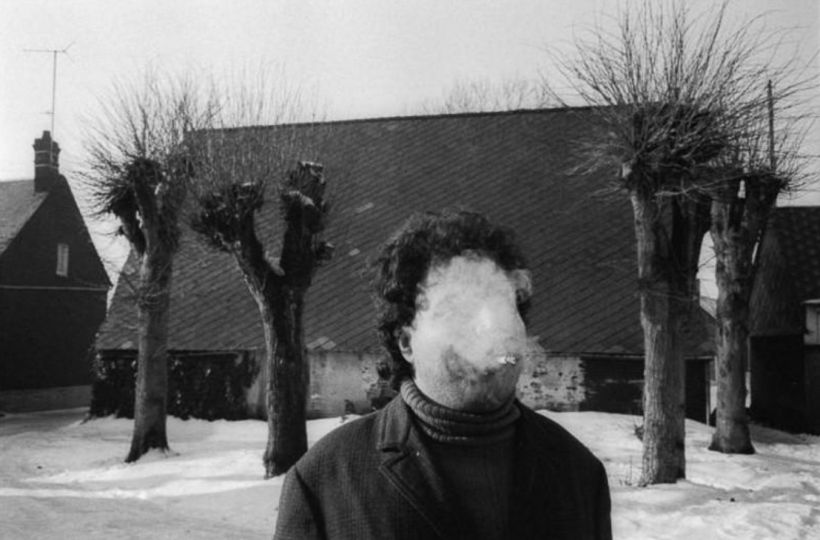
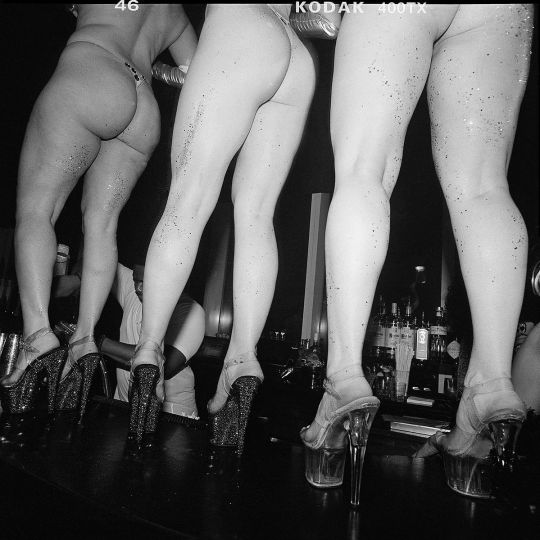
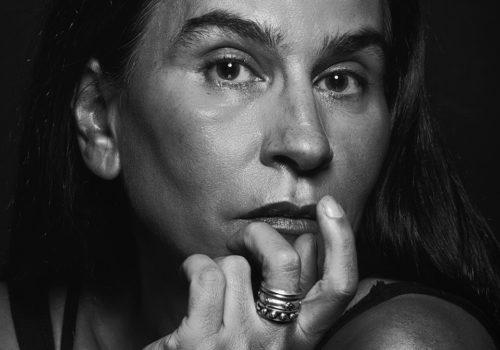
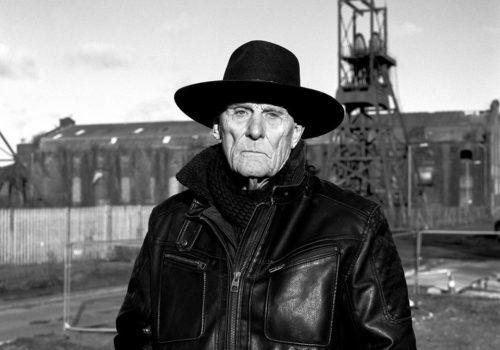
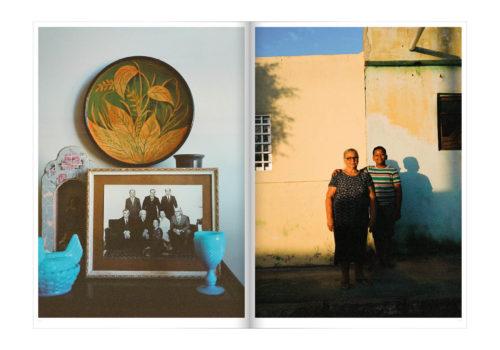
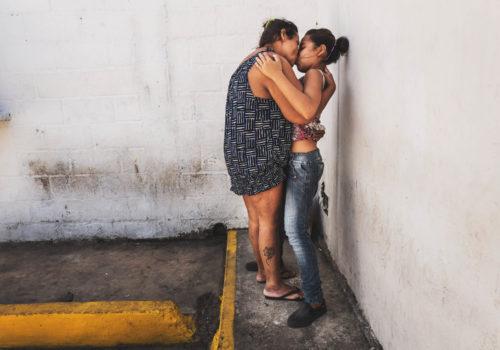
Maja Dyrehauge Gregersen : We have a very rich and international program this year. The majority of the exhibitions is distributed between two places: The festival centre at the Royal Theatre where the works of established international photographers are exhibited and our exhibition park VÆKST at Refshaleøen where you will find more emerging artists. Our guest of honor is the American artist Carolyn Drake, presented with three of her projects. I also recommend the exhibitions of this year’s selected solo artists, Roger Ballen, Rhiannon Adam, Maja Daniels and Helge Skodvin, winners of our international call for projects.
The Copenhagen Photography Festival is the largest photography festival in Scandinavia. Does Denmark have a special connection to photography?
Denmark has traditionally had a strong tradition of documentary and press photography – also awarded with World Press Photo Awards. Most famous right now is probably Mads Nissen. Denmark is historically linked to humanist photography, as with Jacob A. Riis, Jacob Holdt and his American Images, Krass Clement and others. Among fine art photography we have internationally acclaimed photographers such as Trine Søndergaard and one of the pioneers of Danish fine art photography Keld Helmer-Petersen.
We experience a quite huge international interest from photographers and institutions despite Denmark’s tiny population. There is generally a great international interest in the Danish cultural scene and particularly in Copenhagen. I think that is one of the reasons why the Copenhagen Photo Festival has become an international hot spot in Scandinavia.
What are your missions as director of the Copenhagen Photography Festival?
What makes the photography festival unique is that it is neither an institution, nor a museum, nor a gallery. It is first of all a meeting place. We build bridges between established photographers and young talents as well as between different audiences and eclectic genres. My most important mission is to be constantly attentive to the way in which we make decisions, to the way in which we facilitate encounters between photographers and the public and to work for coherence between what motivates us and what we actually are capable of
You mention the constant search for funding for the festival. Concretely, who funds you?
The festival relies on public and private funds. We have been supported by the municipality of Copenhagen since the beginning [editor’s note: the festival was created 16 years ago], and this support is crucial. We also earn money through ticket sales. However, in recent years, the number of festivals in Denmark has increased which puts pressure on each of these festivals in terms of funding and in terms of visibility.
What are the exhibitions dedicated to Danish photography?
The festival has two spaces: the international festival centre at the Royal Theatre and the exhibition park at Refshaleøen on the outskirts of Copenhagen. In this latter space, we transform a large wilderness into an exhibition park in collaboration with Nordic photography school
We focus on emerging photography through the works of students in photography schools and through young photographers from Nordic countries. Recently, we launched the initiative “Vækst Creatives”, intended on other arts which are expanded from photography. Bringing these young regional communities together allows, we hope, to create a strong synergy between them and their artistic practice.
Outside the festival, what are the places where one can see photo exhibitions in Copenhagen?
It is always nice to keep an eye on places such as Dark Gallery, ODP3, or Ex Nihilo, which launch interesting initiatives. These are quite small galleries/spaces, and they are typically non-commercial, and they are really trying to promote younger artists working with photography, and often Copenhagen-based artists. I would also recommend signing up for our newsletter in which we approximately once a month recommend exhibitions, events and book launches taking place mainly in Copenhagen and sometimes also in Malmö.
What are the photographers whose works have marked you?
I regularly see a lot of great and visionary photography as part of my position, but if I have to highlight certain names, I would mention a few very established.Last year we worked with Martin Parr, for instance, and I know he is, of course, super famous, but why was he so brilliant? He was, in my opinion, so brilliant because of the way he would show us universal aspects of the human soul while simultaneously give us an capture the moment, so to speak: give us insight into specific eras and certain ways of living, so photography becomes a witness of time. This t is a kind of anthropological photography, I would say. In this category, I’m also thinking about names like Mary Frey, who is an American photographer, who did some fascinating staged photography back in the 70s and in the 80s, and you really feel that you get to understand humankind better than you did before you looked at her photos; you really feel that you understand how people are interacting with each other. Others worth mentioning in this kind of anthropological photography would be Jeff Wall, and Taryn Simon. Just to name a few.
Interview Laurine Varnier
More information