In his debut book, published by Guest Editions and Pomegranate Press, Anthony Wilson introduces us to the “mawmaws” of West Virginia, grandmothers who have stepped back into motherhood to give their grandchildren the childhood they almost lost.
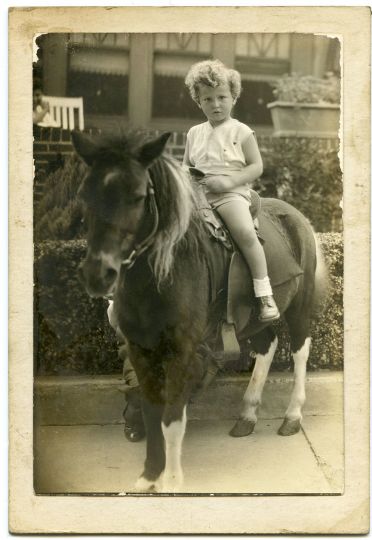
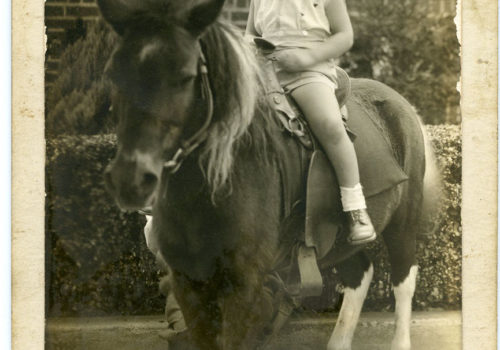
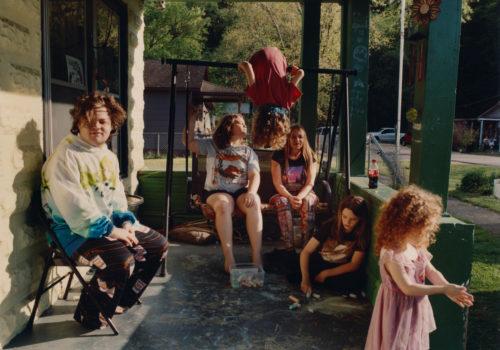
Beneath Mawmaw’s lilac cover lies a vision of childhood where sunny days are spent at one with nature,playing with animals, riding motorbikes through the woods, picking wildflowers, or simply lingering on the porch in that carefree languor so particular to youth.
For many of these children, however, this innocence had to be reclaimed after their family life collapsed, leaving grandparents to step into a role their own children could not. In the United States, nearly three million minors are raised by grandparents, or sometimes great-grandparents. West Virginia is among the most affected states, with around 25,000 grandchildren in the care of older relatives, in a region already hard hit by poverty, crime and the opioid crisis. It is, more often than not, the only lens through which the media chooses to see it, reducing the complexity of its inhabitants to a single tragedy.
Anthony Wilson first discovered these “grandfamilies” through this very lens. But his time spent with them told a more complicated story. While drugs have fractured some of these homes, the life paths he documents here are varied: a father in prison, parents unable to cope financially, a mother killed by an abusive partner. “Life is complicated,” he summarises in the closing text.
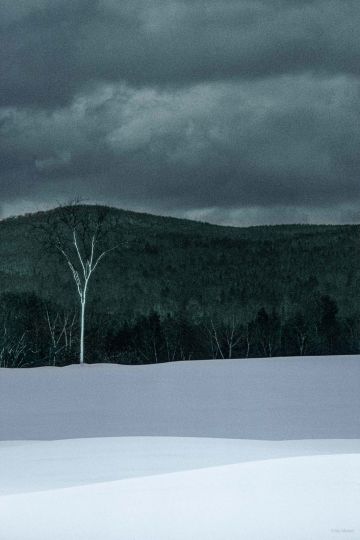
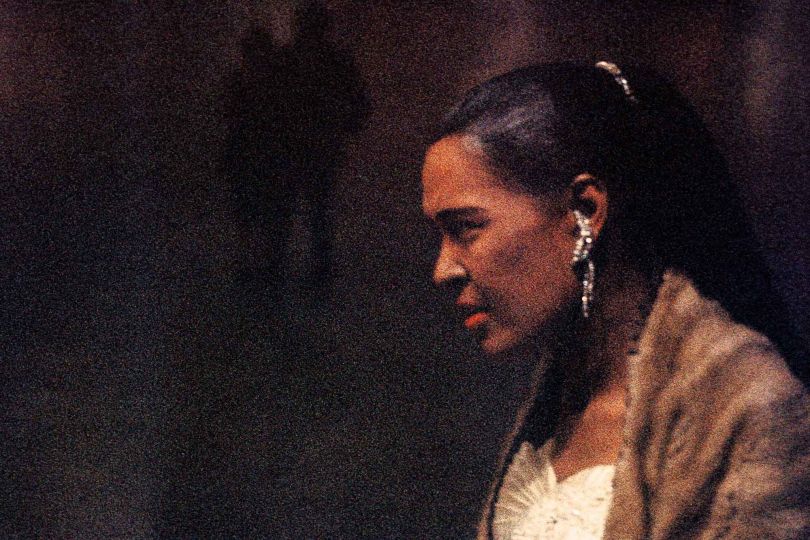
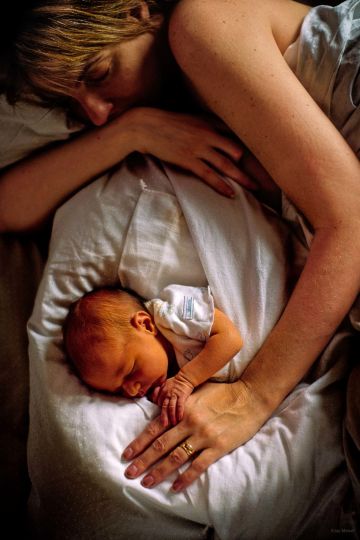
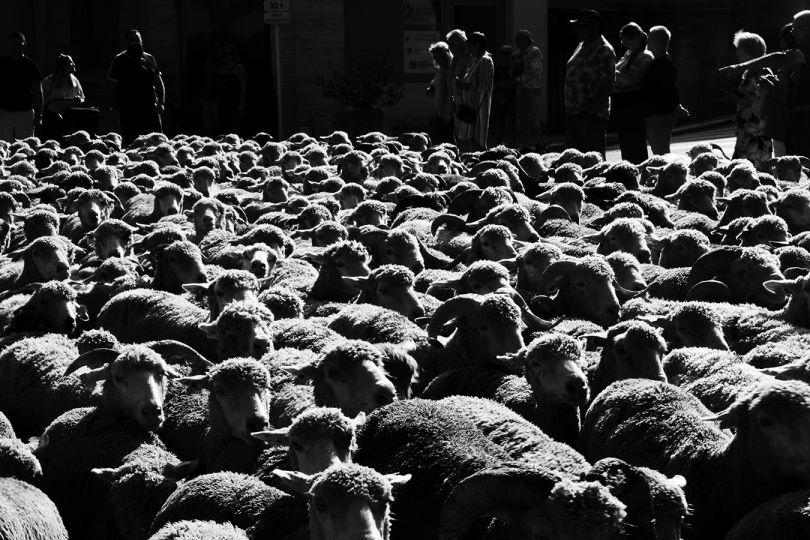
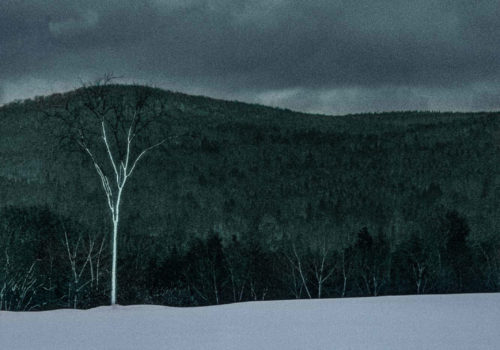
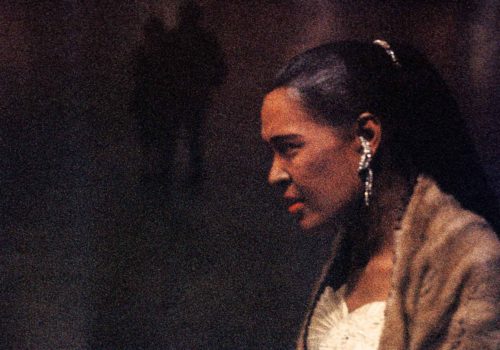
Over five years, the American photographer followed several grandfamilies through the seasons. Bathed in soft light, the images resist the visual clichés often associated with Appalachia, replacing narratives of decline with a vision of care, attachment and ordinary joy.
The book moves between the rhythms of childhood — games, the stillness of everyday life, and major milestones like the quintessential Sweet Sixteen — and portraits of the mawmaws themselves, as the grandmothers are known locally. Beneath their years shines a quiet strength, a love expressed through care and devotion: “Many of these grandparents, while raising their grandchildren, are also tending to dozens of goats, chickens, or pigs. Caring for other life is ingrained in their personality and lifestyle.”
To ensure their voices are heard authentically, Wilson invited them to put pen to paper. Their handwritten letters, often harrowing, cut through the gentleness of the photographs. The mawmaws write about their daily struggles and the trauma of these children, old enough to know something has broken, yet young enough to still reach for innocence.
By choosing to photograph these children in the grace of play and carefree moments, Wilson allows them to reclaim the childhood that was taken from them. It is what the mawmaws do every day, offering the warmth and continuity of a family to those who had lost it.
Mawmaw is a powerful tribute to these women whose silent devotion holds entire lives together. It is also a reminder of what children bring into the world: their resilience and their capacity to find joy where little seemed possible. By the end of the book, we are left with the feeling that we need them just as much as they need us.
Zoé Isle de Beauchaine
Anthony Wilson — Maw maw
Co-published by Guest Editions and Pomegranate Press.
254 x 203mm, 120pp image section
Available online and in all good bookshops