Gérard Schachmes : The evidence of the moment
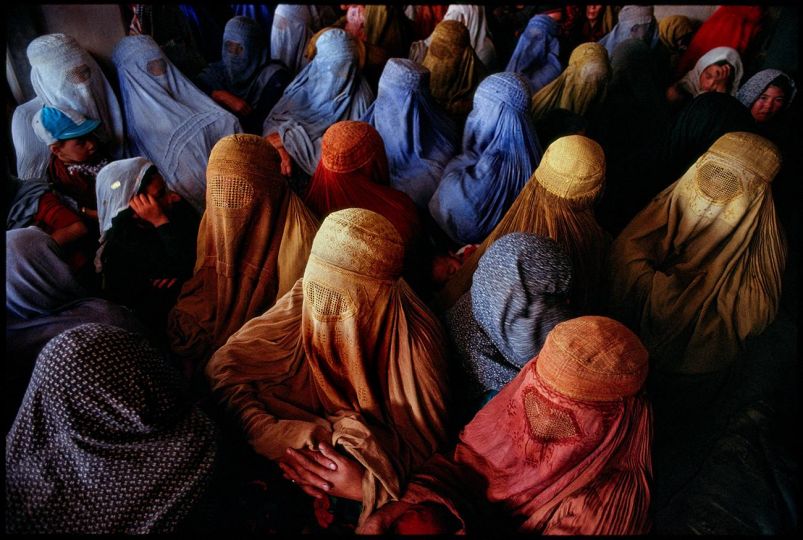
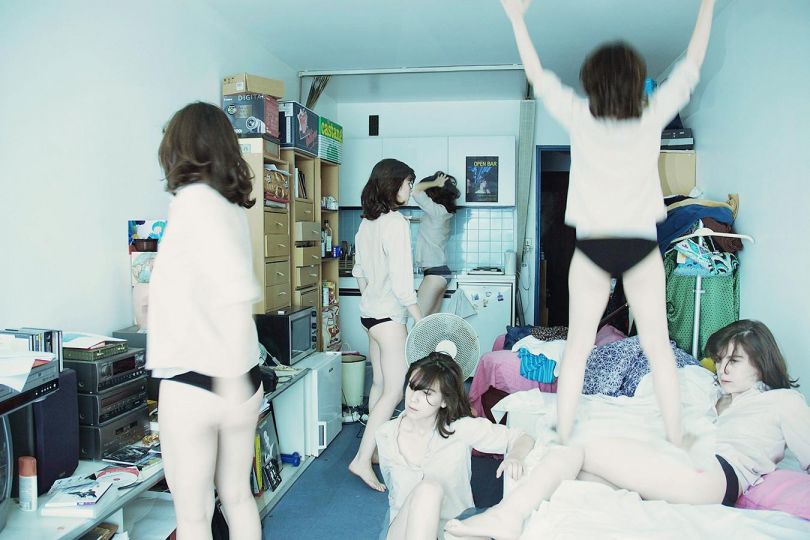
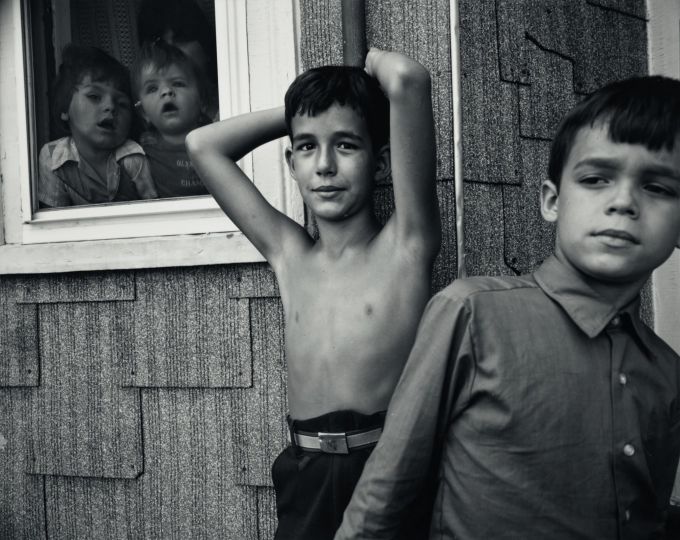
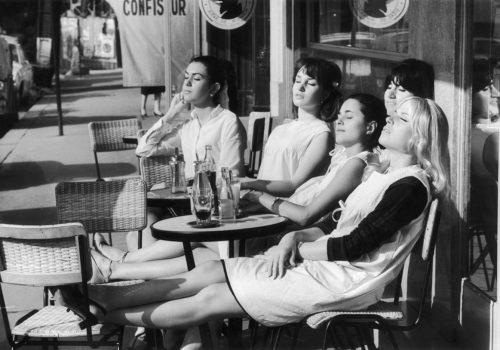
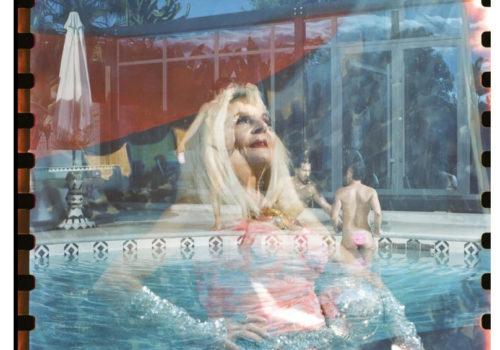
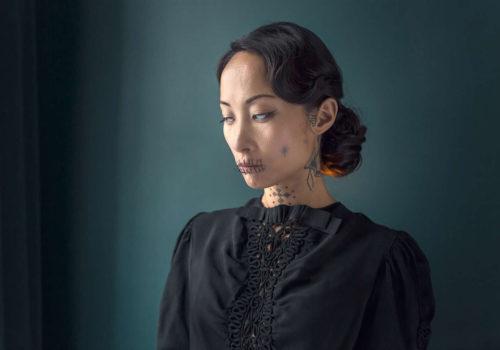
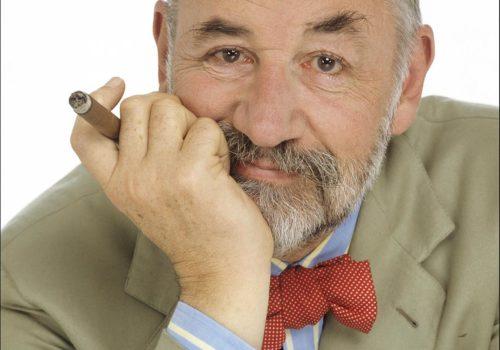
In the work of Gérard Schachmes, photography appears above all as an act of attention, attention to the world, to people, to those sometimes imperceptible signs that form the fabric of reality. Far from seeking to create a sensation or put on a show his approach priotizes accuracy: that of a fleeting moment, a presence, a light that suddenly reveals what habit renders invisible.
His images belong to the humanist tradition while freeing themselves from it through a deeply personal sensibility. They testify to a direct relationship with the photographed world, a closeness that seeks neither to dramatize nor embellish, but rather to understand to capture that fragile vibration that circulates between the photographer and the subject. In his work, photography becomes a space of encounter sometimes silent where the image retains a form of modesty and truth.
In a contemporary context saturated with images, where the speed of production and circulation often seems to prevail over the duration of the gaze, Gérard Schachmes’s work reminds us of the necessity of an inhabited photography one built over time, through observation and lived experience in the field. His images thus bear the mark of a discreet yet constant commitment: that of a photographer who continues to believe in photography’s ability to reveal reality rather than simply reproduce it.
Through this questionnaire, we wanted to return with him to the foundations of his approach: his relationship with photography, the territories he travels through, the people he encounters, and the way his gaze has been shaped and transformed over the years. A series of questions intended to shed light on what, behind each image, continues to animate a demanding and deeply embodied practice.
Your first photographic trigger?
Gérard Schachmes: I was playing being a reporter at the Nice Carnival. I must have been around ten years old, with a Brownie Flash Kodak and a folding Kodak hanging around my neck.
A photographic memory from your childhood?
G.S.: A photograph I took of a stork standing on the roof of the building across from my home.
The camera of your childhood?
G.S.: Brownie Flash Kodak.
The one you use today?
G.S.: Hasselblad and Nikon.
The man or woman of images who inspired you?
G.S.: Richard Avedon, Francis Giacobetti and Yousuf Karsh.
The image you wish you had taken?
G.S.: The photograph of Keith Haring by Annie Leibovitz.
The one that moved you the most?
G.S.: The photograph of Jacob Israel Avedon by his son Richard Avedon.
And the one that made you angry?
G.S.: All the images manipulated by AI.
Which photograph changed the world?
G.S.: Unfortunately, no photograph has changed the world.
And which photograph changed your world?
G.S.: My first published photograph. I was originally destined to be a painter, and it opened the world of magazines to me.
A key image in your personal pantheon
G.S.: There are several, but for me they are always photographs where personalities completely let go. When I managed to create a bond, even if only for a fleeting moment. I would say Céline Dion and Rene Angélil on their private plane after a show her eyes closed while he massaged her feet. Or Brigitte Bardot in the studio, her hair loose, it was one AM and were looking straight into each other’s eyes, we were friends.
What interests you most in an image?
G.S.: Truth.
What details do you look for in a face, a landscape, or an object?
G.S.: Realism.
Elliott Erwitt said: “Color is descriptive. Black and white is interpretative.” Do you agree?
G.S.: No. Color and black and white are both descriptive and interpretative.
In your opinion, can technique sometimes prevail over emotion in photography?
G.S.: No. Technique is essential it must be perfectly mastered so that it disappears. It should not be visible, leaving room for emotion.
Is beauty in photography purely aesthetic for you?
G.S.: No. Emotion creates beauty.
What elements can make silence visible in a photograph?
G.S.: The humanity that emerges from it.
Does the uniqueness of a photograph come from the moment or the staging? Can a photograph be truer than reality?
G.S.: It’s a whole. It mainly comes from the photographer’s eye what he saw… his framing and his sensitivity.
Can a photograph change our perception of an event?
G.S.: Yes, of course.
Is photography testimony or a form of manipulation?
G.S.: First and foremost it is testimony, but the photographer’s gaze is never neutral and can become manipulation.
What makes a good photograph?
G.S.: A good photographer!!!! (humor!)
In your opinion, what quality is necessary to be a good photographer?
G.S.: Curiosity and perfectionism.
How do you choose your projects?
G.S.: According to the news surrounding personalities and my own interests for long-term projects. My wife Isabelle and I work together.
How would you describe your creative process?
G.S.: It is never the same.
An upcoming project that is particularly close to your heart?
G.S.: Finalizing two books.
The person you would like to photograph?
G.S.: Bob Dylan, The Rolling Stones, Julian Schnabel.
The person by whom you would like to be photographed?
G.S.: David Bailey.
An essential photography book?
G.S.: All the books by Richard Avedon. Everything is there technique, emotion, light, framing, inventiveness.
What is the last photograph you took?
G.S.: The Centaur by Cesar Baldaccini in the street.
On social media, are you more Instagram, Facebook, TikTok—and why?
G.S.: None of them. I’m only on the professional network LinkedIn. I fight all year against the looting of photographs on the internet and recently also against ephemeral print magazines. I don’t want to participate in that system.
What has changed in photography since the rise of social media?
G.S.: The looting the feeling that photographs belong to everyone.
An Instagram account we absolutely should follow?
G.S.: I’m not on Instagram.
What is your point of view on AI?
G.S.: For science and technical improvements it’s wonderful. For information and images it could be a disaster.
Color or black and white?
G.S.: Color and black and white.
Natural light or artificial light?
G.S.: Both.
Which city seems the most photogenic to you?
G.S.: New York City.
The city, country, or culture you dream of discovering?
G.S.: Inuit culture.
The place you never tire of?
G.S.: New York City.
The image that represents the current state of the world for you?
G.S.: A black monochrome…
In your opinion, what is missing in today’s world?
G.S.: Freedom, equality, and fraternity.
If God existed, would you ask Him to pose for you, or take a selfie with Him?
G.S.: Neither. I would ignore Him. I lost my mother at birth—so for me there is no God.
Your favorite drug?
G.S.: My wife Isabelle her gaze on me and on my photographs. We have worked together for more than 35 years.
Your best way to disconnect?
G.S.: A beautiful exhibition, a great museum.
Your last act of madness?
G.S.: Starting a photographic project thirty years ago and finishing it.
Your greatest professional extravagance?
G.S.: Launching a thirty-year photographic project.
The profession you would not have liked to do?
G.S.: Magistrate.
Which question unsettles you the most?
G.S.: I’m not easy to destabilize I am rarely completely unsettled.
The last thing you did for the first time?
G.S.: Probably a long time ago. I don’t remember.
Your greatest regret?
G.S.: Not having known my mother.
If you had to start all over again?
G.S.: I wouldn’t change much.
If I could organize your ideal dinner, who would be at the table?
G.S.: My friends.
What do you like people to say about you… afterwards?
G.S.: That some of my photographs will remain…
The one thing we absolutely must know about you?
G.S.: Photography is the great professional story of my life. I have always thought in photographs.
A final word?
G.S.: This questionnaire was not easy. Thank you, Carole.