Perched on the 14th floor of the Tour de l’Europe, at the entrance to a vacant flat converted into an exhibition space for the duration of the 2026 Mulhouse Photography Biennale, Bruissements opens with the work of Ulf Lundin.
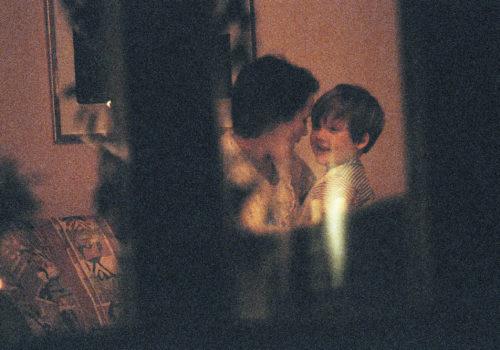
The atmosphere is intimate, but the windows look out onto other towers, glimpses of other lives. François Jonquet, who is exhibiting right next door, smiles: “It’s a bit like Hitchcock here. We’re here and we can watch these hundreds of people in their homes.” It is mainly through the use of a telephoto lens that Ulf Lundin has built his long-term project, Pictures of a Family.
Fresh out of university, Ulf Lundin was going through a period of uncertainty. At the same time, paparazzi images were flooding the news. This act of stalking and surveillance, which the Paparazzi exhibition at the Centre Pompidou-Metz has since established as one of the most symptomatic of our contemporary relationship with the image. Lundin decided to take this on and reverse its logic: tracking not a celebrity but the life of an ordinary, stable and orderly Swedish family. The family allowed him to photograph them for a year, on the condition that he did so without their knowledge. If they spotted him, the day would be over. A contract is drawn up, which Lundin presents to the neighbours: “So that no one mistakes me for a psychopath.” The work is constructed in the interstice, in the art of disappearing.
Pictures of a Family raises existential questions about life choices, but also about the photographer’s position within the creative process. It is precisely this ambivalence between distance and closeness that underlies the way in which Lundin chooses to convey intimacy: ‘What I’m aiming for is for people to understand that I am hidden, far away. Intimacy requires a tangible distance from the subject.”
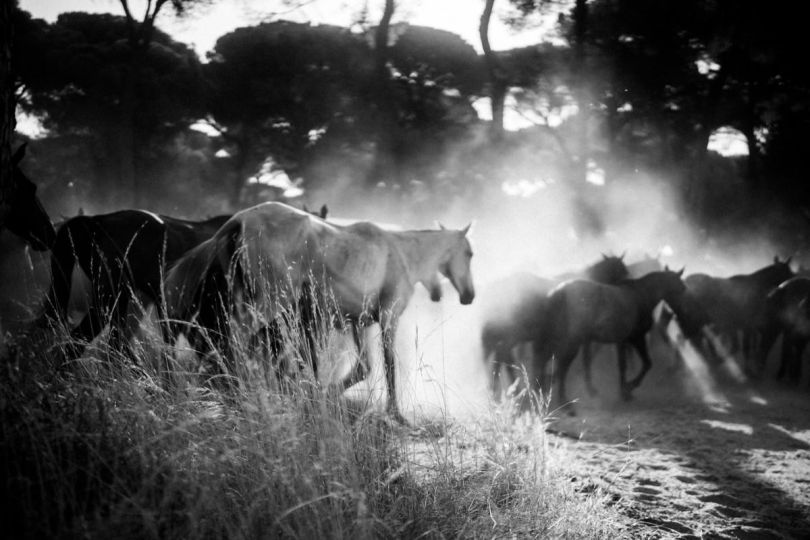
Once past the entrance, the exhibition commissioned by Magali Avezou offers further perspectives on intimacy, domesticity and family. François Jonquet explores family dynamics through the lens of travel in Forage, capturing the epic scale of the collective adventure. Eleonora Calvelli takes on reality TV images: bodies filmed constantly, which end up performing their own intimacy for the camera. In her photo book Making Love to G is Gonna Be Like the First Time I Tried a Cheeseburger, she brings together images from two programmes, creating a dialogue between these bodies put on display by their own doing.
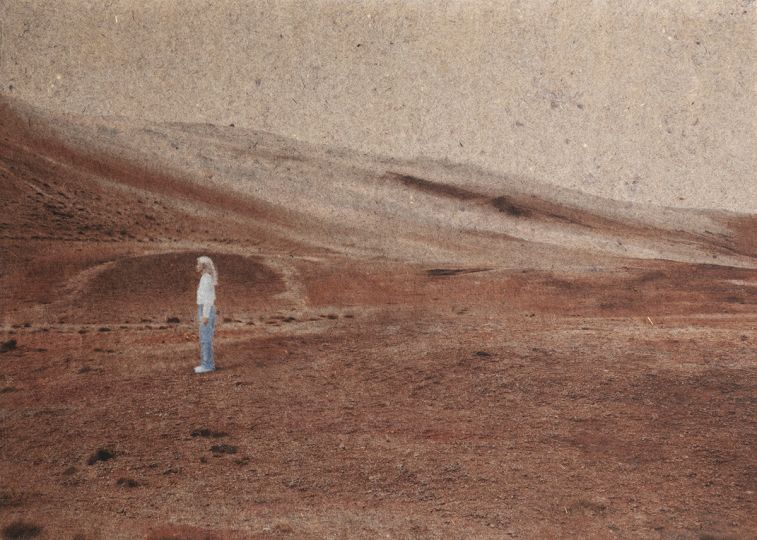
Natalie Malisse and Rebecca Bowring, for their part, explore domesticity through the lens of domestic violence. In Knowing thunder gives away what lightning tries to hide, Rebecca Bowring photographs old prints against a new background, superimposing two timeframes to reveal how emotions evolve and reshape themselves in response to the same situation. By focusing her work on places rather than bodies, she reveals the violence embedded within the domestic space.
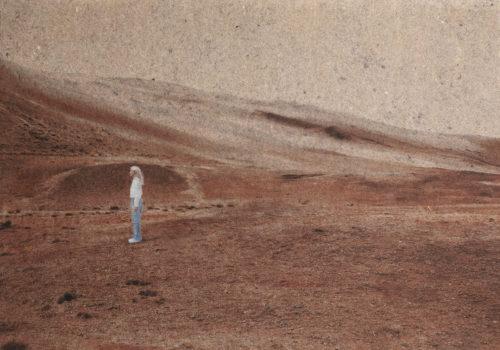
Margot Wallard and Katya Lesiv also explore this theme, this time in dialogue with the transnational experience. They show how the experience of migration affects our connection to intimacy and memory. Margot Wallard explores genealogical relationships and transmission: Oran blends portraits of contemporary Algerian youth, archive footage and photographs of her Pied-Noir grandmother.
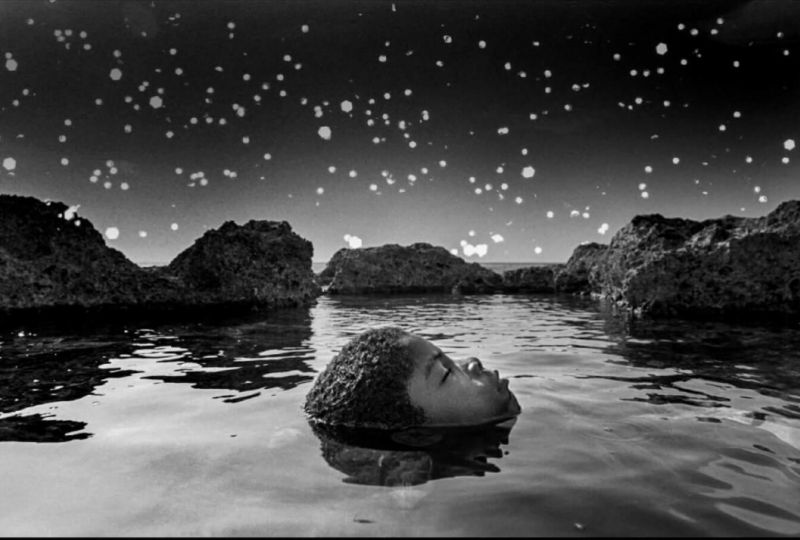
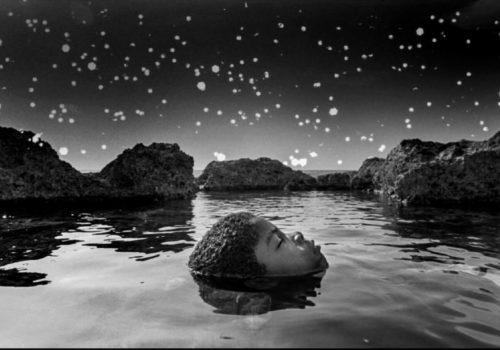
Katya Lesiv’s I am going home to eat mulberries from the tree, meanwhile, captures that constant inner dialogue that arises when one grows up moving between different places. Both artists delve into the strata of memory to show how the territories traversed settle, layer upon layer, at the heart of identity.
Bruissements explores the intimate as it manifests today published, consumed, circulated. At the heart of this interplay between the intimate, the extimate and self-esteem lies the domestic sphere in all its ambivalence. The exhibition weaves a sensitive map of this: the everyday life visible to all, what we keep silent, and in between these oscillations, the imperfections and the violence we bury. On leaving, I thought of everything I do not show: the images I have not taken, those I delete, and the most beautiful ones I keep just for myself.
Ségolène Bulot
On view at the KunstTurm, 14th floor of the Tour de l’Europe, Mulhouse, until 5 July 2026.
Mulhouse Photography Biennale 2026