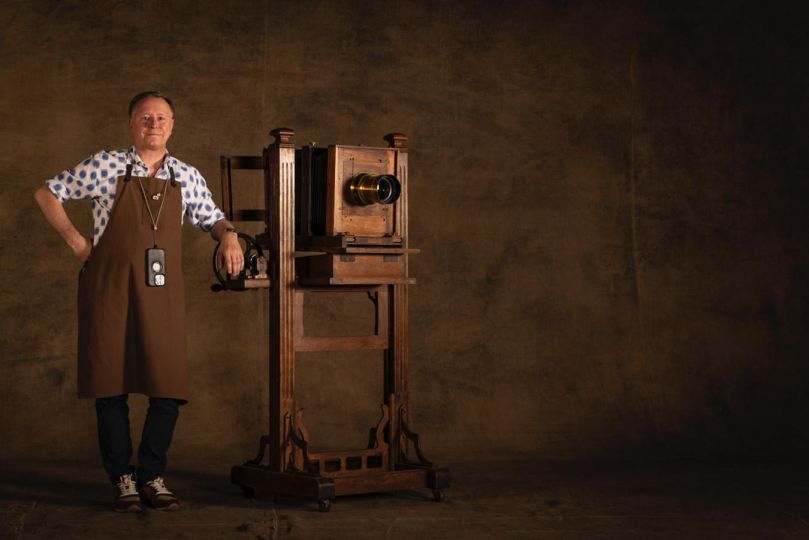
Cédric Fontaine : Instincts & silences
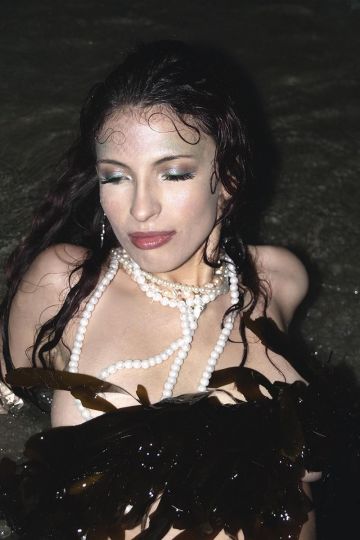
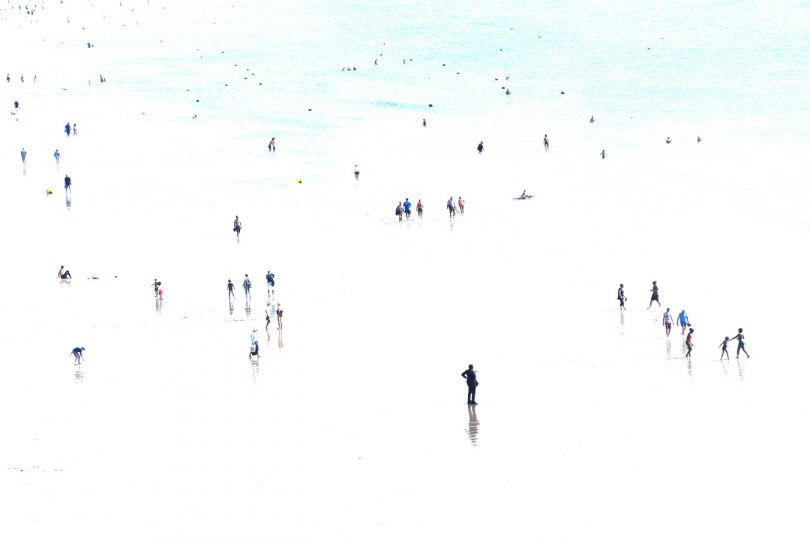
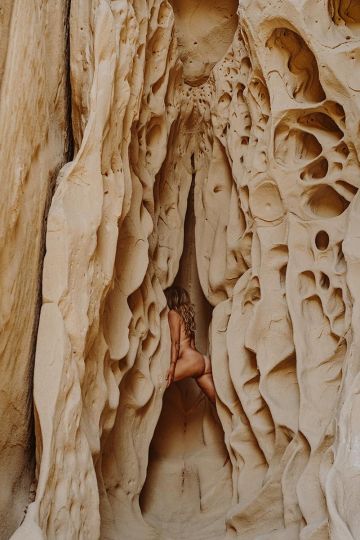
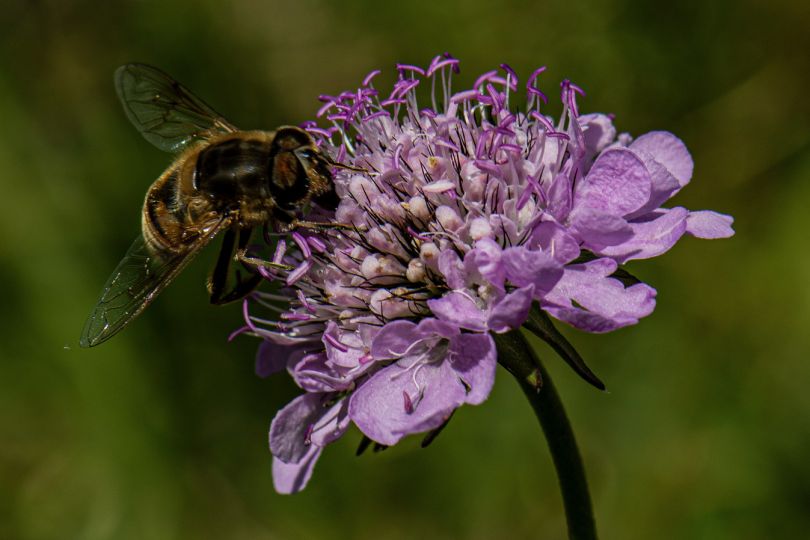
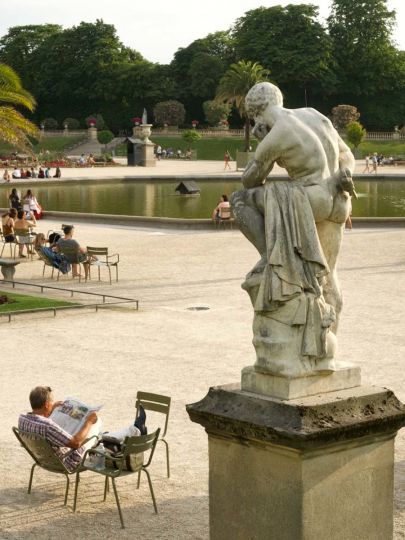
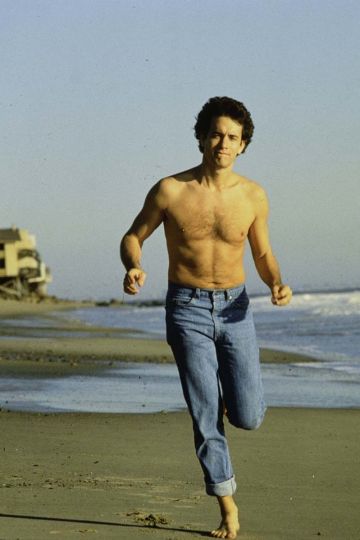
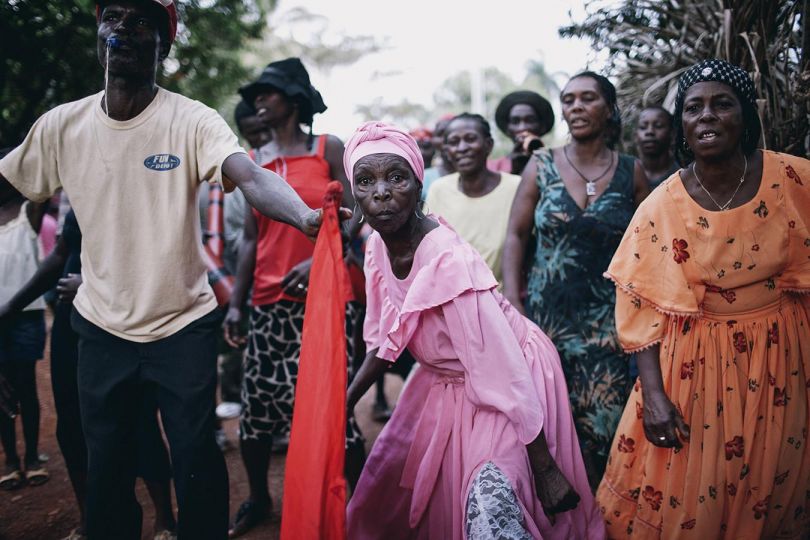
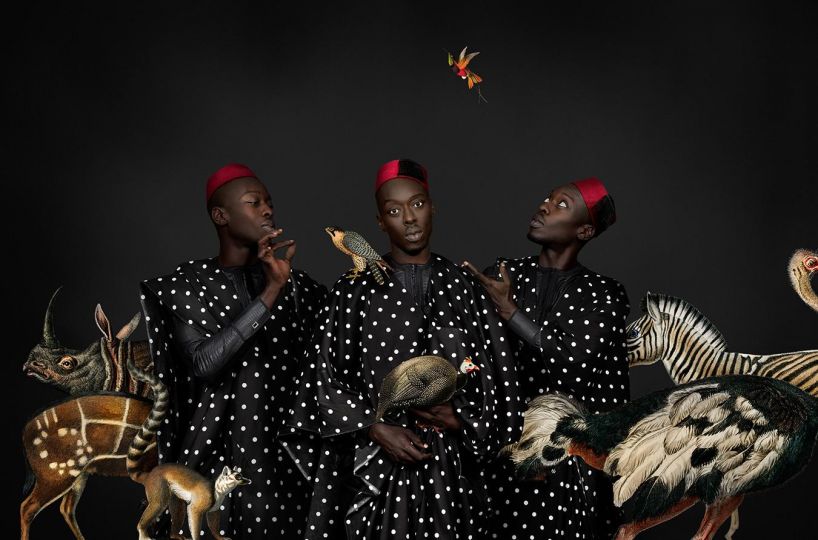
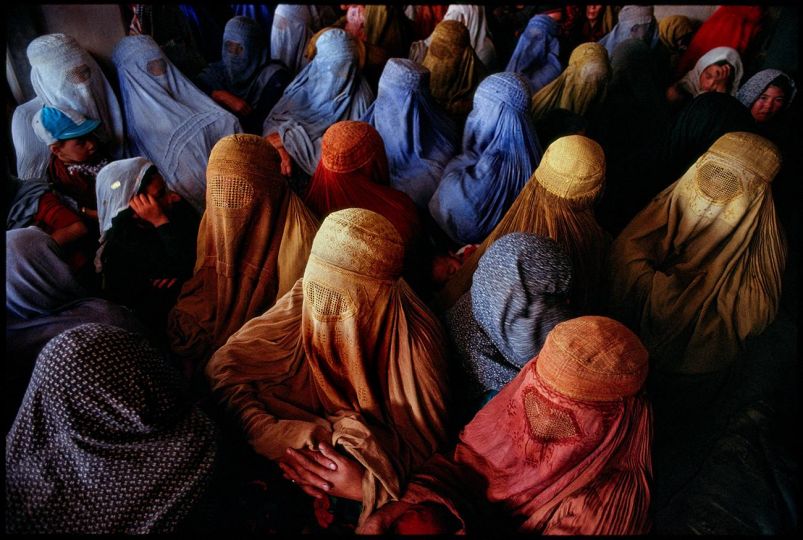
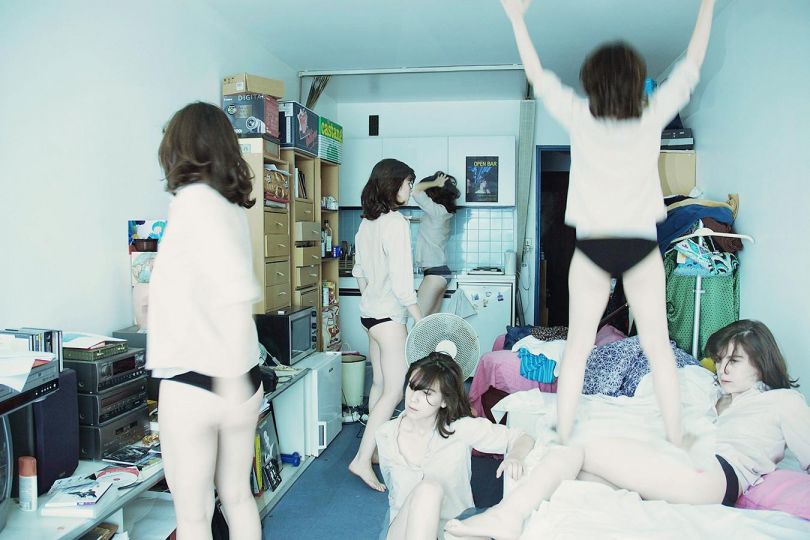
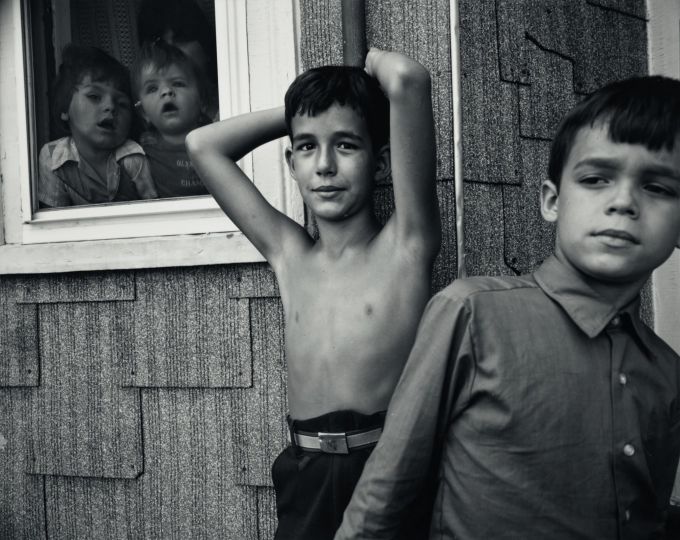
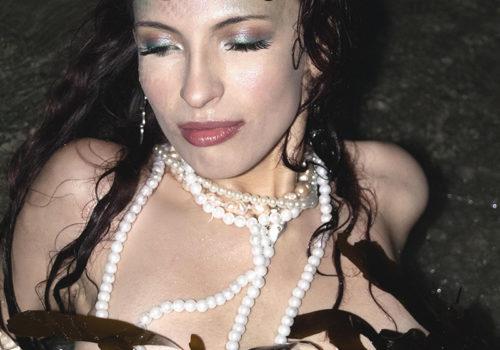
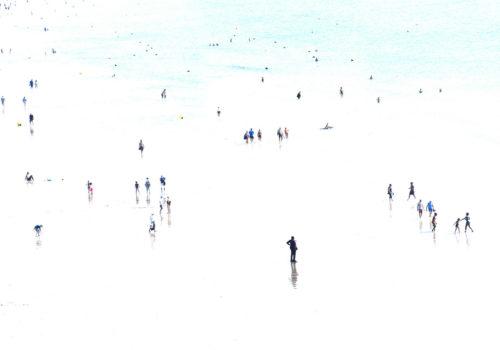
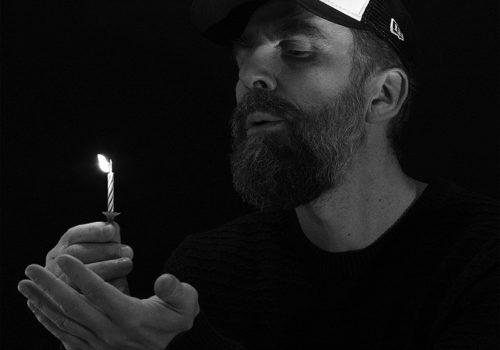
Entering a Cédric Fontaine photograph is like crossing a fragile threshold. Nothing imposes itself; everything emerges subtly: a light that brushes the skin, a body moving between presence and disappearance, a detail that shifts the gaze. Here, reality does not confront — it reveals itself through texture, fragment, and silence. The photograph becomes as much a mental space as a visual one, a terrain of perception and emotion.
Bodies and faces transform into signs, traces of a shifting humanity. They appear and fade, leaving light, material, and composition to tell what cannot be contained. Cédric Fontaine does not simply freeze a moment; he orchestrates tension, balancing aesthetic precision with emotion, sensuality with strangeness. Each image is at once deliberate and elusive, restrained yet free, intimate yet universal.
His gaze advances with patience and audacity. He imposes nothing; he observes, modulates, approaches. Within this quiet proximity emerges a rare intensity: the images suggest rather than show, they hold and provoke. They invite the viewer to slow down, to immerse, to be transformed. Then, almost imperceptibly, a detail emerges: a gesture, a reflection, a texture that illuminates the space. Even in simplicity or fragility, something endures the force of presence, the pulse of life, the elegance of the unexpected. It is within this tension, between the visible and the invisible, that the true power of his work unfolds.
To look at Cédric Fontaine’s photographs is to surrender your bearings in order to reconstruct your perception. It is not about witnessing a scene; it is about entering a reimagined world, where each image becomes a story, a suspended moment, a space for contemplation and sensation.
WEBSITE: www.cedricfontaine-photographer.com
INSTAGRAM : @cedric_fontaine_artiste
REPRESENTED BY : www.chaumette-art-agency.com/photographie
Your first photographic trigger?
Cédric Fontaine : The reproduction of a Doisneau photo in my grandparents’ house — “Les tabliers de la rue de Rivoli.”
A photographic memory from your childhood?
C.F. : A photograph of me walking with my father along a lake. I was holding a small Canon Super 8 camera, and he seemed to be explaining how it worked.
The camera of your childhood?
C.F. : If we go far back, a Polaroid and the magic of instant photography. Later, my father’s Minolta X-700.
The one you use today?
C.F. : A Fujifilm X-H2, and I always carry a small XT20 as a complement very light, versatile, with a vintage look I really like.
The man or woman in photography who inspired you?
C.F. : Soulages for his aesthetic of black, which aligns with my artistic approach. Frank Lloyd Wright for his organic work and the relationship of architecture to nature. But I also can’t avoid mentioning Robert Doisneau, Willy Ronis, and Lee Miller.
The image you wish you had taken?
C.F. : Lunch atop a Skyscraper from 1932, published in the New York Herald Tribune.
The one that moved you the most?
C.F. : Nick Ut’s Napalm Girl from 1972 my birth year. A photograph of rare brutality.
And the one that made you angry?
C.F. : Not a single photo, but Nick Brandt’s series The Day May Break, which depicts the consequences for humans and animals of nature’s destruction. A powerful and committed series showing resilience.
Which photograph changed the world?
C.F. : I’m not sure a photo can change the world, but Jeff Widener’s image of the student facing the tanks in Tiananmen Square certainly left a mark and challenged the image of the Chinese regime.
And which photograph changed your world?
C.F. : The smile of a 7–8-year-old girl living on the streets, collecting cans in large cloth bags to support her family. I took this in India in 2001, and it haunts me to this day.
A key image in your personal pantheon?
C.F. : A photo of my three children taken with an iPhone, clinging to each other and looking in the same direction.
What interests you most in an image?
C.F. : In my own work: minimalism and aesthetics. In others’ work: the strength of the concept and how it is visually expressed.
What details do you look for in a face, a landscape, or an object?
C.F. : I focus more on the overall composition and the search for a singular aesthetic details the eye might not catch that stimulate the imagination.
Elliott Erwitt said, “Color is descriptive. Black and white is interpretative.” Do you agree?
C.F. : I wouldn’t be so strict, though I still believe black-and-white photography has more to tell, more to suggest.
Can technique sometimes take precedence over emotion in photography?
C.F. : I don’t think so. But technique can, in some cases, enhance an emotion and give it more depth.
Is beauty in photography purely aesthetic for you?
C.F. : No, though in my work aesthetics often come first. Still, beauty can arise from nothing or from an “accident,” and it remains highly subjective as is aesthetics itself!
What elements can make silence visible in a photograph?
C.F. : Emptiness, light, and artistic blur.
Does the uniqueness of a photograph come from the moment or from staging?
C.F. : The moment the one you capture that no longer exists afterward.
Can a photograph change our perception of an event?
C.F. : Photography offers another point of view the unique perspective of the person pressing the shutter. In this way, it can shift perception and shed new light.
Is photography testimony or manipulation?
C.F. : Surely both, depending on who takes the photo and in what context. Still, I like to think photography is primarily the art of witnessing, of showing differently.
What makes a good photograph?
C.F. : The balance between light, the accuracy of the gaze, and the decisive moment.
In your opinion, what quality is necessary to be a good photographer?
C.F. : The ability to see differently.
How do you choose your projects?
C.F. : Based on what touches me, excites me, and stimulates my imagination.
How would you describe your creative process?
C.F. : I work a lot by instinct and in the moment, while trying to maintain an overall aesthetic coherence.
An upcoming project particularly close to your heart?
C.F. : An exhibition coupled with a book a manifesto on reverie I share with the woman in my life.
The person you would like to photograph?
C.F. : One of the bastards running the world there are quite a few to capture and enclose their mediocrity.
The person by whom you would like to be photographed?
C.F. : Richard Avedon, for the power of his black-and-white work and the curiosity about what he would bring out in my portrait.
An essential photography book?
C.F. : Hard to say “essential,” but I recommend Willy Ronis by Willy Ronis (Flammarion), where the artist reflects on his own work.
The last photograph you took?
C.F. : A photograph of the sky.
On social media, Instagram, Facebook, TikTok — and why?
C.F. : Instagram, which I believe is the most suitable. But I post sparingly and am cautious about how my images are shared.
What has changed in photography since the rise of social media?
C.F. : More than social media itself, it’s the creative ecosystem that has changed. Anyone can claim to make photos with an iPhone, filters, and editing apps. Beyond that, it’s the usage of images and rights management that raises issues.
An Instagram account everyone should follow?
C.F. : Grand Cactus — funny and offbeat.
Your view on AI?
C.F. : Like social media, the real threat is the appropriation of images by others. For creation, AI might help some in their artistic process but only in that context.
Color or black and white?
C.F. : Black, for minimalist aesthetics and sometimes to enhance color.
Natural light or artificial light?
C.F. : Definitely natural.
Which city seems the most photogenic to you?
C.F. : For architecture, I can’t help but think of New York. For light, I’ve often imagined going to Tangier.
The city, country, or culture you dream of discovering?
C.F. : Mongolia a dream since my adolescence, a journey I fantasize about that fuels my imagination.
A place you never tire of?
C.F. : A forest, any forest.
The image that represents the current state of the world?
C.F. : An image of the 7th continent that plastic monster devouring the North Pacific.
In your opinion, what is missing in today’s world?
C.F. : Lightness and hope.
If God existed, would you ask Him to pose for you, or take a selfie with Him?
C.F. : Joker.
Your favorite drug?
C.F. : Reading, for the images it evokes.
Your best way to disconnect?
C.F. : Walking through a city with my camera.
Your latest folly?
C.F. : Something silly an all-nighter watching Stranger Things. 80s revival!
Your greatest professional extravagance?
C.F. : Believing more and more each day that something lasting will remain in the end!
A profession you would not have liked?
C.F. : Definitely an accountant! But someone has to do it.
Which question unsettles you most?
C.F. : Questions like this one!
The last thing you did for the first time?
C.F. : Embroidery for an artist friend working on a women’s rights project.
Your greatest regret?
C.F. : Not having photographed my grandparents.
If you had to start all over again?
C.F. : I’d do almost the same, but better! More seriously, I’d listen sooner to my creative urge. In another life, I’d be an architect or a war correspondent.
If I could organize your ideal dinner, who would be at the table?
C.F. : Without taking time into account, because unfortunately they’re no longer with us: Lee Miller, Charlotte Perriand, Pierre Soulages, and David Lynch.
What do you like people to say about you… afterward?
C.F. : He had an eye and a way with words!
The one thing people absolutely need to know about you?
C.F. : He doesn’t take much seriously but shows great obstinacy when it matters.
A final word?
C.F. : I dreamed it, so I did it.