Quentin DMR: The raw instant
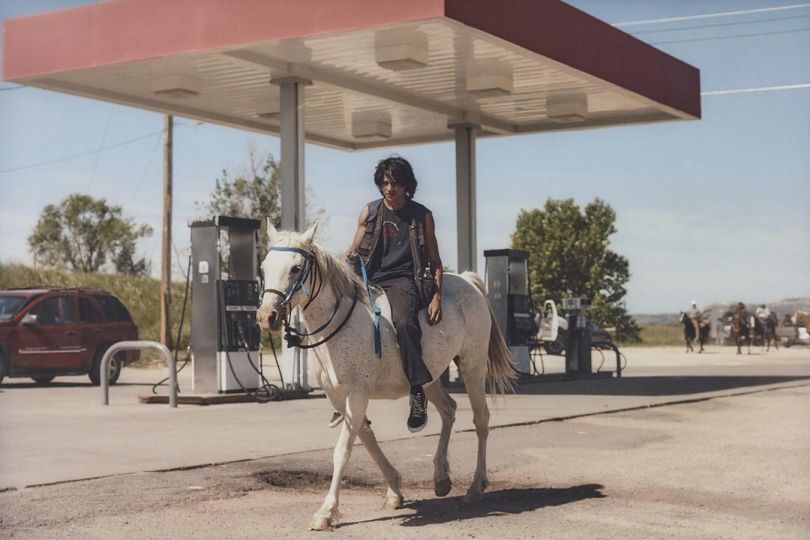
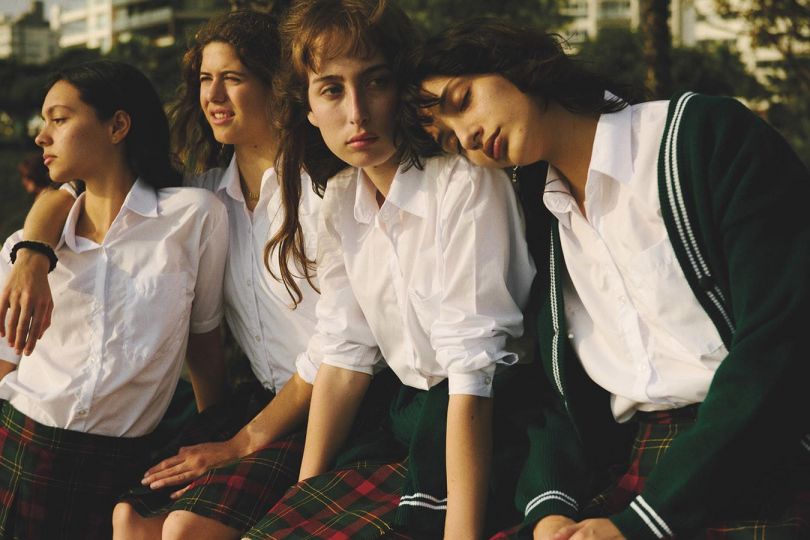
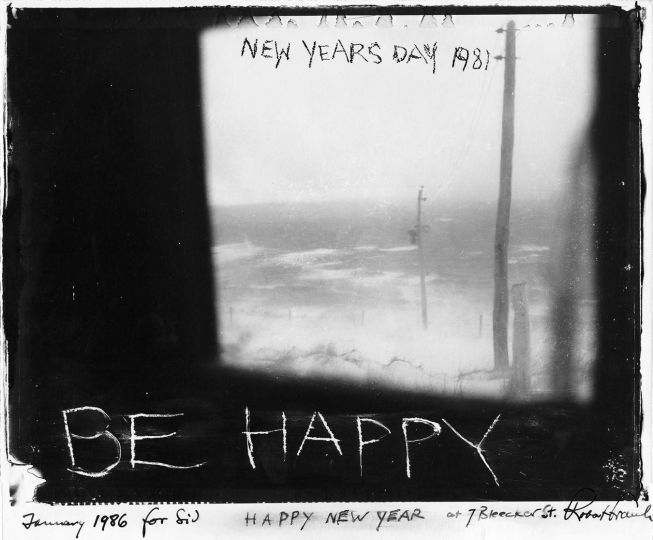
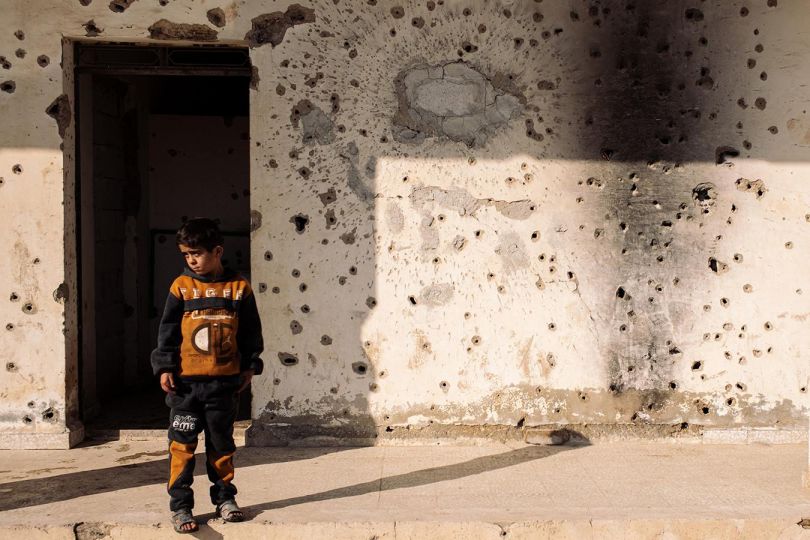
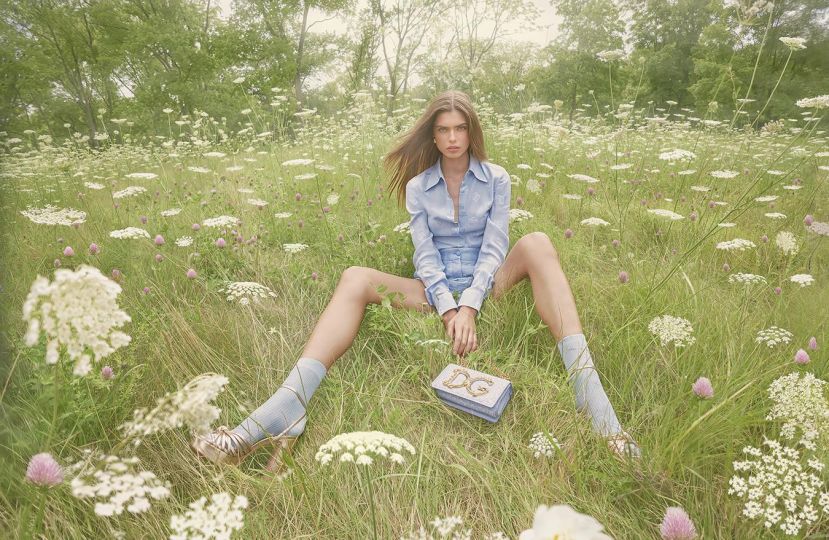
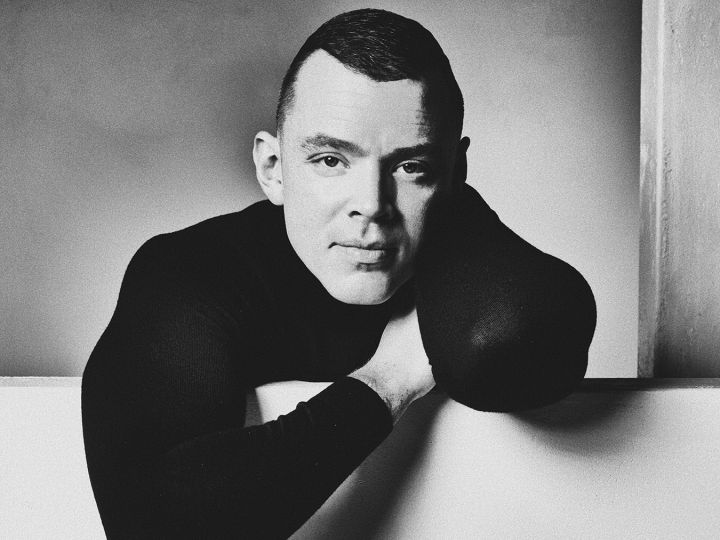
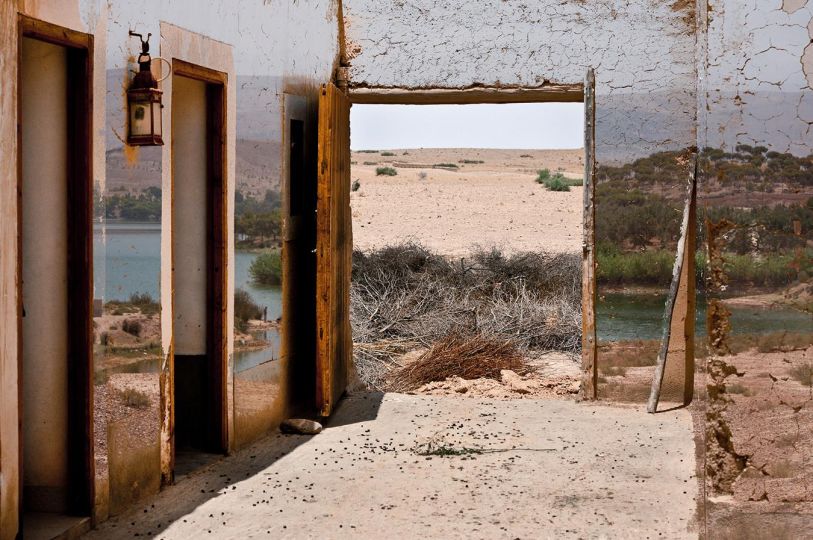
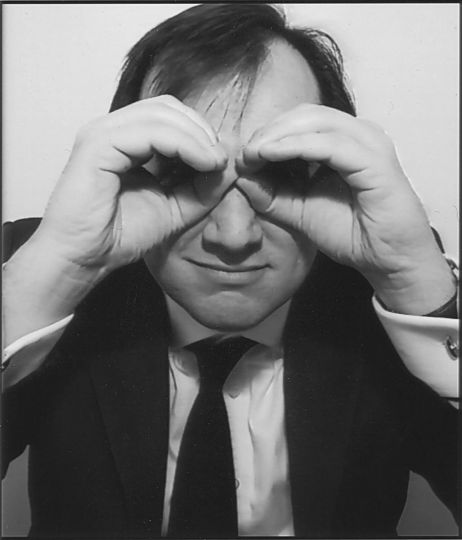
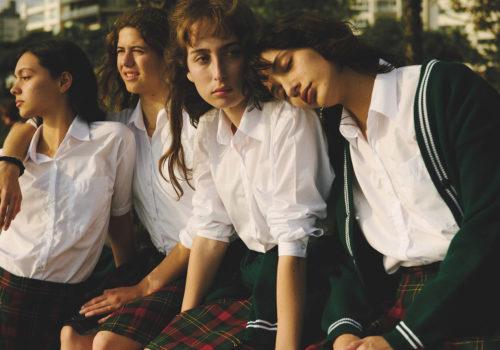
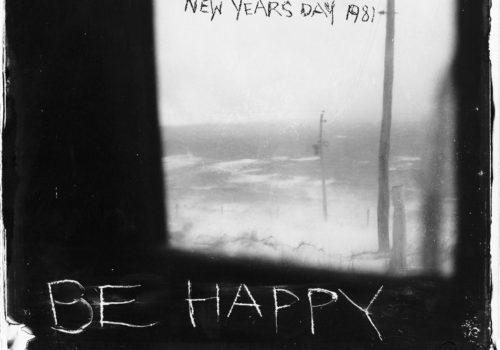
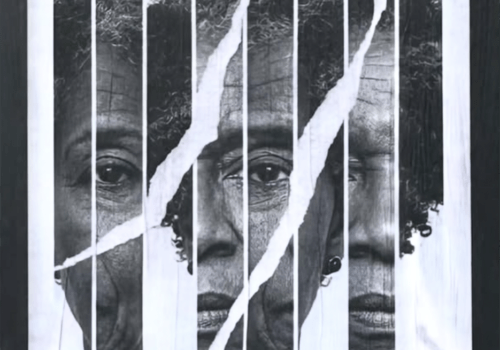
Quentin DMR belongs to a generation of artists who refuse boundaries. A photographer and visual artist, he develops a body of work in which the image ceases to be a simple tool of representation and becomes a sensitive, shifting, almost organic material. His work explores the tensions between appearance and disappearance, memory and erasure, through a visual language where photography freely converses with the gestures of contemporary art. In his work, the photographic surface is constantly put to the test: altered, fragmented, sometimes recomposed, it becomes the site of a perceptual experience rather than a documentary one. Quentin DMR never seeks to freeze reality; instead, he reveals its fractures, its hidden vibrations, and its zones of uncertainty. His works possess a silent density in which light seems to emerge from the material itself. This approach resonates particularly through his participation in the collective exhibition La Quadrature du Cercle, presented at Galerie Laurent Rigail in Paris, bringing together nearly eighty-nine contemporary artists around the circular form of the tondo. Inspired by the idea of a theoretical impossibility transformed into a field of artistic experimentation, the exhibition questions notions of limit, balance, and transformation. Within this abundant dialogue between major figures of urban art and artists from diverse visual backgrounds, Quentin DMR’s universe imposes a singular presence. His work appears as a journey through signs and matter, where textures, traces, and visual tensions construct a language that is both instinctive and profoundly contemporary. The gaze never stops at the surface; it moves through spaces of resonance, between abstraction and intimate memory. Within La Quadrature du Cercle, his work fully participates in this sensitive cartography of the contemporary world described by several exhibition critics: a fragmented territory where disciplines intersect, and where the boundaries between photography, painting, visual writing, and graphic intervention become porous. Quentin DMR thus asserts a demanding and free artistic approach, rooted in a vision of art where the image remains a space for questioning, tension, and poetry.
Site Web : www.quentindmr.com
Instagram : @quentin_dmr_art
What was your first photographic trigger?
Quentin DMR: I’ve always loved documentary photography. My first real trigger goes back to childhood, when I used to follow my father everywhere, always with his camera in hand. Unconsciously, it probably all comes from there.
A photographic memory from your childhood?
Quentin DMR: We loved photographing the whole family during large family gatherings, certainly to preserve memories that are now frozen in time. Sadly, those moments no longer exist.
The camera from your childhood?
Quentin DMR: An old Canon that belonged to my father.
The one you use today?
Quentin DMR: Today I use a Canon 7D, which is more than enough for my work. For me, the camera itself is not the most important thing: creation comes first, as does the imagination you want to inject into the final result.
Which photograph has moved you the most?
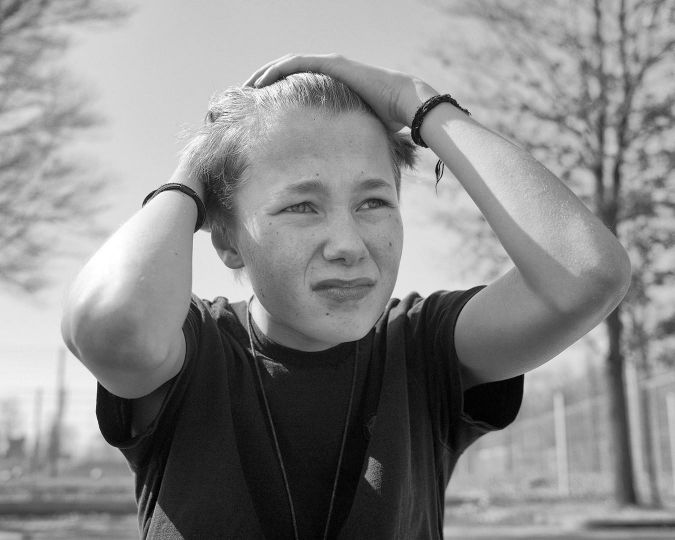
Quentin DMR: Often, they are portraits or everyday scenes that I later show to the people photographed. When they are happy or emotional seeing themselves through my eyes, it deeply moves me.
What interests you most in an image?
Quentin DMR: A moment frozen in time. A timeless image where neither the place nor the date is known.
Elliott Erwitt once said: “Color is descriptive. Black and white is interpretative.” Do you agree?
Quentin DMR: Completely. Black and white is the foundation of my work — and not by chance.
Can technique sometimes take precedence over emotion in photography?
Quentin DMR: Absolutely. Many people are obsessed with technical perfection and miss what truly matters: the moment, the instant. I’d rather see an imperfect but living photograph than a technically perfect image devoid of emotion.
Is beauty in photography purely aesthetic to you?
Quentin DMR: Not at all. Aesthetics is an approach, never an end in itself.
What elements can make silence visible in a photograph?
Quentin DMR: Stillness, the absence of life, certain suspended spaces.
Does the uniqueness of a photograph come from the moment or the staging?
Quentin DMR: From the moment. And that is precisely what is so difficult to capture.
Can a photograph be truer than reality?
Quentin DMR: I’m not really sure, but a photograph can sometimes say far more than raw reality. Nowadays, however, we must be careful not to believe only what an image shows us.
Can a photograph change our perception of an event?
Quentin DMR: Of course — both for truth and for falsehood. One must always analyze a photograph and interpret it critically.
Is photography testimony or manipulation?
Quentin DMR: It can be both. Which is why it is essential to always question an image.
What makes a good photograph?
Quentin DMR: The subject, the moment, and the action.
What is the essential quality needed to become a good photographer?
Quentin DMR: Keeping your eyes wide open at all times. Every day, we pass by incredibly photographic moments; you simply need to pay attention.
How do you choose your projects?
Quentin DMR: I choose projects that make sense both for others and for myself, where there is real exchange with the audience, participation, and above all genuine freedom of expression.
A future project particularly close to your heart?
Quentin DMR: One of my upcoming projects will take place at the Kremlin-Bicêtre Hospital. I want to pay tribute to nurses, doctors, and maintenance staff through black-and-white portraits that I will deconstruct and reconstruct harmoniously.
What is the last photograph you took?
Quentin DMR: I just came back from Guadeloupe, where I photographed a lot of natural landscapes — especially the jungle.
On social media, are you more into Instagram, Facebook, or TikTok — and why?
Quentin DMR: Instagram, without hesitation. For me, it’s the essential platform: simple to use and ideal for showcasing your work. Most new contacts and projects now come through Instagram direct messages. It has become a real showcase for us.
What has changed in photography since the rise of social media?
Quentin DMR: Everyone can now take photographs and share them. I think it democratizes photography, and I see that as something very positive.
An Instagram account everyone should follow?
Quentin DMR: Sam Youkilis. He creates many videos of everyday life, but within each one, I see countless photographs. It’s extremely inspiring.
Color or black and white?
Quentin DMR: Black and white.
Natural light or artificial light?
Quentin DMR: Natural light.
Which city seems the most photogenic to you?
Quentin DMR: New York, without hesitation.
A city, country, or culture you dream of discovering further?
Quentin DMR: I had the chance to visit Brazil, but I would love to return and explore it more deeply. I adore that culture.
A place you never grow tired of?
Quentin DMR: Le Bout du Monde in Le Havre. A unique place at the foot of the cliffs, where you feel both absolute emptiness and an immense sense of freedom. The sunset offers, in my opinion, one of the most beautiful views I have ever seen — a spectacle I will never grow tired of.
If God existed, would you ask Him to pose for you, or would you rather take a selfie with Him?
Quentin DMR: Honestly, neither.
Your best way to disconnect?
Quentin DMR: Fishing. I think about nothing — except watching whether my fishing rod moves.
Carole Schmitz