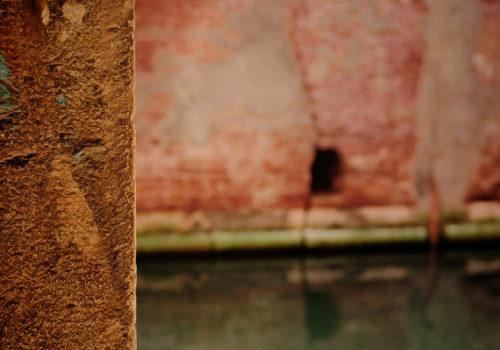
Hannah Esquenazi is a Colombian photographer and visual artist studying at the Savannah College of Art and Design (SCAD) in the USA. Her work blends fashion photography with mixed media, incorporating serigraphy and textured elements to expand visual storytelling. Driven by observation and experimentation, her creative process centers on merging digital and physical mediums to create layered, tactile narratives.
Her work has been exhibited in the Leica x SCAD Showcase Power in Perspective (2024), and she was featured as a Spotlight Artist in the SCAD Fine Art Showcase (2025). She was recently selected as a finalist for the 2026 Arte Laguna Prize international exhibition in Venice, Italy. Her photographs have been selected for the Annual Photography Awards (2025) and published in Noise Magazine, Savannah Made Simple, and SCAD Manor. Alongside her independent practice, Esquenazi has worked as a Visual Media Production Assistant, collaborated with Matte Projects , and photo assistant to photographer Valheria Rocha.
Website link: https://www.hannahesquenazi.com/
https://www.instagram.com/hannahesquenaziart/?hl=en
What initiated your career into the arts and photography? Being from South America, Colombia who or what were your influences?
Hannah Esquenazi : My relationship with art began with a public sculpture in my hometown of Cali. Growing up around El Gato del Río by Hernan Tejada, the giant cat by the river, I never experienced it as just an object. As a child I gave it a personality. I drew it, created stories about it, and treated it as if it were alive. Without realizing, I was learning that an image could hold narrative and presence at the same time.
That idea stayed with me: reality can be ordinary, but perception makes it fictional.There’s a cliché saying that you don’t choose your passion, it chooses you — and as much as I’d like to say otherwise, that feels true with photography. Cameras were always a curiosity to me. I insisted on using my mother’s until I got my first at four years old.
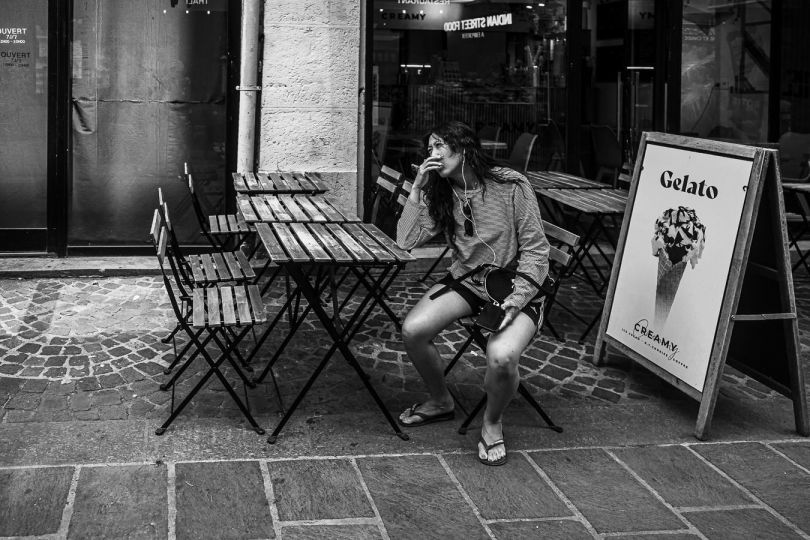
Photography became a way to show others not what something looked like, but how it felt to notice it. Recreating the feeling of seeing the moment when something familiar suddenly feels staged or symbolic. Being Colombian shaped my visual language: color, density, warmth, and the coexistence of chaos and harmony. Everyday life already felt theatrical, so my instinct became building worlds rather than recording them.
You combine the arts of mixed media in your fashion work especially describe your process?
Hannah Esquenazi : My process doesn’t end when I take the photograph: that’s actually where it begins. I treat the camera as a gathering tool rather than a finishing tool. I collect fragments that will later become something else.
Before shooting I build a loose world: casting, location, wardrobe, and textures that already carry emotional weight. But I don’t try to resolve the image on set. I prefer leaving space for discovery later.
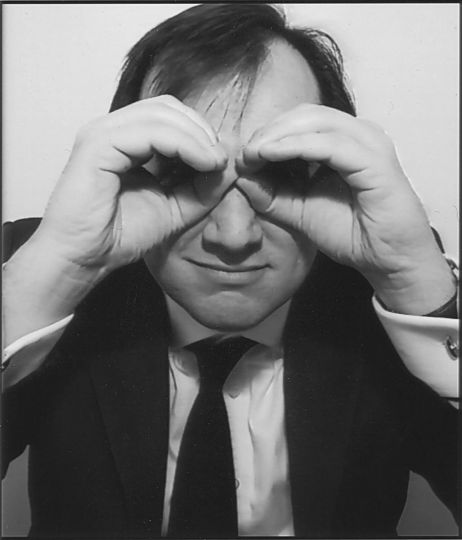
Afterward I print the photographs and work on them by hand. That moment is essential, once the image exists in space, it stops being only photographic. I can cut it, layer it, write on it, repeat it, or combine it with other materials. The image becomes an object.
When I shoot film, the darkroom becomes part of that transformation. I’m less interested in perfect control and more in allowing accidents, distortions, and interventions to shape the final piece. The process feels closer to painting or sculpture than editing.
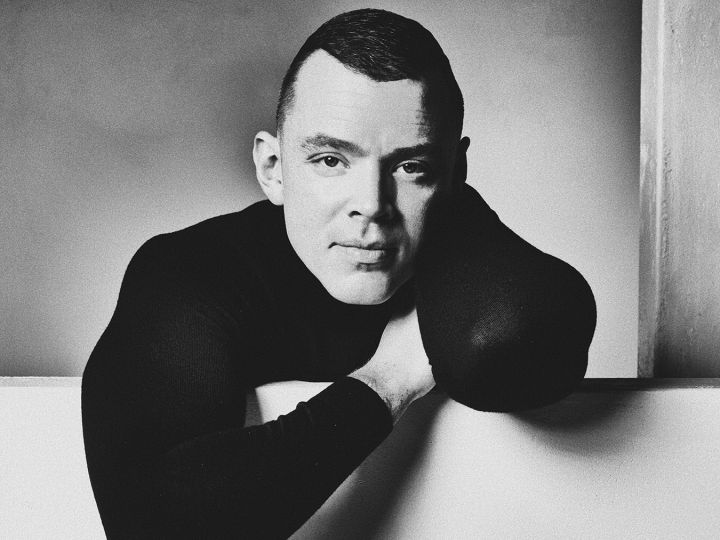
Fashion lives inside the work but isn’t the subject – it’s a character within a constructed environment. I’m not trying to represent clothing; I’m trying to build a world where it belongs.
Discuss how storytelling is an important feature in your work?
Hannah Esquenazi : I once read a quote by Lewis Hine: “If I could tell the story in words, I wouldn’t need to lug around a camera,” and I couldn’t agree more. Storytelling is at the core of humanity. People are drawn to stories because they give structure to our experience and make the chaos of life feel comprehensible. They let us step into someone else’s perspective and feel what they feel, creating empathy and connection. Paying attention is a powerful emotion, and my work seeks to invite the viewer into that state.
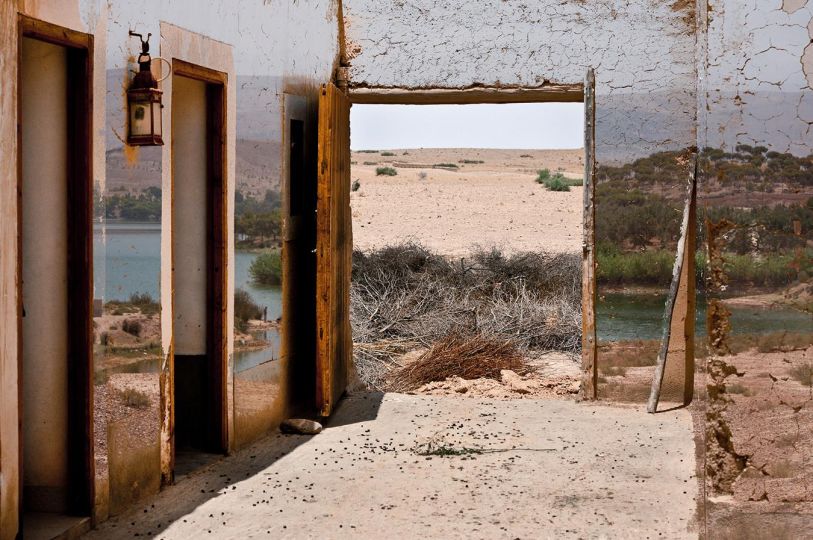
To translate those narratives visually, I draw from personal influences books, art history, and childhood memories to build a visual identity that feels authentic while immersing myself in the stories of those around me and exploring the shared aspects of human experience. The environments I build become part of the story: maximalist sets and surreal elements stay cohesive when they follow a clear emotional intention. I often arrive there through trial and experimentation making props, rearranging materials, and adjusting light until the space begins to feel believable in its own logic.
What are you looking to do once you have graduated from SCAD?
Hannah Esquenazi : After graduating from SCAD, I hope to continue developing my practice while learning from great photographers and creative teams. I feel very fortunate to be surrounded by artists and constantly inspired by other people’s stories. Being from Colombia has given me the courage to knock on doors wherever they may be. There is a saying in Spanish that represents me well: “me quiero comer al mundo,” meaning I want to experience as much of the world as I can.
I’m excited to go wherever my work takes me: New York, Europe, or Latin America to gain experience while continuing to build my own body of work. Long term, I want to balance commissioned projects with personal practice, creating images that exist between editorial and fine art. I continue to evolve my practice as an artist, while proudly carrying my Colombian identity with me, honoring those who came before me and continuing to create work that genuinely moves me.
How did SCAD address the business of photography, essential in promoting a career?
Hannah Esquenazi : For me, SCAD treated photography as learning how to thrive in life doing it. Through classes like Professional Practices for Fine Art Photography and Business Acumen for Commercial Photographers, I started understanding what actually happens after the photo exists: how you present yourself, who you talk to, how you keep working, and how to grow.
We learned practical things that felt very real about marketing strategies, portfolio sequencing, networking, negotiating usage, budgeting productions, and even studio management. It made me realize that being a photographer isn’t just about style, it’s about positioning: knowing where your work belongs and how to communicate its value.
Outside the classroom was honestly just as important. SCAD constantly brings industry professionals — people like Tyler Mitchell, Karla Martinez de Salas, Jahmad Balugo, Valheria Rocha, Robert Fairer, Rebekah Campbell, Grace Ann Leadbeater, Susanna Brown, Mark Mahaney, and Jim Wright. You get to hear the realities behind their careers and ask them questions that demystified the industry. You work on invoices, call sheets, timelines, and mistakes, not just the final image.
Projects also functioned like real jobs. Working on production alongside Valheria Rocha, participating in the Matte Projects Design Sprint, SCADpro collaborations, and the Fine Art Showcase spotlight, all forced me to communicate with teams, meet deadlines, and defend creative decisions. Career advisors helped refine how I speak about my work, and competitions and alumni connections opened internship opportunities that became actual entry points rather than hypotheticals.
All of this is to say, SCAD has been incredibly meaningful to me. I wouldn’t be here without the department and the resources it gave me. My parents taught me to always thank the people who help you, and here that includes Department Chair of Atlanta Michael James O’Brien, Department Chair of Savannah Josh Jalbert, and mentors Chris Lane, Tim Keating, Rebecca Nolan, Dillon McMillan, Vivien Allender, Jaclyn Cori Norman, Debora Oden, Jon Horey, Jonathan Sage , and many others across SCAD who have helped along the way, making my decision to come here one of the best I’ve made.
Text and interview by Patricia Lanza