The inventor of the recipe for the eco-friendly alternative developer with caffenol, Scott Williams, Professor of Inorganic Chemistry and Director of the Graduate Program in Materials Science and Engineering in the School of Chemistry and Materials Science at the Rochester Institute of Technology, will celebrate the 30th anniversary of his discovery on September 12th in New York City, from 7 p.m. until midnight, at the Gowanus Darkroom, 119 8th St. #212, Brooklyn, NY 11215.
In 1995, Dr. Scott Williams and his class developed an alternative developing method for black-and-white photographic film, a formula made with standard natural products.
They tested tea and coffee blends combined with certain natural agents to balance the pH of this new, environmentally friendly developing liquid.
They were able to produce good negatives using film developed in this new, environmentally friendly alternative developing product, and then, later, photographic prints from these same negatives.
Here is the link to the program details for this special 30th anniversary evening, chaired by Dr. Scott Williams.
As for me, following my very first contact with the inventor in August 2023, I propose to share with you below my recent and new files / recipes, fruits of my latest research in the matter, which my mentor Scott Williams has been following from the beginning and continues to be interested in.
Jacques Revon
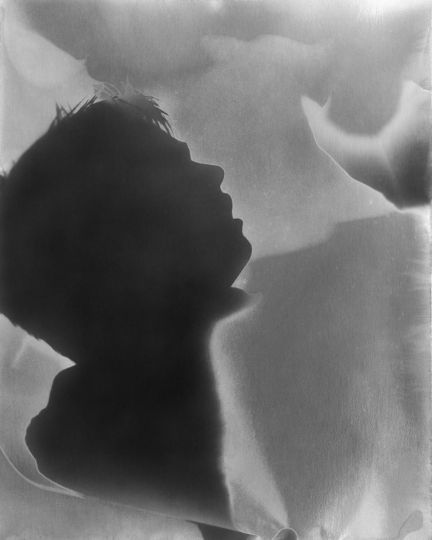
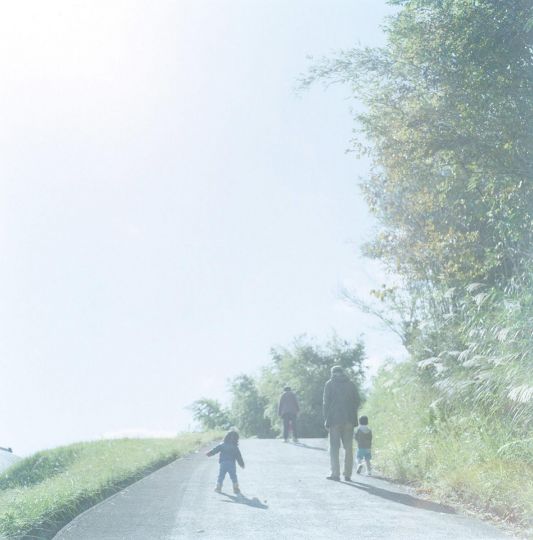
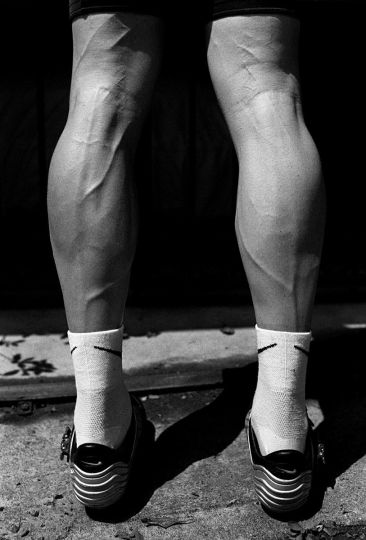
Here are five new short recipe cards, along with a few images.
Developer with orange juice, carrot juice, organic apples from our garden, savory, and finally, lemongrass.
Enjoy!
After testing and results, here are my five new recipe cards.
For developing 24×36 black and white film or 6×6 film. © Jacques Revon
Natural alternative developer with pure orange juice without pulp.
To make 700 ml of alternative developer. Juice pH 3.5
Strain the pure orange juice through a fine nylon coffee filter before diluting the products.
Gently dilute each product completely in the 24°C juice in the order below.
10 g of vitamin C. pH obtained in dilution: 3.1
43 g of sodium carbonate. pH obtained in dilution: 10.3
10 g of iodized salt. pH obtained in dilution: 10.1
2 drops of dishwashing liquid. Final pH obtained at the end of dilution: 10.2
After dissolving the products, filter the resulting product two to three times if necessary.
Develop the film at 25.2°C.
With 10 seconds of agitation every minute by inverting and rotating the tank simultaneously.
Continuous agitation during the first minute of development.
Development time 17 min 30.
Natural alternative developer with carrot juice.
Purchase 1.5 kg of carrots to make 700 ml of juice per extraction. The pH of the juice obtained after extraction is 6.3.
Filter the juice several times if necessary to make it more liquid and remove any remaining particles.
Gently dilute each product completely in the juice at 23°C, in the order below.
10 g of vitamin C, pH obtained in dilution: 3.8
41 g of sodium carbonate, pH obtained in dilution: 10.8
10 g of iodized salt, pH obtained in dilution: 10.6
2 drops of dishwashing liquid, pH obtained at the end of dilution: 10.5
After dissolving the products, filter the resulting product two to three times if necessary.
Develop the film at 25°C.
Development time: 14 minutes.
Stir for 10 seconds every minute by simultaneously turning and rotating the tank. Continuous stirring during the first minute of development.
Natural alternative developer with organic apple juice from the garden.
Pick fallen apples to extract the juice.
A total of 2 kg of apples to obtain 800 ml of organic apple juice. The pH of the juice obtained after extraction is 3.2.
Filter the juice several times if necessary to make it more liquid and remove any remaining particles.
Gently dilute each product completely in the juice at 25°C in the order below.
10 g of vitamin C, pH obtained in dilution: 3.1
45 g of sodium carbonate, pH obtained in dilution: 10.4
6 g of iodized salt, pH obtained in dilution: 10.3
2 drops of dishwashing liquid, pH obtained at the end of dilution: 10.3
After dissolving the products, filter the resulting product two to three times if necessary.
Film development at 25°C
Development time: 20 minutes. Stir for 10 seconds every minute by simultaneously turning and inverting the tank. Continuous stirring is required during the first minute of development.
This produces a very fine-grained developer
A natural alternative to the aromatic herb savory.
Prepare 20 grams of savory (leaves only), preferably dried for a few days, for a decoction in 2 liters of water (preferably demineralized for film development or simply natural water for baryta paper development).
Soak the savory in cold water for 5 minutes to release the plant’s active substances. Then, bring the contents to a boil, then simmer for 15 minutes over low heat. Stir occasionally. Remember to place a lid on the decoction pan. When the decoction is complete, let the contents cool and then strain several times, if necessary, to remove any remaining small particles.
Gently dilute the products in this order to approximately 30°C to obtain 800 ml of natural developer (pH 3.0 obtained before dilution).
15 g of vitamin C (pH 3.0 obtained in dilution)
50 g of sodium carbonate (pH 11.1 obtained in dilution)
5 g of iodized salt (pH 11.1 obtained in dilution)
3 drops of dishwashing liquid (pH 11 obtained at the end of dilution)
After dissolving the products, filter the resulting product two to three times if necessary.
Film development at 25.5°C
Development time: 17 minutes. Stir for 10 seconds every minute by simultaneously inverting and rotating the tank. Stir continuously during the first minute of development.
This produces a so-called fine-grain developer.
Natural alternative developer with lemongrass plant.
Prepare 30 grams of lemongrass (leaves only), preferably dried for a few days, for a decoction in 2 liters of water (preferably demineralized for film development or simply tap water for barium paper development).
Soak the lemongrass leaves in cold water for 5 minutes to release the plant’s active substances, then bring the contents to a boil and simmer for 15 minutes over low heat. Stir occasionally. Remember to place a lid on the decoction pan.
At the end of the decoction, let the contents cool and then filter them several times if necessary to remove any remaining small particles.
Gently dilute the products in this order at 25°C to obtain 800 ml of natural developer. Decoction pH obtained before dilution: 7.4.
11 g of vitamin C, pH obtained in dilution: 3.1
47 g of sodium carbonate, pH obtained in dilution: 10.9
6 g of iodized salt, pH obtained in dilution: 10.9
6 g of citric acid, pH obtained in dilution: 10.4
2 drops of dishwashing liquid, final pH obtained at the end of dilution: 10.4
After dissolving the products, filter the resulting product two to three times if necessary.
Film development at 25.3°C
Development time: 22 minutes. Stir for 10 seconds every minute by simultaneously inverting and rotating the tank. Stir continuously during the first minute of development.
I recommend using an alternative, eco-friendly, natural developer in a one-bath solution, i.e., only once.
I would also like to point out that in this alternative approach, it is important to take into account the pH value of your solution during the manufacturing of your developer, so that it is, if possible, between pH 9 and 11. To do this, I advise you to use a pH measuring pen to monitor its value during your manufacturing process (see my controls above) and, if necessary, to adjust this value at the end of the manufacturing process, by adding, in small amounts, 2 to 3 grams of citric acid and gradually monitoring the result.
The pH value thus allows you to control the quality of the developer product you design, so that it allows you to obtain a correct development time and, ultimately, appreciable contrast in your negatives, with details in the highlights and shadows, as well as transparency in the emulsion support.
Jacques Revon