Raphaël Neal: “The image as a place of passage”
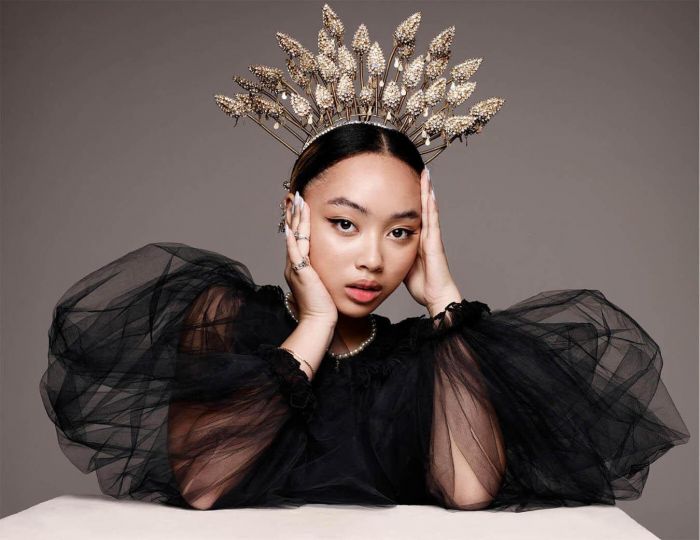
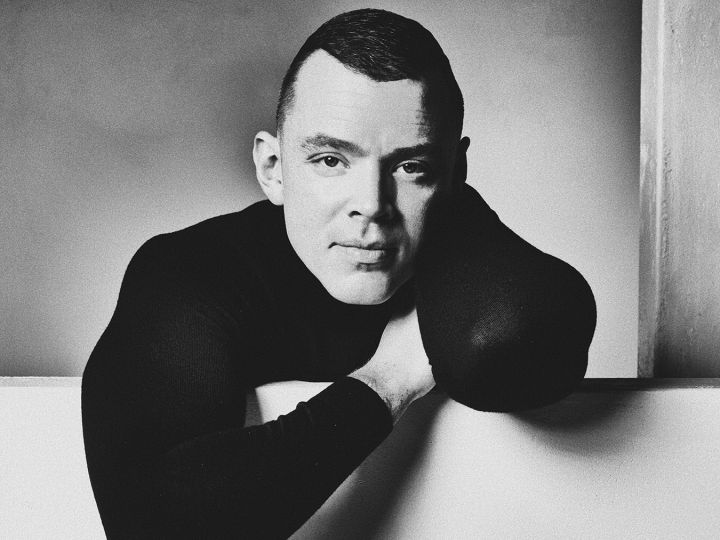
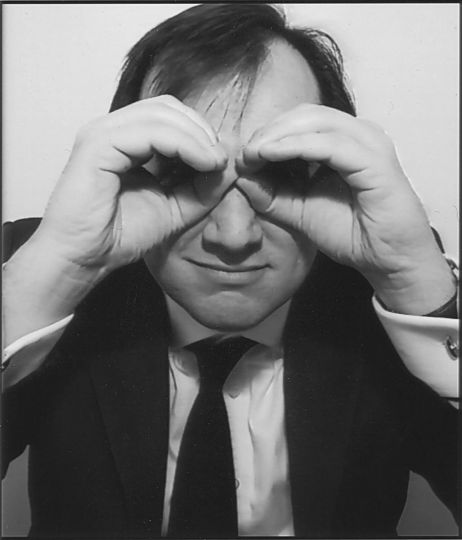
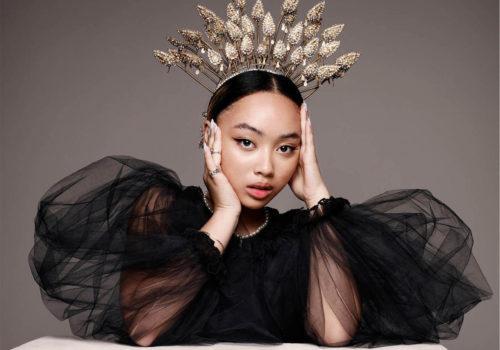
Photographer, filmmaker and actor, Raphaël Neal is part of a generation of artists for who images—whether still or in motion—are a territory to be fully inhabited. For him, there is no hierarchy between mediums, but a shared imperative: to construct an eye. Over the years, he has developed a photographic practice that is both coherent and open, where staging never freezes the subject, but rather reveals it—reveals a tension, a fracture, a suspended beauty. His portraits, often inhabited by young figures, reflect a fascination with transitional ages, identities in the making, and uncertain bodies. There is in his work a sharp sense of fragility, an attentiveness to what might vanish if not carefully named, framed, and given form.
Youth, gender, memory, vulnerability, and the social construction of the gaze are among the recurring threads running through his photographic series. But beyond the themes, it is the atmosphere that defines his images: a strange silence, a balance between gentleness and tension, as though each photograph were taken on the edge of a possible narrative—just before or just after the shift. The connection with cinema is unmistakable, not only in the framing and use of light, but in his ability to suggest a story without ever dictating it. The image becomes a space for pause, projection, and dialogue.
Through our questionnaire, Raphaël Neal lifts the veil on the deeper mechanics of his practice: his influences, his obsessions, his refusals, and his conception of portraiture as an act of presence. This game of questions and answers—both playful and introspective—sketches the portrait of a discreet yet deeply inhabited artist, for whom photography is also a way to question one’s place in the world, and the responsibility that comes with it.
Represented by @vu_photo / Instagram: @raphaelneal.1
To discover: Hollywood Nightmares, published by Le Bec en l’Air (@lebecenlair).
Your first photographic spark?
Raphaël Neal: Film stills — as a way of prolonging the movie.
The image-maker who inspired you most?
R.N.: Alfred Hitchcock.
The image you wish you had taken?
R.N.: Scherzo di Follia, the presumed self-portrait of the Countess of Castiglione, watching us through a photo frame.
The image that moved you the most?
R.N.: Torso, Antikythera, taken in Greece in 1937 by Herbert List.
And the one that made you angry?
R.N.: Almost every fashion photograph.
Which photo changed the world?
R.N.: None, unfortunately.
And which photo changed your world?
R.N.: Untitled Film Still #96 (1981) by Cindy Sherman.
What interests you most in an image?
R.N.: Mystery.
What was the last photo you took?
R.N.: My cat Dora, this afternoon in my garden in Camberwell (London).
A key image in your personal pantheon?
R.N.: Ambiguous Loss (2021), from my Hollywood Nightmares series.
A vivid photographic memory from childhood?
R.N.: When family album photos were thrown into the fire.
In your opinion, what quality is essential to be a good photographer?
R.N.: I don’t believe there is such a thing as a good or bad photographer.
What makes a good photo?
R.N.: Perhaps that elusive mystery that remains unresolved and makes you want to look again.
The person you’d most like to photograph?
R.N.: Isabelle Huppert.
A must-have photography book?
R.N.: Vivien: A Love Affair in Camera by Angus McBean (1989).
The camera from your childhood?
R.N.: We didn’t have one.
The one you use today?
R.N.: A Sony A7R IV.
How do you choose your projects?
R.N.: Very often after having already made a few images—then realizing that a theme has quietly emerged.
How would you describe your creative process?
R.N.: A fleeting moment when the perfect image appears in my mind—then months, even years, trying to find it again.
An upcoming project that’s close to your heart?
R.N.: Second Spring of the Faithful Man, a series of portraits of men of all ages and backgrounds, photographed in my studio in a style inspired by Pre-Raphaelite stained glass and Orientalism.
Your favorite drug?
R.N.: Desire.
The best way for you to disconnect?
R.N.: Death.
What’s your personal relationship with images?
R.N.: Obsessive.
Who would you like to be photographed by?
R.N.: My cat, Dora.
Your latest madness?
R.N.: Believing the voices in my head.
An image for a new banknote?
R.N.: A banker: Emmanuel Macron.
If you weren’t a photographer?
R.N.: I could have been a bartender.
Your greatest professional extravagance?
R.N.: I can’t think of any!
A question that could throw you off?
R.N.: One that’s actually a hidden request.
The last thing you did for the first time?
R.N.: Negotiated a salary with my agent.
A city, country or culture you dream of discovering?
R.N.: Georgia—and especially the traditional music from the surrounding regions.
A place you never tire of?
R.N.: Apparently, the traumas of my past.
Your greatest regret?
R.N.: Being naïve.
On social media, are you more Instagram, Facebook, TikTok or Snapchat—and why?
R.N.: Instagram—less complicated than the others!
Color or black & white?
R.N.: When I see George Platt-Lynes’ black and white photographs, black and white feels like the obvious choice. But I change my mind when I see Madame Yevonde’s Vivex** photos.
Daylight or artificial light?
R.N.: Artificial light—to recreate daylight!
Which city feels most photogenic to you?
R.N.: Chicago.
If God existed, would you ask to take his portrait—or go for a selfie?
R.N.: I’d dress him as a man for a portrait.
If I could host your ideal dinner, who would be at the table?
R.N.: All my closest friends—and a few new faces.
The image that best reflects the state of the world today?
R.N.: The Falling Man by Richard Drew. A society that drives people to violence and suicide.
What’s missing from today’s world, in your opinion?
R.N.: Empathy seems to be disappearing.
If you had to start all over again?
R.N.: I’d do everything differently.
What would you like people to say about you afterwards?
R.N.: I’d rather they forgot me, honestly.
The one essential thing people should know about you?
R.N.: That I have empathy—but also a need for truth, which complicates things.
One last word?
R.N.: Thank you.
Note: The Vivex process, invented by chemist Douglas Arthur Spencer, involves superimposing three glass-plate negatives (one for each primary color: magenta, cyan, and yellow). It allows, for example, an image to be entirely bathed in vibrant blue. The result offers remarkable chromatic depth, anticipating the colorful pop filters of the 1960s.