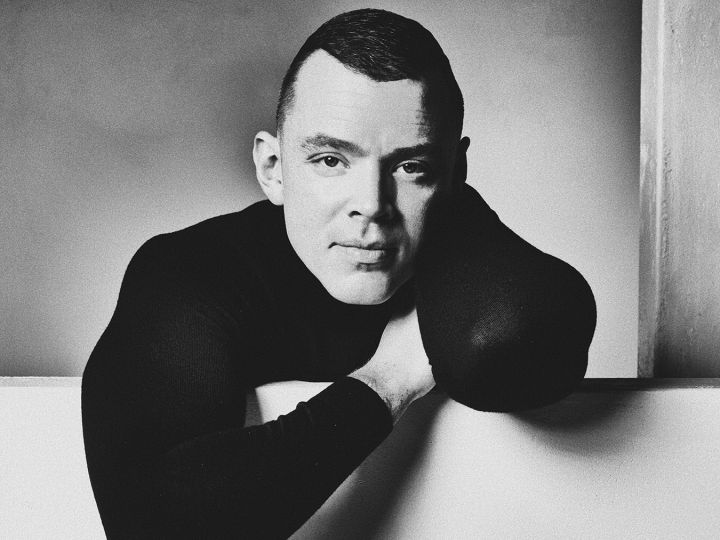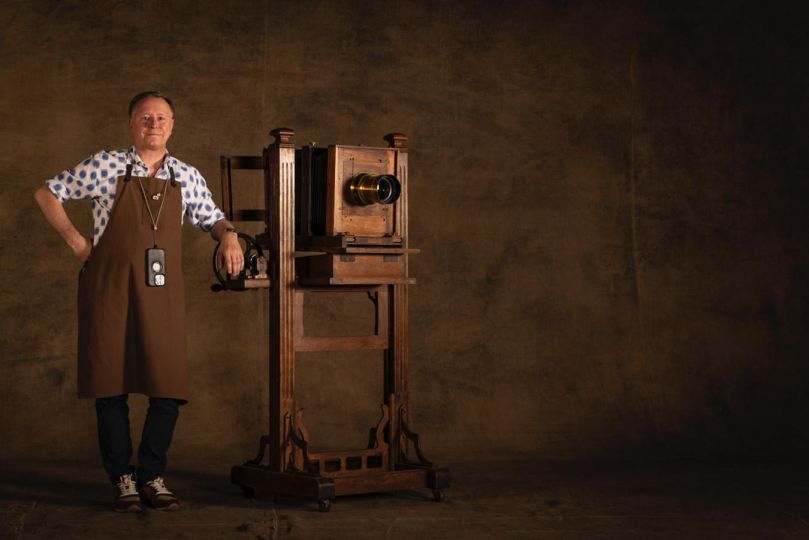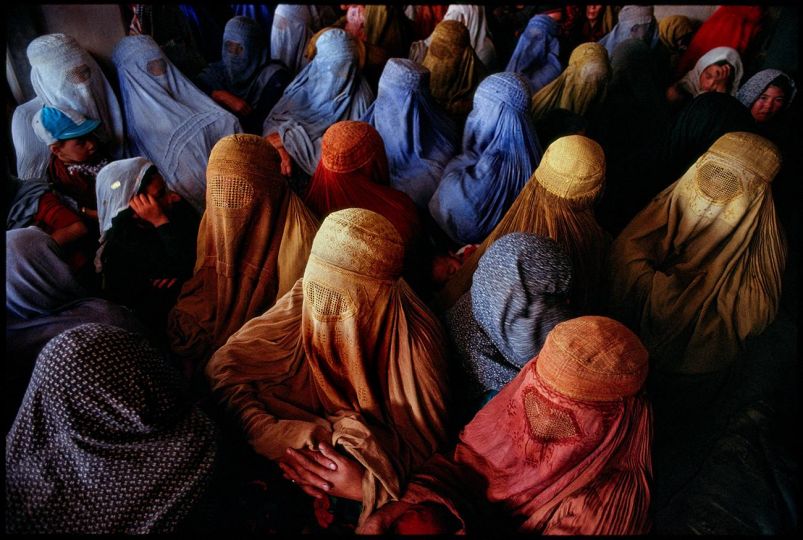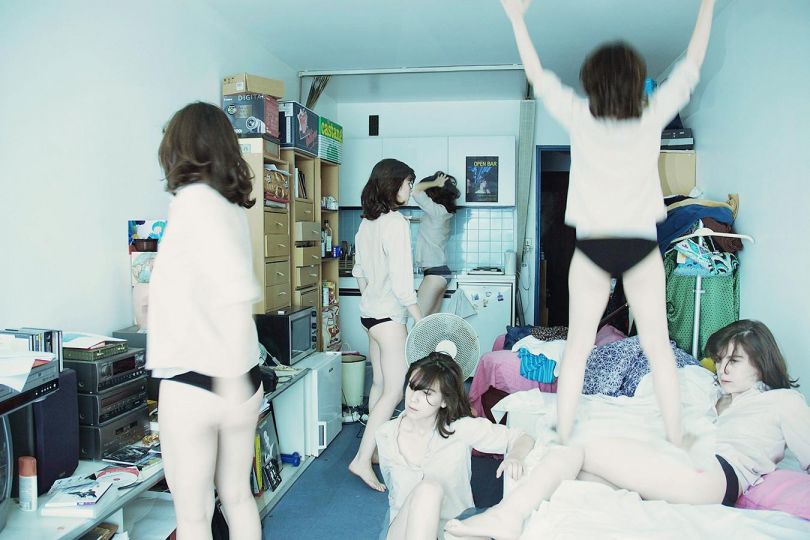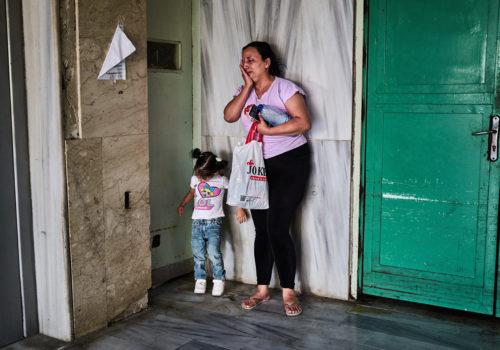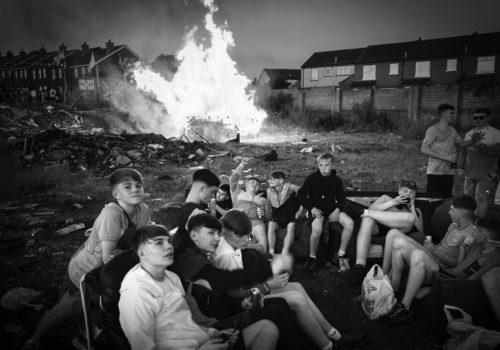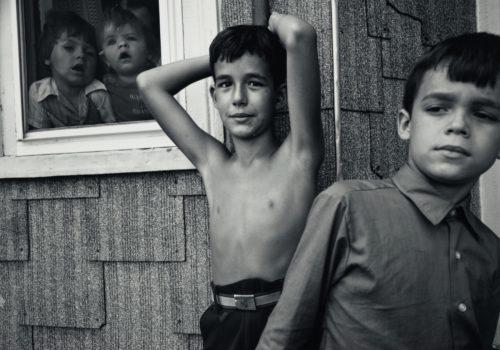
As part of the celebrations marking the bicentenary of photography, Le BAL in Paris is dedicating its first-ever exhibition to a collection. Best known to the general public as the producer of every James Bond film since Moonraker (1979), Michael Wilson has, together with his wife Jane, assembled one of the world’s most significant private photography collections. Since the establishment of the Wilson Centre for Photography in 1998, this corpus of nearly 12,000 prints has been the subject of extensive conservation, research, and educational initiatives.
A long-time friend of Diane Dufour, Wilson gave her complete freedom to conceive the exhibition. L’Espace entre nous (The Space Between Us) emerged from this meeting of two perspectives, bringing together a remarkably sensitive selection of works centred on the relationship between photographer and subject, explored here “from the most accidental to the most controlled.”
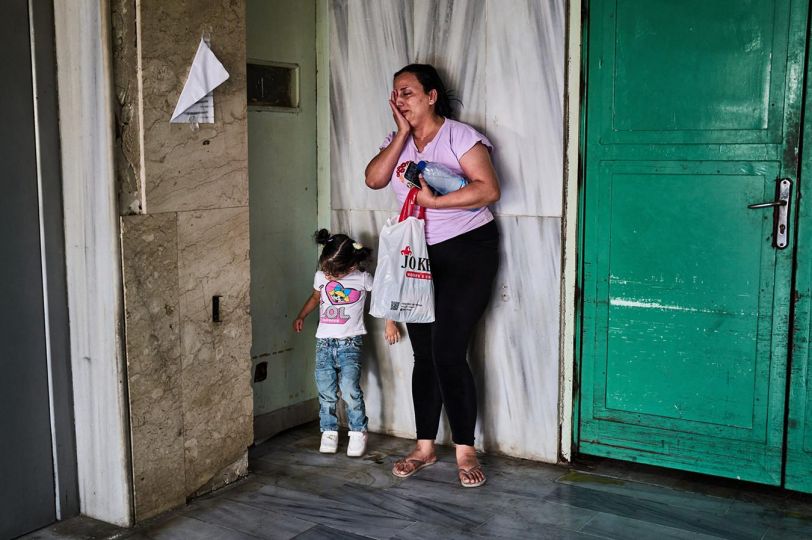
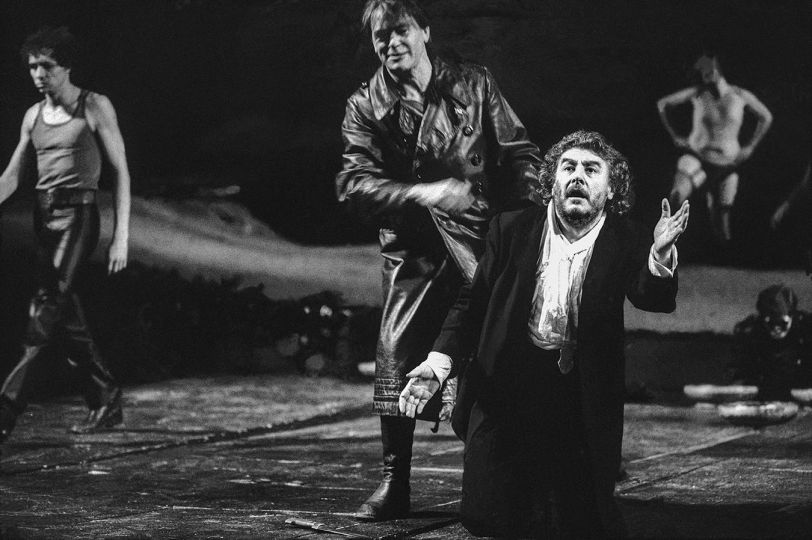
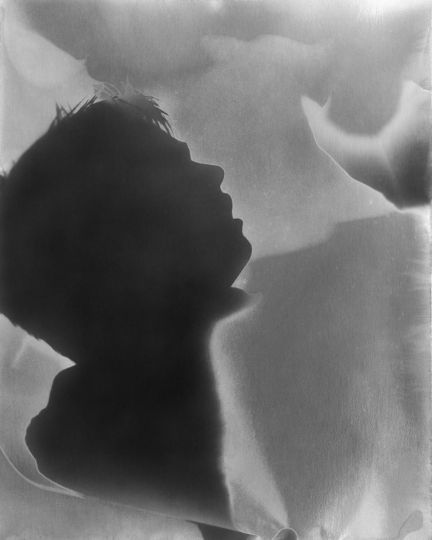
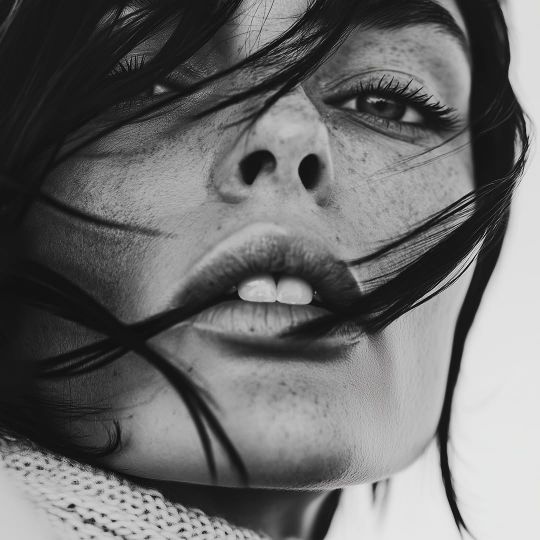
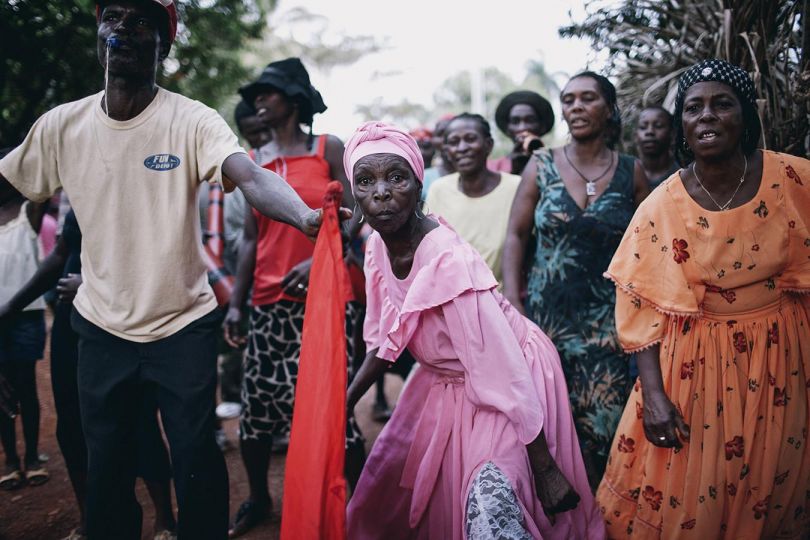
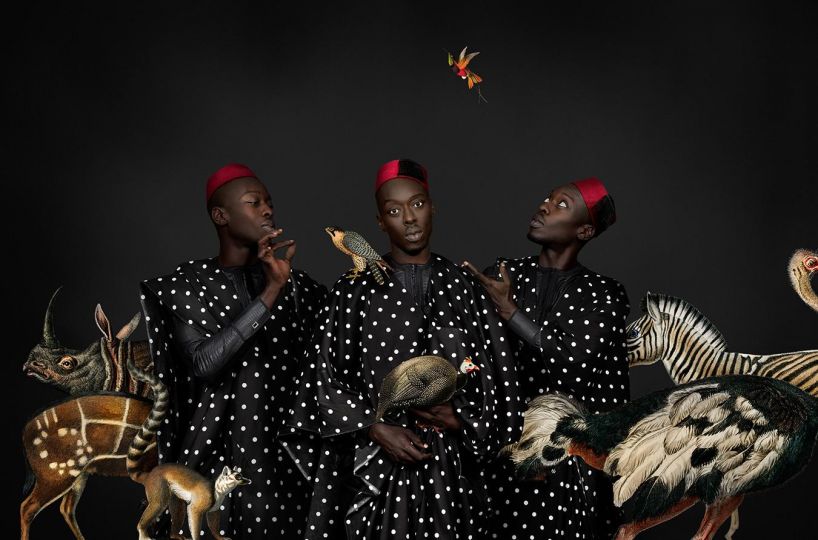
From Louis Stettner’s candid portraits taken in New York’s Penn Station to David Goldblatt’s politically charged stagings in South Africa; from Tomoko Sawada’s earliest self-portraits to Francesca Woodman’s final ones, passing through a rare Kertész and the subtle dynamics of power that arise whenever a photographer works with a model, the 120 photographs on view—most of them vintage prints—trace a wide spectrum of distances and relationships.
A third voice also runs through the exhibition: that of writer Bertrand Schefer, whose texts accompany the images, combining historical perspective with a more subjective reading of the works.
On the occasion of this original presentation, L’Œil de la Photographie met with Michael Wilson. Although he prefers to “let the photographs speak for themselves,” the collector agreed to reflect on the origins and development of this exceptional collection.
What was the first photograph you acquired ?
The first photograph I bought was an Edward Weston portrait of E.E. Cummings. I’m not entirely sure why I bought it. I think because I liked E.E. Cummings. At that point, I wasn’t a photography collector. The second photograph I remember buying was in New York. I walked past a gallery and saw a photograph in the window called Heart of the Storm by Anne Brigman (c. 1912). I bought it for $350.
Your collection spans from some of the earliest photographic experiments of the nineteenth century to the most contemporary works. Was there, from the outset, a desire to encompass the full history of photography?
Not at all. I actually started by collecting early travel photography. I was interested in the first time people went to different places and captured them. This ensemble is mostly photographs from the 1850s and 1860s. It was interesting to see how people did not travel very much in those days, tourism barely existed, and photography suddenly allowed people to see the world, not through engravings or paintings, but through actual photographs. That was extraordinary. These first travel photographs were the subject of an exhibition in 2004 entitled First Seen[1].
19th–century photography is one of the most important focuses of your collection. What fascinated you about those beginnings of photography?
I was already collecting books and prints from that period, and from earlier periods as well, so photography connected naturally to those interests. What also fascinated me was seeing how a new technology enters society : how people react to it, how it affects them emotionally, how they adapt to it. If you think about it, there are very few artistic media that have an identifiable birthday. We don’t know exactly when writing began. We have cave paintings and other very early forms of representation, but they emerged gradually. Lithography perhaps appeared around 1799, but even that is somewhat debatable. Photography, by contrast, has a precise birthday. And it changed the world. It changed things as profoundly as Gutenberg’s movable type. Photography was a technological revolution. It led eventually to cinema and, in many ways, to the visual culture we inhabit today.
You and your wife Jane later founded the Wilson Centre for Photography in 1989.
By then the collection had become substantial. As time passed, we expanded into pictorialism, modernism and contemporary photography, while continuing to collect earlier material as well. Eventually, however, I began to feel that the collection was perhaps somewhat parochial because it largely reflected my own tastes and interests. So I asked curators to tell me what was missing, to help broaden the collection and make it more representative. I also wanted it to be studied academically so from the 1990s we ran seminars for scholars and students, and over time it evolved into a centre devoted to education.
Have you noticed changes in the way photography is studied since then?
It’s more limited today. For some reason, it doesn’t seem quite as popular as it once was. Perhaps things have changed. University systems, particularly in Britain, have become much larger. Students tend to work more with theory and reproductions — often third-generation reproductions — rather than with original objects. It has become harder to persuade people to come and look at actual photographs, the real things.
One of the themes of this exhibition is the dialogue between text and photography. Is this crossing of disciplines something that interests you? Over the decades, photography has increasingly moved beyond its traditional definition.
Yes. Many people feel that way. But perhaps every medium has its own historical trajectory. Photography may have had one. It went through a primitive phase, then a great exploratory phase, and later a period shaped by technological developments such as handheld cameras. Perhaps it has simply run its course in its original form. It doesn’t necessarily have to remain photography in the strict sense. If people want to draw on photographs, I suppose they can.
Do you tend to acquire individual prints or larger groups of works?
In 19th-century photography, even photographs that were originally printed in multiple copies often survive in very small numbers today. Naturally, you want to acquire the best examples. But ultimately I don’t think it’s really about uniqueness. It’s more about the image itself and what it communicates.
The exhibition at Le BAL explores the space between photographer and subject. Could you tell us about this curatorial premise and how the project came together?
This exhibition is quite different from exhibitions like the one dedicated to Edward Weston that we presented at the MEP in 2025. This exhibition was a good example of a project I’ve spent many years thinking about. I probably spent twenty-five to thirty years building the collection that eventually made that exhibition possible. By contrast, this exhibition is completely different. Here, someone — in this particular case Diane Dufour, director of the BAL — goes into the collection, imagines an exhibition, and puts it together. I had nothing to do with the selection, which probably makes me the least qualified person to answer that question!
Within French photography, are there any particular favourites that stand out to you?
We’ve been very active in collecting 19th-century French photography, which includes many major figures. Gustave Le Gray is certainly one of them. In fact, there will be an important Le Gray-related event this autumn when the collection of Roger Thérond comes up for sale at auction. I saw his collection about twenty-five years ago, and it was extraordinary. That’s exactly the type of material I was interested in. So 19th-century French photography has always been a major focus for me. And of course, since then there have been many great French photographers whom we collect as well.
[1] First seen : portraits of the world’s peoples 1840-1880. From the Wilson Centre for Photography. Dahesh Museum of Art, New York, february-may, 2005 ; Santa Barbara Museum of Art, may-august, 2005 ; University Art Museum, the University of New Mexico, february-april, 2006]
L’espace entre nous. Dans la collection du Wilson Centre for Photography
Jusqu’au 3 janvier 2027
LE BAL
6 impasse de la Défense
75018 Paris
Le Bal