Coco Amardeil : A Gaze at Human Height
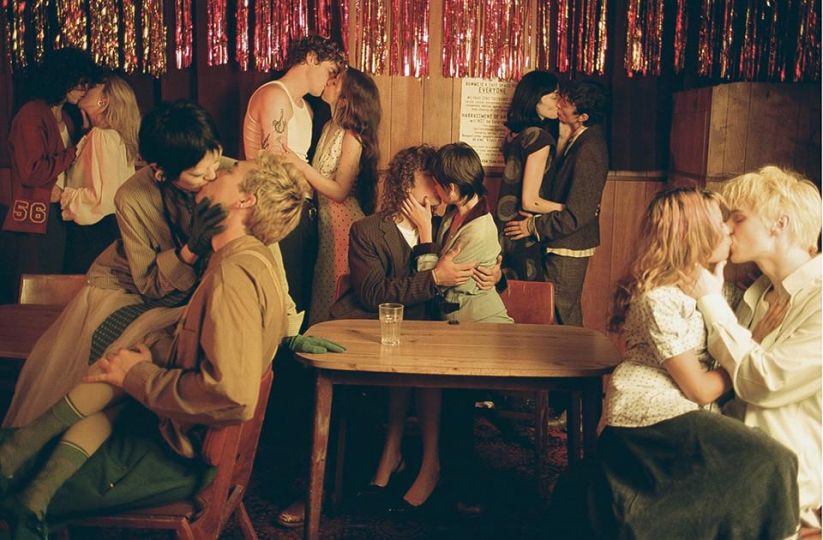
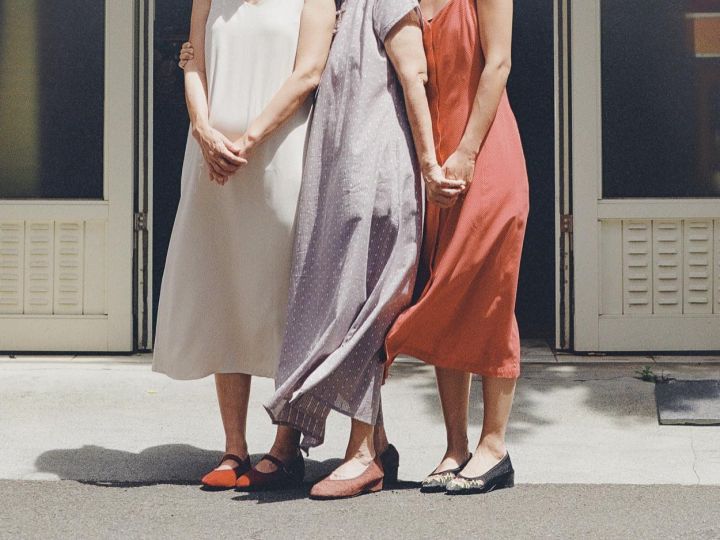
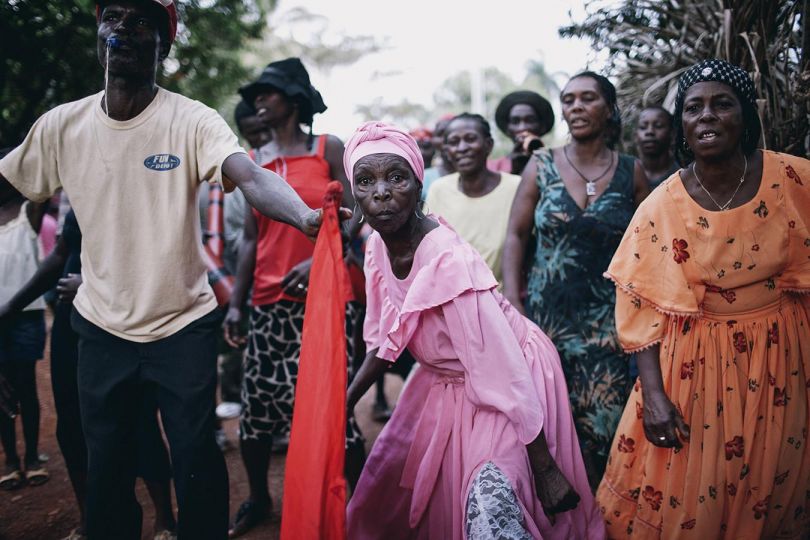
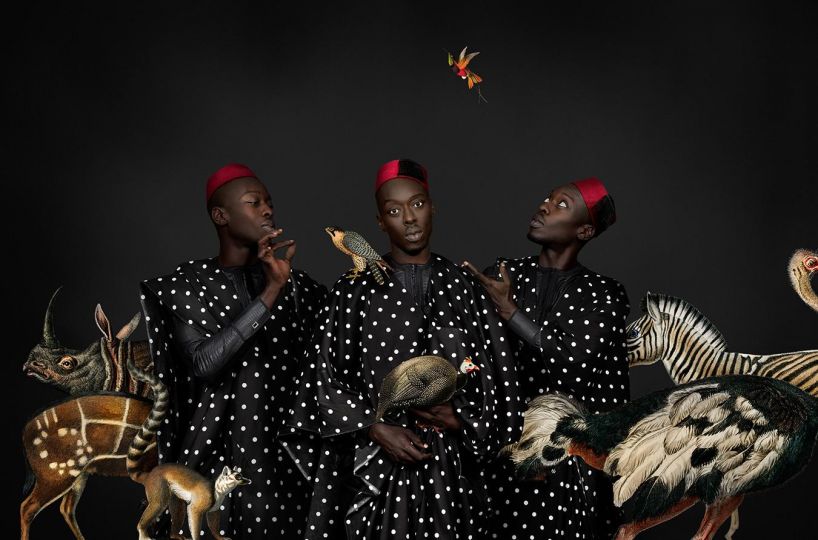
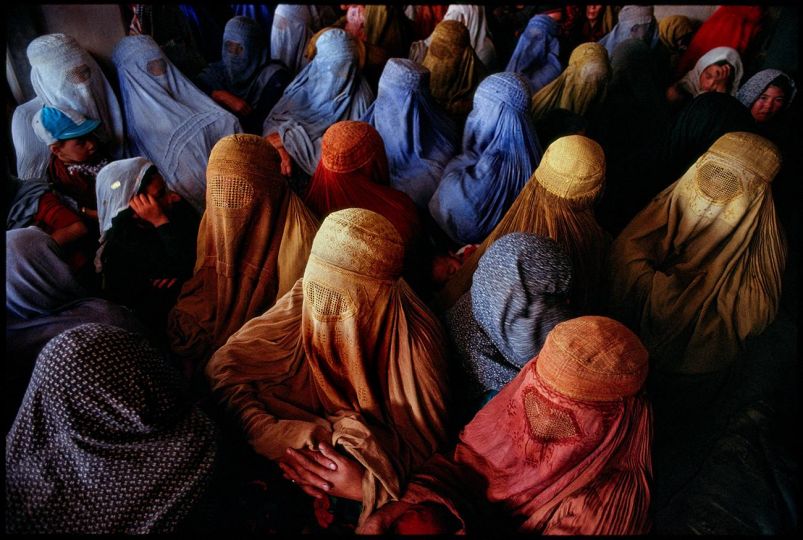
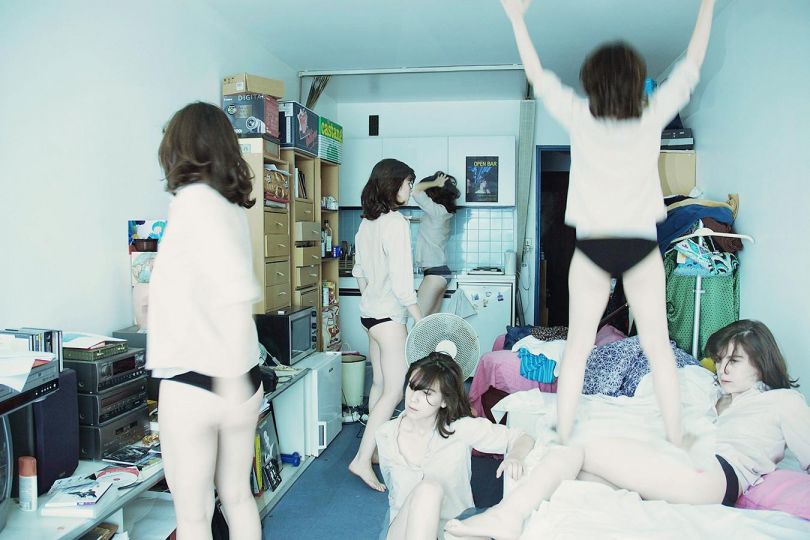
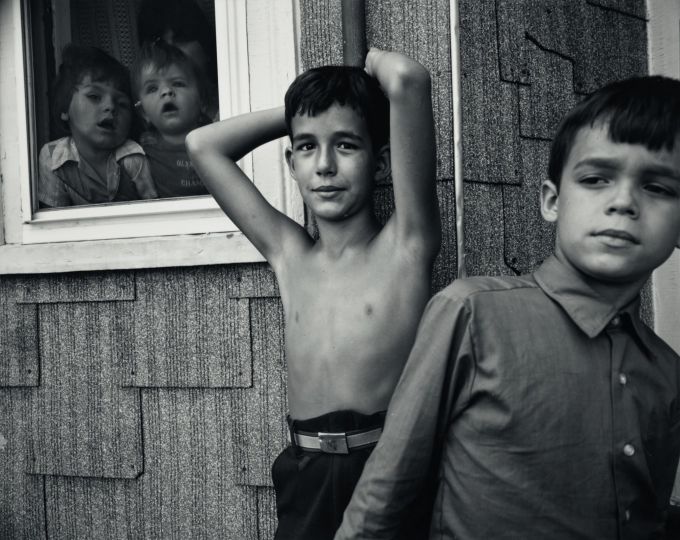
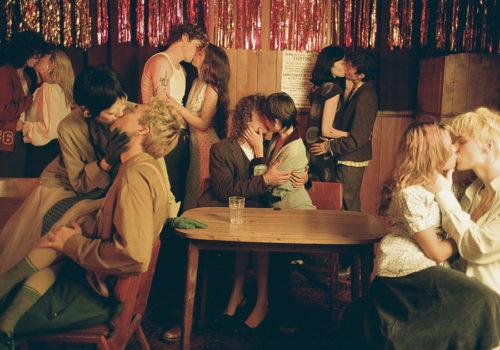
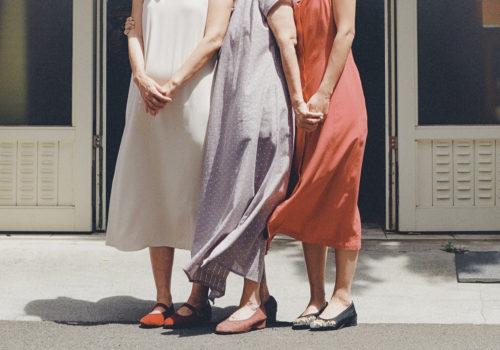
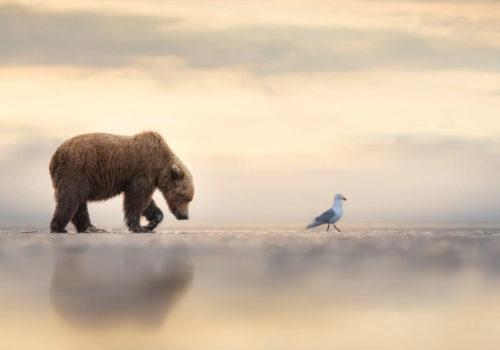
Franco-Canadian photographer and filmmaker Coco Amardeil, based in Paris, has developed over the years a singular body of work at the crossroads of documentary and mise-en-scène. Emerging from the world of fashion — from which she retains a sharp sense of light and composition — she has gradually freed herself from its codes to forge a deeply human visual language, where reality is infused with tenderness and quiet dreamlike tones. For Coco Amardeil, the camera is an instrument for exploring connection — to others, to spaces, to the present moment. Her images, often populated with anonymous faces, adolescents, or figures from urban subcultures, never seek formal perfection but rather raw emotion. The artist openly claims a fascination for “the beauty of accidents and imperfections”: an aesthetic of imbalance, vulnerability, and the almost. Her approach — which she defines as “artistic documentary” — thrives on the tension between observation and construction. Amardeil composes her photographs as one might weave a narrative: she observes at length, carefully selects her subjects, then invents around them a frame that reveals their fragility or their quiet strength. Her portraits oscillate between truth and fiction, between spontaneity and gentle choreography. The world she depicts is not that of fashion, though she came from it, but that of humanity in all its complexity — sometimes disenchanted, often luminous. Coco Amardeil’s visual universe belongs to a clear lineage — that of Tim Walker for narrative freedom, Nan Goldin for visceral honesty, and Peter Lindbergh for his celebration of authenticity. Yet her gaze carries a distinct subtlety: a way of translating silence, emptiness, or the suspension of a fleeting instant into palpable emotion. Whether she photographs a group of young people, a face in doubt, or a landscape marked by absence, Coco Amardeil consistently questions the individual’s place in an image-saturated world. At a time when photography has been democratized to the point of saturation, she defends an embodied, sensitive practice — one in which every image remains an act of presence.
Website : www.cocoama.com
Instagram : @cocoamardeil
Your first photographic trigger?
Coco Amardeil: When I was 21, I spent two months alone in Italy with my OM10. I took my first photos that I was truly proud of. The lab lost them, but that loss probably strengthened my bond with photography.
A photographic memory from your childhood?
C.A.: I would say it was my father. Ever since I was little, I watched him capture moments with his Kodak camera. He loved organizing family “slide nights.”
The camera of your childhood?
C.A.: My father’s Kodak Instamatic.
The one you use today?
C.A.: Hasselblad X-Pan, Canon 5D, Nikonnos, Sony.
The man or woman of image who inspired you?
C.A.: I’d say Tim Walker.
The image you wish you had made?
C.A.: There are too many!
Which photograph changed your world?
C.A.: A portrait I took of Yasmine Ghauri, early in her modeling career, inside a coffee sack. Thanks to that photo — which won first prize in Photo Magazine’s contest — I was able to stay in France and pay off my credit card debt.
What interests you most in an image?
C.A.: The subject.
What details do you look for in a face, a landscape, or an object?
C.A.: I love revealing the beauty of accidents and imperfections. I try to avoid anything that feels too smooth.
Elliott Erwitt said: “Color is descriptive. Black and white is interpretive.” Do you agree?
C.A.: No, because color can be interpretive too — as long as it differs from reality.
In your opinion, can technique ever outweigh emotion in photography?
C.A.: Emotion can exist without technique, but technique alone is never enough without emotion. Emotion gives life to an image; technique is only its language.
Is beauty in photography purely aesthetic for you?
C.A.: No, beauty isn’t just aesthetic — “ugly” can be beautiful, and beauty can sometimes be disturbing.
What elements can make silence visible in a photograph?
C.A.: Emptiness — whether in a face or a landscape.
Does the uniqueness of a photograph come from the moment or the staging? Can a photo be truer than reality?
C.A.: I don’t think we can generalize. A photo’s uniqueness can come from a spontaneous moment just as much as from a carefully crafted staging.
Can a photograph change our perception of an event?
C.A.: Yes, because a photograph is always an interpretation of reality. Every framing, every light, every mise-en-scène chosen by the photographer rewrites the world in their own way.
Is photography a testimony or a form of manipulation?
C.A.: It’s always a form of manipulation — conscious or not, positive or negative — as soon as there’s intention behind the shot.
What makes a good photo?
C.A.: I’ll repeat myself — it’s the ability to provoke emotion.
What quality do you think is essential to be a good photographer?
C.A.: The insight to see what’s “graspable” in any context.
How do you choose your projects?
C.A.: My projects tend to choose me. It usually starts with a kind of flash — a sudden intuition — then I assess feasibility.
My projects almost always revolve around groups or subcultures that I like to document in my own way, with both an artistic and human gaze.
I like to define my approach as a form of “artistic documentary.”
How would you describe your creative process?
C.A.: My creative process takes time because it depends on finding the right people. I like to meet them in their environment — or sometimes elsewhere. I explore, observe, search for the right casting, and gradually imagine the staging and story I want to tell.
An upcoming project that’s close to your heart?
C.A.: That’s still a secret 😉
The person you’d love to photograph?
C.A.: Pedro Pascal — because I have a crush.
The person you’d like to be photographed by?
C.A.: Peter Lindbergh, but sadly he’s no longer with us.
An essential photography book?
C.A.: Peter Beard’s two-volume book — I love his exotic universe mixing photos, texts, and drawings, inhabited by jungle animals, celebrities, and models.
The last photo you took?
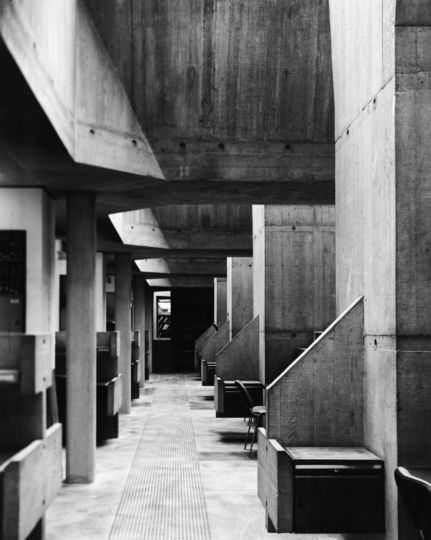
C.A.: A picture of an astonishing building in Fontenay-sous-Bois.
On social media, are you more Instagram, Facebook, or TikTok — and why?
C.A.: Instagram, because it’s where I can share my work, get inspired, and stay connected with other creators.
What has changed in photography since the rise of social media?
C.A.: The image flow has exploded; quality has become diluted — but photography has opened up to everyone.
An Instagram account everyone should follow?
C.A.: @Jackdavisonphoto
What’s your opinion on AI?
C.A.: I appreciate AI when it’s guided by a real idea and genuine creativity. But I dislike how it feeds on all our images to exist.
Color or black and white?
C.A.: Color — I can always convert it to black and white if needed.
Natural or artificial light?
C.A.: I like adapting to existing light and creating light that interacts with the subject.
The city, country, or culture you dream of discovering?
C.A.: Japan!!!
A place you never get tired of?
C.A.: In the water — ocean, river, lake, or just a bath — it’s where I always feel good.
The image that represents the current state of the world to you?
C.A.: Sadly, the two images that come to mind are a photo of the devastation in Gaza and Trump’s face.
What’s missing in today’s world?
C.A.: Hope, justice, gender and racial equality, empathy, communication.
If God existed, would you ask Him to pose for you or take a selfie with Him?
C.A.: I’d ask Him to pose casually, in daylight — to demystify His reputation.
Your favorite drug?
C.A.: Who’s reading this questionnaire?
Your best way to disconnect?
C.A.: Spending time with my dog.
Your greatest professional extravagance?
C.A.: I photographed a Harley-Davidson raid across Morocco with my Hasselblad X-Pan while riding a Harley myself — an experience somewhere between adrenaline and madness.
A job you’d never want to do?
C.A.: Slaughterhouse worker.
The last thing you did for the first time?
C.A.: Swam with mermaids.
Your biggest regret?
C.A.: Not going to art school at the start of my career.
If you could start over?
C.A.: I would have studied filmmaking alongside photography.
If I could organize your dream dinner, who would be at the table?
C.A.: Viviane Sassen, Isabelle Huppert, Marina Abramović, Ricky Gervais, Nan Goldin, Xavier Dolan… and so many others.
What would you like people to say about you… afterward?
C.A.: That my being or my work brought them something good and/or inspired them.
The one thing people absolutely need to know about you?
C.A.: I bark as well as a dog.
One last word?
C.A.: Click!