Irrawaddy, River of Illusions
I carried with me the first introductory lectures on this mysterious country:
George Orwell, Norman Lewis, Joseph Kessel—invaluable to understanding it, despite the different eras.
Rulen by a military junta, General Than Shwe ruled the country with an iron fist; the Myanmar Tourism Board called on tourism officials to limit “unnecessary contact” with foreigners. Burma wanted to present a credible image and hide its dark side by restricting access to certain regions; in reality, a semblance of credibility, an image of appeasement for its conscience.
For twenty-four years, I made more than seventy trips there, exploring the places accessible according to government policy, discovering some, more secret, while others were closing down. A journey through time and reforms.
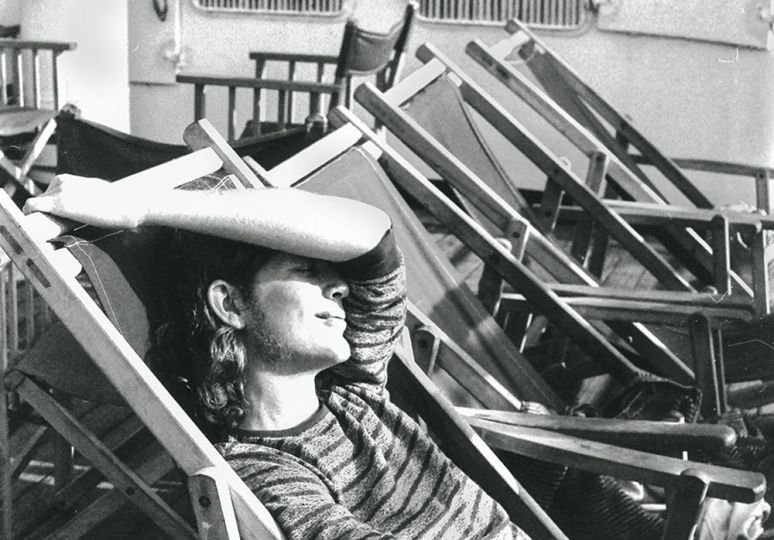
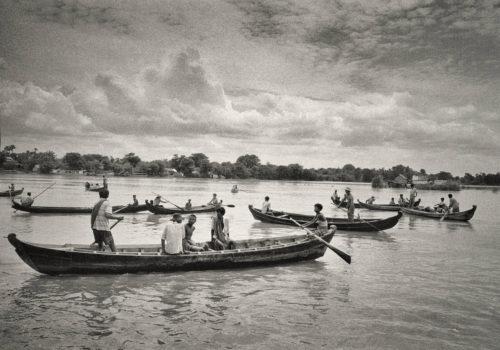
Foreign embassies at the court of Ava in the 19th century left behind numerous accounts, notably those of Captain Hiram Cox, Henry Yule, and Michael Symes. All traveled to the capital by river. I decided to follow in the footsteps of my predecessors, navigating the various rivers. The Irrawaddy, the main artery for the spread of cultures, Buddhism, trade, and wars; the Chindwin, the border with India; the Salween, the “angry river,” which flows along the Chinese coast, the second longest river after the Mekong, and some of its tributaries. From temple courtyards, I transferred to the decks of boats. A different perspective of the roadside unfolded before me, a journey out of step with time, at the crossroads of encounters and shared experiences, a shift that only timelessness can absorb. Living space creates the bond, we adapt, we adopt each other, a nonchalance that we accept like a new skin in a more intimate environment.