Temporary Land
From Valleys to Heights : Pastoral Hues, A Shelter in Exile
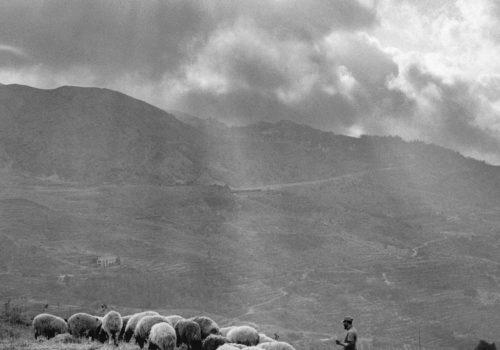
Lebanon, November 2025 — In Sanine, a Christian village in the mountains about an hour from Beirut, two families herd flocks of goats and sheep. Originally from rural areas near the Syrian city of Raqqa, these shepherds work for a Lebanese herder, moving between plains and mountains with the changing seasons.
Hannan, his brother Azam, and their families fled the fighting and crossed the border at the start of the war. Arriving in Lebanon in 2011, they, like many refugees, face racism, exploitation, and constant uncertainty, caught between the hope of finding stable living conditions and the fear of deportation to a country where they
still do not feel safe.
In the Lebanese mountains, agriculture endures thanks to these underpaid workers, who have preserved ancestral values and knowledge: pastoralism. Herders and shepherds work together to feed their flocks and, through careful grazing management, sustain resources for the years ahead.
Today, conflicts, displacement, and political divisions threaten these age-old practices. Agriculture, once a unifying force and a means of exchange, is no longer enough to connect divided peoples, and this fragmentation is accelerating the degradation of Mediterranean ecosystems.
Through their movements across the mountains, a complex relationship with the land emerges—one that is both a refuge from the violence of war and a source of discrimination. As Syrians, they are geographically and culturally tied to the Mediterranean basin, yet their refugee status keeps them at a distance from a land that
should feel familiar.
These photographs were taken between May 2024 and November 2025, over the course of three trips, against the backdrop of the persistent conflict between Hezbollah, Israel, and Lebanon—a crisis embedded in a broader regional struggle with multiple stakes.