The Prairie Colorado
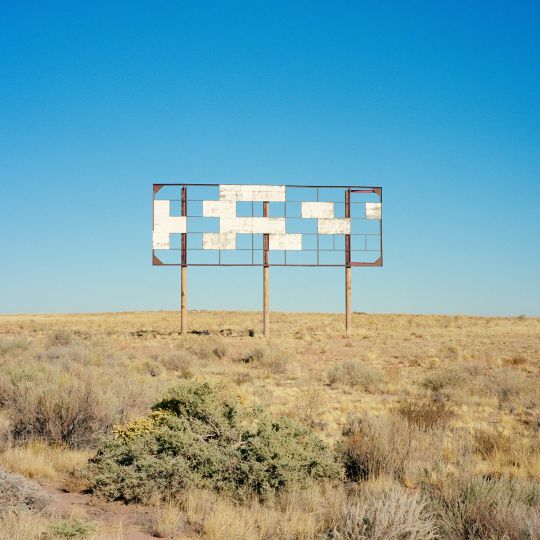
There is another Colorado, the Colorado that doesn’t make it into movies, beer commercials or ski resort promos: The Prairie Colorado. Falling east from a line approximating the north-south path of US Interstate 25, roughly forty percent of Colorado consists of prairie grasslands—and not many people. Place names remain in historic records but the original inhabitants, whether indigenous or immigrants, have moved on leaving only faint evidence of ever having occupied the region.
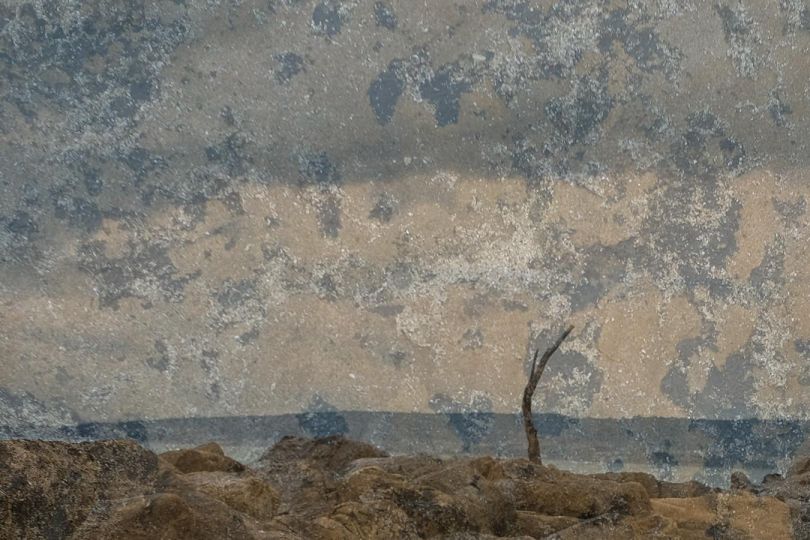
The prairie can be harsh, brutal. The wind can be relentless. There is a visceral sense that you are standing on nothing more than the surface of the earth. Your life is lived entirely within in a vertical range of 12 feet. You reach up to the sun with your corn or wheat but can never affect anything more than 6 feet above surface. You scratch down into the earth to build a home, seek water, place your seeds, and eventually end up 6 feet below when you die. All the while nature uses her weapons of heat, cold, wind, dust and drought to scrape you away, erasing any sign of your having ever been there.
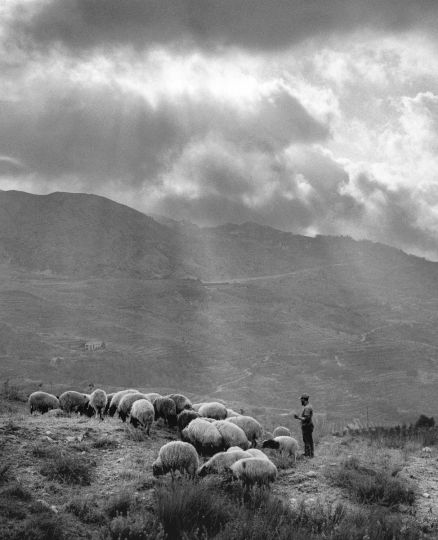
The Native Americans, who for centuries moved about the prairie following water, weather and great herds of bison, lived in homes that were mobile out of necessity. By contrast, the post-European (American) ‘settlers’ struggled to establish permanent communities in a land that offered no promise that it could be counted on as a reliable place for habitation. In most instances those tenuous settlements withered and disappeared without the vitality delivered by abandoned railroads and by travelers opting for modern expressways.
On the prairie, more than just the buffalo roam.