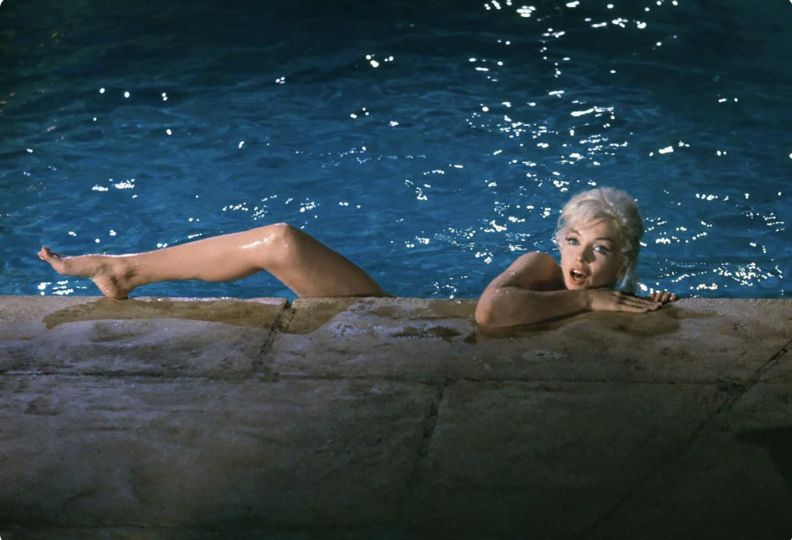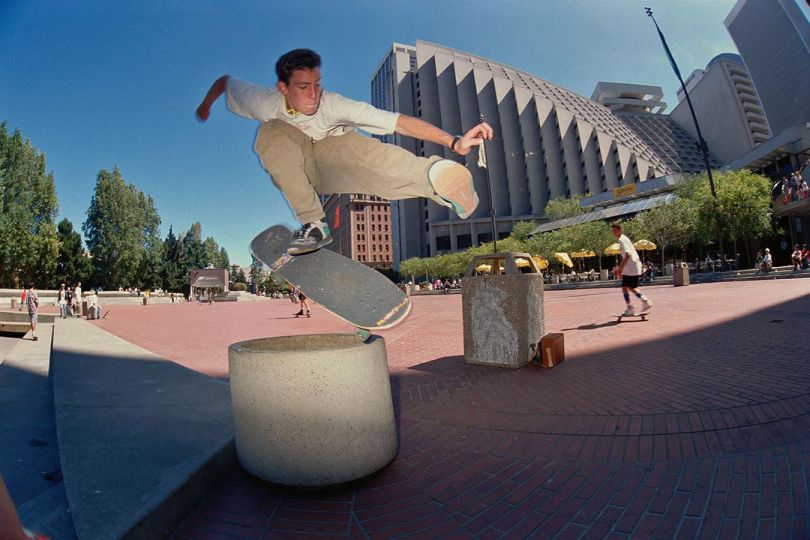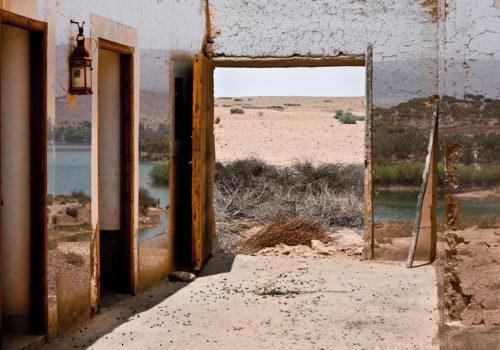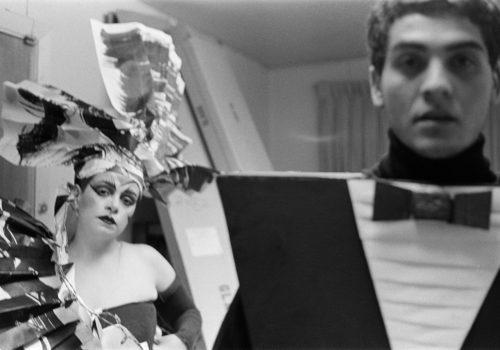
Experimental photography is rarely practiced collectively, but with EeZ0 it finds a meeting ground for five distinct voices. The group asserts a dialogue between clearly defined artistic approaches without diluting individual singularities. After two exhibitions and a third on the horizon, EeZ0 is also beginning a residency in a shared space in order to further develop this emerging collaboration.
How did you come together around this new collective, EeZ0?
Emilio Chiofalo: With Tomás, we had launched a series of events dedicated to experimental photography called Lumières libres. For the occasion, we conceived an exhibition and invited three artists who became members of the collective. The collaboration came naturally, like an artistic love at first sight. The exhibition was titled État zéro. This title led to the name of the collective, Élément zéro, which we now call Eez0.
Julie Laporte: For this first exhibition, we presented individual works while also searching for a common thread. The challenge was to create a dialogue between our approaches in order to build a coherent whole without erasing our singularities.
Benoît Lefeuvre: The idea of the “zero degree” suggested that pivotal moment that is both the beginning of one cycle and the completion of another. This notion perfectly matched the birth of the collective.
There are few examples of collectives devoted to experimental photography. What has been your experience of working collectively?
Tomás Amorim: I work within a studio environment. This experience has made me familiar with that kind of dynamic: sharing a common space, confronting ideas, observing the processes of others. Within EeZ0 we found ourselves among artistic approaches that were close to one another. I probably brought this habit of collective work with me when we founded the group.
Benoît Lefeuvre: In 2017 I co-founded an experimental music label. Self-production, finding venues, organizing events… These are experiences that teach you how to build things together and enrich artistic practices.
How did you move from that first exhibition, which marked the beginnings of Eez0, to Afterglow, your first exhibition as a collective at Galerie Porte B?
Benoît Lefeuvre: I regularly collaborate with Galerie Porte B, which had already presented my work at the Approche fair. I suggested developing a collective project there. The gallery pays particular attention to experimental practices, so the context was ideal. Working collectively also makes it possible to broaden perspectives, share networks and imagine more ambitious projects.
Emilio Chiofalo: Afterglow refers to the lingering glow after sunset. This image echoed our research on light and processes that unfold over time, sometimes over several months before producing an image. On the occasion of the bicentenary of photography, it was also a way of questioning the evolution of the medium by creating a dialogue between historical techniques and contemporary tools, including artificial intelligence.
What are your feelings at the end of this first collective exhibition?
Emilio Chiofalo: We are very satisfied with what we presented. The feedback was abundant, often demanding and sincere, including from professionals. The exhibition gave the collective real visibility and opened up new perspectives. We will continue this momentum with an exhibition from April 2 to 19 at Plateforme, conceived as an extension of Afterglow.
How do you work together?
Emilio Chiofalo: Our organization remains flexible and adapts to everyone’s availability. A very active WhatsApp group allows us to exchange continuously, and we meet whenever possible, sometimes all five of us, sometimes in smaller groups.
Julie Rochereau: Ideas circulate quickly, around a coffee or remotely. For Afterglow, we visited each other’s studios to present our research. The exhibition design was developed in situ, in dialogue with the gallery. We do not yet have a shared space, but it is something we would like to develop. A residency at La Capsule will give us the opportunity to experiment with that.
Emilio Chiofalo: I have been in residence at La Capsule for more than a year, and the birth of the collective took place within this context. The director suggested organizing a collective residency there, with an exhibition scheduled for October.
Tomás Amorim: At first, the aim is not necessarily to produce works together but to share a common space and time. Being together allows us to absorb each other’s gestures and processes, to observe the work as it unfolds.
Benoît Lefeuvre: We are still in a phase of mutual discovery. We are gradually strengthening our connections and building bridges between our practices.
Julie Laporte: We each have our own singularities and we also want to preserve them in our practices. Creating together means building bridges, stimulating one another, creating a sense of effervescence, drawing nourishment from each other’s work and moving forward together.
More information