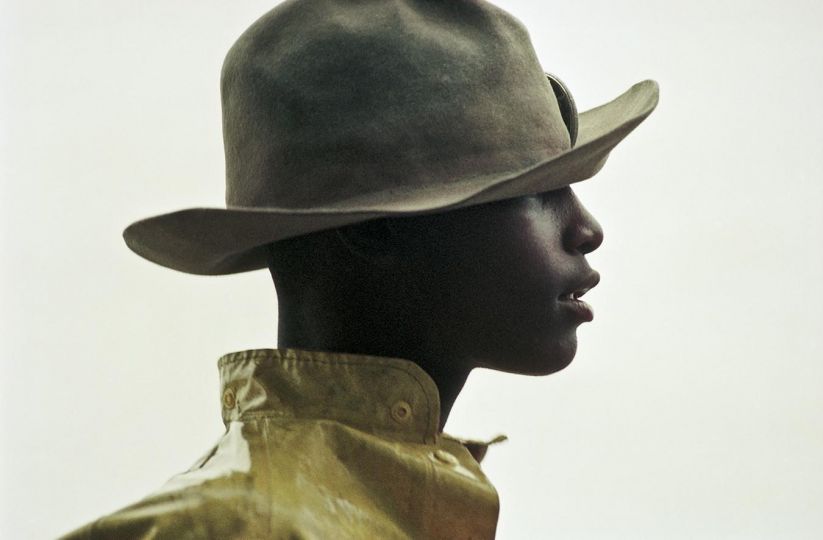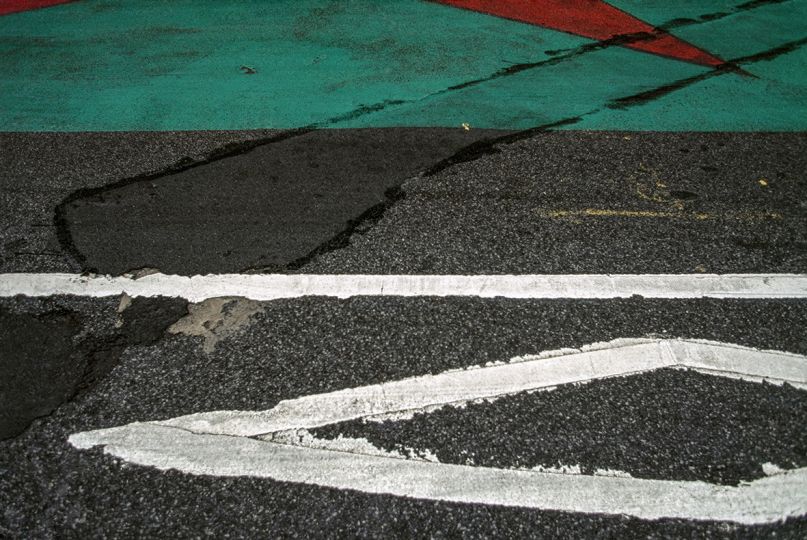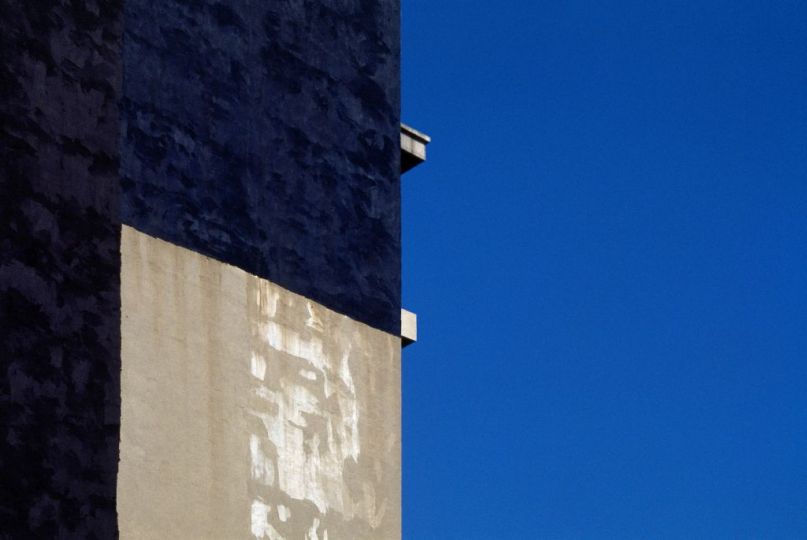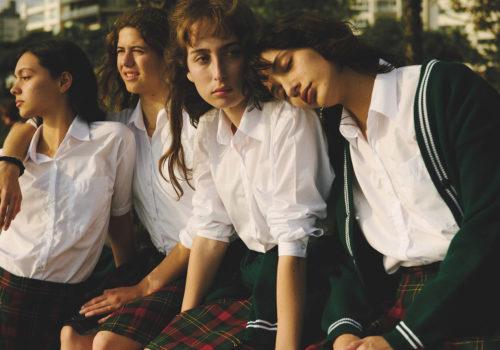
Sitting in a café near Tokyo Station, Yuka Takasu put a suitcase full of photobooks on the table. As she takes them out one by one, the Nagoya-based artist reveals her multifaceted world: photography, design, handmade publishing and a fascination with paper.
“I’m not so much looking to show a single, spectacular image. For me, a photo book and an exhibition always go hand in hand. I’m constantly creating both simultaneously,” explains Yuka Takasu. She is currently working on a new book designed to echo her recent exhibition Re-membering the Temporal Fragment, presented in April as part of KG+, the satellite festival of Kyotographie. Her cross-disciplinary approach to the image is undoubtedly a legacy of her first profession. For before becoming a photographer, Yuka Takasu was a graphic designer. “I like to construct an experience through a series of images. Perhaps that is what sets me apart from other photographers,” she continues.
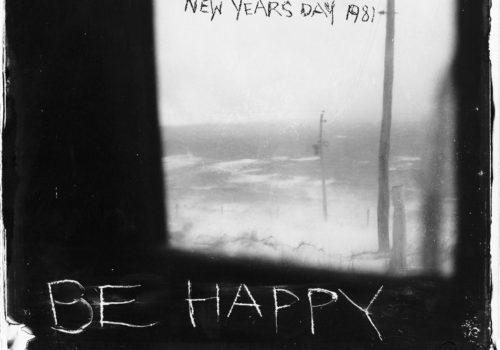
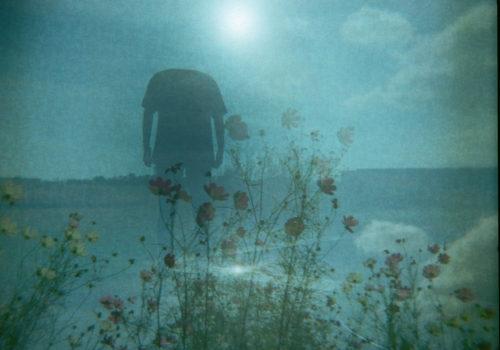
Her photographic practice took shape during a trip to Scandinavia. “I put together a book from all the photographs I took on that trip, and it won a special jury prize in the Fujifilm Photobook competition. That’s when I thought to myself: ‘Perhaps photography is the right path for me.’” ” Since then, she has cultivated a particular attention to ordinary moments. “As I walk, I notice small, strange or intriguing things: an anomaly, a broken object, a detail that seems slightly out of place in the ordinary landscape. It is often from these subtle dissonances that my ideas are born,” she confides.
The memory of materials
This collection forms a veritable tactile library from which the artist draws inspiration for her projects. In exhibitions where she designs the scenography herself, she engages in a wide range of experiments: printing on aluminium foil, crumpled paper, or various textiles. The medium then becomes an integral part of the work. But what interests her most are materials that change over time. “Paper that rusts, for example, or materials that transform with age. A photograph exposed to the sun eventually changes colour. There are also inks that react to the touch. I find the idea of printing photographs on media or using processes that continue to transform after their creation fascinating,” enthuses Yuka Takasu.
The photo book
Her obsession with physicality is also evident in the photo books she designs herself. Among them is *Vladivostok*, a book made entirely by hand, which she carefully takes out of her suitcase. Each page evokes a different sensation: a grain, a thickness, a texture. The book becomes as much a physical experience as a visual narrative. Born out of a trip to Russia, the book immerses the reader in a succession of landscapes, memories and wanderings. “With books, it is precisely because we are physically within this object that we can have certain experiences and become aware of certain things. That is why I like to use different materials.”
At a time when images circulate ever more rapidly and are consumed on screens, Yuka Takasu chooses the opposite path. She slows down the gaze, gives weight to the photographs and reminds us that an image is also an object, capable of ageing, transforming and preserving, in its very material, the memory of time.
More information