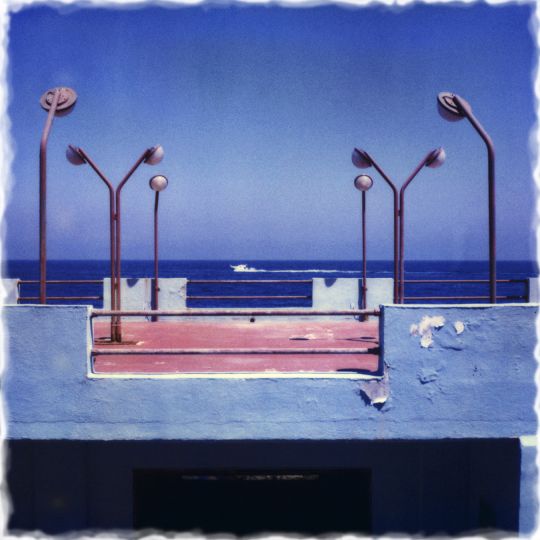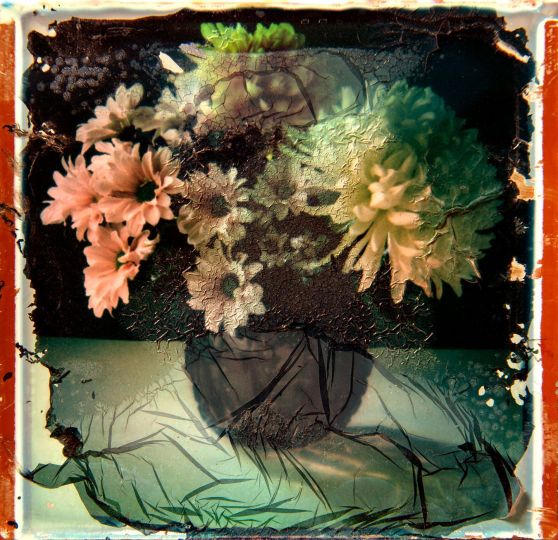

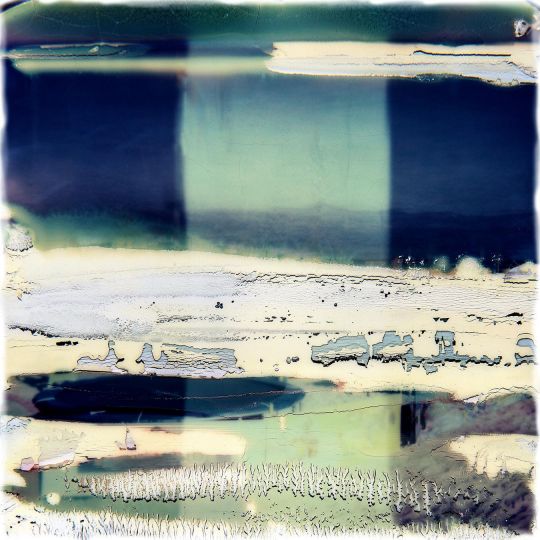
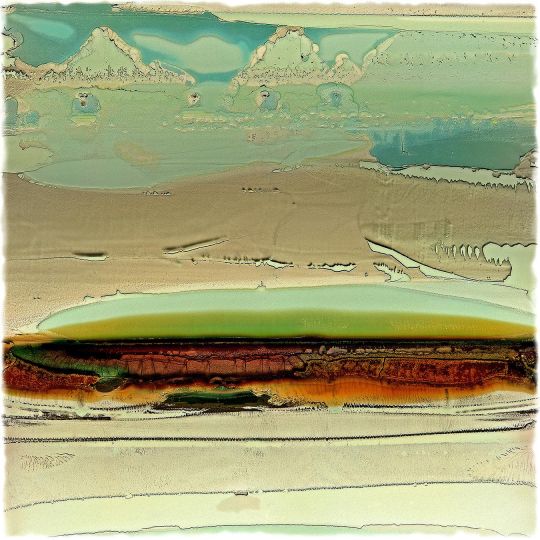
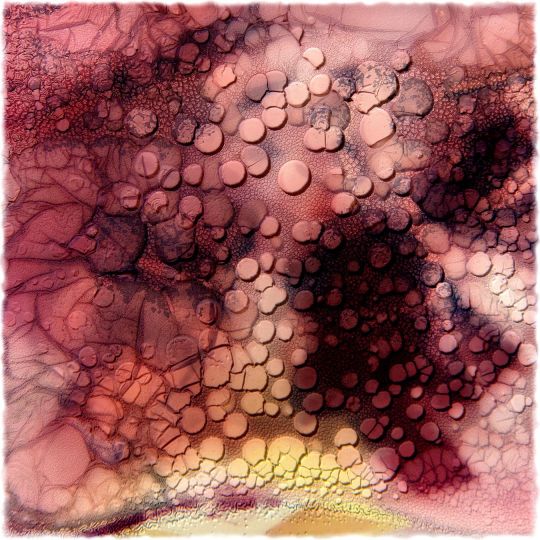


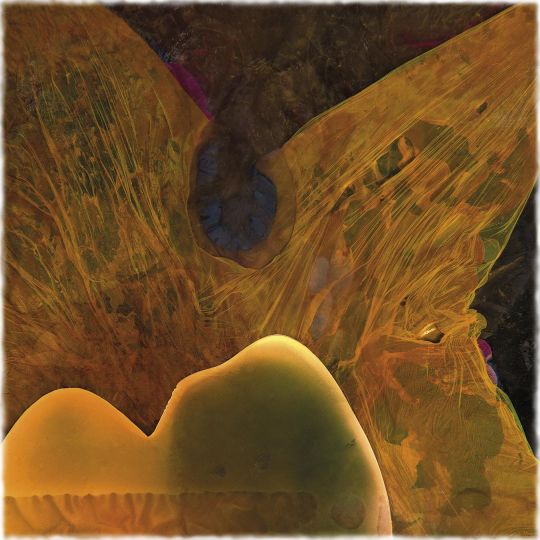

The advent of digital photography in the early 2000s opened a new chapter in the work of artist Alain Guillemaud, who had been working with analog photography and Polaroid since the mid-1980s.
For the artist, technical perfection, now pushed to its extreme with the rise of artificial intelligence, and the possibility of correcting and smoothing everything, ultimately produces images that are dull, stripped of texture and deprived of surprise. In response, he chose to reintroduce accidents and an element of chance into his work. Whether accidental or deliberately provoked, these disruptions became a genuine field of exploration, opening the way to experimentation with new gestures such as soaking, drying, waiting, altering, transferring and starting over, as well as with new forms of materiality.
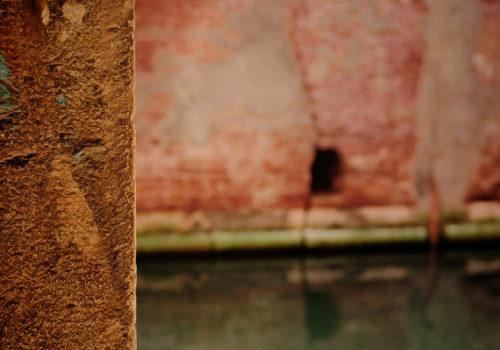
Modestly titled Accidents, the works produced largely throughout the 2010s and 2020s extend this reflection, at times approaching radical abstraction. Far removed from any spectacular display, these images, sometimes small in scale, sometimes enlarged and printed on large-format Canson paper, cultivate a form of controlled instability, a refined art of fluctuation that marks a turning point where photography ceases to be a faithful representation of reality and becomes instead a sensory experience. The artist embraces the possibility of failure, and even the disappearance of the image itself, as an integral part of the process. “I transform, I soak, I dismantle… I let the Polaroid age, I expose it to sun or cold, and I observe,” he explains. In contrast to the logic of perfectly controlled images, he favors a more fragile materiality: colors that shift toward yellow, slightly altered surfaces and textures that verge on painting. It is a deliberately artisanal gesture that distances itself from the standardizing tendencies at work in certain contemporary photographic practices.
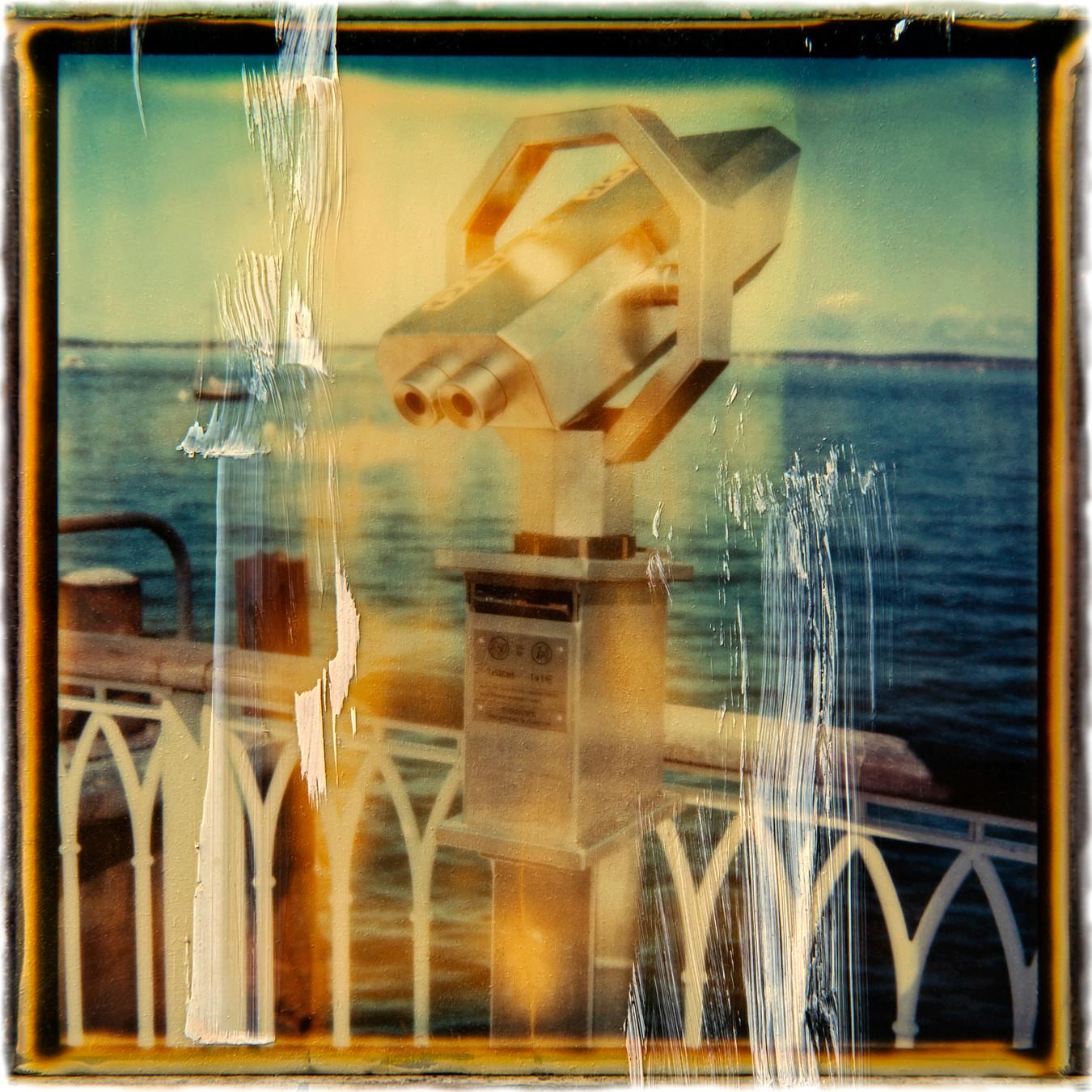
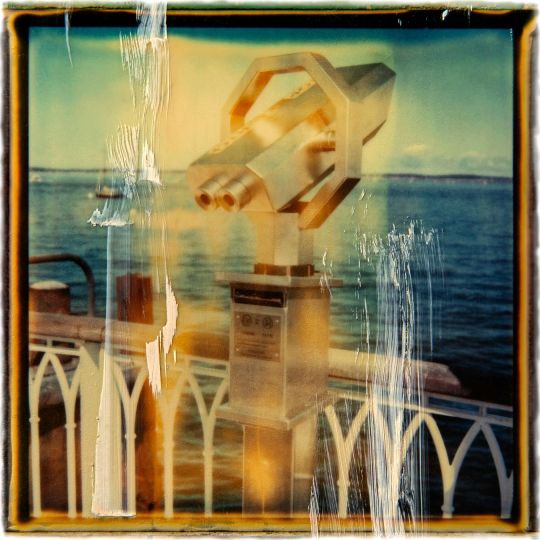
Among Alain Guillemaud’s many experiments, a photograph ironically titled Point de vue (2015, Polaroid SX70) exemplifies this approach. The chemical drifts of the support, dominated by yellow tones, produce unexpected textural effects that subtly blur the readability of the motif. At its center, a telescope directed toward the sea functions as a genuine mise en abyme of vision, questioning the very conditions of perception: what do we really see, and what remains beyond the frame?
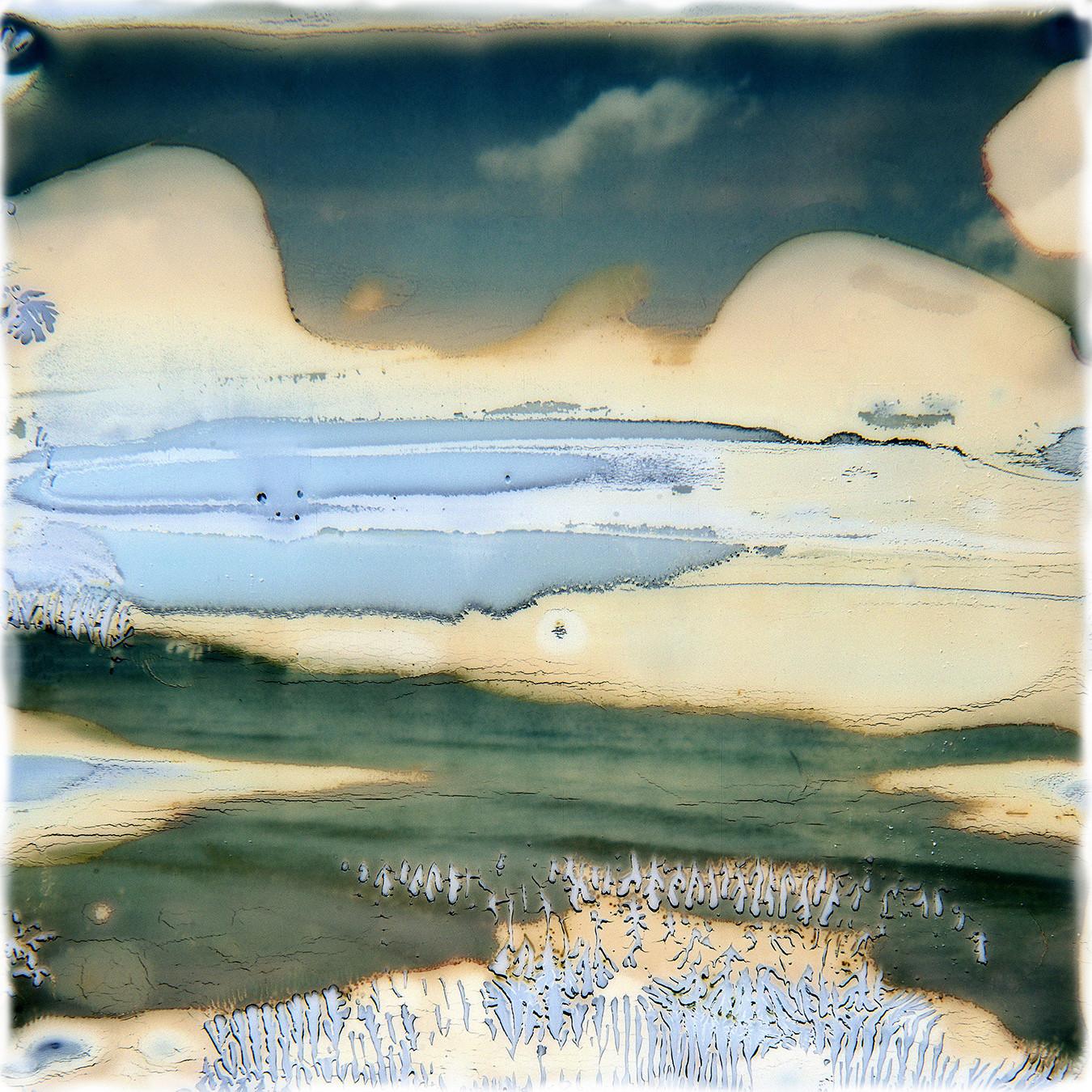
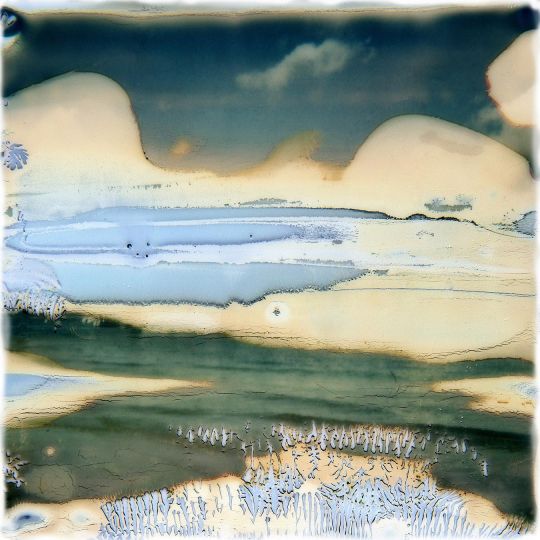
In another Polaroid with yellow, green and blue tonalities, Accident 3, Arcachon (2008, Polaroid SX70), the maritime landscape remains faintly perceptible. The attentive viewer can still discern a few boats emerging in the distance, while the image gradually invents its own materiality and its own universe. Colors and traces of gesture take precedence over the subject in an expressive freedom that is almost Fauvist. Here one finds the artist’s recurring constants: a fascination with shorelines, a predilection for blue, and the coexistence of reality and imagination.
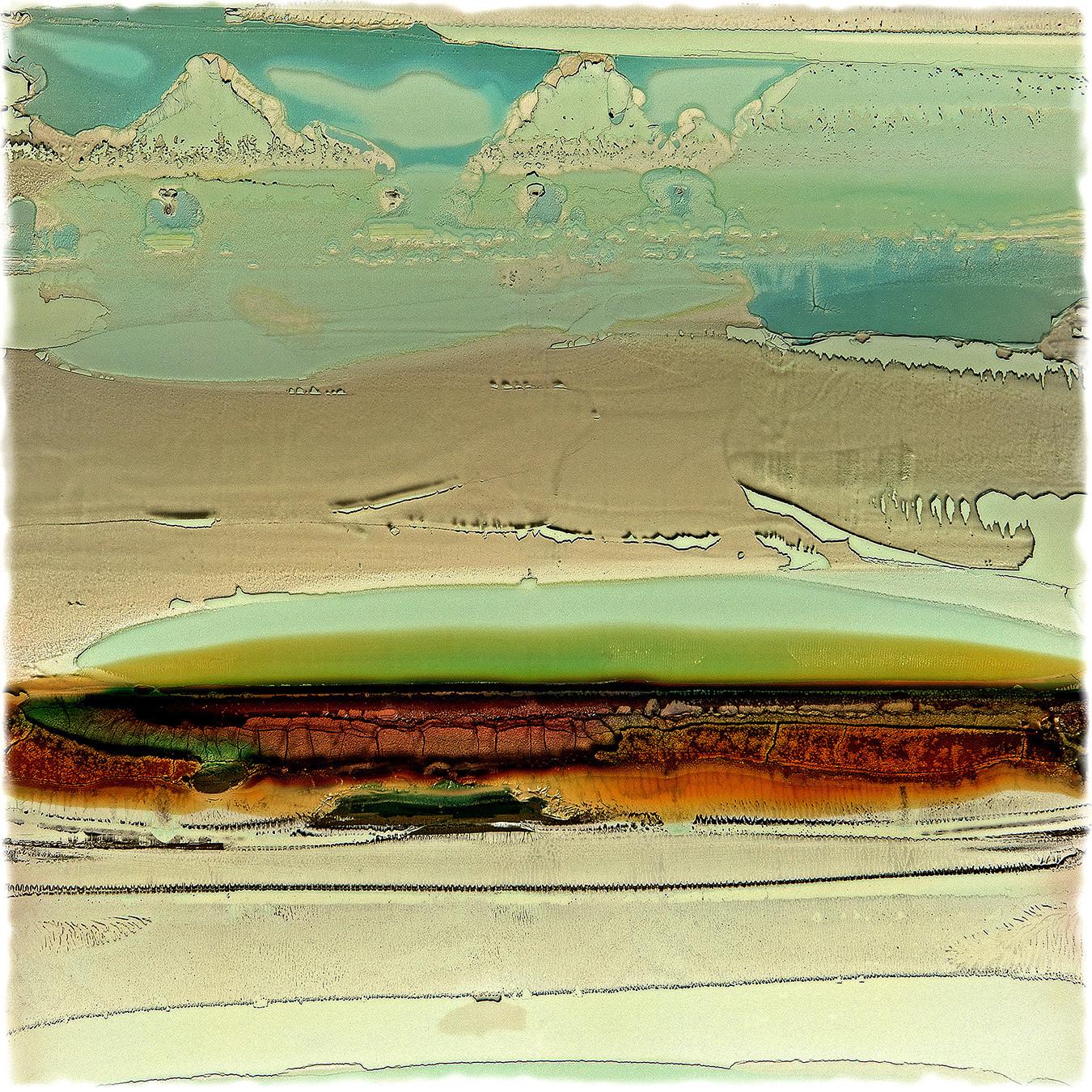
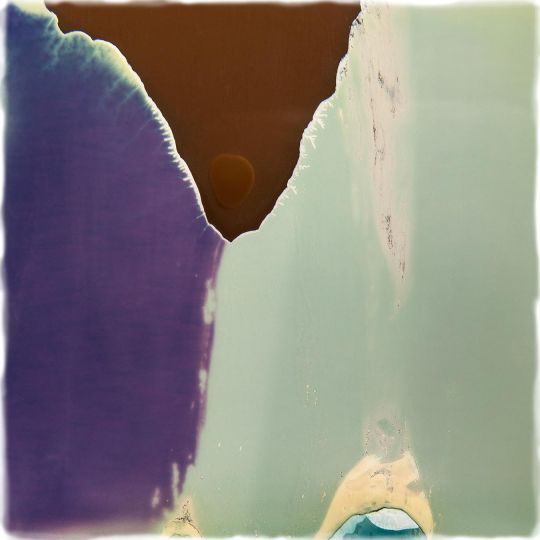
Another image, entitled Total Crash (2015, Polaroid SX70), pushes this logic even further. Produced from expired film, it almost entirely frees itself from reality. The motif dissolves into a colored surface of violet, reddish-brown and turquoise, as though the photograph now referred only to itself. Through the alteration of the motif, the Polaroid shifts toward an abstraction akin to American Abstract Expressionist painting, marking a point of rupture in the photographer’s work. The image no longer merely documents the world, but its possible disappearance, while opening the way, perhaps, to another imaginary.
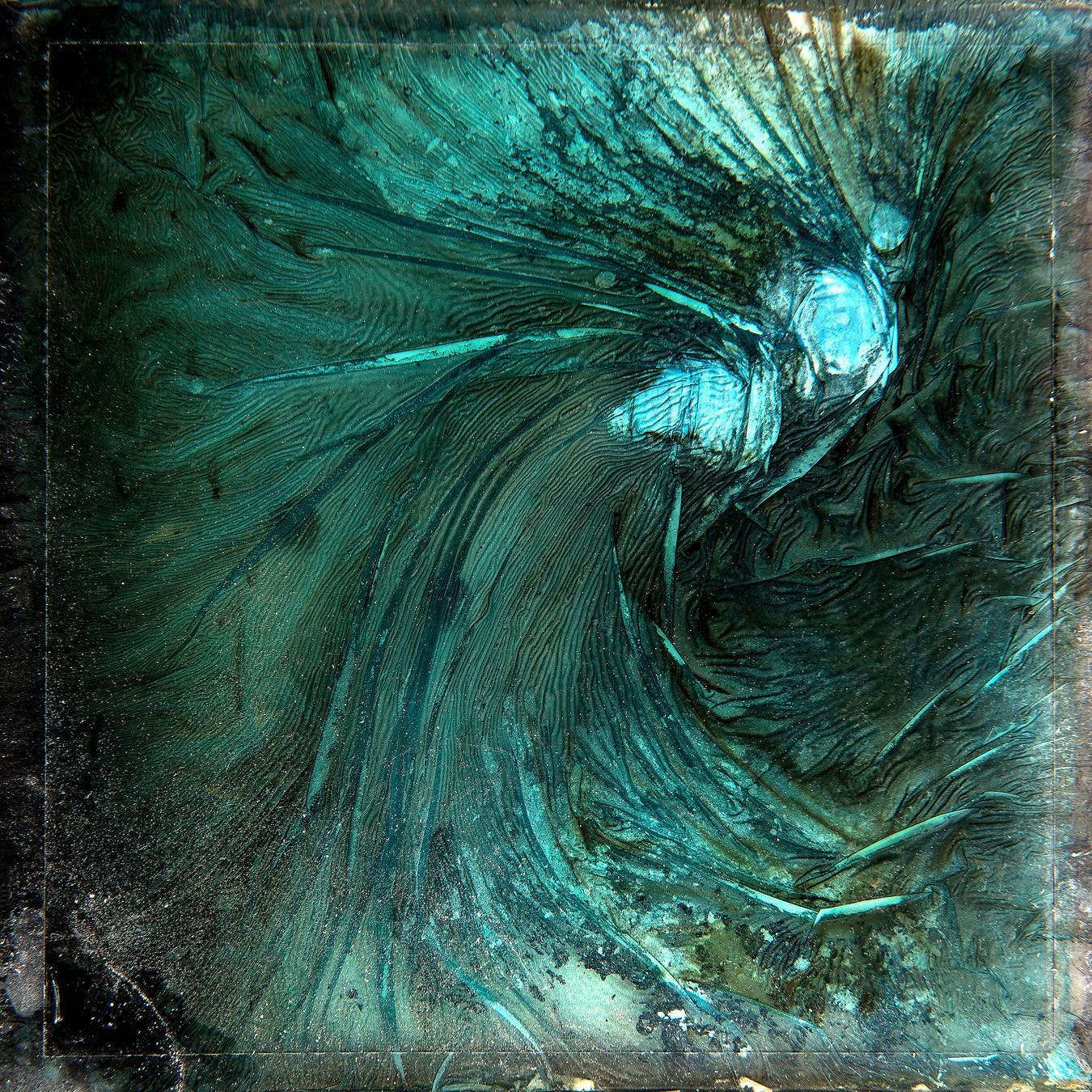
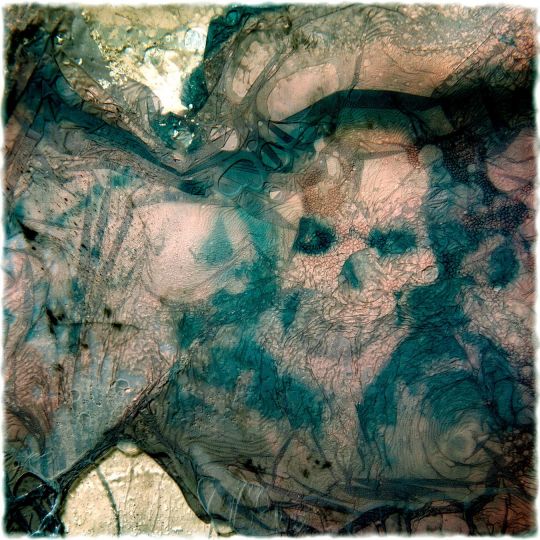
A more recent experiment conducted in 2025 from a photograph initially deemed a failure once again fully illustrates this approach. Taken on the edge of a dried riverbed, facing a wall covered in graffiti, the Polaroid was submerged in water by the artist for several days. The combined intervention of chance and chemical reactions erased almost everything, except for the persistent image of a skull. This survival echoes both Alain Guillemaud’s still-life series and the vanitas paintings of the Renaissance, with their memento mori. Balancing lightness and gravity, the final image, humorously titled Quand la mort nous sourit (When Death Smiles at Us) (2025, Polaroid SX70), ultimately reveals the full power and depth of this inventive artist’s work.
Julie Noirot