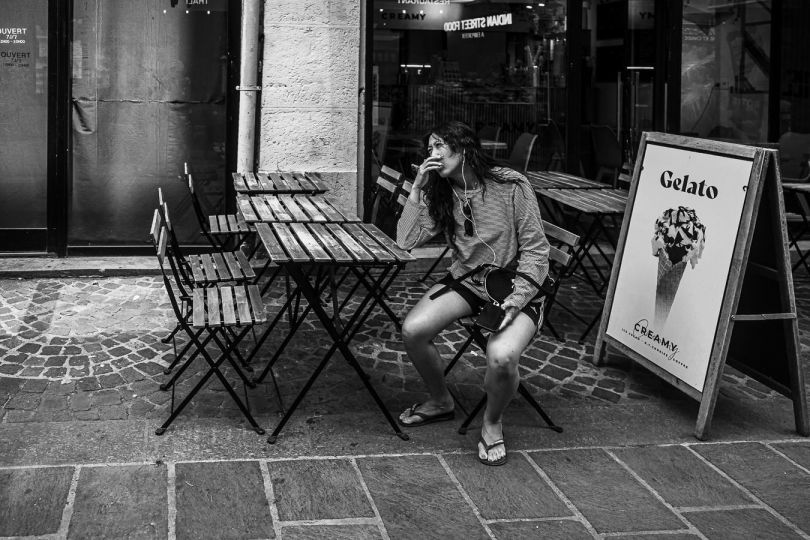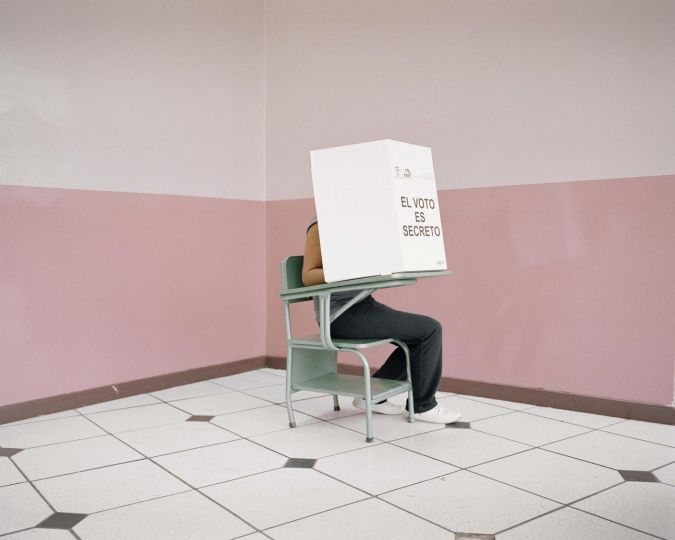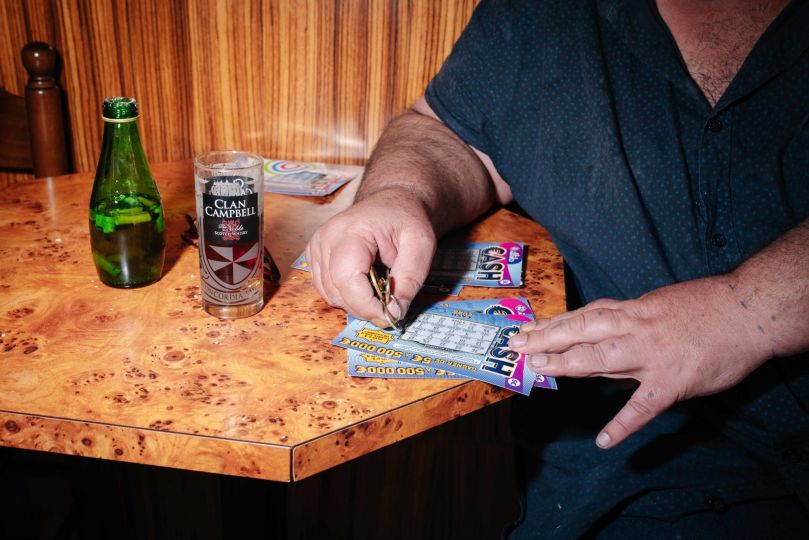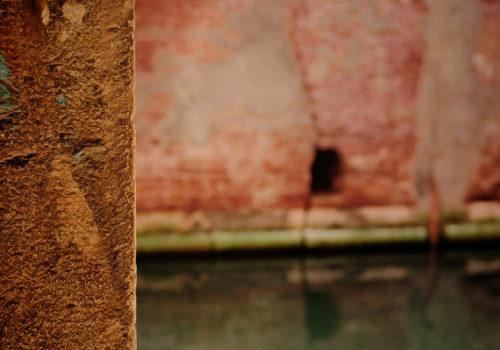












Marking the bicentenary of photography, the exhibition Instants Polaroïd invites visitors to discover the unique and multifaceted world of photographer Alain Guillemaud (born in France in 1961) through his distinctive use of instant photography. Used as a tool for experimentation, memory and sensitivity, it plays a key role in the photographer’s artistic process.
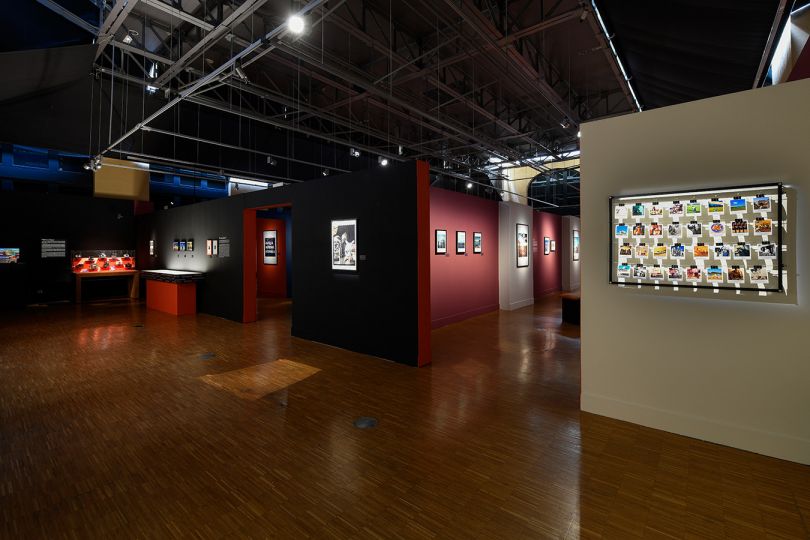
The exhibition is organised into various thematic sections, punctuated by a variety of creative ‘moments’ (‘capture’, ‘create’, ‘stretch’, ‘provoke’), conceived as entry points into the image. An introductory section is devoted to the photographer’s advertising work, as he began his career in 1986–1987 at major studios in Lyon. Deliberately plunged into semi-darkness, the exhibition layout presents a multitude of original slides and Ektachromes—testaments to the film era—displayed in display cases or on the walls, or projected onto screens. Removed from their original context, these commercial images are revealed here in their full glory thanks to the backlighting, which lends the whole an immersive atmosphere whilst recalling the constraints of commissioned photography, the origin of Alain Guillemaud’s artistic approach.
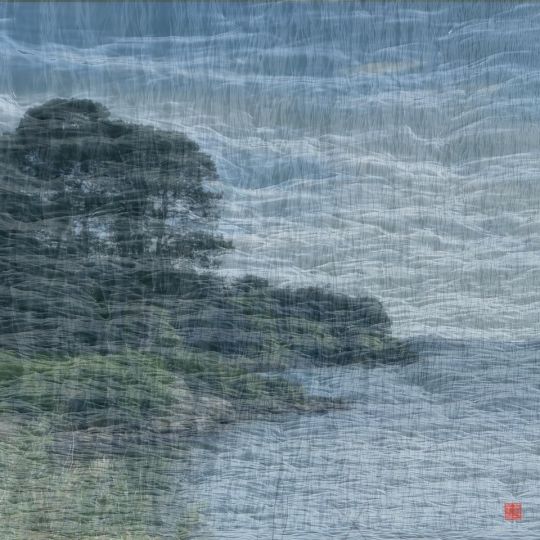
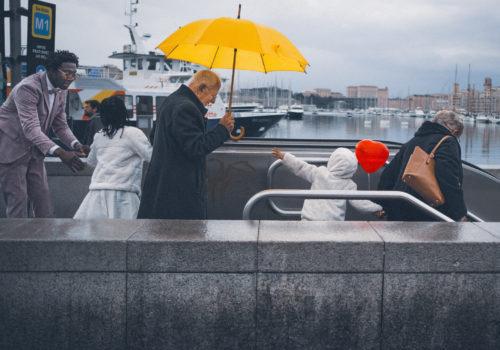
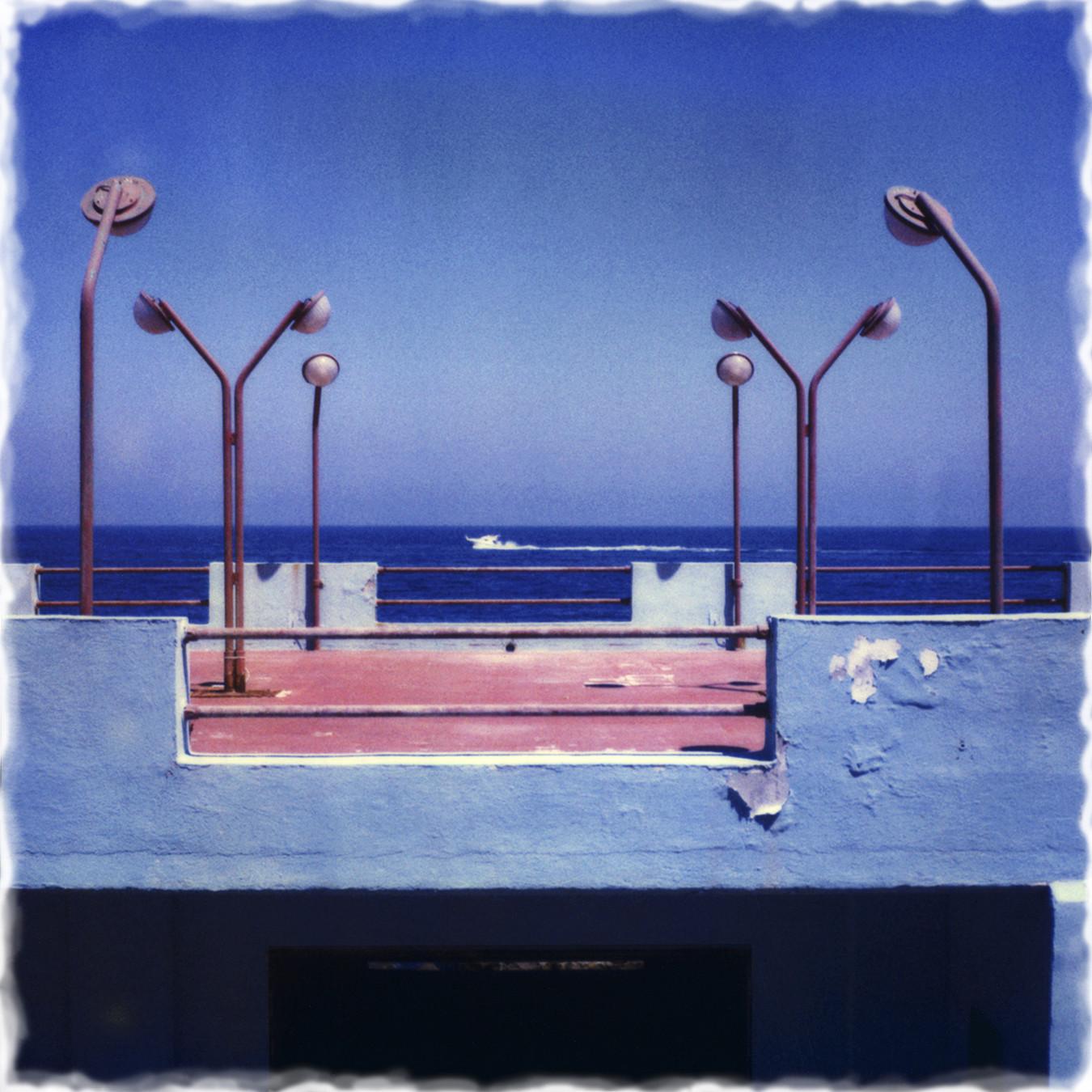
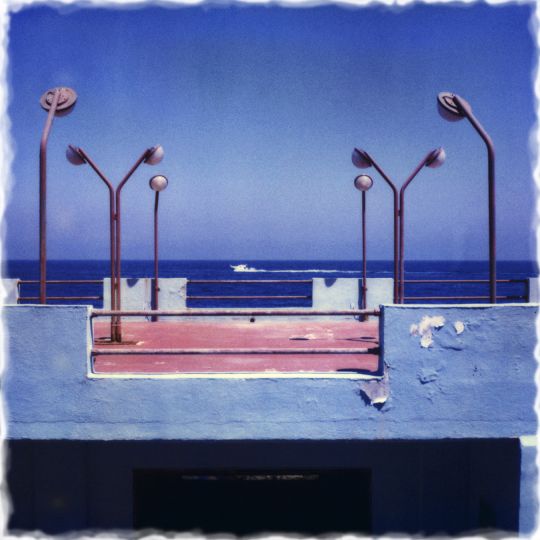
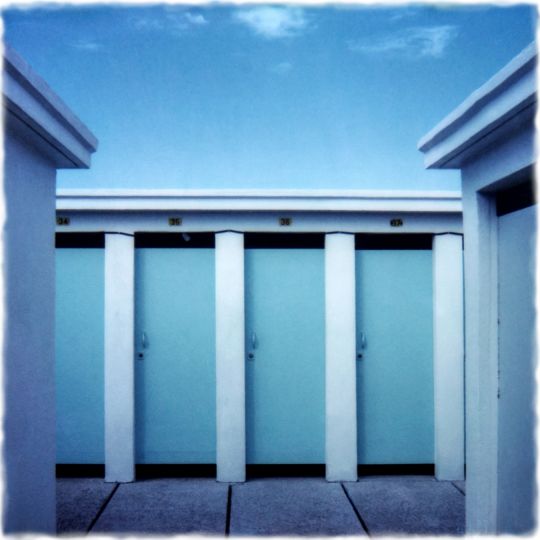
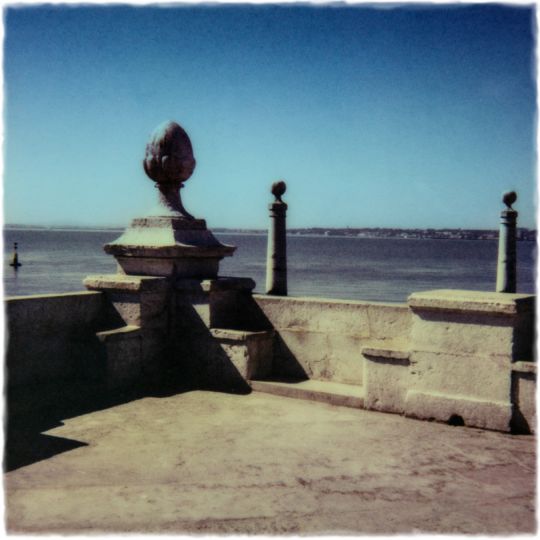
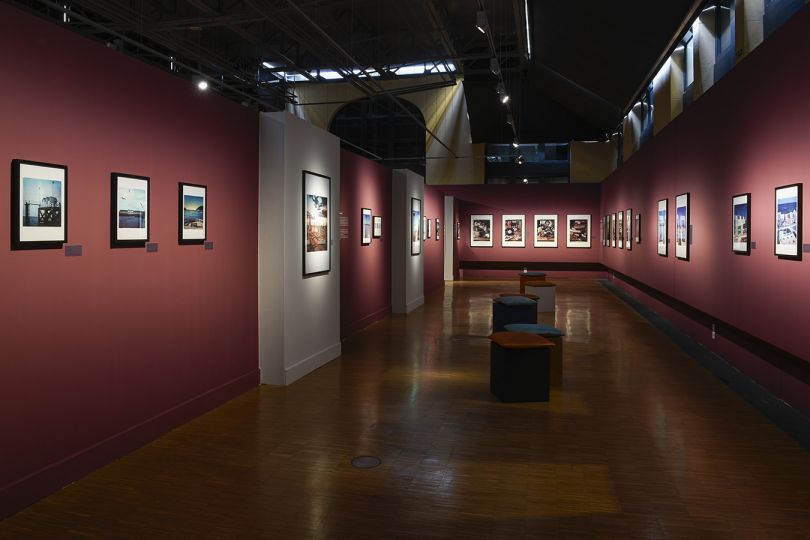
The tour continues with a colourful stroll through the leisurely scenes and suspended landscapes captured with the Polaroid. Scenes, mostly seascapes, rendered in subtle hues, are printed in large format on textured paper, dominated by blue, the artist’s signature colour.
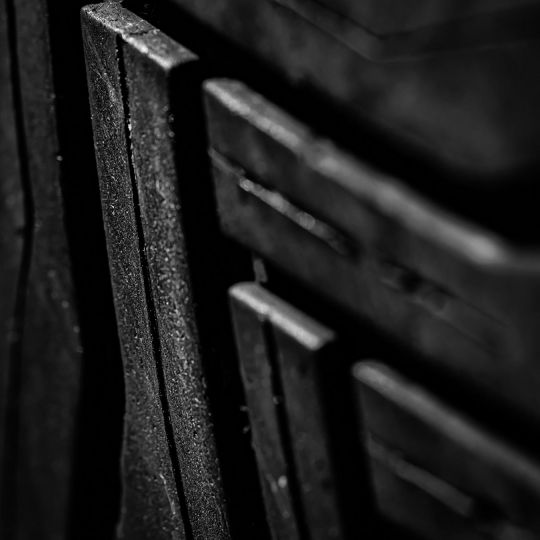
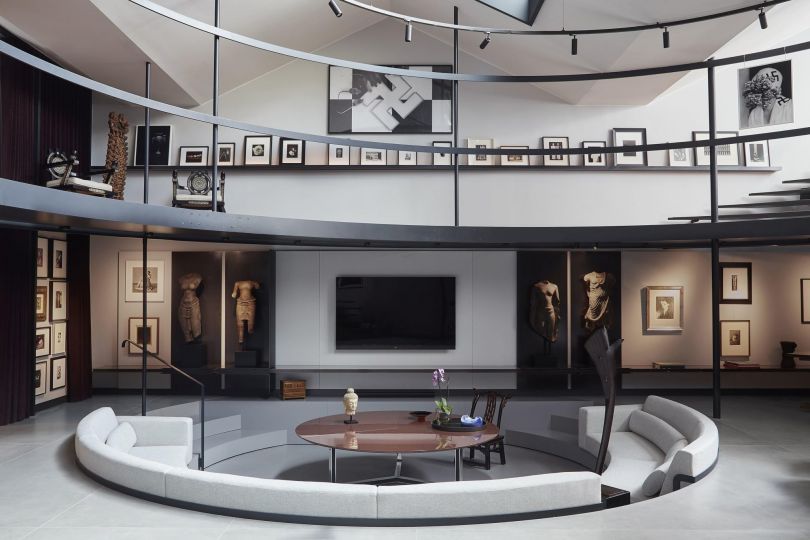
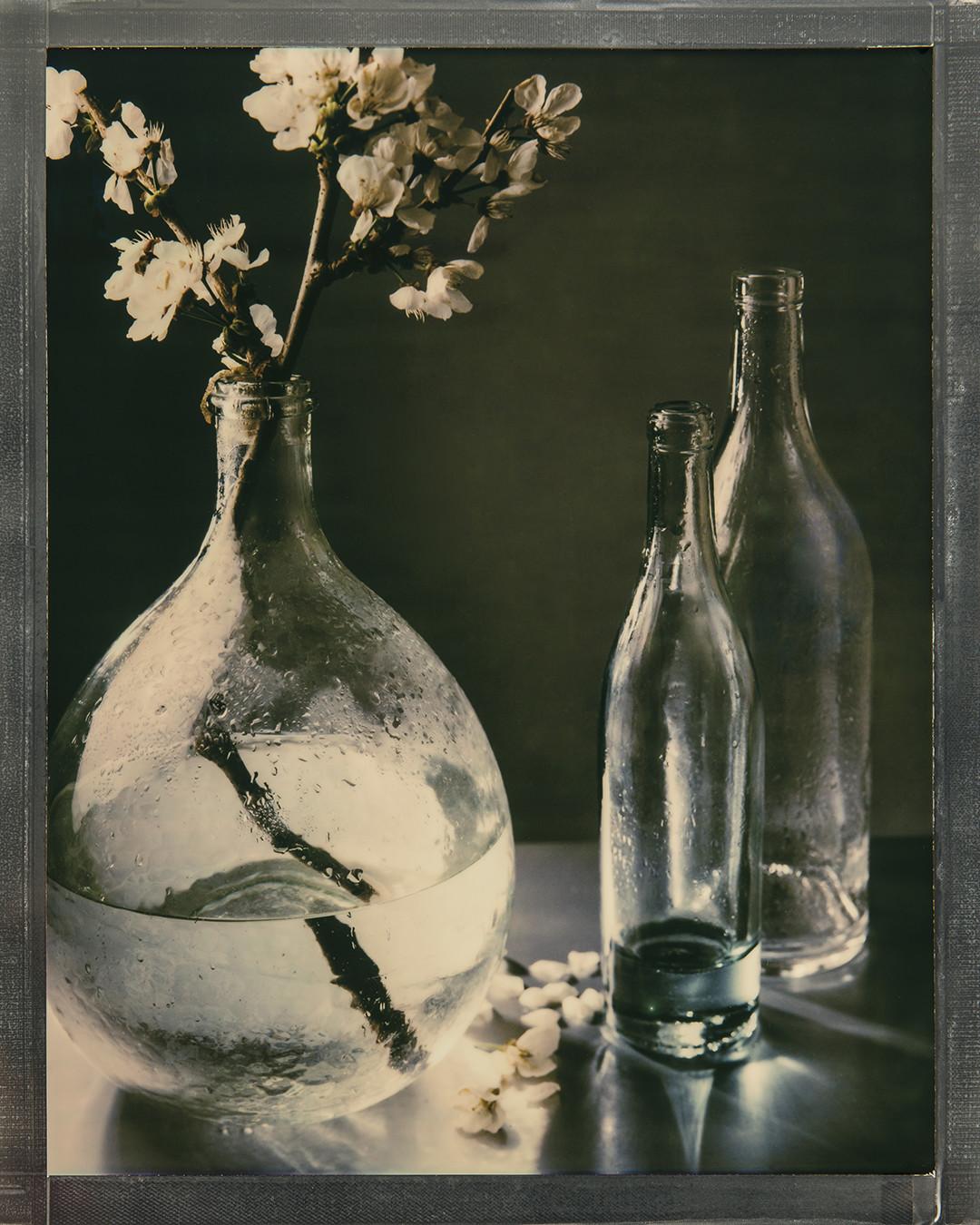
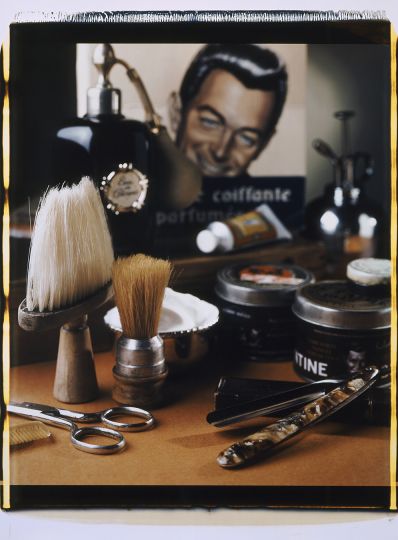
Echoing the tradition of Dutch vanities, which they bring up to date, Alain Guillemaud’s still lifes undoubtedly constitute the most introspective part of the exhibition. Presented in a sober and nuanced colour palette, they depict, through silent and meticulously crafted compositions (some created using a 50 x 60 cm large-format Polaroid view camera that leaves nothing to chance), a collection of salvaged fragments and ordinary objects on the verge of obsolescence.
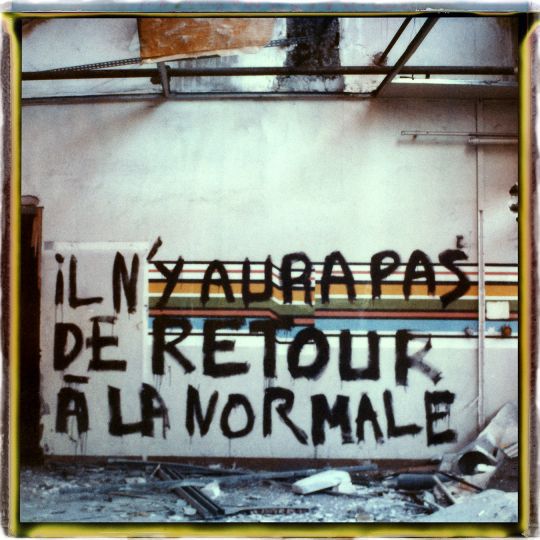
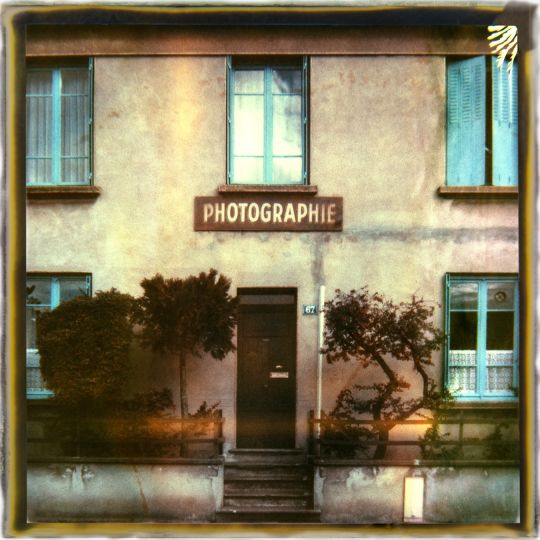
The series dedicated to the practice of urbex, far removed from any spectacular aestheticisation, reveals abandoned urban landscapes, situated in the city’s interstices (factories, squats, small shops…). Inspired by American visual culture and the cinematic aesthetics of figures such as David Lynch or Wim Wenders, Alain Guillemaud transforms these (non-)places on the verge of abandonment into spaces imbued with mystery and melancholy. Here again, the photographer seeks less to document these sites than to capture atmospheres conducive to daydreaming, as if to restore the memory of lost places.
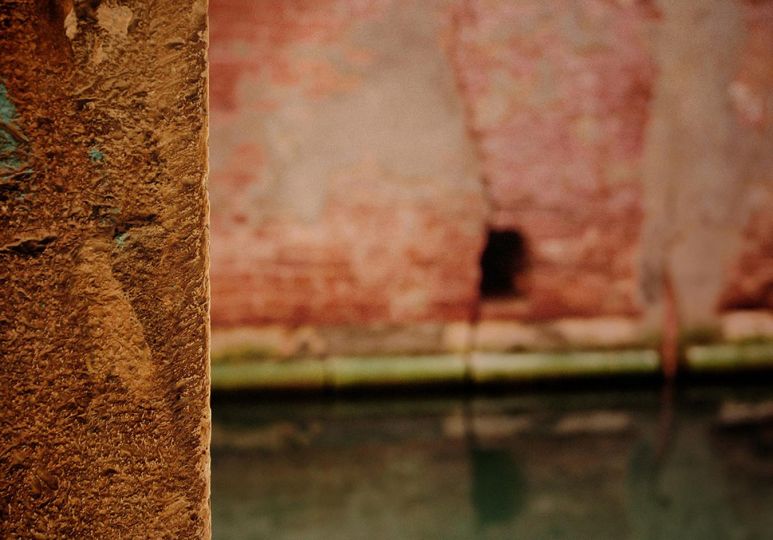
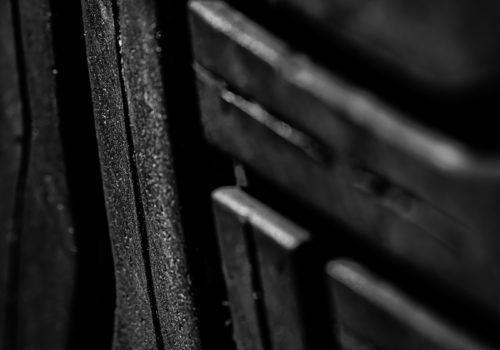
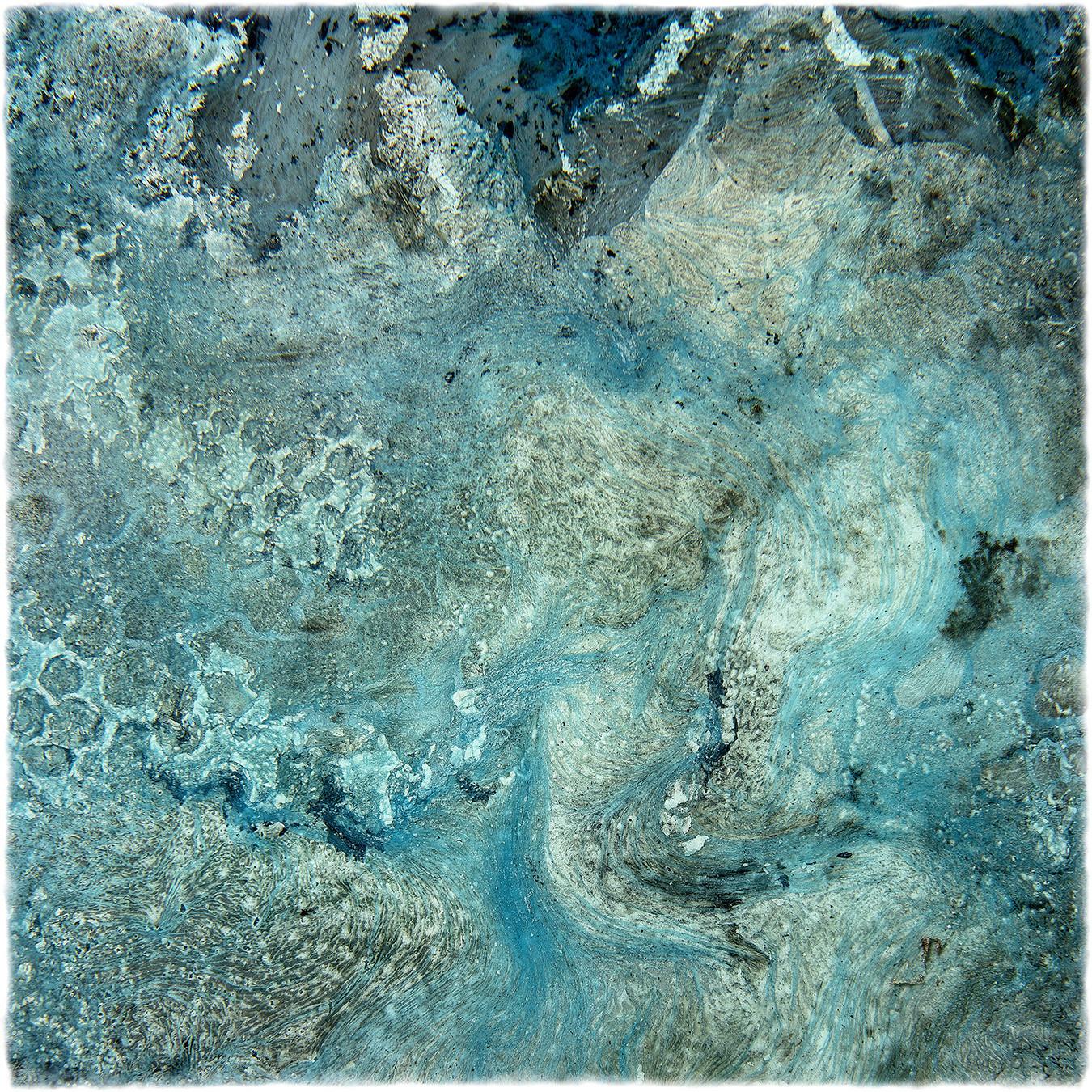
At its heart, the exhibition celebrates the unexpected and ‘controlled chance’ through a series of Polaroid photographs resulting from natural accidents (expired film) or deliberate interventions. Freed from any representational constraints, these images, which border on abstraction, highlight colours, materials and textures, and invite us to pay attention to the intrinsic qualities of the photographic image.
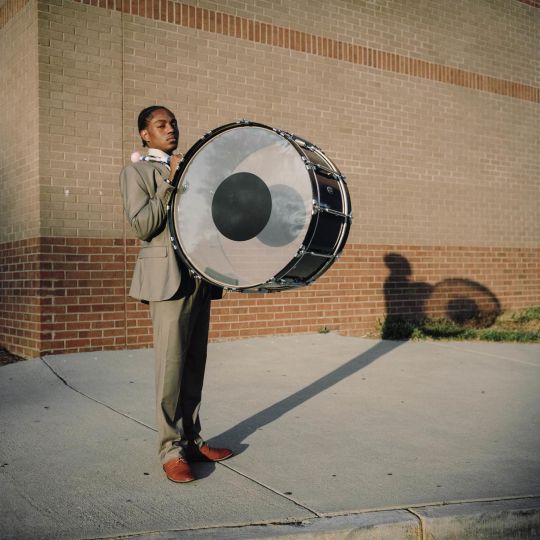
A final room, tucked away at the back of the exhibition, displays on its walls, in the style of a small studio, anonymous portraits alongside more familiar figures (such as Agnès Varda, Paul Auster and Ken Loach…) produced as part of private or institutional commissions. A table topped with a lighting rig invites the public to extend their visit through a hands-on activity. Visitors are thus encouraged to pick up the objects laid out on a workbench provided for them, in order to (re)compose their own scene as they wish.
Echoing (or providing a counterpoint to) Alain Guillemaud’s exhibition, the lobby of the Lyon Municipal Archives hosts works by students from the University of Lyon 2 that sit at the intersection of photography, documentary film and sociology, creating a dialogue between them. Entitled En corps, the exhibition, running until 11 May 2026, brings together works centred on the theme of the body, explored in its intimate, physical, social and political dimensions. Alain Guillemaud’s long-established perspective is complemented by a mosaic of emerging viewpoints, rooted in a more immediate present. These perspectives are attentive to details, gestures and postures, to what bodies express and sometimes conceal through their tensions, their unspoken words, their fragilities as well as their bursts of energy. Together, the fragments of this visual and textual kaleidoscope form a collective and sensitive vision: that of a lucid and committed generation, capable of scrutinising reality and reinventing the ways in which we perceive it.
Julie Noirot
More information