Do workers have a life outside of work? While working people have always had some free time, reductions in working hours have expanded the time available for leisure and personal pursuits. The Museum of the City of Łódź (Poland) addresses this theme in There’s More to Life Than Work, a photographic exhibition exploring the city’s working-class history in the 19th and 20th centuries.
Telling the Story of Workers Through Photography
At the start of the 19th century, Łódź was a small town of fewer than 5,000 residents. Within a few decades, it became Europe’s largest center for textile manufacturing. As a result, the city’s development is closely tied to the Industrial Revolution and the rise of the working class. Known as “The Promised Land,” a phrase popularized by filmmaker Andrzej Wajda, Łódź represented opportunity and hope for those seeking to improve their fortunes.
Drawing from Polish institutional archives, the exhibition traces aspects of the city’s working-class life from the 1800s through the 1900s. The first section features images of factory workers on the job. “The workers are in uniform, caught in a moment of stillness,” explains curator Marta Madejska, a historian and author of a book on female factory workers in Łódź. “For a brief second, they stop working to look into the camera.”
A particularly notable component stems from a 1985 photography contest organized by the Polish magazines Fotografia, Polityka, and Przekrój, which invited readers to submit family photographs of workers. Hundreds of submissions were received, and a selection is included in this exhibition
“Tell Me What You Wear, and I’ll Tell You Who You Are”
The second section highlights studio portraits taken by professional photographers, featuring people from various social classes. Madejska applies a sociological lens to these portraits, analyzing clothing and posture to deduce background and identity. Some of the subjects are named on the back of the photographs, but many remain anonymous—such as two women, likely factory or domestic workers, dressed in their finest attire.
These portraits often served as postcards, sent to family and friends along with brief personal messages. They offer a glimpse into how working-class individuals wished to be seen and remembered.
A Window Into Social Life in Łódź
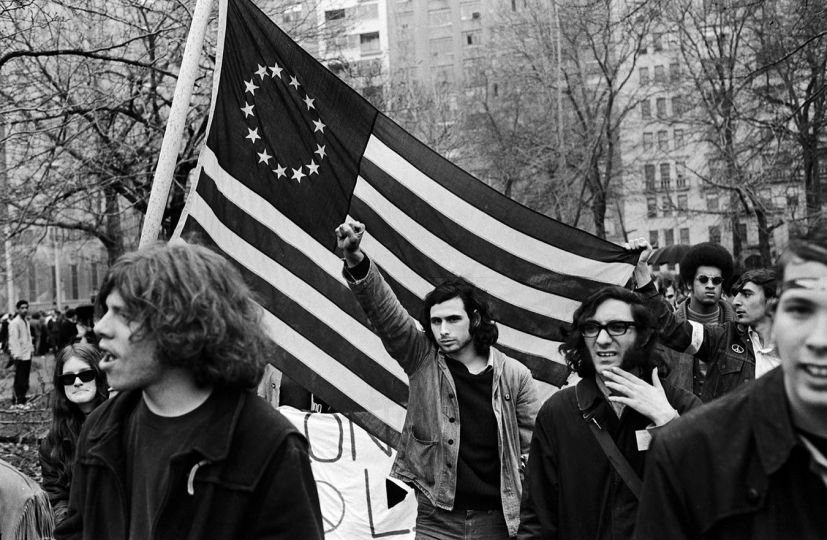
The final section of the exhibition presents street scenes, parades, and public gatherings that capture the city’s vibrant social life. From brass bands and pedestrians to demonstrations and labor rallies, these images reflect key moments in Łódź’s political and cultural life. The city played a central role in labor activism, with May Day marches and early Solidarność protests prominently featured.
Most of the photographs on display are unsigned, except for those taken in professional studios, which were plentiful in Łódź. These images were not created as artistic expressions but rather as everyday records—valuable pieces of vernacular history.
The Value of Vernacular Photography
According to Marta Madejska, vernacular photography holds significance for two main reasons. First, it reveals the diversity of historical experience. Social class affects how individuals perceive and live through historical events. These photographs offer visibility to often overlooked contributors to history, helping to build a more inclusive and accurate narrative.
Second, vernacular photography reminds us that history is not singular. Though it is a scholarly discipline, history encompasses multiple perspectives. Recognizing different voices enriches our understanding of the past and opens up new avenues for research.
“There’s More to Life Than Work”
Museum of the City of Łódź (Muzeum Miasta Łodzi)
Ogrodowa 15, Łódź, Poland
Łódź Fotofetiswal 2025
Exhibition dates: June 12, 2025 – March 30, 2026