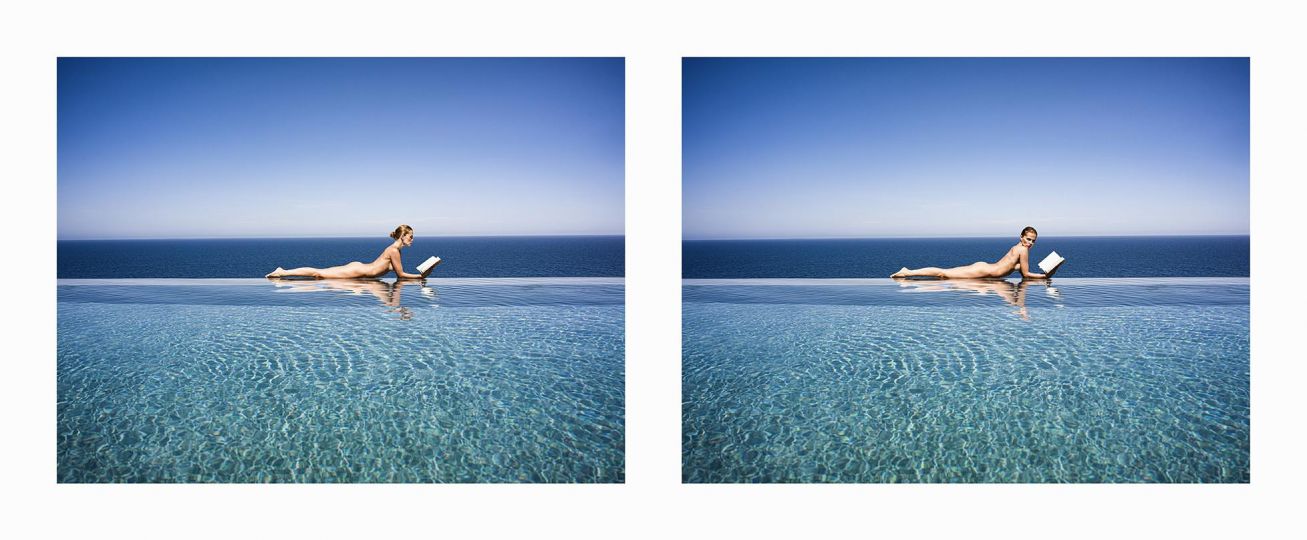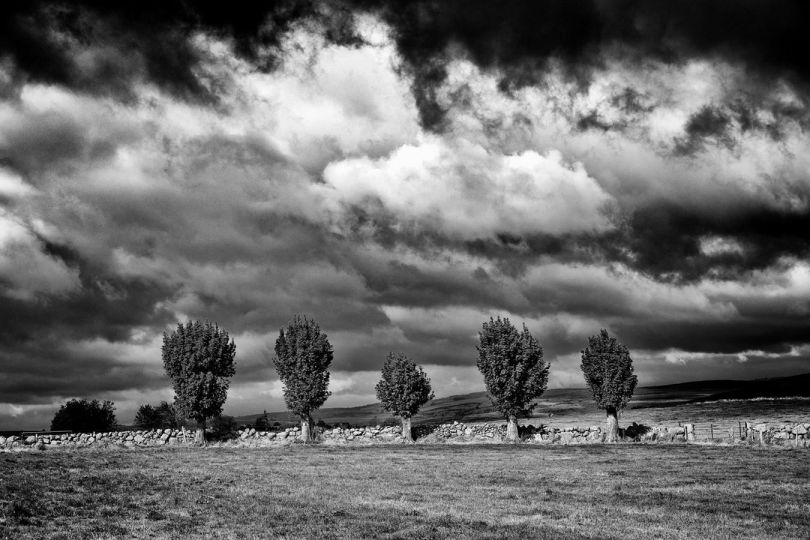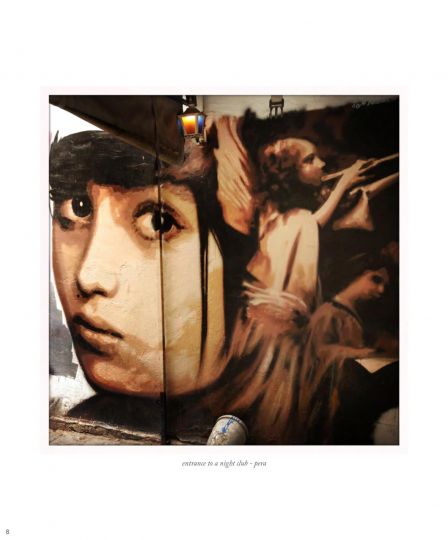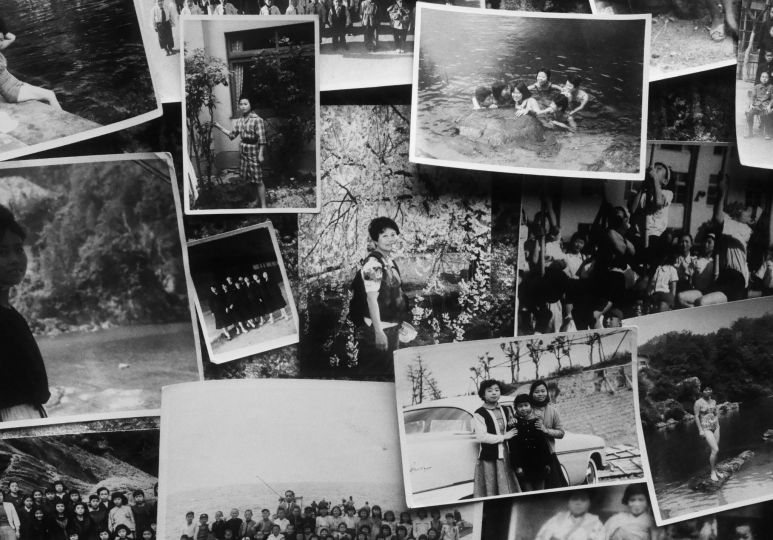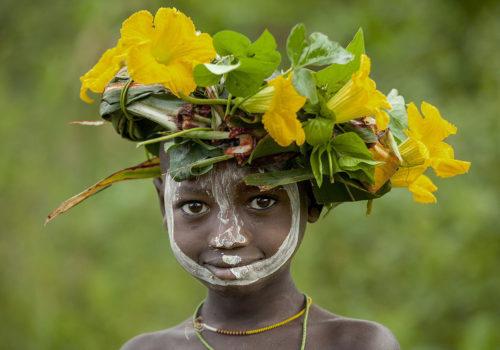
This is my second time I’ve been invited to present a collective exhibition as part of the Kyotographie [KG+] festival, one of the largest photography events in Asia. So I asked my friends Jun Sato and Hans Silvester to join me on the theme of “Lives of Flowers”.
The famous Kyoto City Museum, dedicated to Kaleidoscopy, is hosting our exhibition in its temporary exhibition space.
This year, given the theme and the images selected, the emphasis on a few numbers of powerful, large-format images was the key to the exhibition design. The presentation of our three remarkable series of photographs, each in its own particular photographic field, emphasizes its uniqueness.
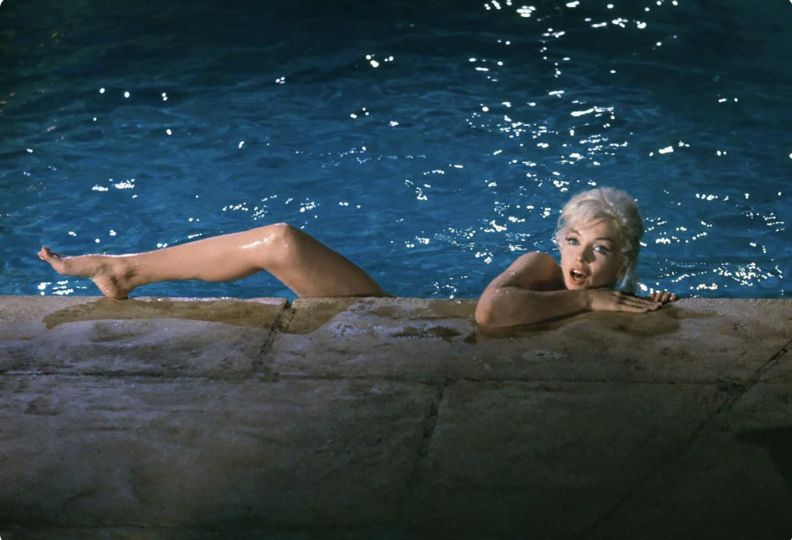
The excellent portraits of the “flower people,” the Sorma tribe living in the Omo Valley (Ethiopia), naturally provided the opportunity for the photojournalistic approach. These beautiful and powerful images by Hans Silvester convey so much more than a thick novel. The beauty of the world, the harmony of nature, the interdependence of life, through a few precious images from the master of graphic aesthetics.
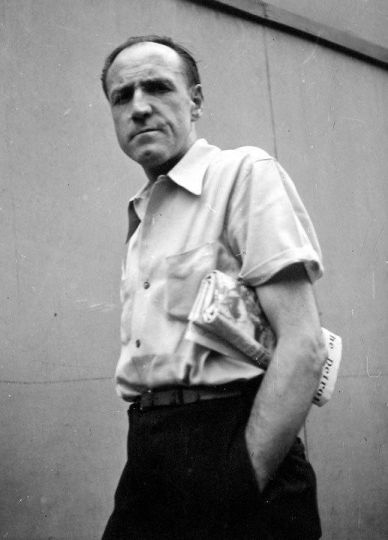
The structured constructions, the research whose questions must be shared by the reader. The graphic uncertainty of the approach, which demands aesthetics in the rigor of the subject. Knowing how to find the unexpected behind a highly organized and technically mastered artwork. It is always this imagery that Jun Sato offers us. Jun remains one of the best architects of structured photography, without ever forgetting the fragmentation of time in his images, which he gleans through his cinematic approach.
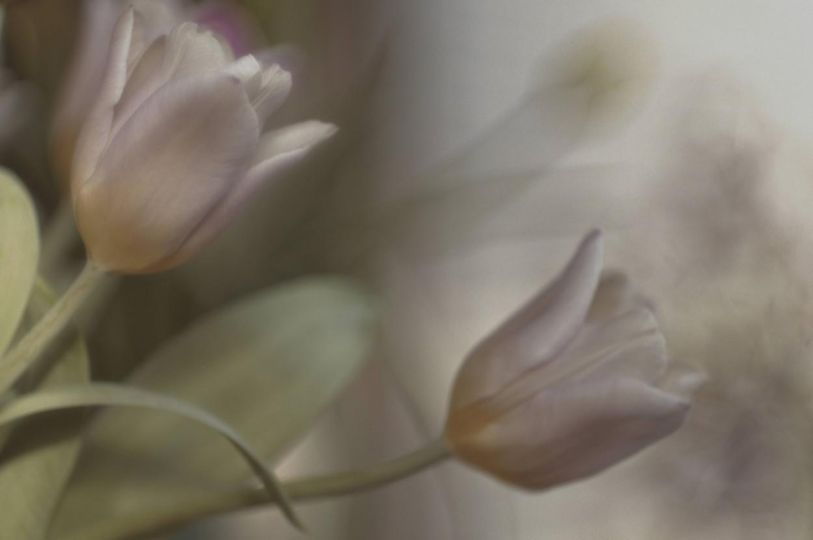
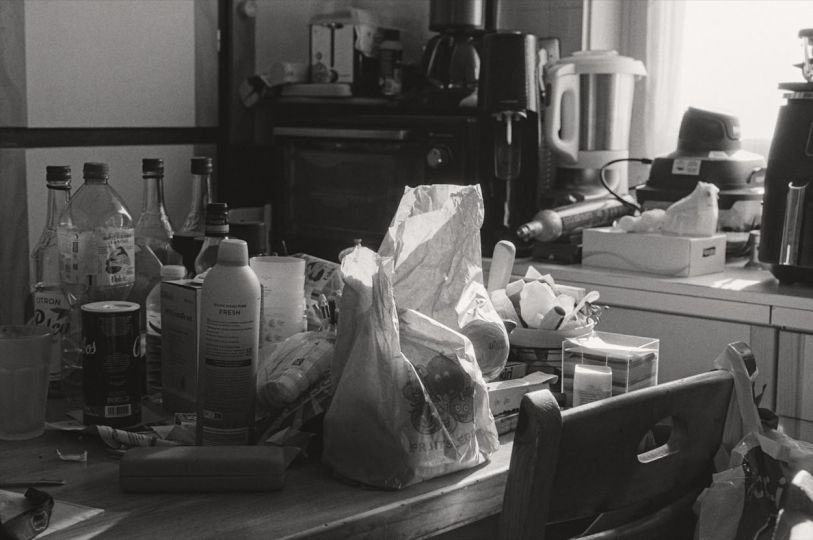
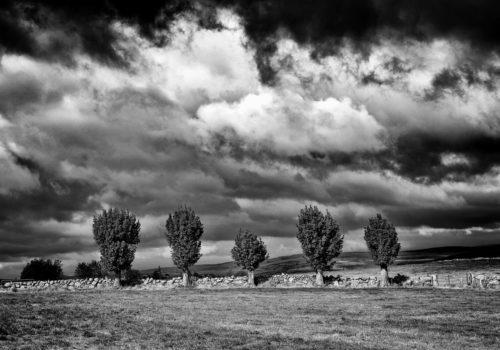
The third part offers some results of my own work on the communication transmitted by elements deemed soulless. The infinitely tiny and the disproportionately gigantic ultimately pass from the invisible to the visible. Through a physical choice of deliberately forgetting graphic prose in the creation of a photograph in favor of using the strong poetic constraints unstructured for building the images. The use of the readers’ senses, added by their cerebral interpretation, implies an individual and personified dialogue. The reader must participate directly, voluntarily or not, in order to take into account the image in its structural reality, whether supposed or real. The visible opens the door to the invisible.
Three styles, three technical works, three ways that result in an intimate confrontation between the Image and Man. Yet, thus remains the essential role of photography in the transfer of our thoughts, through one of the most aesthetic elements (by necessity) of nature: flowers.
Thierry Maindrault
EXHIBITION
Lives of Flowers
Kaleidoscope Museum Kyoto
706-3 Dongeinmae-cho,
Aneyakoji-dori,
Higashinotoin-higashiiru,
Kyoto City, Japan
from April 30 until May 11, 2025, except Monday
open from 10:00 am to 06:00 pm
free entrance