Anne-Caroline Frey : Art as a shared experience, and the forest as its setting
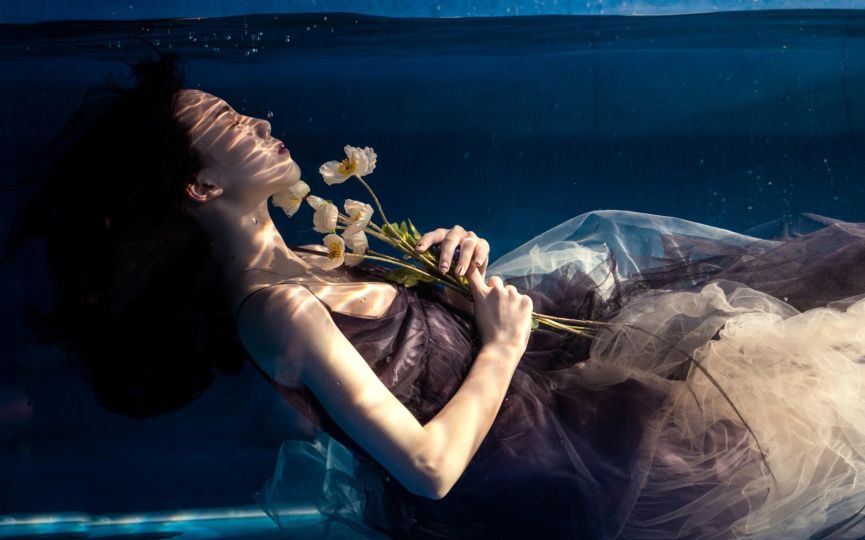
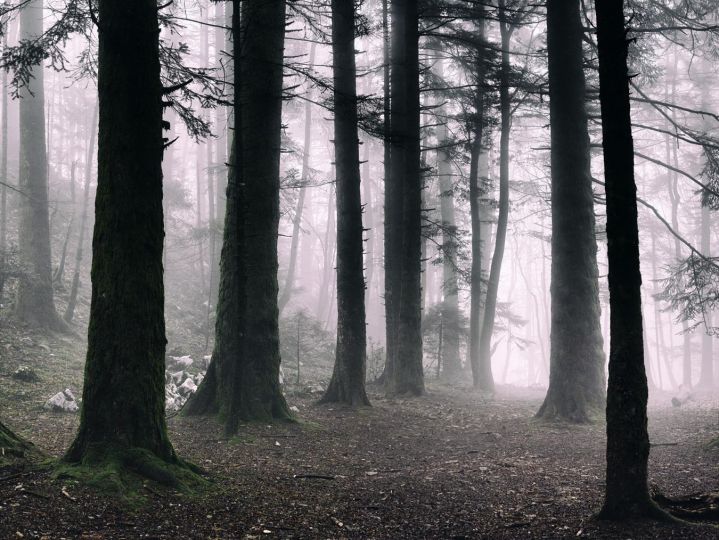
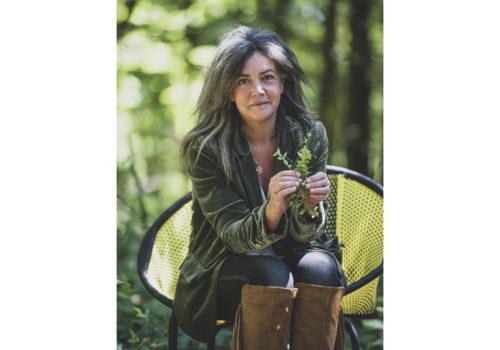
There is something rare in the way Anne-Caroline Frey inhabits the world with grace, intuition, and exacting purpose. A woman deeply rooted in her convictions, she turns each of her projects into a singular work of art, much like one composes a painting or a poem. As the founder of the Loire Valley Lodges, a remarkable eco-retreat nestled in the heart of a Touraine forest, she invites her guests to slow down, to feel, to see differently. There, among ancient trees and works of art suspended in silence, nature engages in a dialogue with contemporary creation — and each lodge becomes an intimate manifesto.
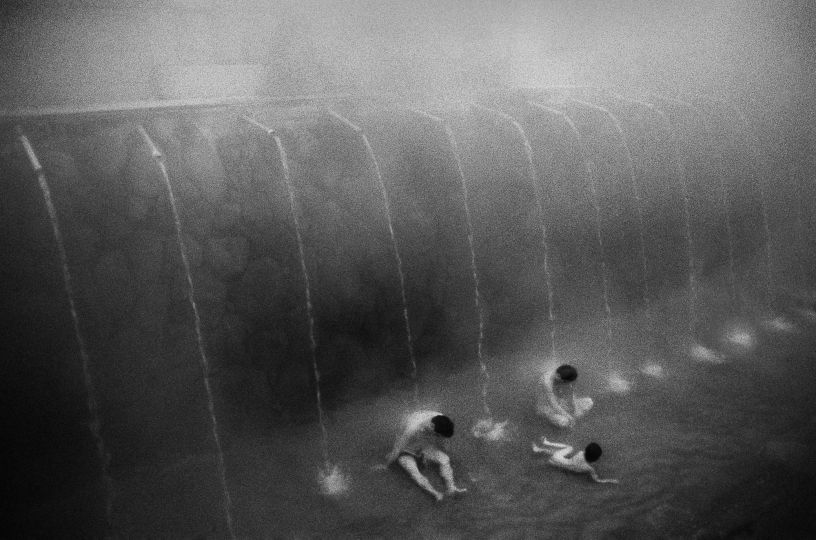
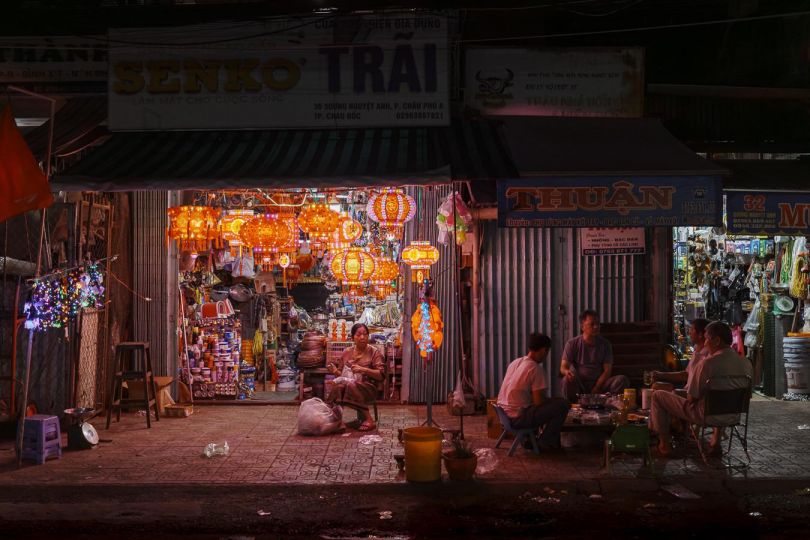
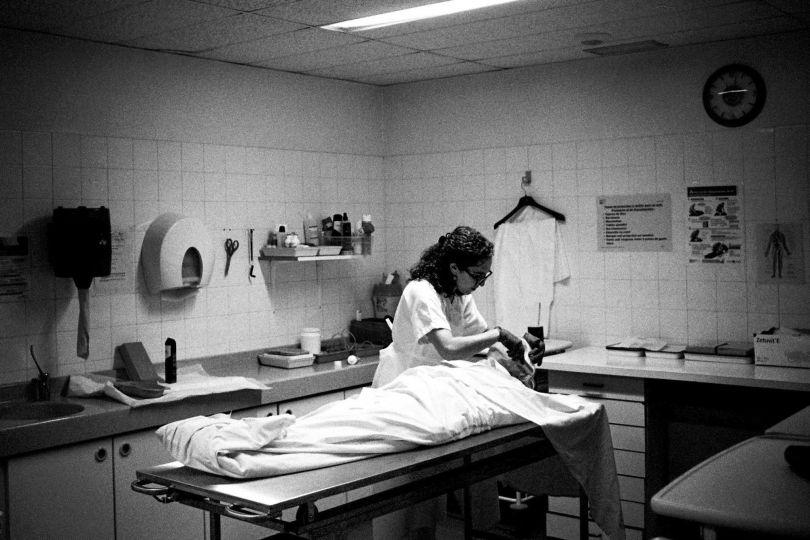
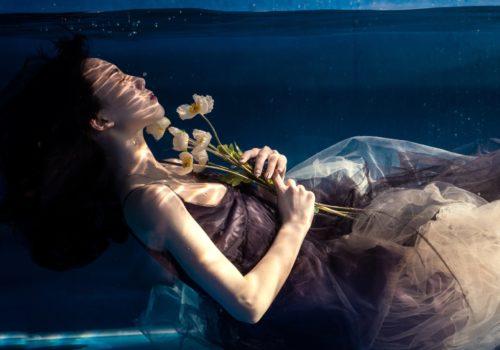
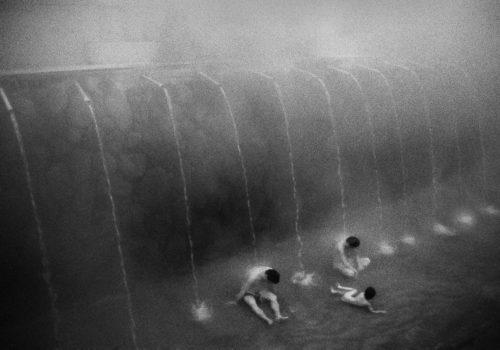
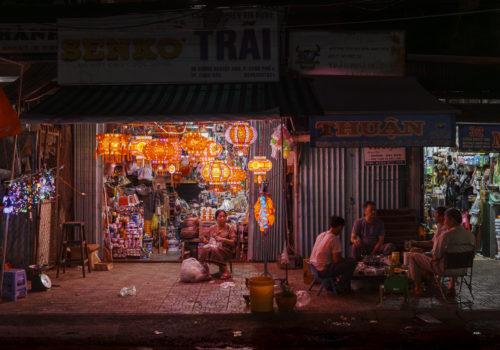
But behind the entrepreneur is a visceral lover of art, and above all, of photography. For her, an image is never static: it captures the breath of a moment, the glow of a presence, the memory of a place. An instinctive collector, she chooses her artworks the way one chooses life companions — for their ability to nourish the soul and challenge the gaze. Over the years, she has forged powerful bonds with photographic artists, some of whom have taken over her lodges like secular chapels dedicated to raw emotion.
With Anne-Caroline Frey, nothing is merely decorative — everything carries meaning. Be it a piece of furniture, a photograph, or the scent of pine, every detail tells a story. Through art, she celebrates freedom, slowness, and the awakening of the senses. She creates spaces so that others may, in turn, feel, reflect, and reconnect with themselves.
An encounter with a woman for whom beauty is not a pose but a breath — a way of being in the world, fully.
Instagram: @annecarolinefrey / @loirevalleylodges
Your first photographic spark?
A.C.F.: A wild animal. Finding myself face-to-face with a deer, managing to approach it silently, grab my camera and capture its questioning gaze fixed on me. That’s when I understood the meaning of the term image hunter. I realized photography, for me, was about capturing the moment — a quest that closely mirrors my life philosophy: being here, fully, now.
The image-maker who has inspired — or still inspires — you?
A.C.F.: Georges Rousse. It’s all a matter of perspective…
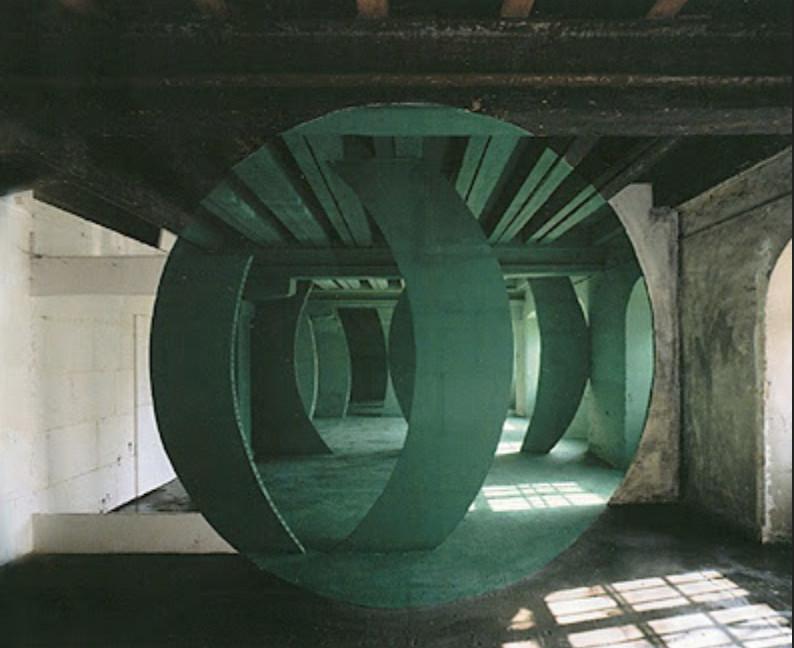
George Rousse
The image you wish you had taken?
A.C.F.: My parents, in love, lying together in bed at the end of their lives.
The one that moved you the most?
A.C.F.: The very first photo of my granddaughter, who lives on the other side of the world.
And the one that made you angry?
A.C.F.: Notre-Dame in flames.
The photo you believe changed the world?
A.C.F.: Unfortunately, none. But one image that strikes me deeply is Rostropovich playing his cello in front of the Berlin Wall.
And the one that changed your world?
A.C.F.: The ultrasound photo of my first child.
Does photography have the power to shift collective perception of an event or an era?
A.C.F.: Yes — if the photographer is talented and infuses their images with clear and sincere intention.
How do you perceive the influence of social media on how photography is created and viewed today?
A.C.F.: I’m saddened that people no longer live in the moment, no longer truly look or seek meaning — they just snap photos to post their lives online. I’m disheartened when I walk into a museum. If I were Minister of Culture, I’d ban phones from museums and exhibitions. Exhibition catalogs contain the best photos of the artworks anyway, if people really need to take them home beyond their memories.
An Instagram account we absolutely must follow?
A.C.F.: Joker — I’m not a heavy user. But if I had to name one, I’d say Nold (Never Old), because it often makes me smile… and of course, Loire Valley Lodges!
What interests you most in an image?
A.C.F.: The background both literally and figuratively.
In your view, what is photography’s primary role in our perception of the world?
A.C.F.: It is our collective memory and a mirror of an era (whether realistic or pure creation), just like art in general.
Is it testimony or manipulation — or can it be both?
A.C.F.: Both, unfortunately.
Can photography create a world more true than reality itself?
A.C.F.: Today, with AI yes. And that saddens me. We now always have to approach images with distrust.
What was the last photo you took?
A.C.F.: With my camera: a duck. With my iPhone: a book resting on a table.
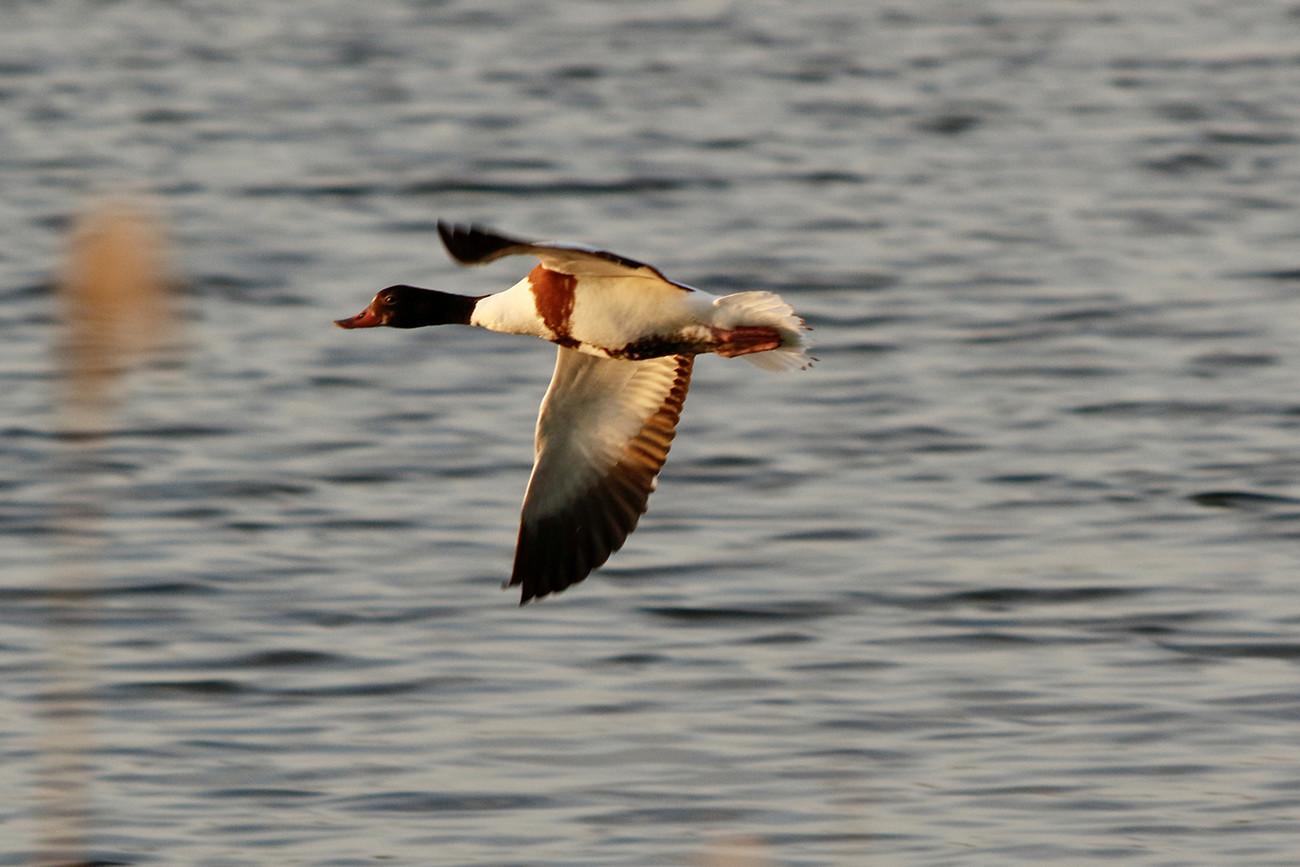
Canard © Anne-Caroline Frey
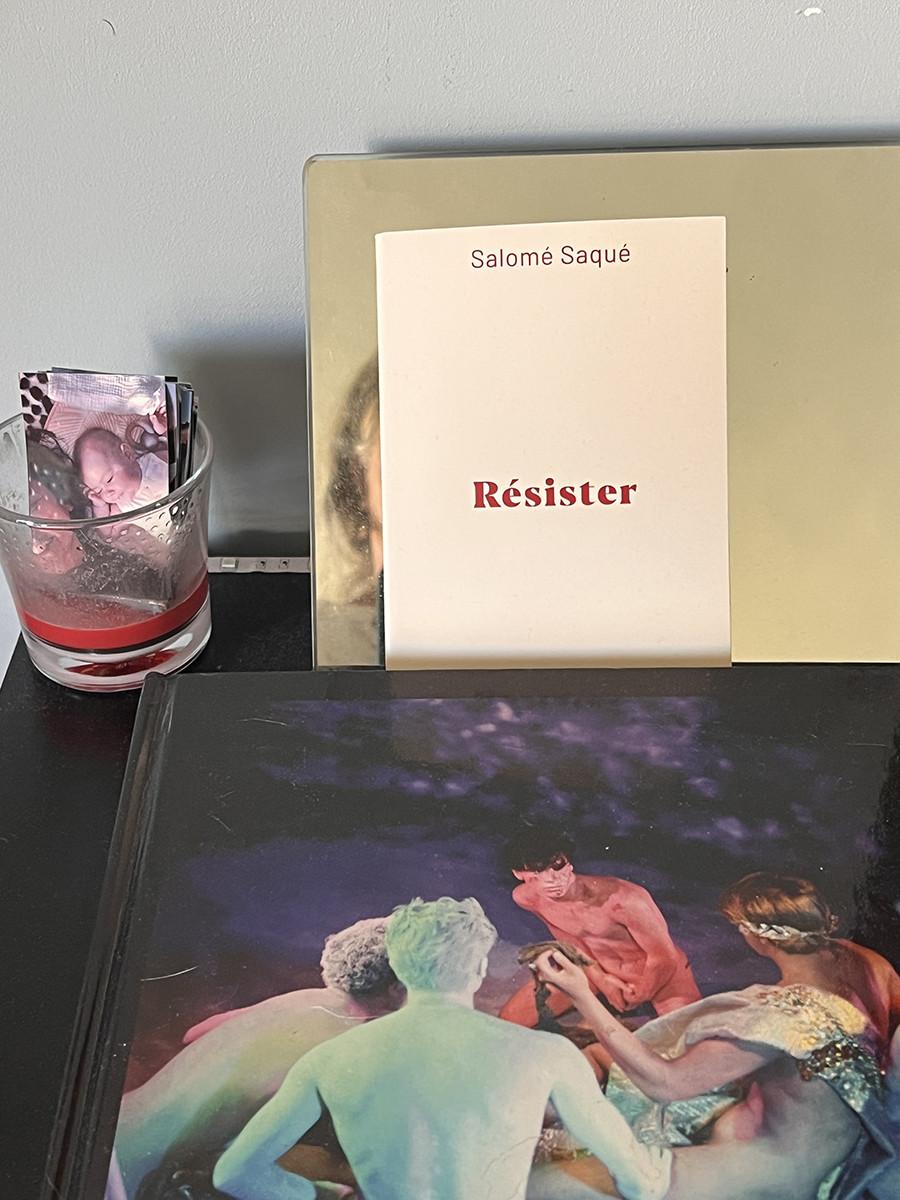
La dernière photo faite avec mon iPhone © Anne-Caroline Frey
A key image in your personal pantheon?
A.C.F.: A photo I brought back from Brazil. It caught my eye while walking in the streets of Curitiba. I was completely drawn in, spent all my savings, and had it shipped back by a friend. A bit of madness that’s been hanging in my bedroom for nearly 20 years. It’s called Dialogue.
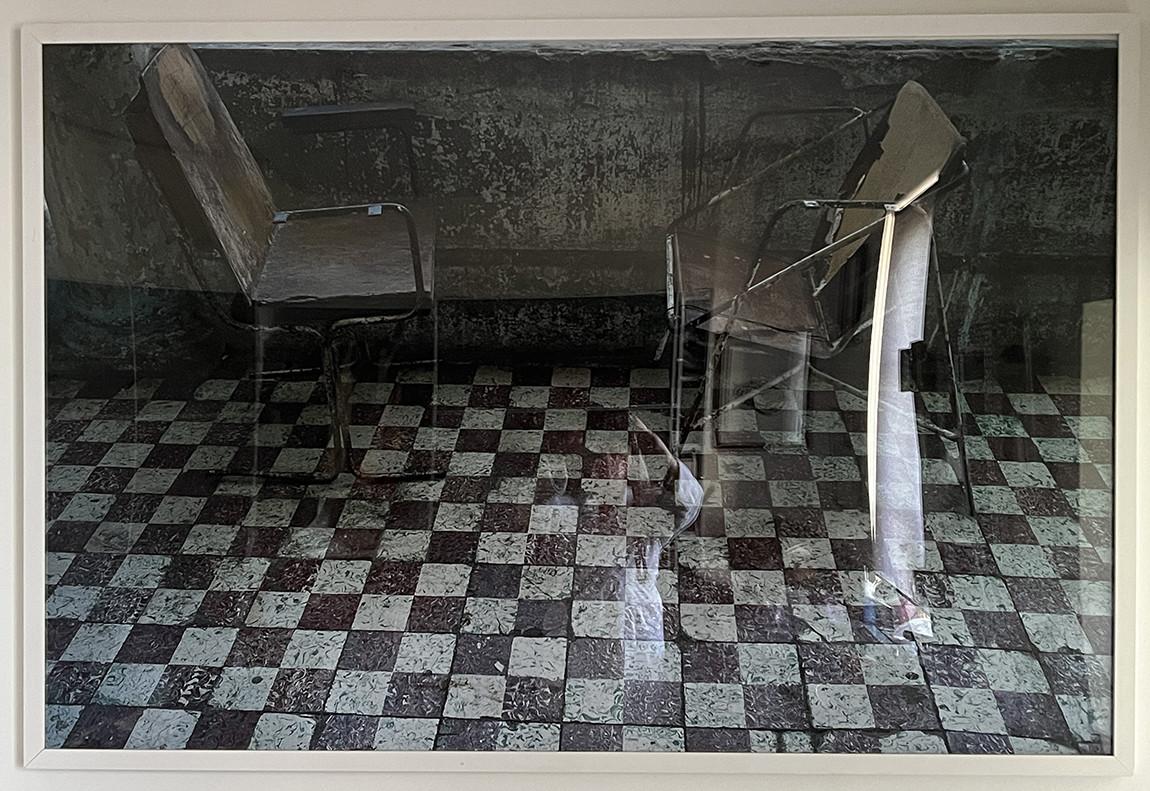
Dialogue
A photographic memory from your childhood?
A.C.F.: Me as a baby, maybe one year old, sitting inside a moving box that said Keep away from heat and humidity — which is so true!
What, in your opinion, makes a good photo?
A.C.F.: A photo you actually look at.
The person you’d love to photograph?
A.C.F.: The Pope.
An essential photo book?
A.C.F.: Peter Beard’s The End of the Game.
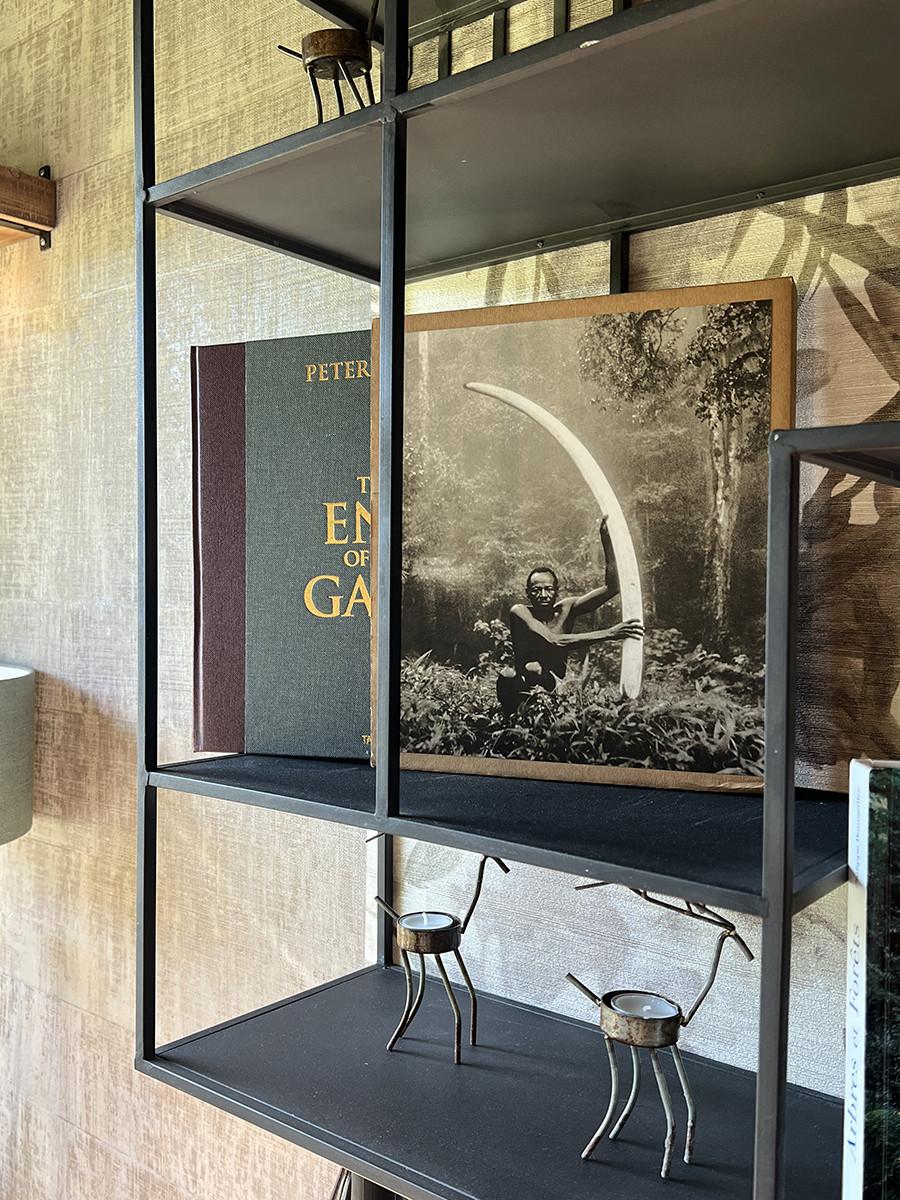
Peter Beard – The End of the Game © Anne-Caroline Frey
Your childhood camera?
A.C.F.: A Kodak Instamatic.
The one you use today?
A.C.F.: A Canon EOS.
A project close to your heart?
A.C.F.: Taking the time to keep making family photo albums. It’s a real investment — hours of selection, layout, writing. But such a joy to see them come alive, passed from hand to hand. We are a blended tribe with 7 children. I have over 200 albums — family, vacations, events, visits. Whenever a child or close friend comes by, they’re drawn to them they open one, then another… and that always sparks meaningful conversation.
Your favorite “drug”?
A.C.F.: Love.
Your best way to disconnect?
A.C.F.: Walking in nature or even in a city but without a phone. Just listening, breathing, feeling the energy, the breath… and finding my own.
Your personal connection to images?
A.C.F.: A very deep attachment.
Who would you like to be photographed by?
A.C.F.: Someone who loves and understands me.
An image you’d choose for a new banknote?
A.C.F.: An ear of wheat.
The last thing you did for the first time?
A.C.F.: Mowed my lawn with an old-school English push mower!
A place you never tire of?
A.C.F.: My bed!
Your biggest regret?
A.C.F.: I have no regrets. I always see the glass half full, and I’m convinced nothing happens by accident. If something negative occurs, it was meant to be, I accept and move on. It becomes part of me.
Are you more Color or Black & White?
A.C.F.: Depends… I love color for nature — so subtle in its tones and light. But when it comes to conveying an emotional state, I think black & white does it better. For portraits especially, I’m 200% B&W — it reveals the background more clearly, whether it’s a human face or a tree’s silhouette.
Daylight or studio light?
A.C.F.: Daylight.
The most photogenic city in your eyes?
A.C.F.: Any market in an African or Indian village. But if I must name a city Dakar, or Saint-Louis and its fabric markets, or the flower markets in India.
If I could organize your ideal dinner, who would be at the table?
A.C.F.: My husband.
An image that reflects the current state of the world?
A.C.F.: A satellite photo of melting ice caps.
One last word?
A.C.F.: “Life is beautiful and so are you.” That’s not mine — it’s from Aurèle (Ricard, the artist, not the emperor). But I find it so beautiful.