Thierry Maindrault’s Monthly Cogitations
Without wanting to succumb to nostalgia—other than the poetic kind—we all find ourselves making comparisons: around yesterday and today. It’s funny to note that these comparisons are very rarely based on objective evidence or facts. In fact, they are most often mere assessments of impressions or feelings, which, moreover, are more or less distorted by the passage of time for those of us who are older. This observation also comes to mind when I hear people in their early thirties making the same remarks without having lived through the specific time and place they refer to in their comments. It’s not just the older generation who ramble when they lack voyance.
Unless, of course, a new scale of psychological time has shifted the tempo of life. Sensations are one thing; however, the truth (even if it is to be taken with a grain of salt) is not always far off. Thus, the analysis of two identical elements or two procedures with the same goal, separated by half a century, reveals an individual and collective fracture in human evolution. Without wishing to impose a value judgment (in fact, values no longer exist!), neither good nor bad, we are changing eras, spaces, and hopes.
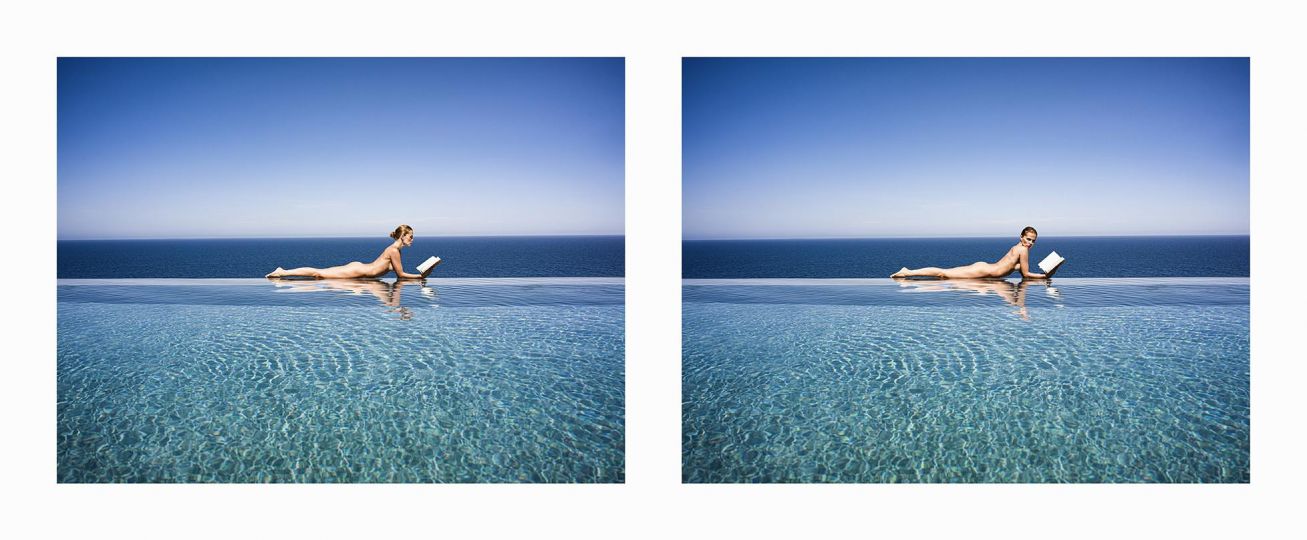
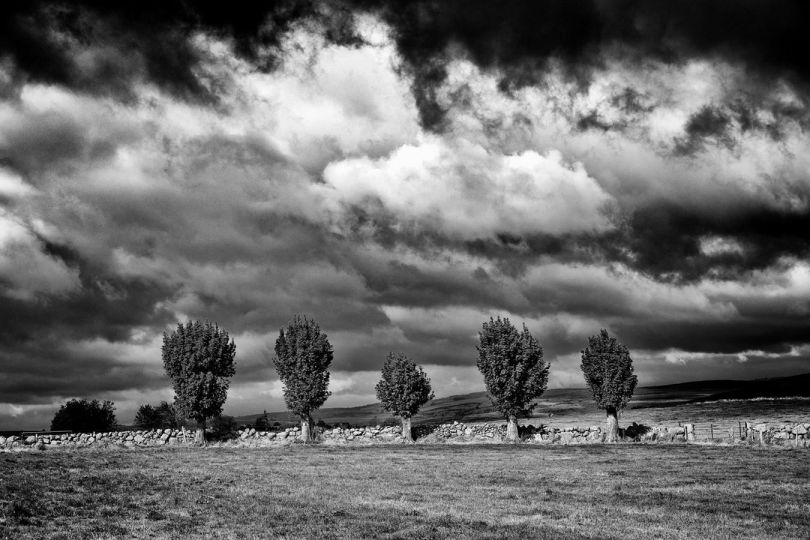
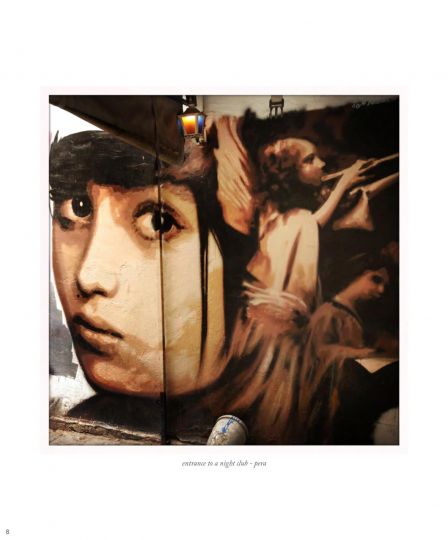
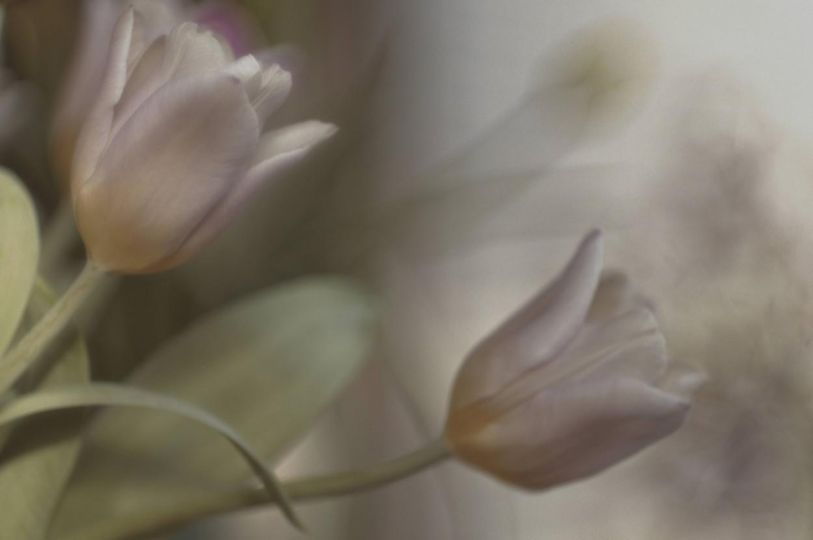
Since its relatively recent emergence, photography has mirrored the evolution of humanity, which it accompanies very faithfully. Long considered the most objective record known for leaving a trace of evolution, this is the source that enables its universal success, both in the materiality of life and in the potentialities of the mind. Through its own technical demands and its involvement in all fields, the evolution of photography remains the reflection, the witness, and the archive of human social life. This is how photography has found a place in all the technical and spiritual realms of our evolution.
We can thus consider that the observation of what we are currently experiencing—in the image—is part of a generalization of behaviors and their consequences.
This is how imagination has deserted photography and, in doing so, abandoned photographers as well.
We have entered the realm of the follower, the follower of the predecessor, the one who is content to merely trace what he has just seen. This “author” (if one can call him that), whose imagination is limited to following vague rules dictated by a trend or a guru. This apprentice genius whose creativity consists of plagiarizing the latest creator elevated to the pinnacle by a fleeting trend. This thief of the image you unwisely posted online, for which he takes credit—when he isn’t selling it for his own gain. This talent-borrower who shamelessly plunders artworks from the past to supposedly embellish his own story. This whole little world of “new contemporary photography” follows trends with constancy and diligence, without really knowing what it’s chasing.
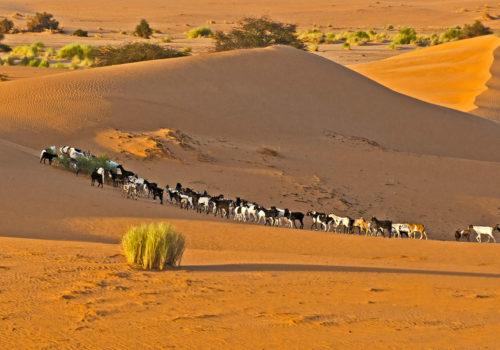
The greatest killer of imagination, however, remains the so-called expert—the one who has an answer for everything without ever having achieved anything. The so-called artistic director, the gallery director (often of a hallway), the rather “bogus” curator, the portfolio reader —all this people are unanimous in their refrain: “Take for me a portrait, photograph a goat for me… if you want some help by me …”. There creativity for us is so crazy. The pinnacle is reached with pseudo-sponsors and their own demand for photographic records of the beauty of their products or the performance of their services. “egographics” is a practical and inexpensive practice, with the jackpot of a tax credit (if you’re in France!).
Nevertheless, our future assassin still lurks behind the black veil of our photographic tools. How the stupidity of some and the greed of others trigger the extinction of human imagination? The degeneration of our brains, the loss of our senses, creative laziness (true creation, not the enumeration of a list of words often devoid of conceptual thought), send us back to the prehistory of thought. I no longer think—will I survive? The frantic race of communication instills in us the idea that the human brain has become incapable of competing against three electrical wires and a binary storage box. It is true that this tool is becoming highly efficient and useful; but it is utterly incapable of imagining anything. Incapable of conceiving a metaphysical thought or creating a sensual emotion. Incapable, even when combined with other tools, of breaking free from channeled processes and confined emotions—the very antithesis of imagination.
When we see so-called authors having authentic creations—shamelessly stolen—extracted and assembled by a process as stupid as it is energy-consuming. When we witness the erosion of intellectual property rights painstakingly acquired by our predecessors. When we realize the utter absurdity of pooling our financial earnings, which could easily have remained individual. When we know that the tools that plunder our work at the speed of light could easily have identified our work and determined the financial compensation due to us. When we accept the depletion of our income for the benefit of gigantic conglomerates and the few agencies that throw us a few crumbs as charity, after having bloated their own administrative structures.
So yes, over the past half-century, the imagination of creative thought has inexorably dried up and found itself enslaved (by patrons) due to a lack of independent financial resources. Our individual and collective imagination has been ensnared in the formidable traps of social media, for the vanity of “I’m there just like everyone else” (I am, but I’m followed!), with the illusion of “I like to believe I stand out there.”
As long as we maintain the imagination as the source of artwork and the right to think differently, even the most sophisticated technologies will remain nothing more than a valuable contribution to the evolution of our human species. If laziness and submission take root in future generations, we should be very worried about the longevity of our photographic images and for the survival of Art in general.
Thierry Maindrault, June 12, 2026
your comments about this chronicle and its photography are always welcome at [email protected]