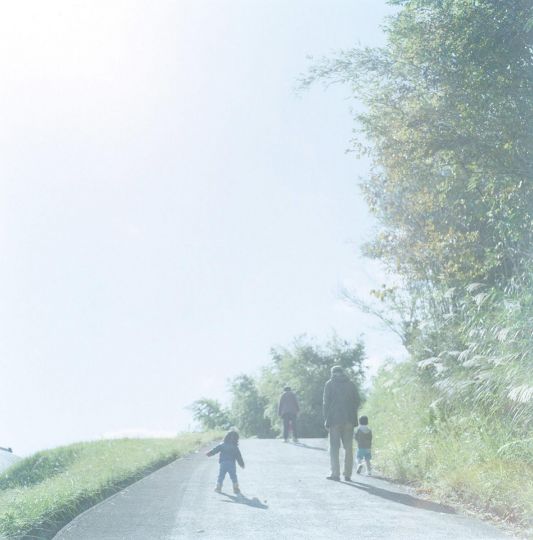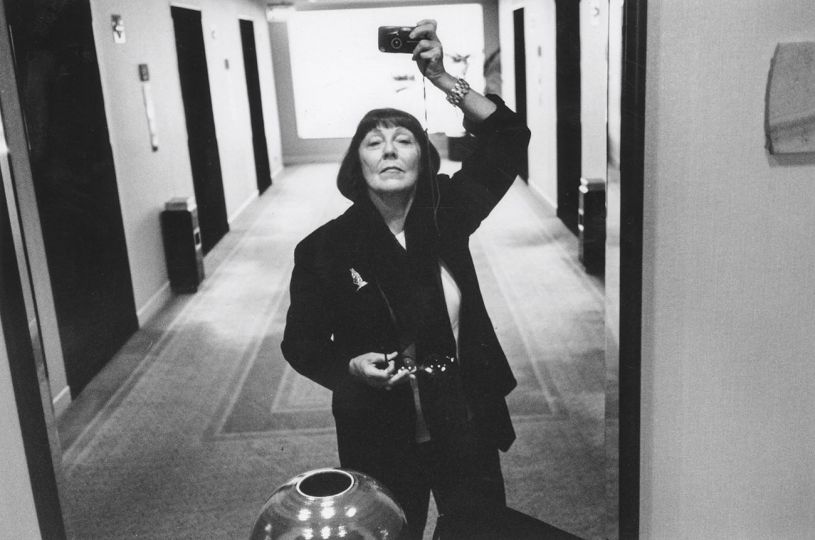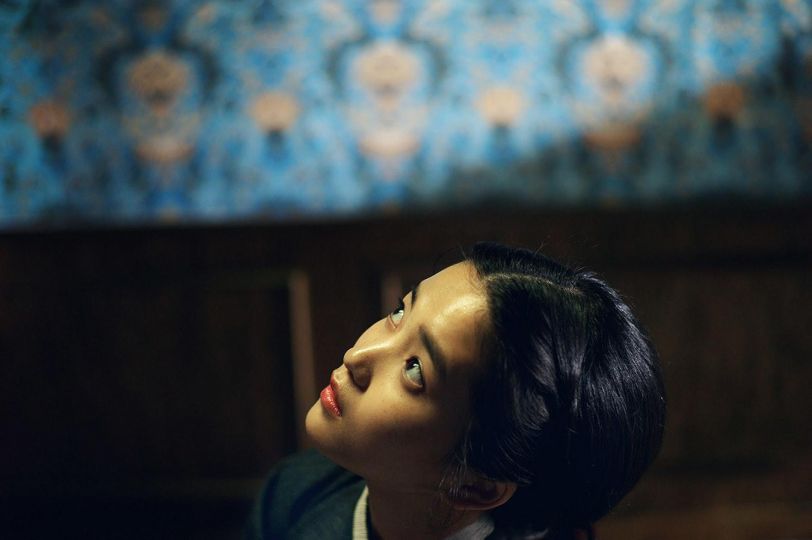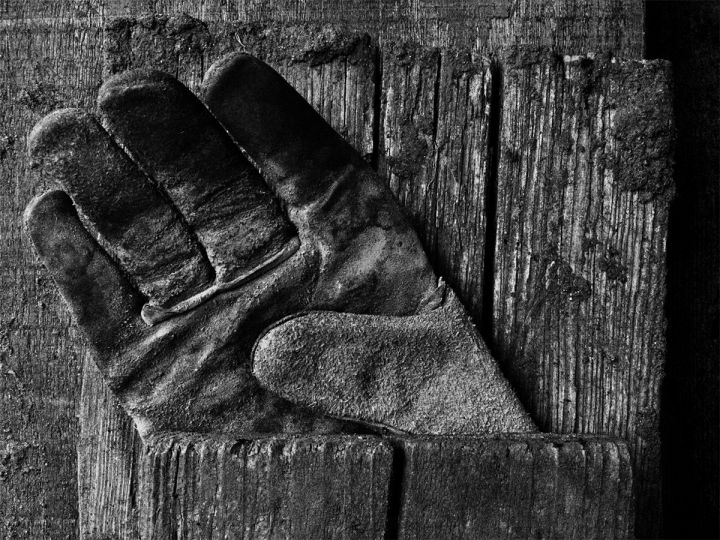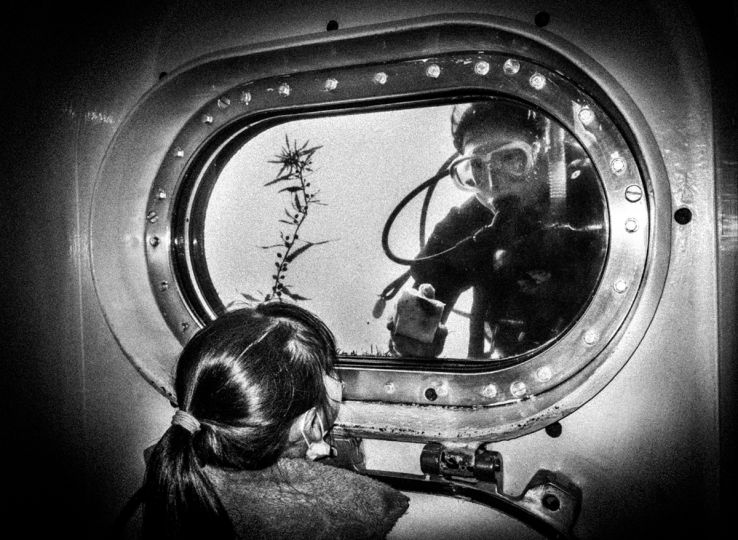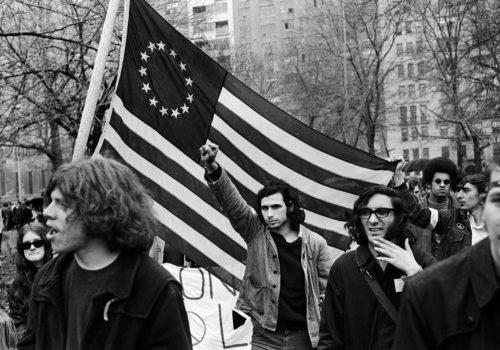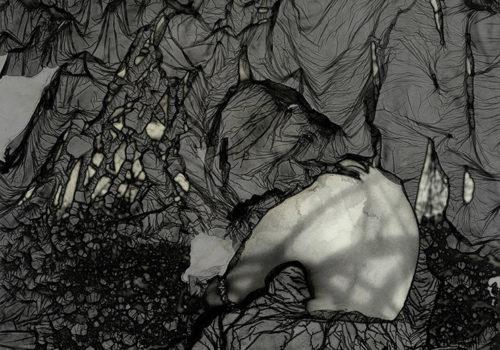
Ingrid Dorner (images 1-11) & Gert Motmans (images12-16) at IN-DEPENDANCE during PhotoBrussels
Many factors demonstrate how vibrant the 10th PhotoBrussels festival is: the number of participants (and its growth), the organisation and diversity are just a few of them. But also its role as a magnet for initiatives from outside Brussels: Ibasho/IN-DEPENDANCE, an internationally renowned gallery from Antwerp, swapped its location for the duration of the festival with the equally well-known Hopstreet gallery from Brussels. Proof of a breath of fresh air, openness and new dynamism blowing through the Belgian artistic milieu.
Under the title “Land- & Bodyscapes”, IN-DEPENDANCE presents a selection of artists from both Ibasho and IN-DEPENDANCE: Albarrán Cabrera (SP), Ingrid Dorner (FR), Sayuri Ichida (JP/UK), Hideyuki Ishibashi (JP/FR), Anton Kusters (BE), Gert Motmans (BE), Thomas Vandenberghe (BE) and Daphne van de Velde (NL).
It would take us too far afield to discuss all the artists, so we have made a selection. In my first contribution, I will talk about Ingrid Donner & Gert Motmans, and in the second about Daphne van de Velde and Sayuri Ichida.
Ingrid DORNER (1980) always works analogously and likes to transcend the boundaries of photography. Her subjects are always related to the personal, the family, her origins, the image of the family, the images found in the family archive.
She learned to use the technique of “Mordançage”. This method is based on 19th-century industrial staining and toning techniques, which were used in a wide range of industries (including photography). However, all credit for the modern use of the process goes to Jean-Pierre Sudre (1921-1997), who perfected it, gave it a new name and began to exploit its expressive possibilities to the full.
Dorner uses “Mordançage”. to alter her photographs: the action of the emulsions (literally) displaces parts of the image and creates veils, adding layers and nuances to the image. It is a process that is predictable, but ultimately uncontrollable. In the darkroom, the image is destroyed in order to rebuild it – an ultimate exercise in letting go.
The series LIMINAL – The Chemistry of Time shown here was conceived when the artist’s daughter was battling a serious illness. This starting point meant a double commitment for her: as a mother and as an artist. The repeated and prolonged medical interventions that attempt to support human resistance show parallels with the processes in the darkroom. They attack, they destroy in the hope of rebuilding life, of giving it a new chance.
Dorner achieves a perfect balance between technique and expressiveness. Her images show human figures in nature, in which the landscape merges with the human figures through “Mordançage”, visually reminiscent of organic material under a microscope.
Each of the four chapters of Liminal refers to a phase in the disease process. With part IV referring to recovery, she concludes this work and also leaves the “Mordançage”process behind. She intervenes with watercolour on the negatives, allowing the fragile hope of the healing process to seep into the images along with the light.
‘Liminal’ refers to a transitional phase, a transition between two states that is accompanied by uncertainty for the subject and the environment. The relationship between Nature and Body is a source of tension and becomes a clash of beauty and violence.
Ingrid Dorner was born in Auvergne, describes herself as a ‘Bretonne d’adoption’ (adopted Breton), and has been living and working with her family in Munich for about 15 years. She has had a rich and diverse artistic career, with theatre, directing and voice acting as her starting points.
Gert MOTMANS (1972) is a Belgian artist who lives and works in Antwerp. Originally studied Fashion at the academy, works with collage using his own photographs, found images, and other diverse materials to enrich the image tactilely and visually.
Motmans creates “layered compositions that reflect on memory, queer longing, and the emotional traces of time. His images often evoke slowness, silence, and vulnerability — echoing the softness of paper and the fragility of light.
Recurring themes in his practice include nature as refuge, the male body as a site of both tenderness and absence, and the attempt to hold on to what is ephemeral. Deeply influenced by poetry, cinema, and personal memory, his visual language is suggestive rather than explicit, inviting the viewer into a quiet, introspective space.”
In the second contribution about the IN-DEPENDANCE/Ibasho gallery, which is exhibiting today at the Rivoli gallery in Brussels, we will talk about Daphne Van de Velde and Sayuri Ishida.
The work of Gert Motmans is also to be seen at
- Art Rotterdam 27- 29 maart, 11.00 – 19.00u, at Ibasho/In- dependance in Rotterdam Ahoy Ahoyweg 10, 3084 BA Rotterdam
Land & Bodyscapes – Hopstreet Gallery/In-dependance Gallery by Ibasho
Albarrán Cabrera (SP), Ingrid Dorner (FR), Sayuri Ichida (JP/UK), Hideyuki Ishibashi (JP/FR), Anton Kusters (BE), Gert Motmans (BE), Thomas Vandenberghe (BE) and Daphne van de Velde (NL).
11 January till 7 March 2026.
Rivoli Brussels (space #44 – Hopstreet Gallery)
Sint Jorisstraat 109 / Rue St Georges 109
1050 Brussels
John Devos