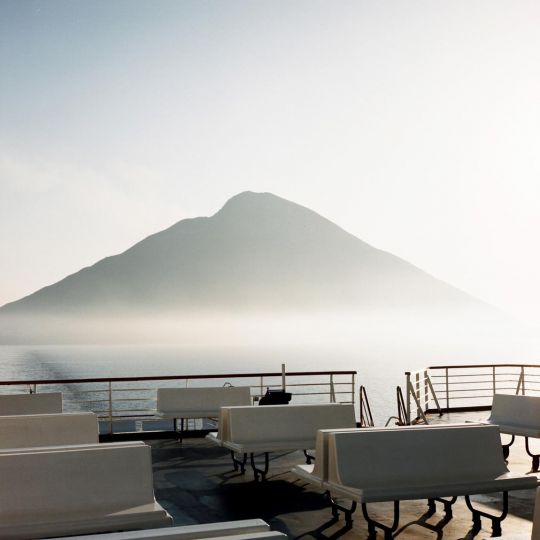
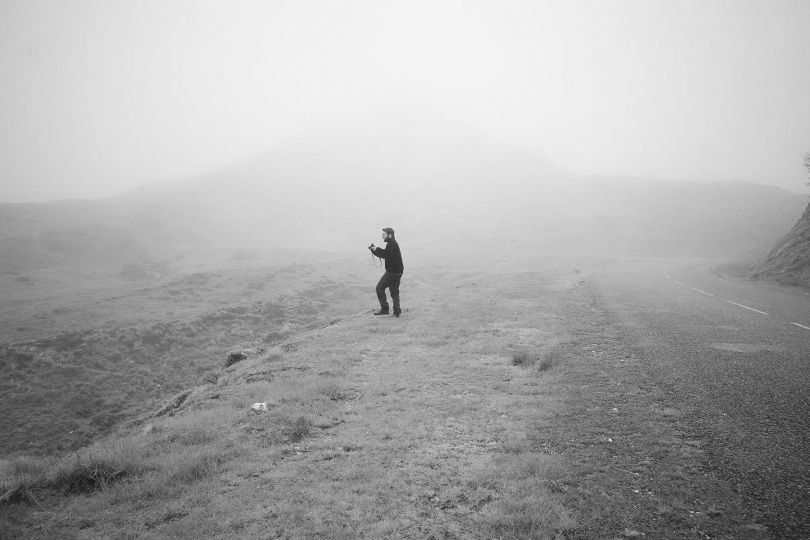
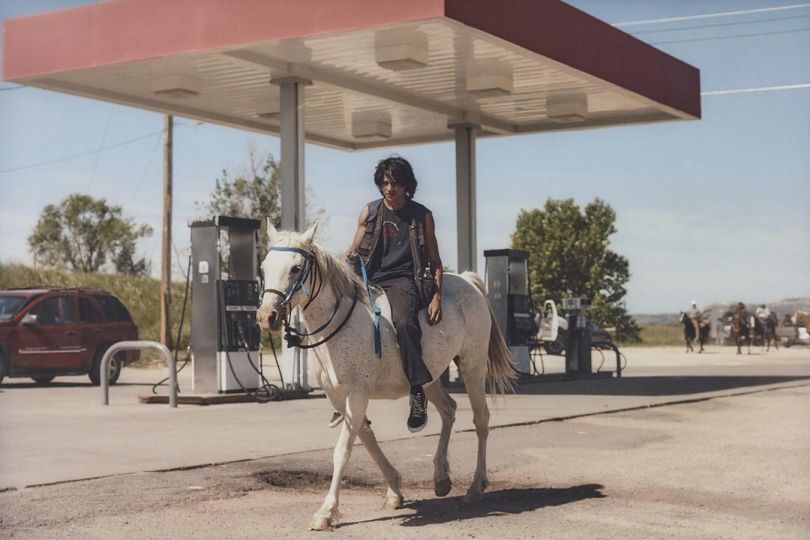
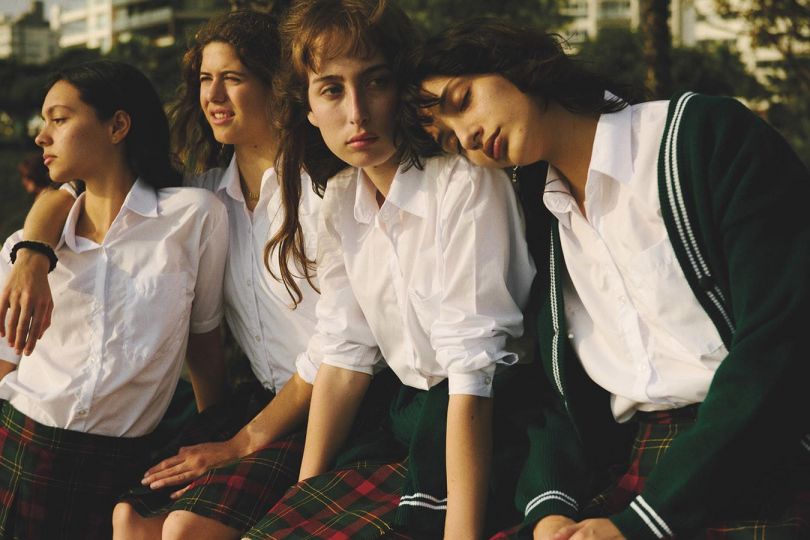
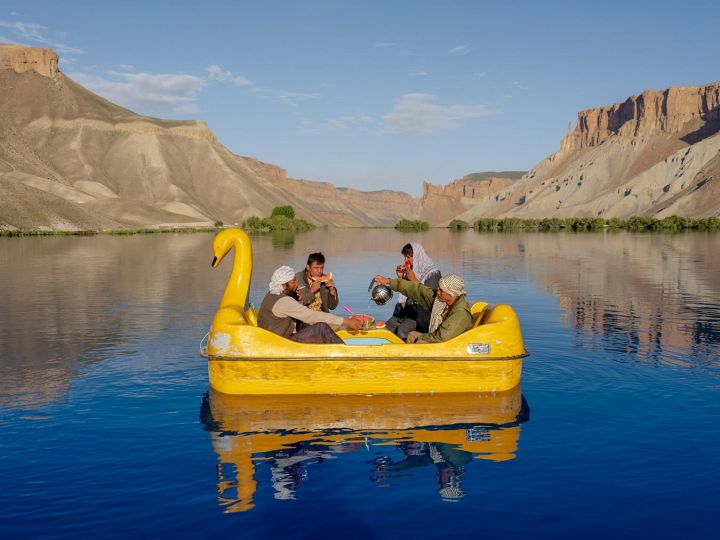
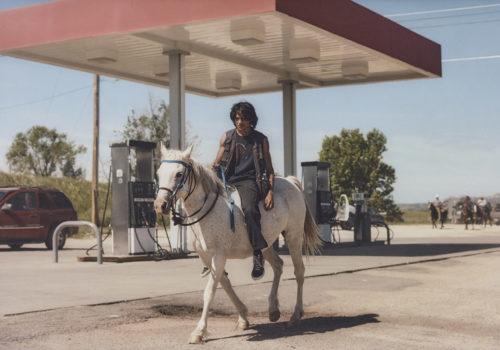
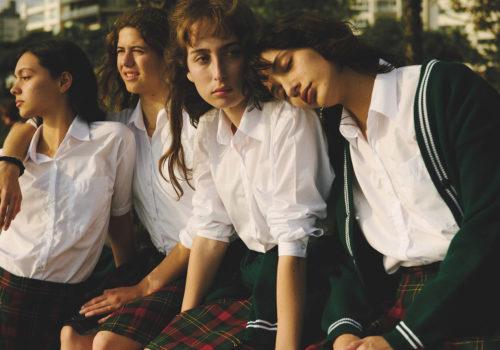
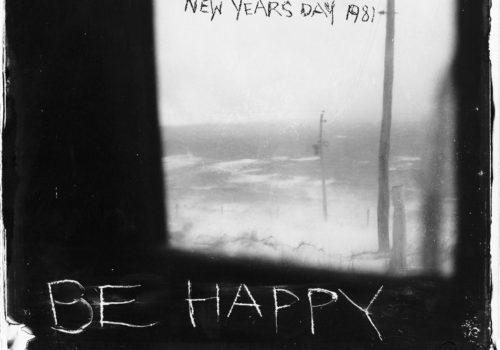
Analog photo collective born in Paris in 2019, Argenteurs hasn’t forgotten its roots. Between expired film, off-camera flashes, and colored gelatines, the three almost-anonymous photographers bring their fashion- and hip-hop-inspired aesthetic to the agricultural lands of Occitania. From July 14 to 21, they’ll share their vision of the South with the exhibition South in Paris at the Fisheye Gallery.
On your website, we don’t know how many photographers there are, nor your names. Is that a deliberate choice?
Dimitri Mazin: That’s a question we’re really grappling with right now — embodiment, personification. At the beginning, we wanted only Argenteurs to shine. But with the way the world is evolving, technology, artificial intelligence we’ve come to realize that humanity is more essential and valuable than ever. We need meaning, flaws, doubts and nothing embodies those better than people. Showing ourselves a bit more, revealing the creative process that’s something we’re working on today.
Maybe this is a good opportunity to share a bit more about the faces behind the collective?
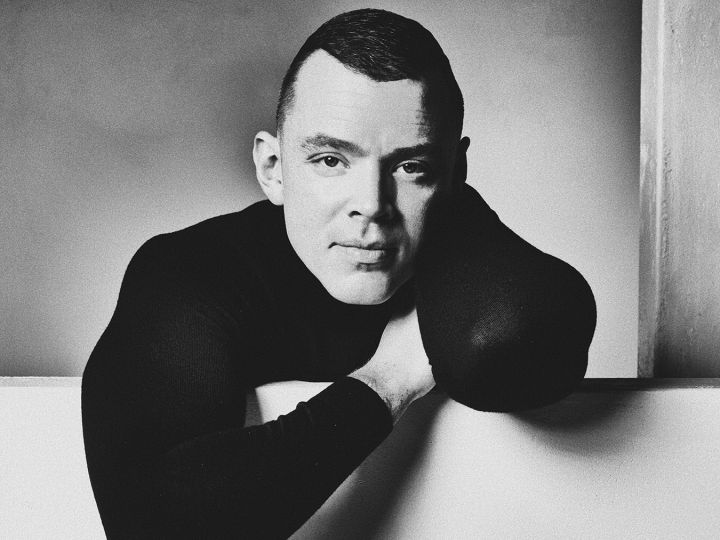
Pierre and I (Dimitri) are from the suburbs of Toulouse and have known each other since we were 15. We’re 26 now. We met Jules after high school. Now we’re a group of three friends. None of us were doing photography before. We each discovered it through personal and professional experiences. While Pierre was in film school, Jules and I did an internship at Rave Skateboards, where we had the chance to pose for a guy shooting on film. When we saw the images, we thought: “Whoa, that is a killer.” We bought an analog camera at a flea market and started shooting with a compact. We kept going, tried things, messing up… until we found our style. Argenteurs was born from a desire to share images, without any specific ambition. Our connection to music and hip-hop naturally led us to shoot concerts, events, music videos, and portraits. Always on film, with its imperfections and unpredictability.
What defines the DNA of Argenteurs?
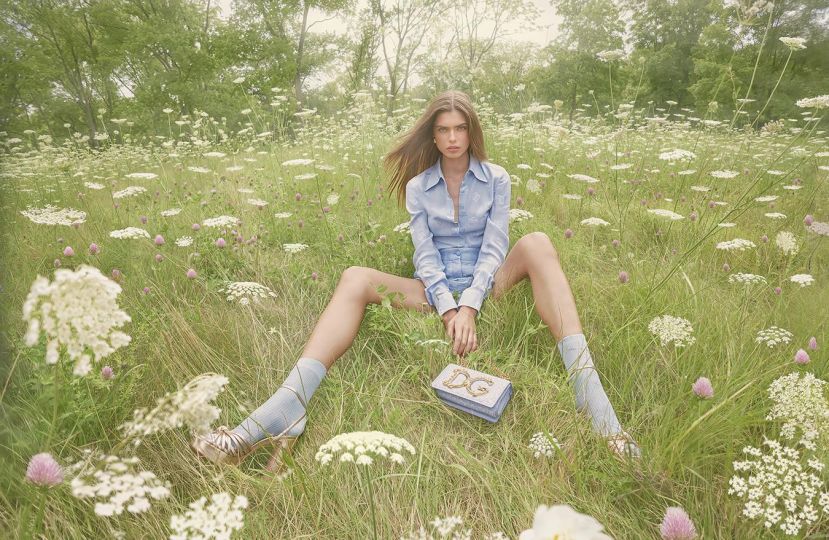
We’re a collective of artists with a genuine desire to present a vision, a philosophy to tell stories through a unique lens. We work with expired film, off-camera flashes, red, green, pink gels… We’re constantly experimenting. We love analog photography because it’s imperfect. It reflects who we are.
You seem to have a very organic relationship with photography.
“The perfect photo” I don’t even know what that means. There will always be photographers better or worse than us, but we don’t care. What matters is the story we tell. Analog photography is perfect for that there are flaws, uncertainty, skill, a connection to time… It’s the opposite of overproduction, overuse, overconsumption. And that’s something we need more and more.
How do the three of you work together?
We move in the same direction. We share references, a common artistic vision. We find ways to merge our sensibilities. Of course, there are disagreements, especially when it comes to choosing images. But since there are three of us, it is a majority decision. And sometimes, if one of us is really attached to a photo, he can pull out a joker.
How did South in Paris come about?
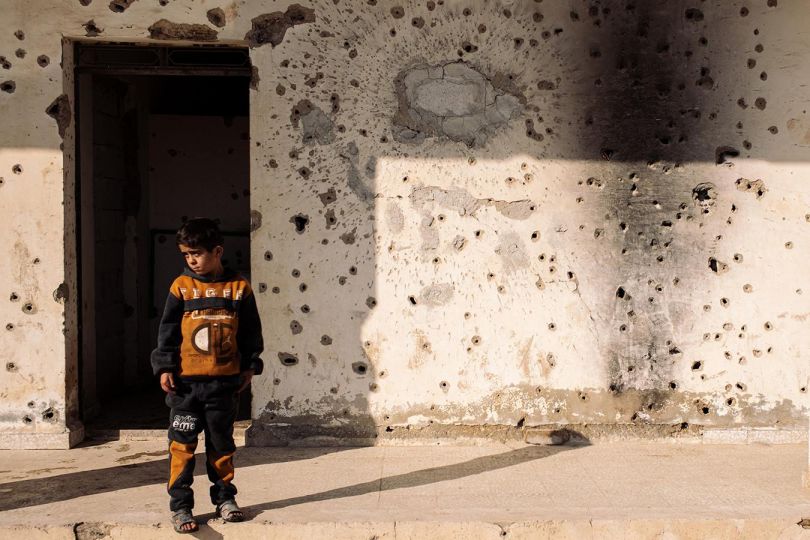
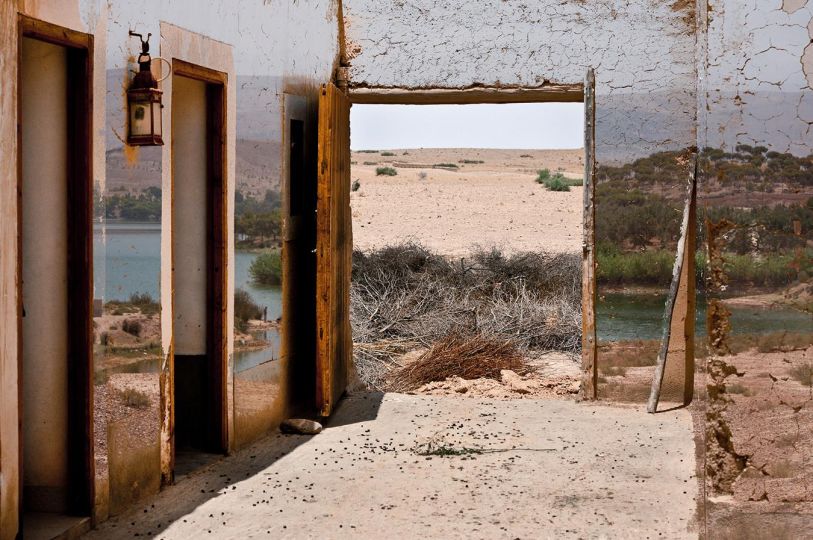
When we wanted to create a project that truly reflected us, we asked ourselves: “Who are we?” “What do we want to say?” There was this strong connection to music, and especially to the South. It’s our shared foundation. Photographing the South could have been done a thousand ways. We wanted to apply our aesthetic, inspired by fashion and hip-hop, to the agricultural world of Occitania. So we set off, the three of us, driving through villages. As we met people, we discovered a world in distress. It deeply moved us. The theme of the exhibit, which was meant to be very sunny at first, shifted. And then the weather was bad! Few people know that, but it changed everything: we used a lot of colored flash, shot many images indoors.
And this work was first shown last fall at Point Éphémère?
Yes, we wanted an event where one room would show the South in images, and the other would feature the South in music. During the evening, lots of people were looking for us without knowing who we were. It was funny, kind of mystical. But the photos were only on display for two and a half hours. Since we really wanted to give this project the attention it deserves, we searched for a new space. Fisheye Gallery went for it.
How do you take over a space like the Fisheye Gallery to present this kind of work?
The idea is to show the project our way not just by hanging photos. First off, there will be two photo selections: one for the week, another for the weekend. We’ve also planned a Super 8 viewer with a curtain so visitors can immerse themselves in videos shot with that camera. A light table with a magnifier will let people look at some negatives. And most importantly, there will be the wall of intentions, which means a lot to us. It will showcase expired film rolls, behind-the-scenes material, and the human side of the project. We also brought back cheese and wine from the farmers and winemakers we met during the project, and visitors will be able to taste them while viewing the images. And since music is still essential to us, there will be vinyls at the opening, so the music, too, stays organic.
More Information