The Wind is proud
For this project, several photographic chapters were created at different times over the last four years: during the last wild blackberry harvest and jam-making, a family ritual marking the end of summer; during my grandmother’s last meal at home, on the day she entered a nursing home; during subsequent visits to her old house, without her presence; and during my visits to the nursing home or hospital.
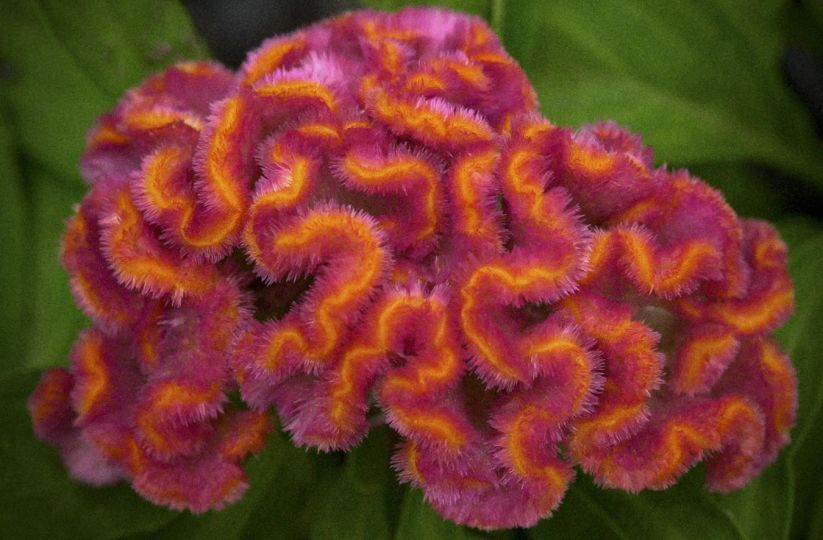
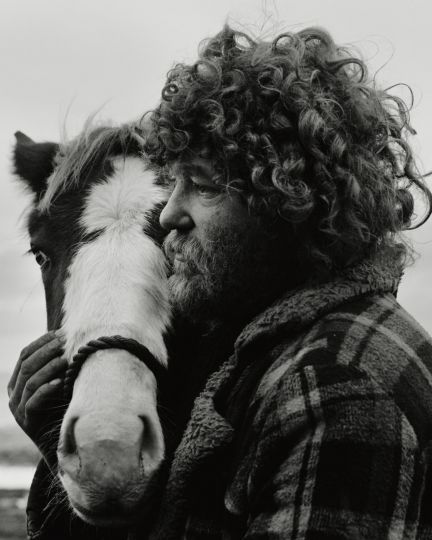
These works, consisting of portraits, close-ups of objects and certain parts of the body, and landscapes that vary with the seasons, question the passing of time and the immateriality of memory, particularly when it is damaged by neurodegenerative disease.
Sensitive to the vision of artist Tina Barney, I chose to crop the faces out of certain photographs to focus on a gesture or action, or to adjust the focus on one of the shots to highlight certain objects or family traditions. The body of work becomes a form of preservation of this heritage, unconsciously passed down from generation to generation, whether it be an intangible heritage composed of expressions (from which the title of the exhibition is directly taken) and rituals, in the manner of the work carried out by the Living Memory Museum in Canada, or a tangible heritage, through the preservation of objects.
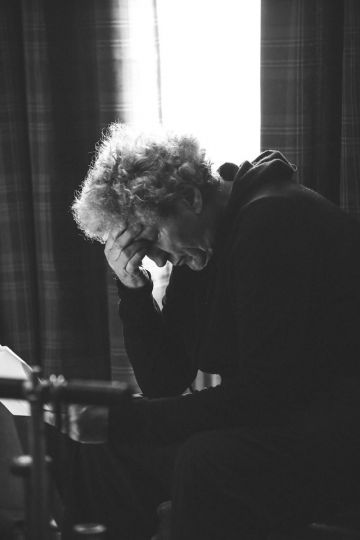
Through this project, I also seek to capture the violence of the end of a chapter in life, linked to the loss of autonomy and characterized by the departure from the home that was once “home,” with the awareness that one will never return, to move into a retirement home or nursing home. I seek to capture these fleeting final moments, whose existence we only realize once they have passed, like nagori frozen in an image.
The observation of the growing invisibility of old age, coupled with issues related to rural areas, directly feeds two ambivalent strands of my artistic research. The first aspect aims to bring together situations that are often silenced and yet experienced by many, as caregivers or spectators. The second aspect is more critical, relating to the difficulty of accessing care and the quality of end-of-life support.
Through the gradual disappearance of domestic and identity anchors, I want to make visible realities that are often relegated to the margins of social attention. By offering a confrontation of images, objects, and sounds, I attempt to capture those moments of transition, those tenuous moments when something is falling apart and yet persists.
In resisting to the inexorable, I want to capture what is slipping away, to give it a place to echo. The result is a shared territory in which everyone can recognize a part of their own history—those intimate and universal cracks, marked by silence and fear, but also by the beauty of what remains.