Seydou Keïta was born circa 1921 in Bamako (then the capital of French Sudan). He did not attend school and at the age of seven became an apprentice carpenter to…
 Archives

© 2026 All rights reserved - The Eye of Photography
Archives
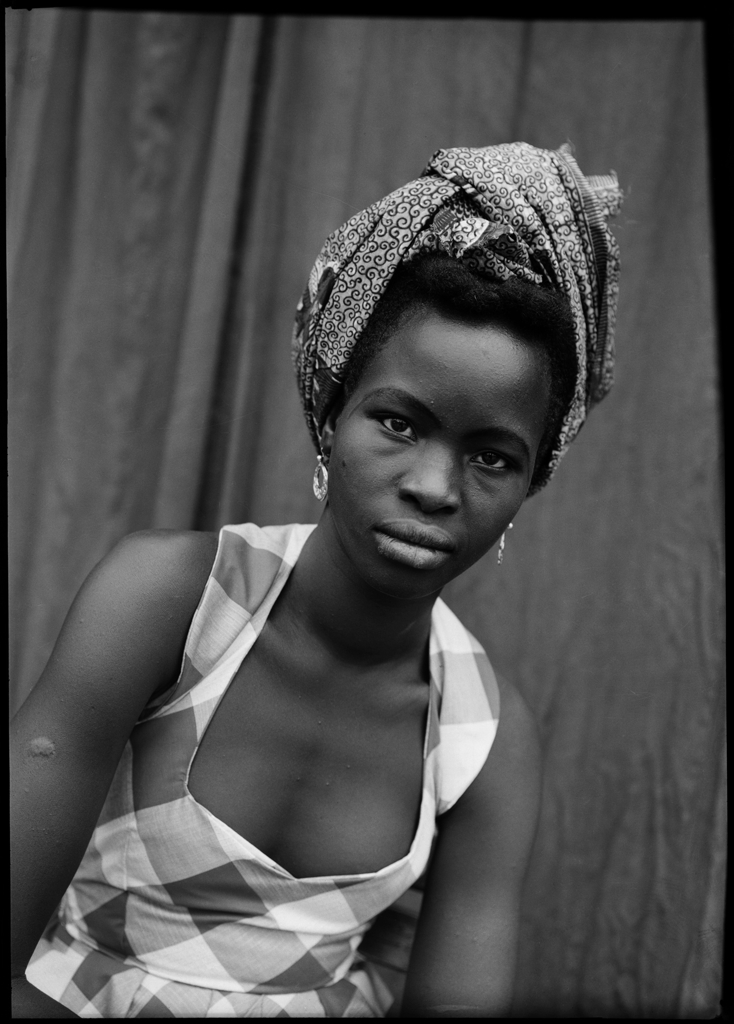
Seydou Keïta was born circa 1921 in Bamako (then the capital of French Sudan). He did not attend school and at the age of seven became an apprentice carpenter to…
 Archives
In the 1950s, there were three photographers in Bamako: Seydou Keïta, Malick Sidibé, and Abdourahmane Sakaly, a young Moroccan. We would go to Seydou Keïta for studio portraits, to Malick…
 Archives
Seydou Keïta is without doubt one of the greatest African photographers of the last century whose work, when it is analysed, is marked from the start by signifiers of the…
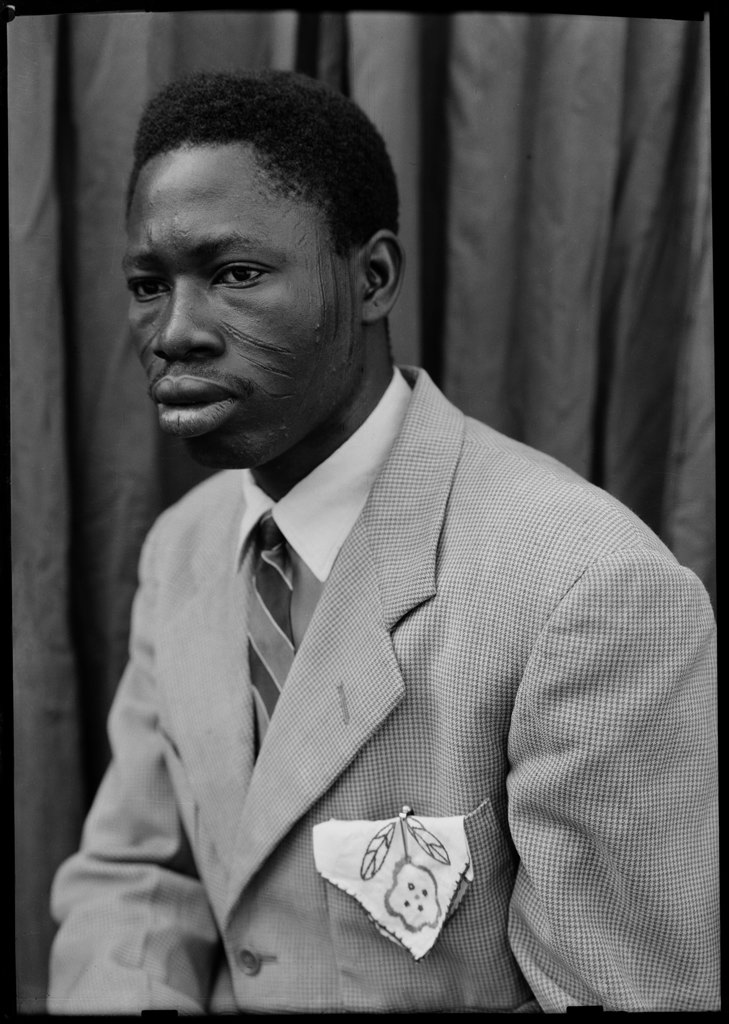 Archives
My interest for contemporary art in Africa began in 1986, when I worked preparing “Magiciens de la Terre”, the first real international exhibition presented in 1989 at the Centre Pompidou…
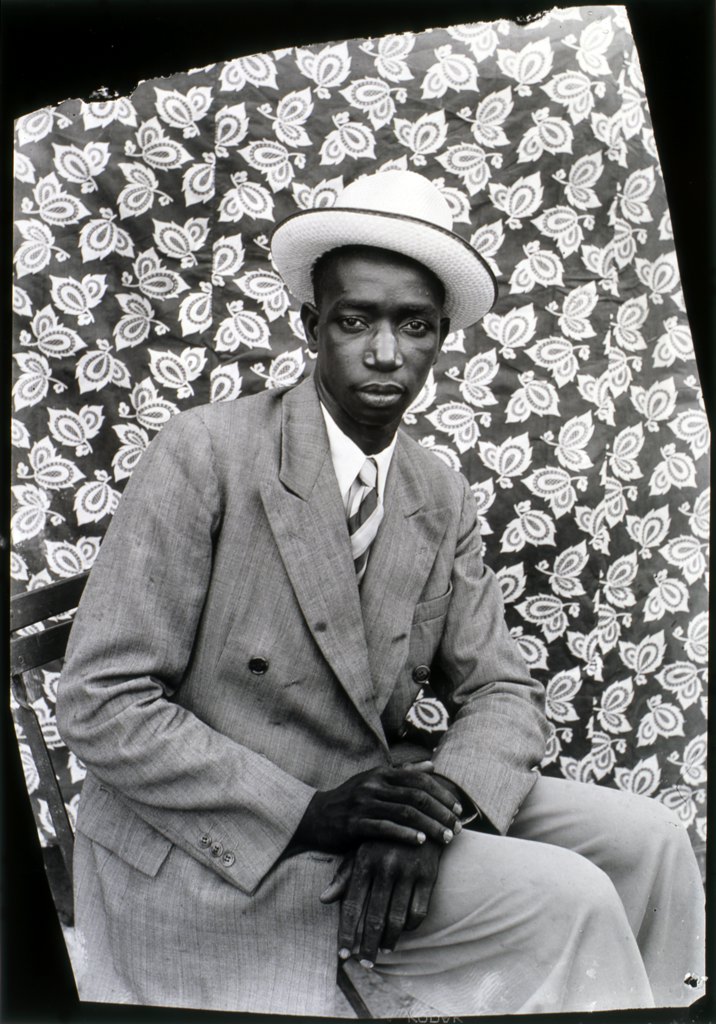 Archives
Most of the photographs taken by Keïta in his Bamako studio between 1948 – when the studio opened – and 1962 – when it closed down for good – remained virtually unknown other than by the photographer’s immediate…
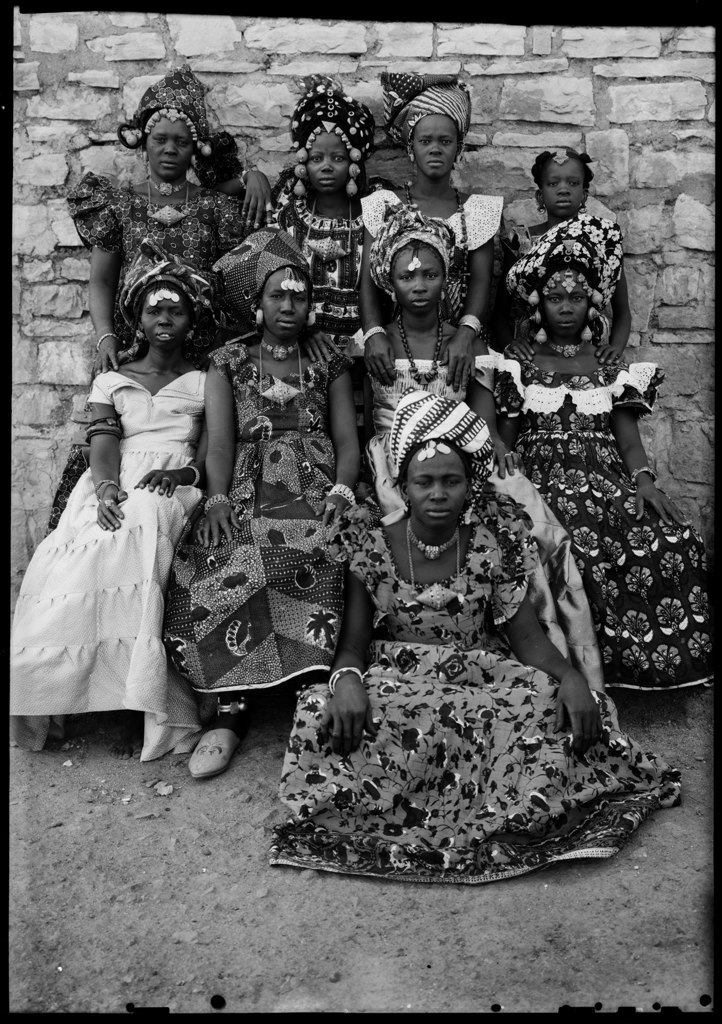 Archives
When one poses for a portrait, one generally tries to show oneself in the best light. Traditionally, this means wearing one’s best clothes, accessorizing, and striking a flattering pose in…
 Archives
With upbringings rooted in traditional values, the photographers of postwar Italy considered the landscape to be an integral part of their lives and photographic practice. For these photographers, the Italian…
 Archives
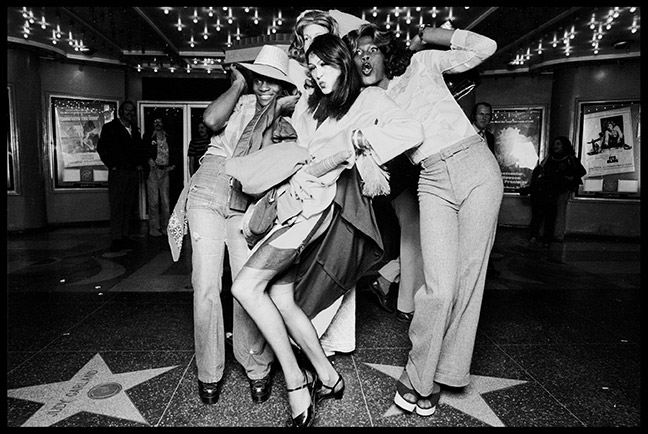
In 1958, the Hollywood Walk of Fame was created as a tribute to artists working in the entertainment industry. The Hollywood Walk of Fame comprises of more than 2,500 five-pointed…
 Archives
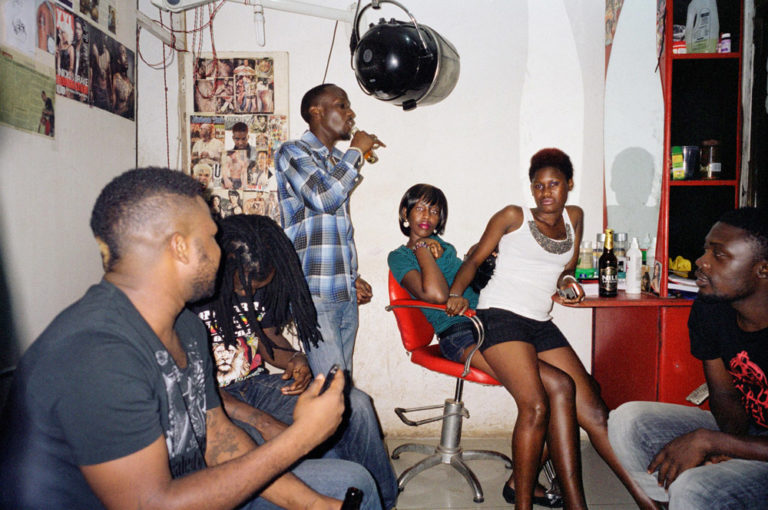
Street-walkers, good-time girls, vagabonds, village fools, rastas, pimps, drunken expats, drunken locals, drunken everybody, underpaid guards, overworked bouncers, old-timers, orphans, urchins, beggars, hoodlums, hustlers, grasshopper vendors, all kinds of cops,…
Every morning, receive the latest world photography news and events. And it’s free!