As my research into film progressed, I wanted to demonstrate that it was possible to develop black and white films, rolls and papers in various alternative natural products and in an ecological way, see since September 2023 my sheets/recipes published in our section of The Silver Eye.
Recently, I decided to push my curiosity a little further.
I realized that by mixing various beautiful spring flowers in a specific way, you can create and create a natural developer whose results are often quite surprising (fine grain, contrast, texture, wide range of grays, etc.).
In my recent experiments, a single type of alternative developer, using the same composition, allowed me to develop a film, and then, in turn, develop barium prints from the film in question. The result is a natural developer whose somewhat universal nature I will venture to describe here.
By combining dried preserved lavender flowers with fresh purple lilac flowers from our garden, and adding pure powdered vitamin C, sodium carbonate, and a little iodized table salt during the process, I finally succeeded in designing a developer that allowed me to successively develop film and paper prints.
A timeline of how this universal alternative developer, made with lavender and lilac flowers, was made.
– First, weigh the required quantity of flowers to make 1.5 liters of ready-to-use base product.
That is: 35g of dried lavender flowers and 25g of lilac flowers picked from our shrub, for a total of 60g of flowers.
– Then, as with preparing a developer made with aromatic herbs, you need to make a decoction.
– If you only want to develop paper prints, you can use tap water. If, on the other hand, you also want to develop film or roll stock, then in this case, choose demineralized water initially.
– Soak your flower mixture in this amount of cold water for at least 5 minutes to allow it to absorb the liquid. Only then can you begin decocting.
As soon as the water begins to boil, allow 15 minutes of decoction, but at a gentle boil, stirring occasionally.
– Once the decoction is complete, let the liquid cool slightly and then strain it.
– Once this is complete, you can now begin weighing the ingredients needed to actually make your developer.
– For one and a half liters of product, first weigh, in the order of dissolution, 15 grams of pure vitamin C powder, then 57 grams of sodium carbonate, then 5 grams of iodized table salt, and finally add 2 drops of dish soap.
I recommend dissolving between 22° and 25°.
The role of pH in determining the proper balance of your developer.
As you probably know, to ensure a developer’s proper performance, it’s useful to know its pH.
In fact, conventional chemical developers generally have a pH between 9 and 11.5 (a good balance between acidity and basicity). Therefore, if you have a small pH meter pen, it’s advisable to check this value at the end of your production.
The pH affects the contrast, film density, stability of your product, and ultimately the development speed of your solution. For example, a pH that’s too high will increase the contrast of your film, while a pH that’s too low will decrease it.
If necessary, you can adjust the pH of your developer at the end of its production with a little baking soda. In this case, proceed by adding very small amounts while monitoring the change as you go with your pH meter pen.
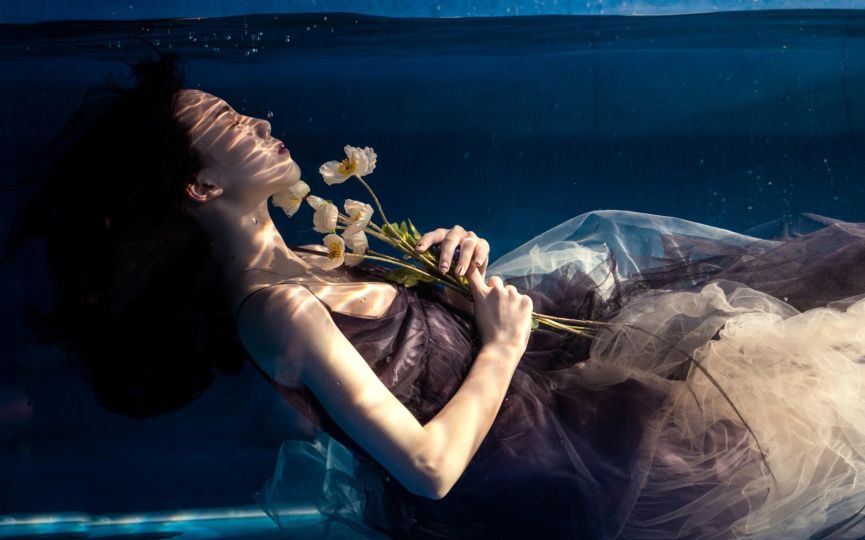
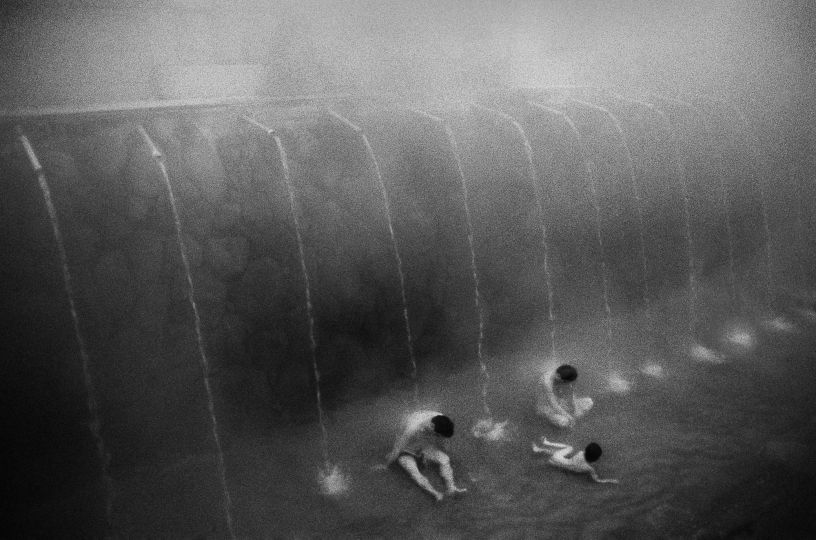
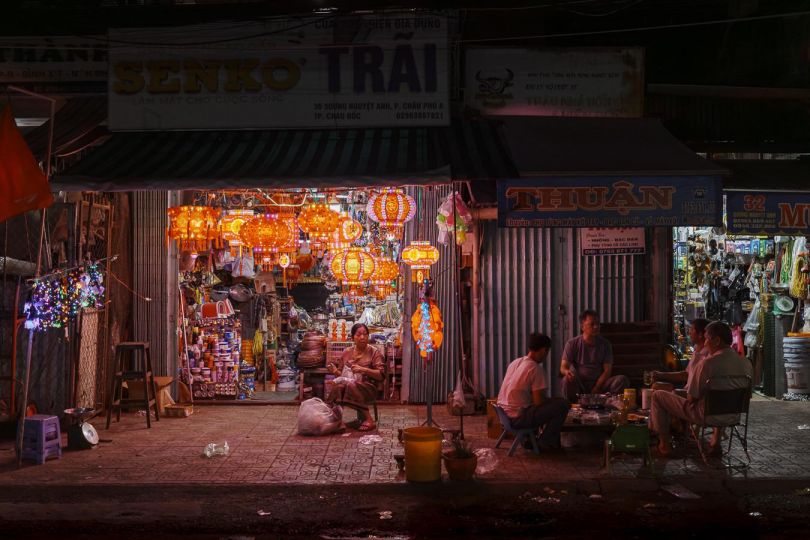
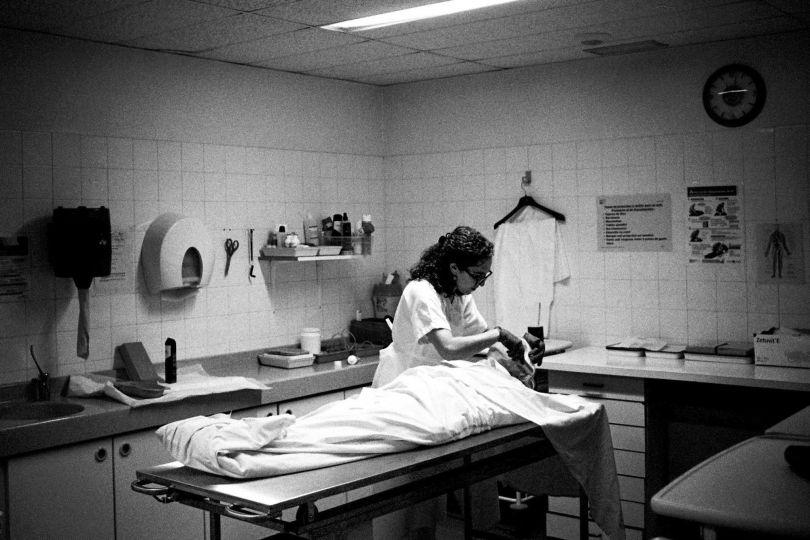
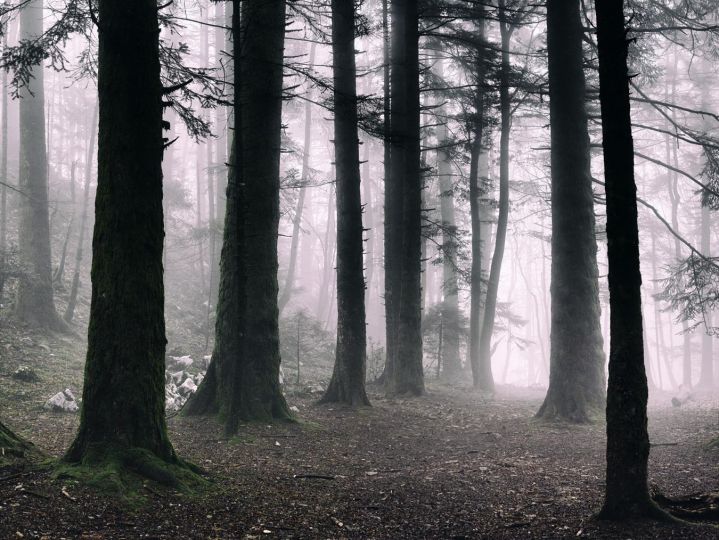
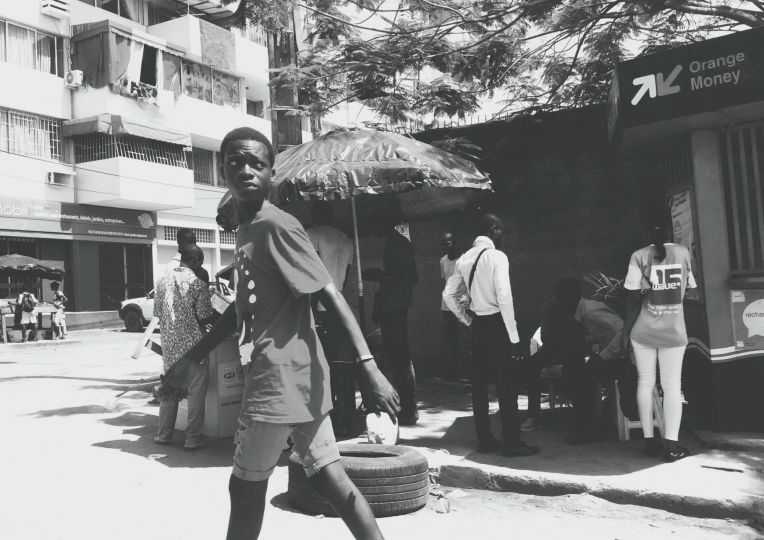
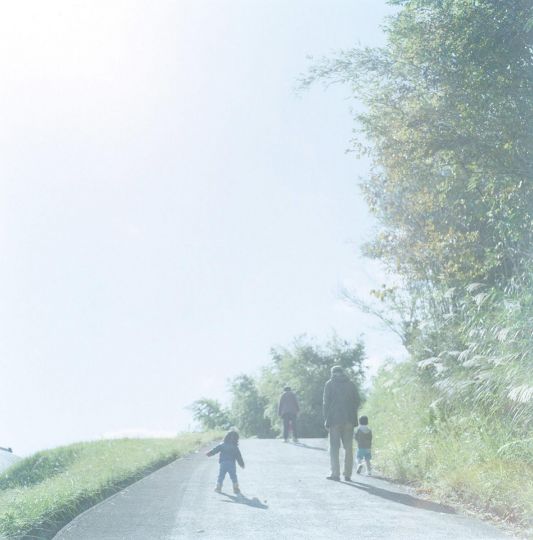
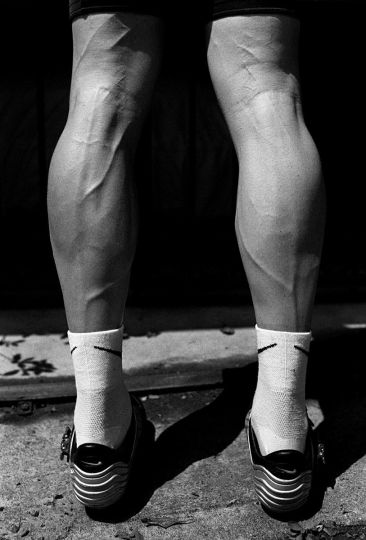
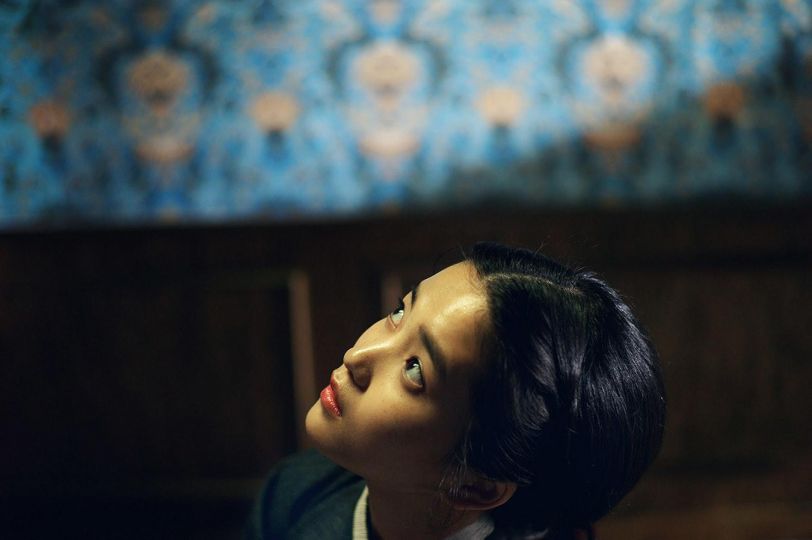
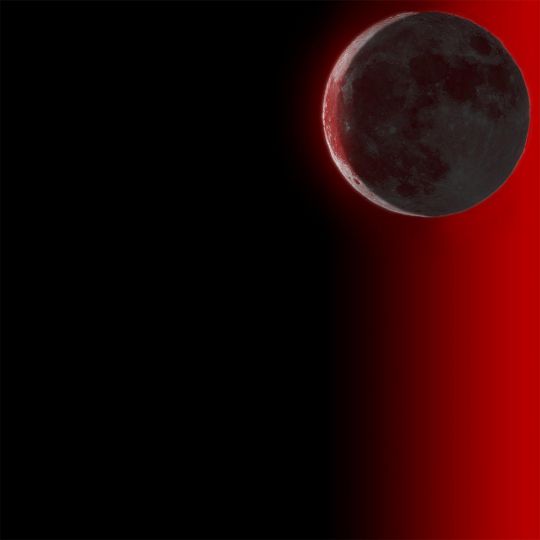
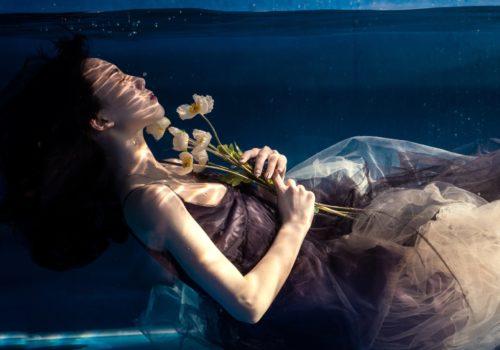
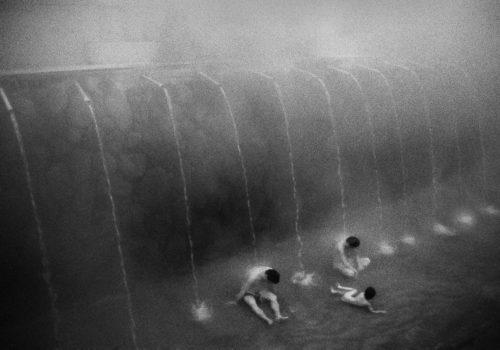
Regarding the formula proposed for my mixed lavender and lilac flower developer, I obtained a final pH of 10.6, which is perfectly acceptable. (See attached for the various results obtained, negatives and paper prints).
As mentioned previously in my published sheets/recipes, the development of baryta papers is carried out in a natural alternative developer, which is always used at a high temperature, between 32° and 35° in order to allow good penetration of the natural developer into the emulsion. As for the development of a film or a film, I advise you to develop it at a temperature of around 25° maximum, for a development time of 15 minutes.
Depending on your shooting style, you can, after some experience, either increase or decrease your development time slightly. Decide based on what you want to achieve later when printing. For a normally developed negative of normal density, the exposure time under a conventional enlarger is between 1 and 2 minutes at a good aperture.
Each time you develop film or print paper, be sure to carefully note down all the settings you have programmed; this is important for remembering them for future operations.
For baryta papers (see my previous articles), allow for a development time of between 4 and 6 minutes, taking care to gently turn your sheet of paper intermittently in the tray and regularly.
Assume that a natural alternative developer acts more slowly in the emulsion. Caution: Don’t forget the water bath to maintain the temperature of your developer throughout the development process.
Finally, be aware that as your prints dry, baryta papers tend to continue to “increase” in density, a term used in the trade. Try to take this into account when developing your prints; don’t overdevelop them.
Generally speaking, and to conclude, under the conditions of use I’ve just explained, you’ll find that when developing a print in a natural alternative developer, you’ll have to wait a good minute before the image begins to appear on the sheet of paper.
Jacques Revon
Honorary journalist, author, photographer.
https://fr.wikipedia.org/wiki/Jacques_Revon
Jacques Revon, photographer and journalist, invites you to participate in a first photography workshop/course where you will discover his research into alternative film techniques, allowing you to develop black and white films yourself using developers made from natural products.
This course is organized on June 14th and 15th by the Association for the Development of Photography in Vallon, located in Occitanie, Aveyron, in the heart of the Marcillac vineyards.
Register for the course on the HelloAsso website.