Julien Drach: A legacy of vision, a memory in light
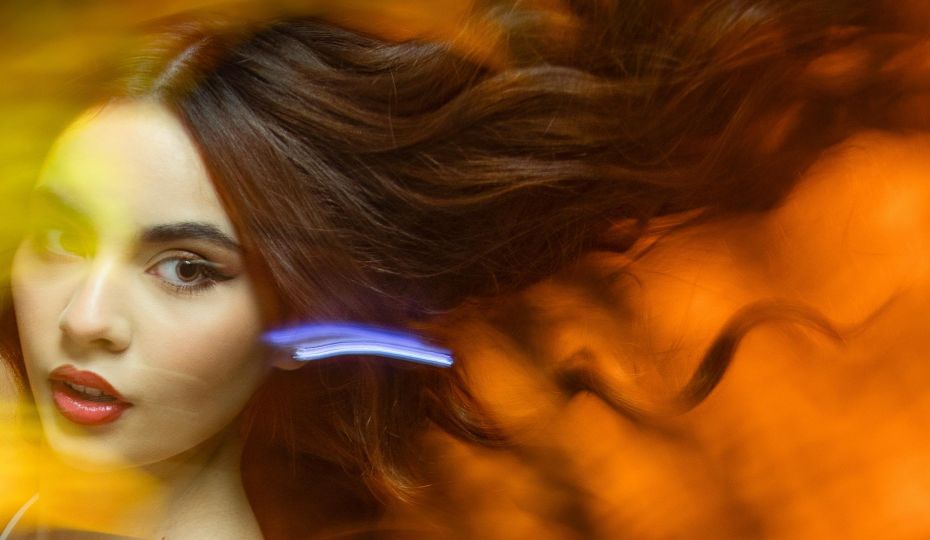
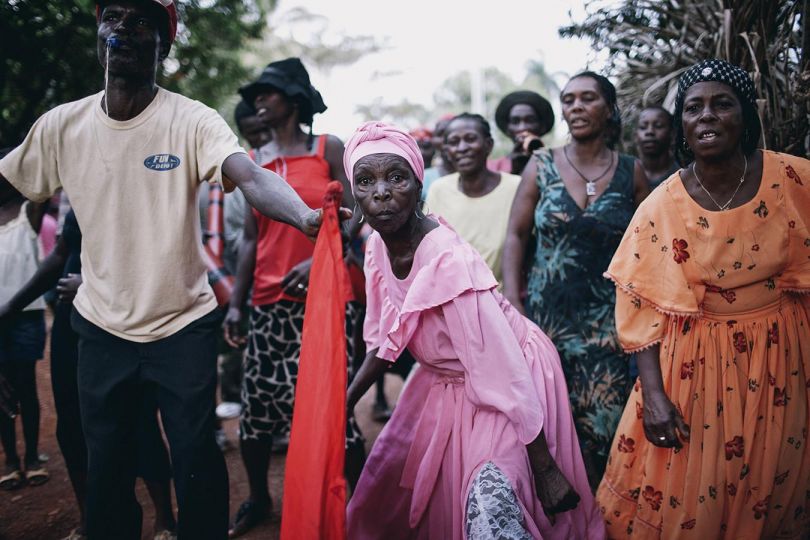
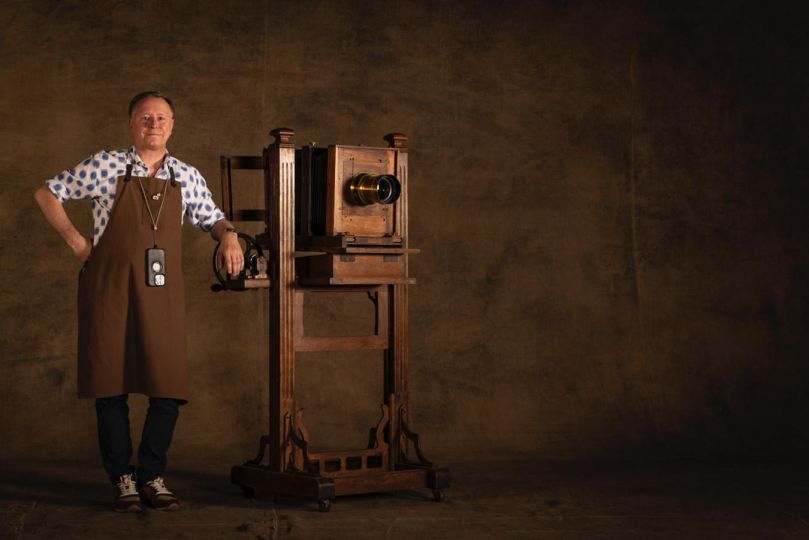
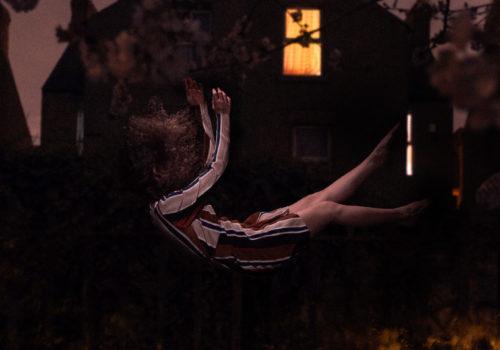
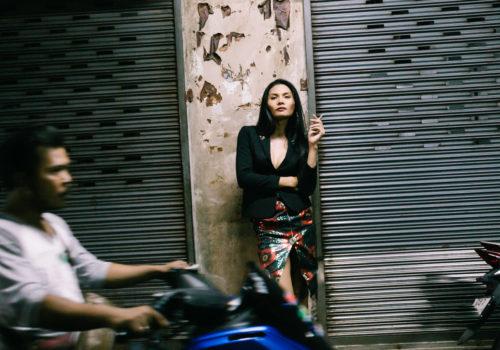
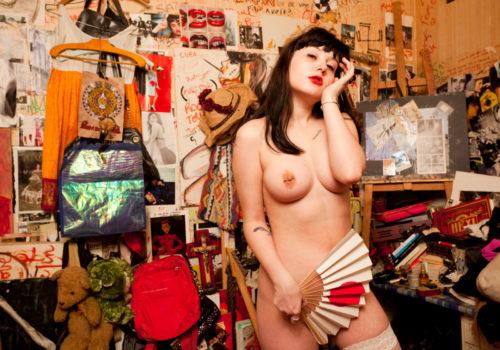
A photographer of intimacy and emotions, Julien Drach composes images the way one sculpts silence. Born into a family immersed in art, literature, and cinema, he developed early on a curious gaze—one marked by both gentleness and gravity. Far from flashy effects, his work favors nuance, chiaroscuro, and suggestion over obviousness. Each photograph seems to hold a story beneath the surface, a whispered secret, a subtle yet enduring emotion. Whether capturing a face, a forgotten piece of architecture, or a simple play of light and shadow, Julien Drach consistently seeks to reveal the soul of things. His work lies at the intersection of poetic documentary, inner painting, and collective memory—a kind of inhabited, almost tactile photography, where aesthetics meet the emotional.
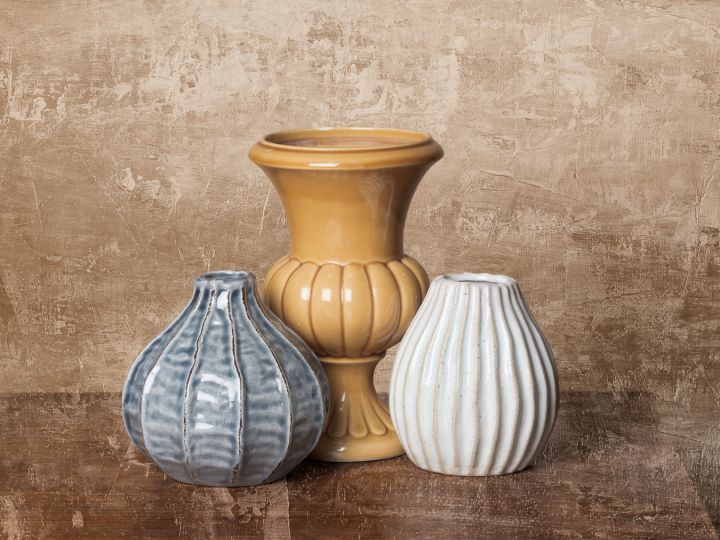
Currently on view at the Anne-Sophie Duval Gallery in Paris, Julien Drach presents a series created between Pompeii and Athens, where ancient ruins and contemporary poetry engage in an elegant dialogue. Surrounded by Art Deco objects and furniture thoughtfully selected and staged, his prints unveil a vision of the world where the setting becomes a narrative, and the image, a living memory. An invitation to contemplate, to feel, and to rediscover beauty as an act of resistance against the noise.
Website : www.juliendrachstudio.com / Instagram : @juliendrach
Exposition : « Roots of Heaven » – Galerie Anne-Sophie Duval, 5 Quai Malaquais Paris 6e, until June 2nd, 2025.
Your first photographic trigger?
Julien Drach: The city of New York.
The man or woman of image who inspired you?
J.D.: Manuel Álvarez Bravo, Sarah Moon, Deborah Turbeville, Sheila Metzner.
The image you wish you had taken?
J.D.: The next one.
The one that moved you the most?
J.D.: Lee Miller in Hitler’s bathtub.
And the one that made you angry?
J.D.: Any selfie.
Which photograph changed the world?
J.D.: The first one… taken by Nicéphore Niépce in 1827.
And which photograph changed your world?
J.D.: The photographs by Manuel Álvarez Bravo exhibited at the MoMA in New York in 1997.
What interests you the most in an image?
J.D.: Composition more than the subject.
What’s the last photo you took?
J.D.: Color Polaroids of my Paris studio.
A key image in your personal pantheon?
J.D.: The work of Sheila Metzner, especially the Romaine series for Fendi and Paolo Roversi’s Polaroids.
A photographic memory from your childhood?
J.D.: My father’s analog Canon.
In your opinion, what makes a good photo?
J.D.: Luck.
The person you wish you had photographed?
J.D.: My father.
An essential photo book?
J.D.: Unseen Versailles by Deborah Turbeville.
The camera from your childhood?
J.D.: A Polaroid SX-70.
The one you use today?
J.D.: The list is long—each camera is a tool, like brushes for a painter.
How do you choose your projects?
J.D.: A matter of desire. I create images I want to live with. I fully embrace and reclaim the word “decorative,” in the noblest sense. It’s a great joy to currently present this series of photos taken between Pompeii and Athens at the Anne-Sophie Duval Gallery. My prints converse alongside Art Deco objects and furniture, brilliantly selected by Julie Blum and staged by Vincent-Emmanuel Rouxel.
How would you describe your creative process?
J.D.: Always inspired by painting or cinema… to better escape reality.
Your favorite drug?
J.D.: Chocolate from Alain Ducasse.
The best way for you to disconnect?
J.D.: I haven’t found it yet… but I promise, I’ll start looking.
What is your personal relationship with the image?
J.D.: Obsessive. I see the world as a cinematic storyboard.
Who would you like to be photographed by?
J.D.: No one… I now hate being photographed.
Your last extravagance?
J.D.: the 12th coffee table for my studio. I’m a maximalist!
An image to illustrate a new banknote?
J.D.: Man Ray’s Face of Pearl and Ebony Mask.
And if you hadn’t been a man of images?
J.D.: I would probably have become an antiques dealer.
Your greatest professional extravagance?
J.D.: The next one… I’ve already had several professional lives.
Which question could throw you off?
J.D.: Your next two questions.
The question you wish someone had asked you, but never did?
J.D.: See previous answer.
What’s the last thing you did for the first time?
J.D.: See previous answer.
The city, country or culture you still dream of discovering?
J.D.: Italy, again and always… and Japan, for the first time.
The place you never tire of?
J.D.: Italy.
Your biggest regret?
J.D.: Not speaking Italian, precisely.
What have social media brought, in your opinion—for better and/or worse?
J.D.: Incredible visibility and the chance to discover talented artists. And on the downside… immense visibility given to people with no particular talent.
Color or black and white?
J.D.: Both, sometimes for the same project. Choosing is giving up.
Natural light or artificial light?
J.D.: Natural light, even at night.
Which city seems the most photogenic to you?
J.D.: Any city can be photogenic. It’s the photographer’s perspective and intention that make it so.
If God existed, would you ask him to pose for you or prefer a selfie with him?
J.D.: I’d ask him to take his own portrait.
If I could organize your ideal dinner, who would be at the table?
J.D.: Man Ray, Cy Twombly, Christian Bérard, Fellini, Monica Vitti, John Cassavetes, Lee Miller.
The image that represents today’s world for you?
J.D.: The last full moon, known as the “Pink Moon.”
If you had to start all over again?
J.D.: Every new project is a fresh start—with doubts and risks.
What do you wish people would say about you afterward?
J.D.: The show must go on.
The essential thing to know about you?
J.D.: I am a man of my word.
A final word?
J.D.: That’s the perfect epitaph. It would be a quote from Saint-John Perse:
“What’s the point of taking life seriously? In any case, we’re not getting out of it alive.”