Armin Morbach : Visual Faith
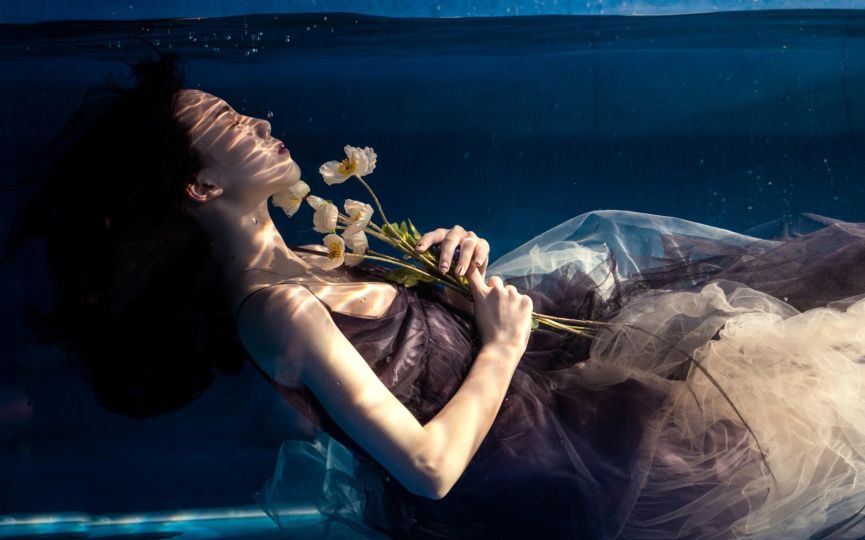
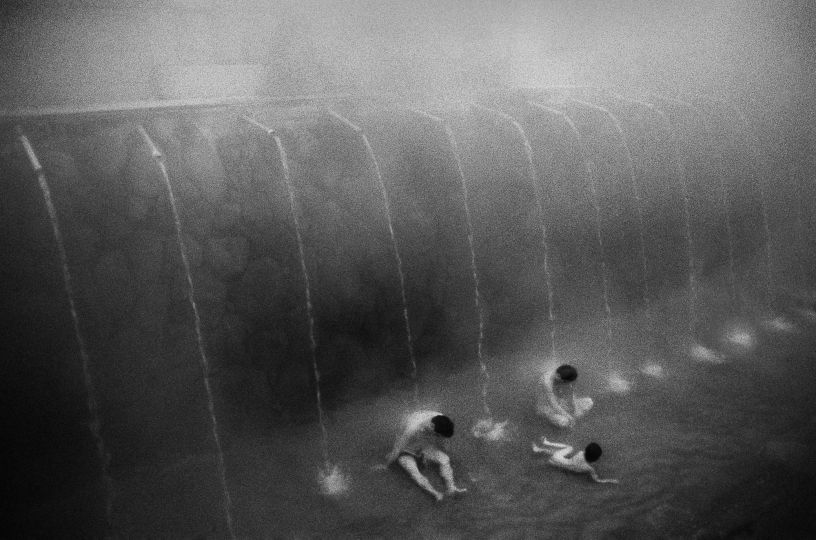
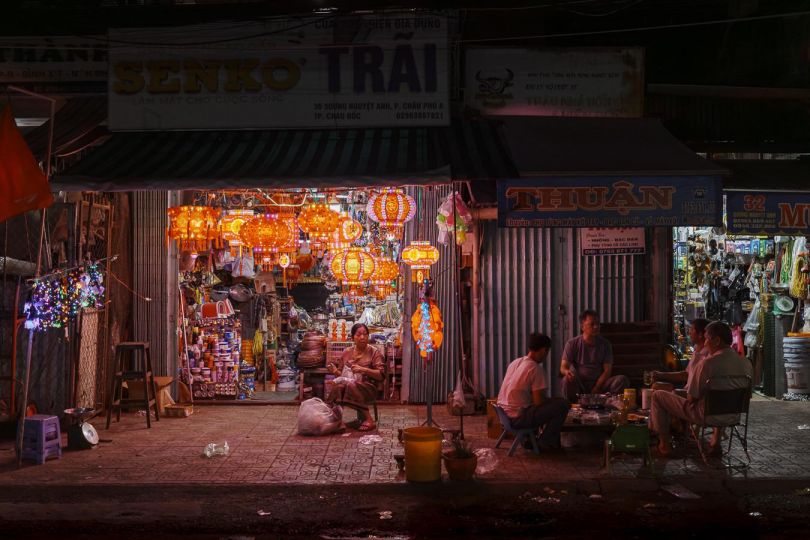
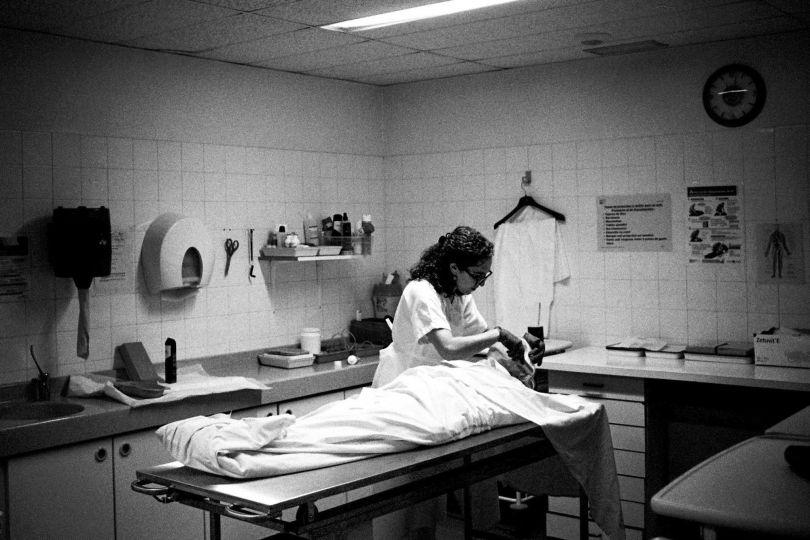
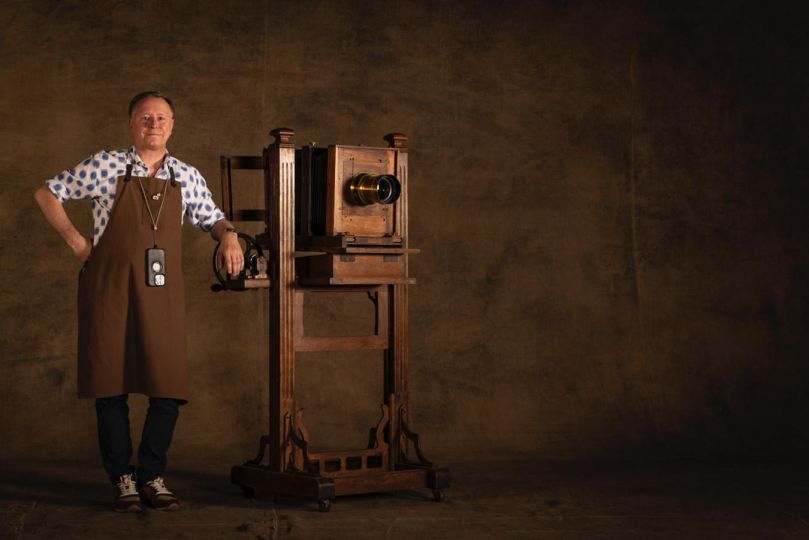
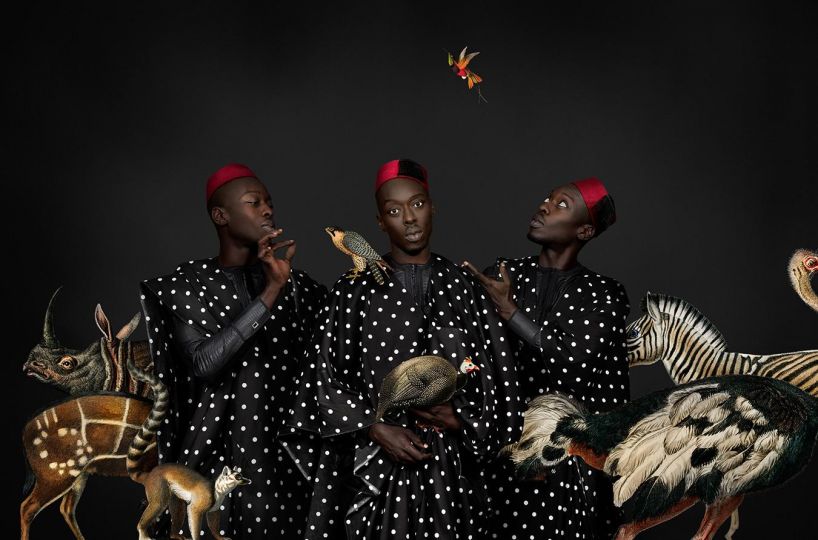
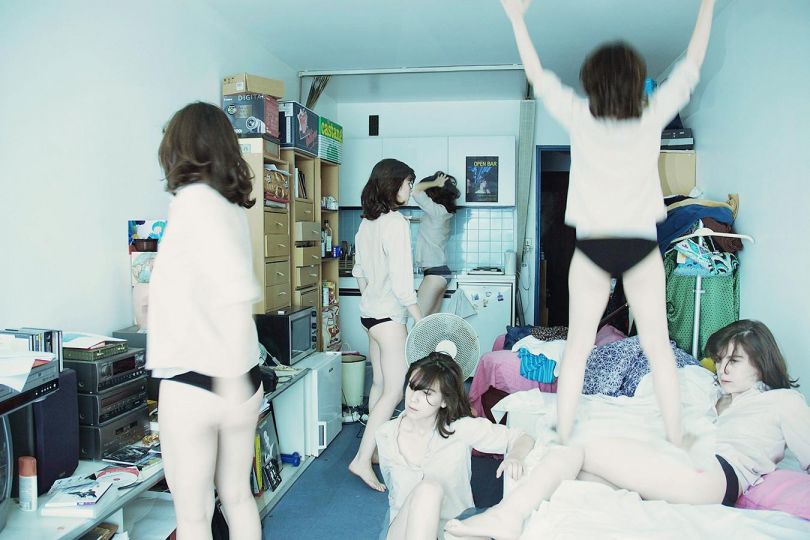
Armin Morbach is a multifaceted creator who constantly pushes the boundaries of images. Photographer, art director, hairstylist, and makeup artist, he transforms each project into a visual laboratory where beauty, far from being a mere ideal, becomes an act, a question, and a sensory experience. Emerging from the demanding world of hairstyling and makeup, he quickly expanded his scope to photography and art direction, establishing himself as one of the most influential figures of his generation. Founder of TUSH, the cult magazine that has challenged aesthetic conventions for twenty years, he developed there a radical and singular visual language. Every image is conceived as a narrative: every pose, every detail, every silence carries meaning, emotion, and significance. Rigorous in conception and bold in execution, he combines conceptual discipline with profound sensitivity, offering a contemporary vision of imagery that transcends conventional fashion and photography. His work goes beyond aesthetics: it questions, provokes, and fascinates. Between invention and performance, each of Armin Morbach’s projects reflects a unique perspective, capable of transforming the everyday into a visual poem and revealing, beneath the surface, the intensity of human experience. A spiritual heir of F.C. Gundlach, whose friend and protégé he was, Morbach favors an approach to imagery where staging never overwhelms the human element but reveals it. His photographs are dialogues between reality and imagination, between technical discipline and emotion, where transformation, performance, and identity become motifs for reflection and expression. In his universe, art and fashion merge, photography becomes both medium and language, and each project transforms into a visual manifesto. Armin Morbach does not merely seek to capture beauty: he reveals its tensions, paradoxes, and power. His work, at the crossroads of documentary, portraiture, and conceptual creation, presents a vision where aesthetics converge with depth, where minimalism becomes strength, and where every image is experienced as both a sensory and intellectual journey.
Instagram : @arminmorbach / @tushmagazine
Website : www.arminmorbach.com
Your first photographic trigger?
Armin Morbach : My first trigger was photographing the first collection of my best friend, designer of HAUSACH Sascha Gaugel. That was the moment I had the courage to take the camera into my own hands and take the lead in the studio.
A photographic memory from your childhood?
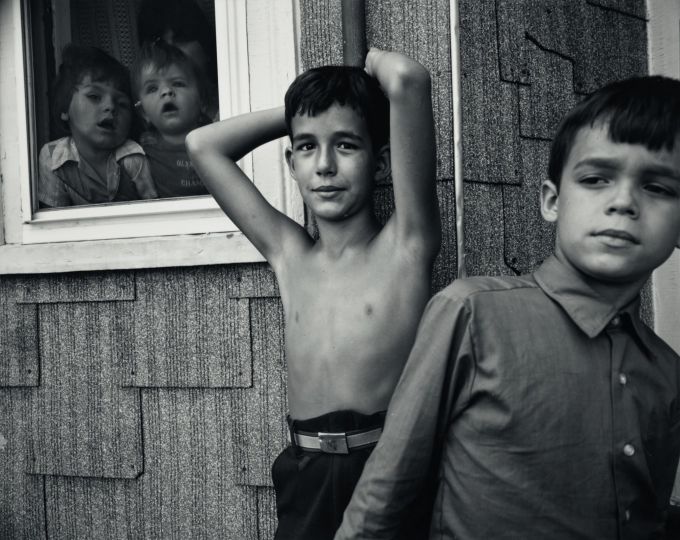
A.M. : Classic or fine art photography didn’t really shape my childhood. There were only those typical school enrollment and communion portraits — the school cone, the candle, the fence, the tricycle. Cheesy nostalgia! But far away from the world I live in today.
The camera of your childhood?
A.M. : A Polaroid camera. I never owned a professional camera myself. Maybe that’s a good thing; I didn’t document everything and got to enjoy my environment in real time.
The one you use today?
A.M. : Nikon Z9.
The man or woman of image who inspired you?
A.M. : The great photographers — Peter Lindbergh, Karl Lagerfeld, Annie Leibovitz, Mario Testino, whom I had the honor to work with, and especially F.C. Gundlach, who was a friend and mentor of mine. They all inspired me. I’ve always been drawn to classic, staged photography, never to technical effects.
The image you would have liked to take?
A.M. : If I could paint, the Mona Lisa.
The one that moved you the most?
A.M. : When F.C. Gundlach called me after seeing my work in TUSH magazine and later added 28 of my pieces to his collection. That was deeply moving — a dream come true.
And the one that made you angry?
A.M. : That everyone is suddenly afraid of AI. It frustrates me that people believe creativity can be replaced. Mediocrity can but never uniqueness.
Which photo changed the world?
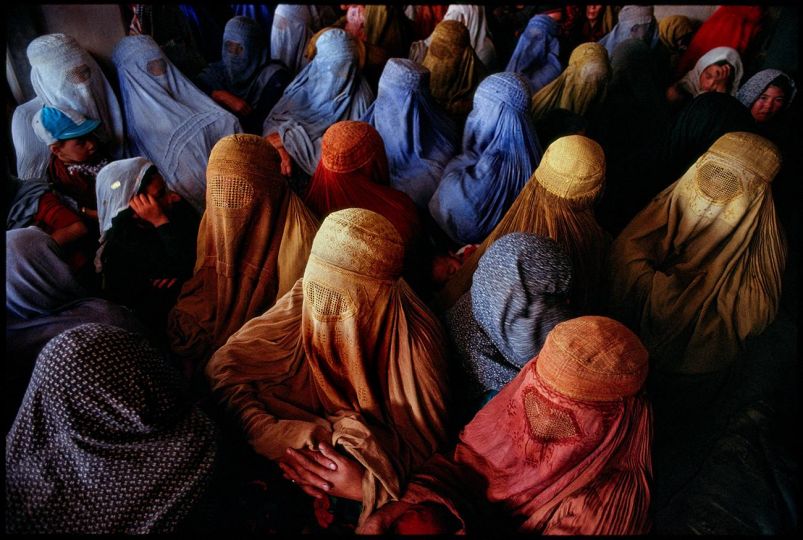
A.M. : The Afghan Girl by Steve McCurry.
And which photo changed your world?
Armin: When I was 16, I had fashion photos taken of myself and realized how styling and transformation could change everything — and how much I loved that feeling.
A key image in your personal pantheon?
A.M. : My first photo in drag. Transformation has defined my whole life and art — that image is sacred to me.
What interests you most in an image?
A.M. : The entire process leading up to it — the planning, the creative buildup before the first click.
What details do you look for in a face, a landscape, or an object?
A.M. : Not superficial ones. I look for a certain spark, maybe symmetry, but above all someone who fits the concept and speaks to me.
Elliott Erwitt once said: “Color is descriptive. Black and white is interpretive.” Do you agree?
A.M. : Absolutely. In black and white, everything becomes interpretation. The potential lies in the Leerstelle — the blank space — where the viewer fills in the emotions themselves. Like a blank canvas.
Can technique, in your opinion, ever take precedence over emotion in photography?
A.M. : In fashion photography, maybe. Emotion has often been suppressed there. But in portraits of artists — never. The emotion always comes from the person.
Is beauty in photography, for you, purely aesthetic?
A.M. : I’m definitely an aesthete. My work is always clean, structured, and balanced. Even chaos needs order for me.
What elements can make silence visible in a photograph?
A.M. : The things in between — a chair in the corner, a girl with a mask, closed eyes. Anything that doesn’t communicate directly creates stillness.
Does the uniqueness of a photograph come from the moment or from the staging? Can a photograph be truer than reality?
A.M. : Both. Documentary and staged photography can each create something unique — one doesn’t exclude the other.
Can a photograph change our perception of an event?
A.M. : Absolutely. A single detail can change the narrative, especially in today’s media-driven world.
Is photography a testimony or a form of manipulation?
A.M. : Both. It’s testimony to a moment, to skill, to existence — but it can also be pure manipulation.
What makes a good photo?
A.M. : When it creates a dialogue.
According to you, what is the necessary quality to be a good photographer?
A.M. : Discipline.
How do you choose your projects?
A.M. : By passion. Photography isn’t my means of survival; it’s what fulfills me artistically.
How would you describe your creative process?
A.M. : Daily inspiration, discipline, and a strong team — people who believe in even the craziest ideas.
An upcoming project that’s close to your heart?
A.M. : My TUSH magazine, which I founded 20 years ago.
The person you would like to photograph?
A.M. : Madonna — she is in her prime.
The one you would like to be photographed by?
A.M. : Robert Mapplethorpe — if I could time travel.
What is the last photo you took?
A.M. : Heidi Klum.
In terms of social networks, are you more into Instagram, Facebook, TikTok — and why?
A.M. : Instagram — I love the visual exchange.
What changed in photography since the success of social media?
A.M. : Everyone thinks they’re a photographer.
An Instagram account to follow absolutely?
A.M. : @tushmagazine
What is your point of view about A.I.?
A.M. : A vital tool — one that reminds us what’s real and what it means to be human.
Color or B&W?
Armin: Color.
Daylight or artificial light?
A.M. : Daylight.
Which city do you think is the most photogenic?
A.M. : Warsaw.
The city, the country or the culture you dream of discovering?
A.M. : Prague, Czech Republic.
The place you never get tired of?
A.M. : My garden.
The image that represents for you the current state of the world?
A.M. : “The Woman in White“, the photograph of Alaa Salah — the young student standing on top of a car during the 2019 mass protests in Khartoum, a symbol of the Sudanese revolution. For me, it reflects the essence of our time: the call for change, empowerment, the rising voice of women, collective action, and the way technology can turn a single moment into a global movement.
According to you, what is missing in today’s world?
A.M. : Humanity and honesty.
If God existed, would you ask Him to pose for you, or would you opt for a selfie with Him?
A.M. : Neither. I’d use the time to talk with Him about His opinion on the world.
Your favorite drug?
A.M. : Mate by ChariTea.
The best way to disconnect for you?
A.M. : Sleep — it’s the only time I truly switch off.
Your latest folly?
A.M. : Accidentally washing a wool sweater too hot. I’m too controlled for real foolishness.
Your greatest professional extravagance?
A.M. : Having the luxury of working with the world’s biggest stars — and showing them in roles people don’t expect.
The job you would not have liked to do?
Armin: Working on an oil rig.
What question gets you off track?
A.M. : “How are you today?”
Your biggest regret?
A.M. : That iconic photography is dying out.
If you had to start all over again?
A.M. : I’d become a veterinarian.
If I could organize your ideal dinner party, who would be at the table?
A.M. : Everyone I’ve lost in life.
What do you like people to say about you… after?
A.M. : That it was quick, uncomplicated, they felt comfortable, and that I understood them.
The one thing we absolutely must know about you?
A.M. : I have no hair.
A last word?
A.M. : How are you?