





After my first portrait of the photographer Lujza Hevesi-Szabó, my column Nobody Understands Eastern Europe continues with Zsófia Sivák, an artist interested in very similar topics but with a different approach. Not only are their themes similar, but they are also best friends; both grew up in Eastern Hungary and later moved to Budapest for university, where they still live. At the Moholy-Nagy University of Art and Design (MOME), they completed both their BA and MA degrees (Sivák a bit earlier, finishing in 2019), and now they run a street photography course together there.
The funniest part is that I learned all this before my interview with Sivák—based on which I wrote this article—because on December 27, I ran into the girls at NemdeBár in Budapest while they were discussing their rural Christmas PTSD. To make this understandable for our Western European readers: in Hungary, many people see a big difference between the countryside and the capital, Budapest. For example, unlike in France, rural populations in Hungary are generally less educated and economically poorer.
So let Zsófia Sivák present to you a slice of this Hungary through three of her most significant photo series!
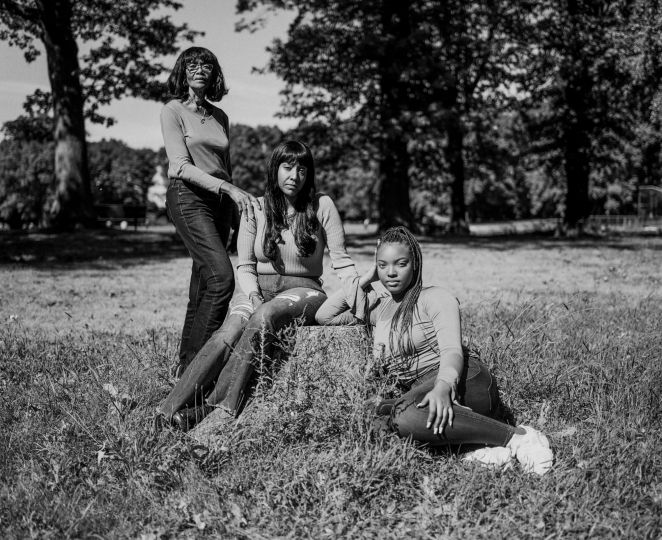
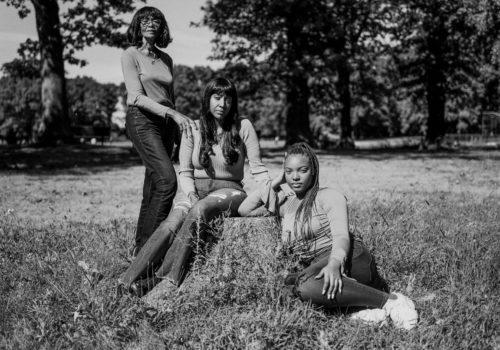
She was born in Eger in 1993 and soon moved with her family to Kerecsend. We characterize this region as one of “extreme poverty” in economic and infrastructural terms. Her first series was Józsi’s fHome (Józsiék), made between 2014 and 2017. She documented the segregated Roma settlement in Kerecsend, attempting to choose subjects that would overcome stereotypes of Roma representation. It wasn’t easy at first: they used to throw stones at her upon her arrival, but over the years she became such a good friend to them that they celebrated New Year together.
Hearing about this project, one might immediately criticize why she attempts to represent Roma people if she’s not one of them, and thus could produce yet another external perspective. But she consciously acted against this phenomenon by immersing herself in the community and becoming part of the family. She took Józsi to urgent care and participated in the children’s birthdays. She realized her photos worked once she approached their home not as someone visiting a family in poor circumstances, but just asking Johanna what she had cooked today. This is what we call, in art and especially in documentary art, the interior perspective. At least, Sivák’s perspective is on the scale of becoming interior, even if it will never be fully.
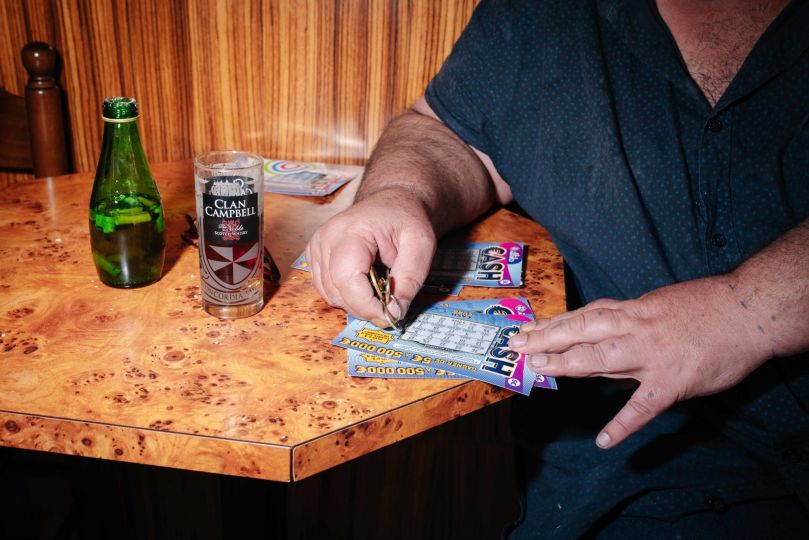
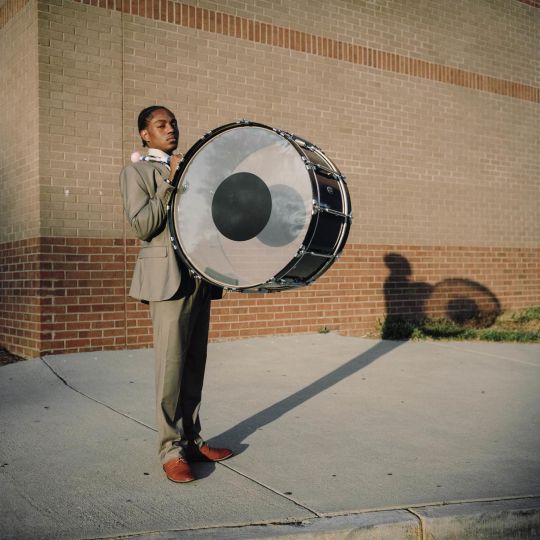
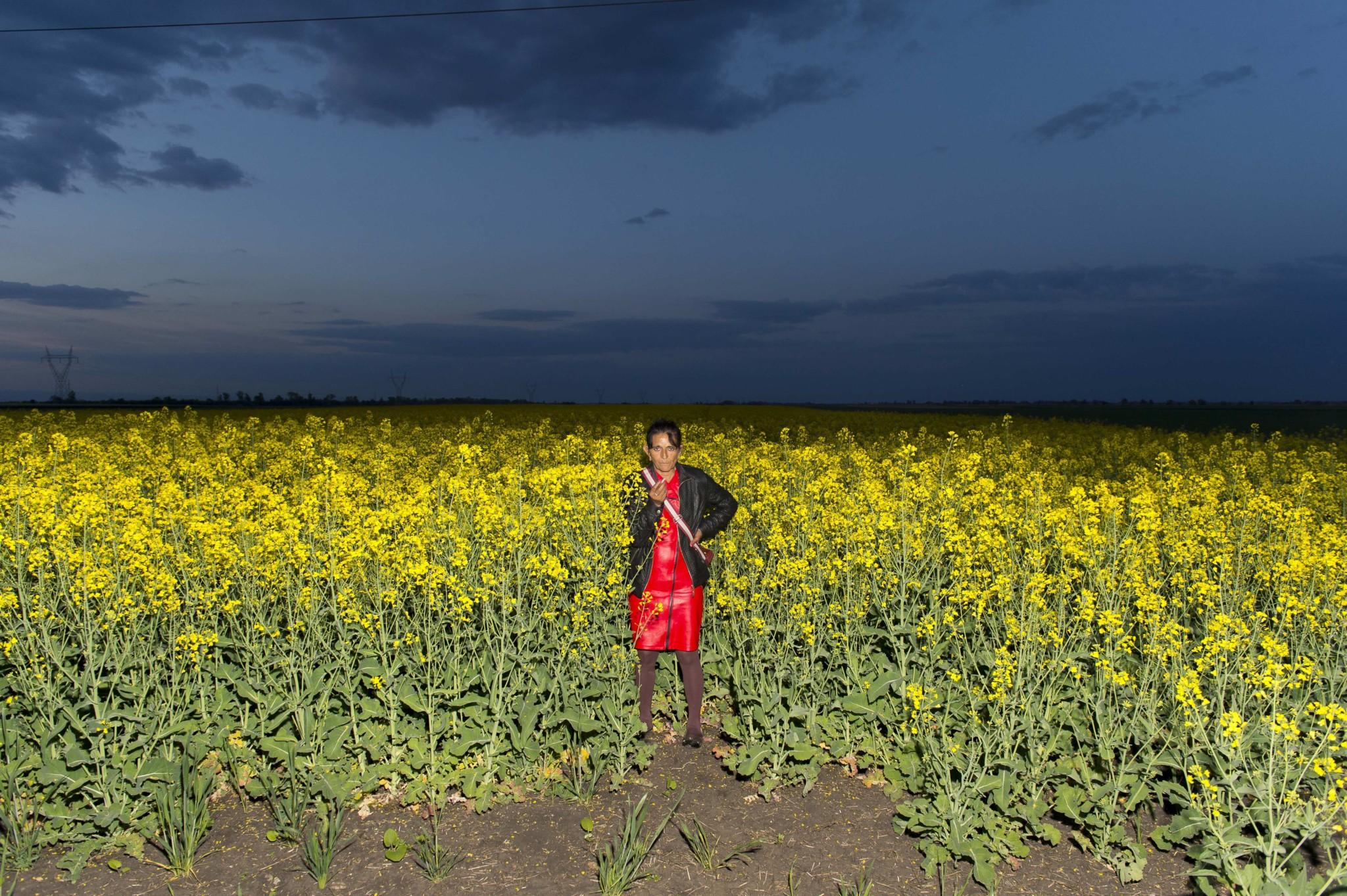
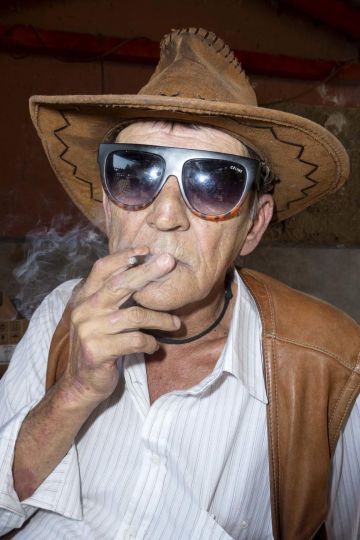
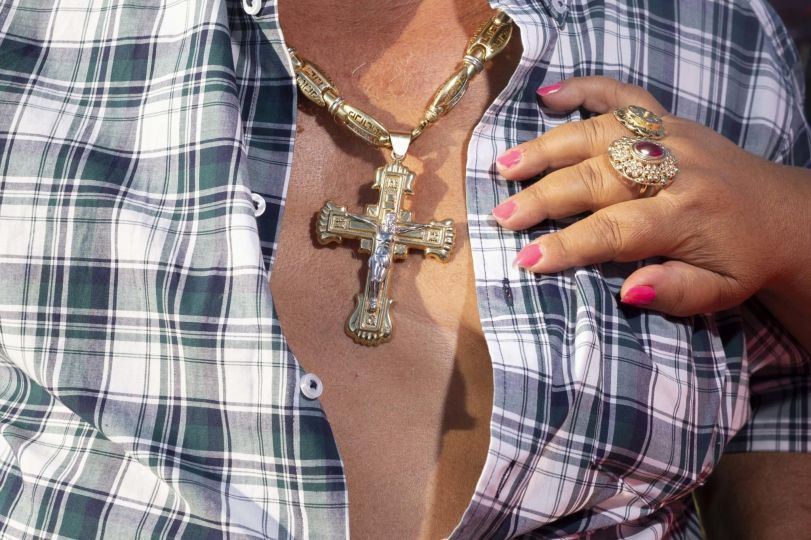
Józsi’s Home was the documentary category winner at the Hungarian Press Photo 2017, and with her later series Sivák won another two times in this category. Józsi’s Home was shown at the Robert Capa Contemporary Photography Center. Yet the success of the series created tension within her— or maybe not the success itself, but the fact that she put the personal life of a disadvantaged family on display, posed ethical questions. So Sivák decided to initiate a more “cheerful” project, capturing life in Eastern Hungarian pubs, focusing on settlements with fewer than 3,000 inhabitants. Later, she returned to the representation of Roma people with the series Till the Break of Dawn (Hajnalhasadásig, 2018-19), but by then she was more interested in their celebrations and their folk culture not only in Kerecsend but all over Hungary.
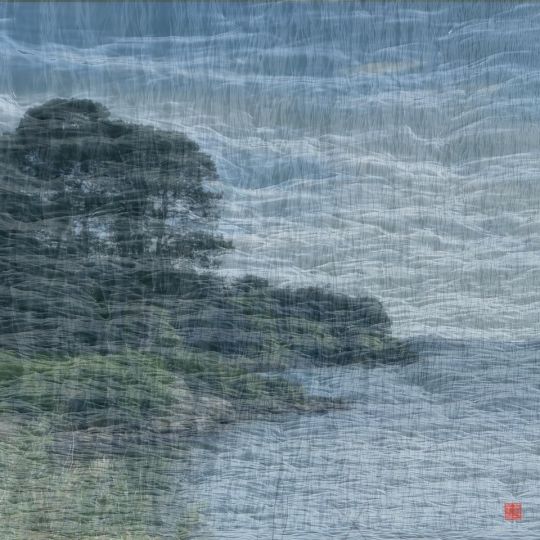
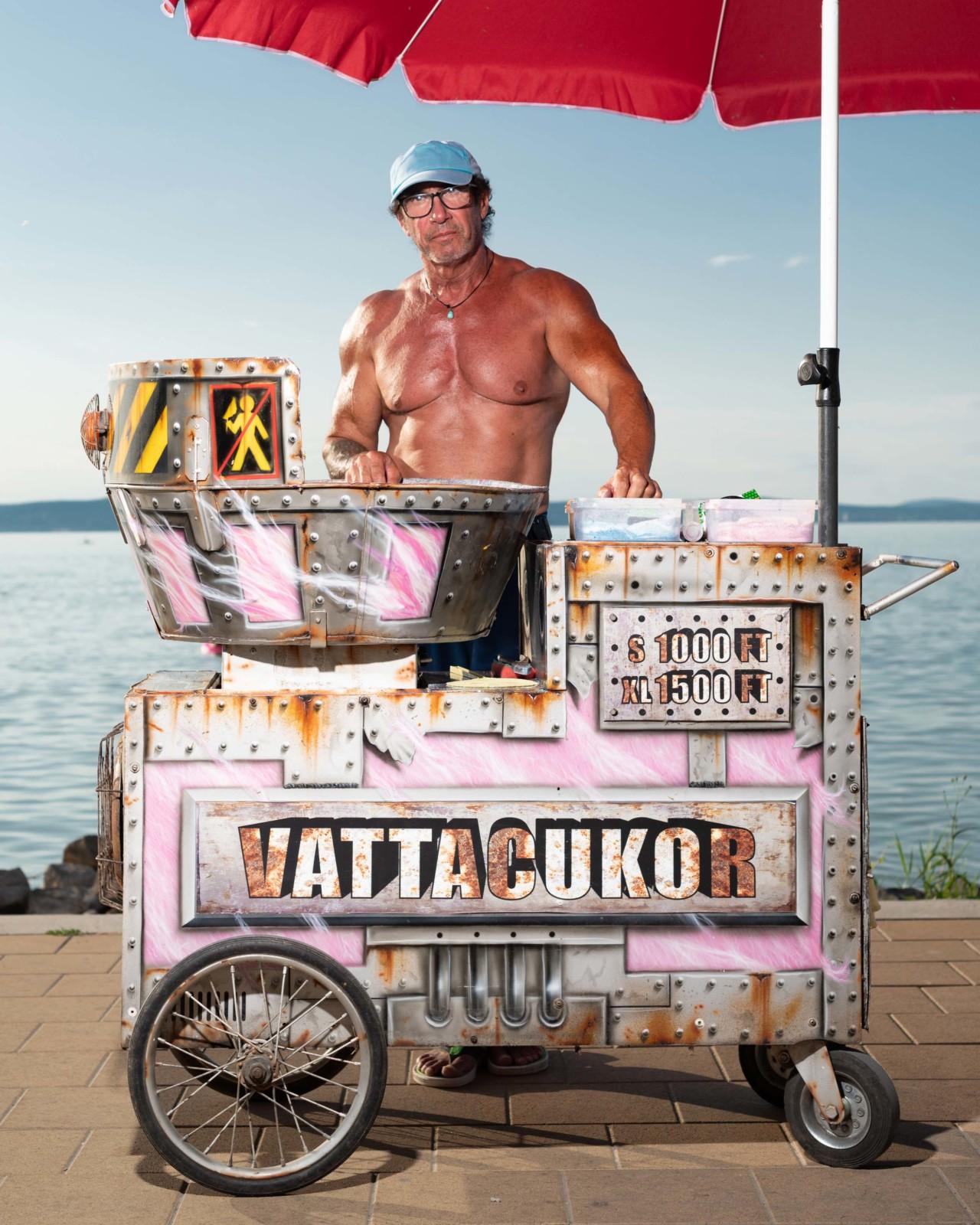
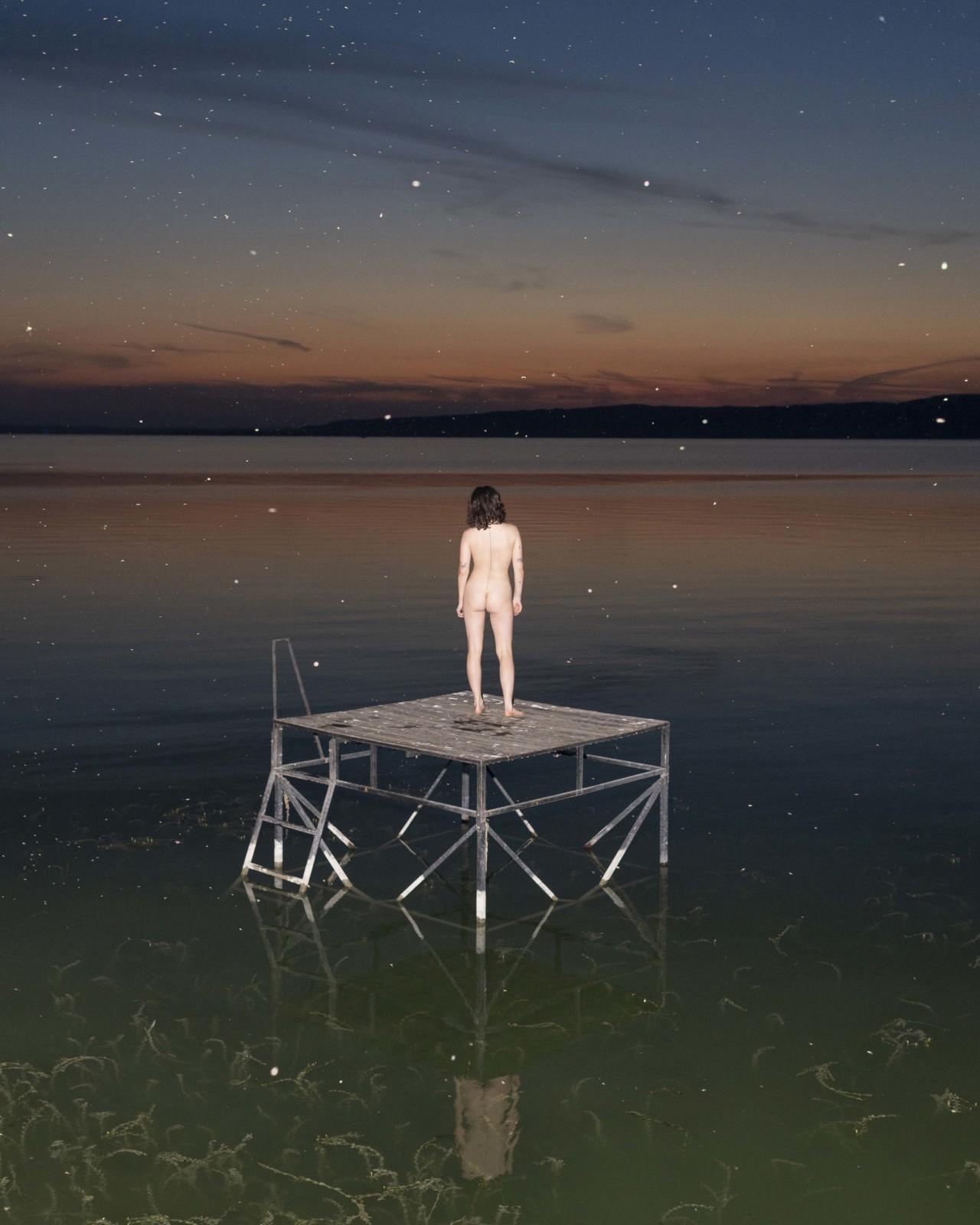
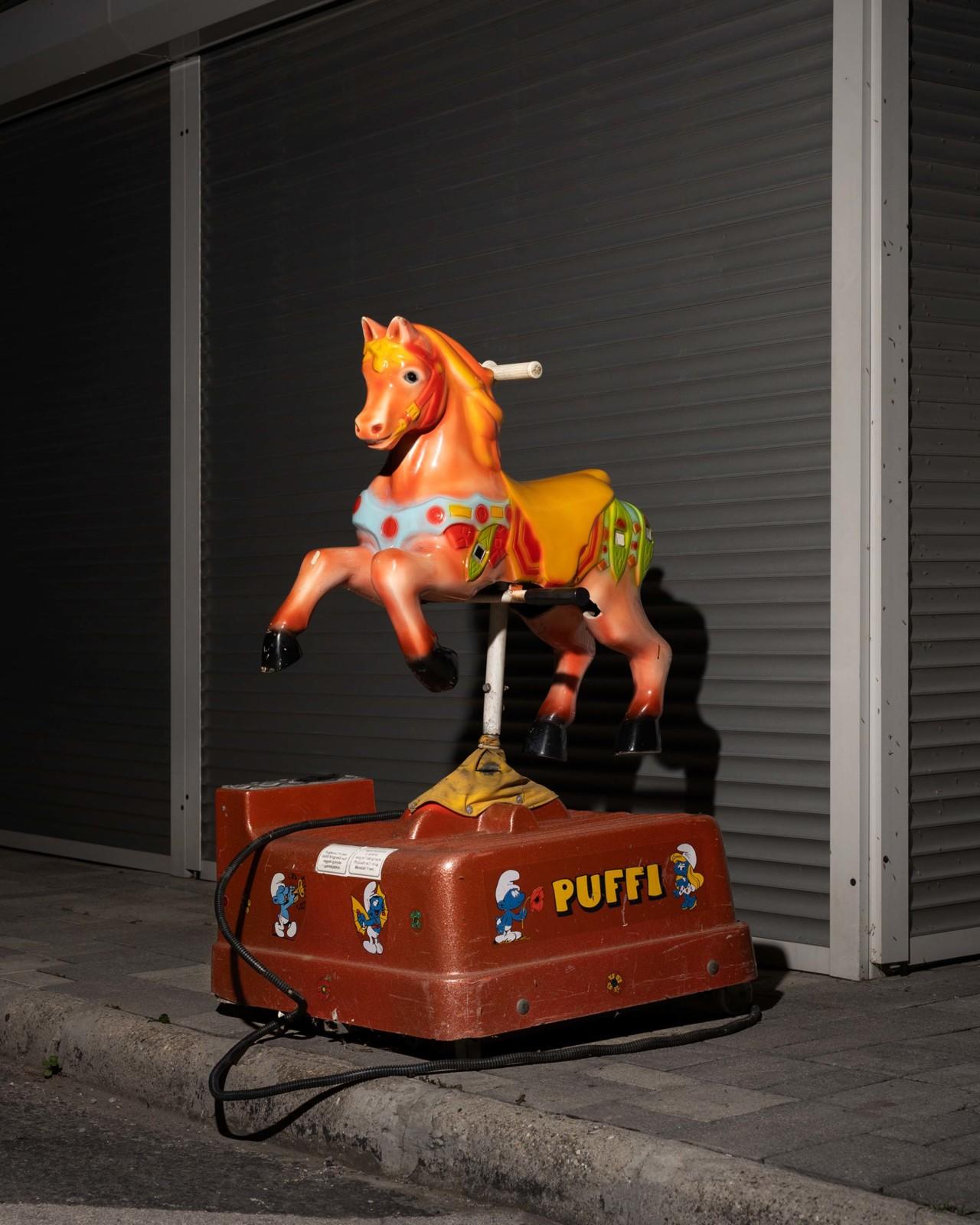
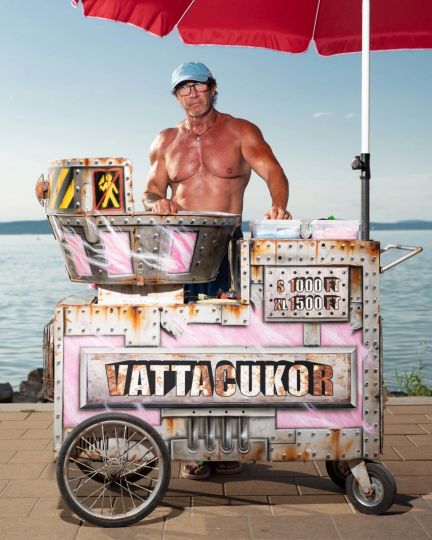
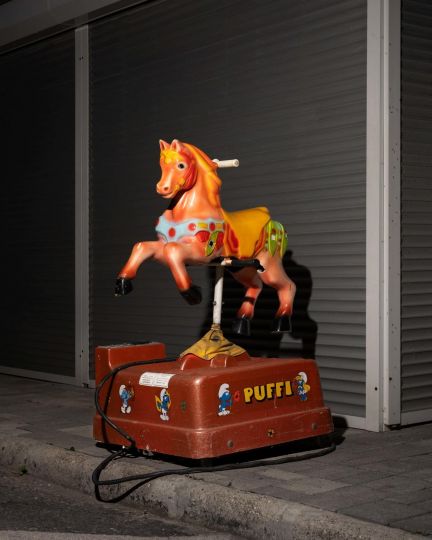
A few photo series later, Sivák’s third attempt appears to be the most successful in representing the cheerful—or, more precisely, the illusion of the cheerful. In her ongoing project, her goal is to explore the myth of vacation, through identifying its iconography. She received a three-year Hungarian Art Academy (MMA) scholarship for her research, tentatively titled Balaton (2023– ), the lake where—I would hastiliy define it—every Hungarian goes on holiday. But Sivák highlights that she was never taken to Lake Balaton as a child, which for her was a privileged place in Western Hungary. Through it and other idealized locations, her childhood shaped an idealized vision of vacation. In this series it is particularly important that she presents an external perspective: what are holiday destinations like for those who have never been on holiday? Without all the accumulated memories, the images appear more stylized and poster-like, two-dimensional.
The Balaton series represents a peak of her aesthetic practice, focusing more on photography itself than on a social situation. How to beautify, manipulate, and create illusion in a photograph—to turn something completely mediocre into something spectacular? This is exactly what our world is about today! It reflects Baudrillardian simulacra. The fact that the series points to this trend in our world also makes the series trendy itself, visually much more pop than Sivák’s earlier photographs, which greatly increases visibility on instagram and stands a chance of working its way into our insta-memory. Unfortunately—or not—this trait affects a contemporary artistic photographer’s career, especially internationally.
I think vacation is good choic of topic, since it is so overhyped in our current society—the typical airline advertising slogan is “Where is your next escape?”—and it is already surreal in itself that we have reached a point where we have to leave our homes and pay a lot of money to relax. The contradiction of „we work so that we can spend part of our salary on not working”. How did home become so closely associated with an endless list of tasks? I think the TV series The White Lotus also responded to this in a fascinating way, fictionally showing that the ultra-rich often do not have a great time even on the most luxurious vacations.
Balaton is a mature work of Sivák. Before, in her twenties, she used most of her photography on understandign her childhood and accepting her background. Along the way, she matured and overcame her anger. I consider it very authentic when a young artist starts by exploring their roots and presents broader social or philosophical visions only later, because of little life experience in youth.