Behind the Mask: A Mysterious and Alluring World
Once again, masks reaffirm their apotropaic function of protecting and warding off any evil that might harm people, the homes in which they live, the surrounding land, and Nature itself—so easily struck by adverse events, especially climatic ones. Thus, masks are not only elements of defense against misfortune; they also possess the power to attract benefits and good fortune to people and things, improving existence and living conditions.
It is above all the South of every nation or continent that preserves this Weltanschauung: a worldview more exposed to the vulnerability of an adverse fate and a hostile divine force. From Latin American countries to those of southern Europe, shaped by Neo-Latin cultures, there exists a phenomenon of circulation and propagation of this ancestral tradition. Indeed, as early as Greek theatre, the masked and elevated characters— including those of the Magna Graecia populations of Taranto and Campania—testify to the foundational role of the mask in the representation of the dramatis personae. The same applies to the grotesque “fascenninae” masks, through which more could be expressed than would ever be revealed with an uncovered face: from mockery to instilling fear, and ultimately relieving the conscience after a dramatic vision of life, guiding it toward a liberating state through comedy, thus achieving catharsis. This recalls the Greek tetralogies of three tragedies and one comedy, conceived as a homeostatic balance to offer the spectator both suffering and humor.
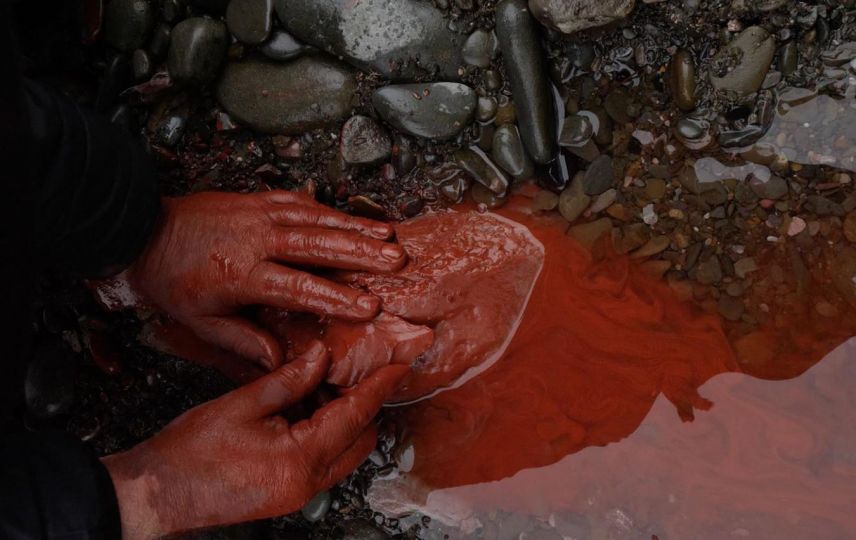
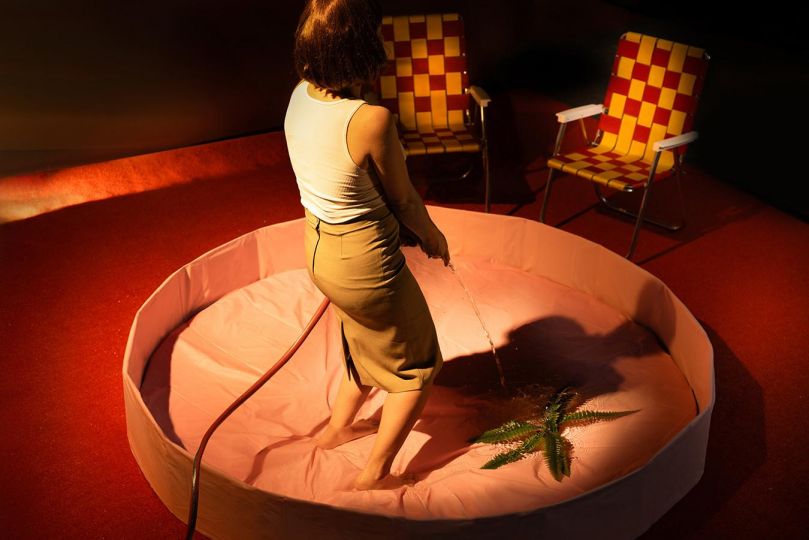
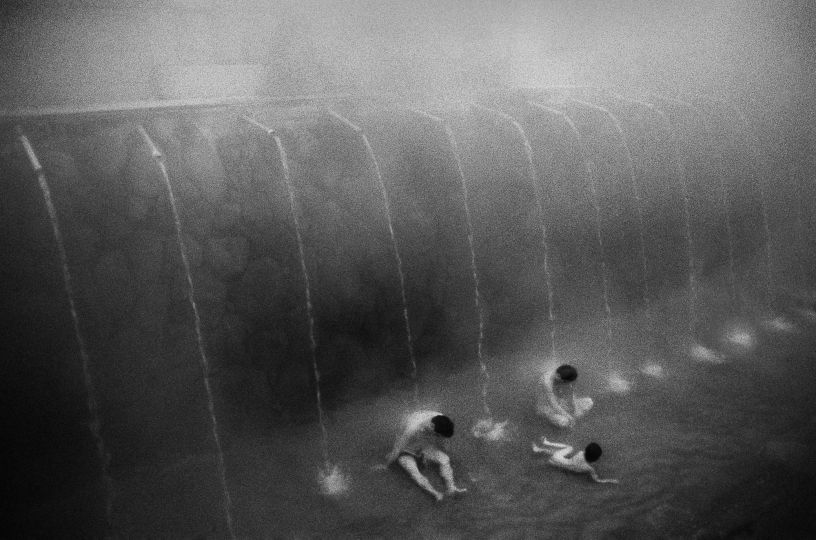
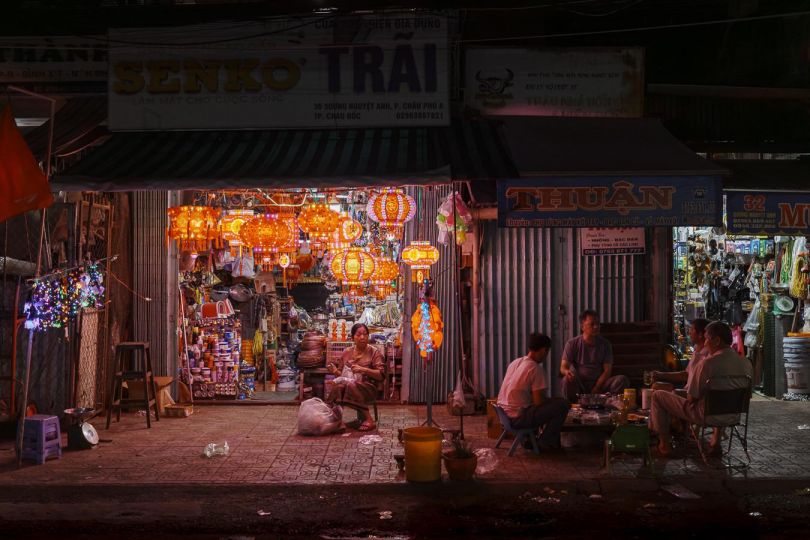
All this phenomenology is not foreign to the folklore of places such as, in this case, Aliano. Here, the tradition does not translate into simplistic scenographies or purely circumstantial sensationalism; instead, it highlights the importance of a sedimented ancient heritage that should be revitalized through the lens of Cultural Anthropology. Photography becomes an indispensable vehicle of this heritage—as if it were a Mask within the masks—so that the viewer does not stop at the image captured in the frame, but goes beyond the celluloid to explore that Jungian collective unconscious of primitive archetypes and symbols, without which the world might risk a collapse of Knowledge itself.