The exhibition presented at Les Balladines de Penne is fantastic.
It runs until September 20th in the Saint Catherine Church of Penne in the Tarn department.
It is entitled Portraits Types.
The author is Arthur Batut, a 19th-century amateur photographer and lord of the castle.
Jacques Sierpinski is the curator.
He entrusted us with this text.
JJN
A wealthy landowner from the village of Labruguière, Arthur Batut (1846-1918) is today recognized as the first person to take aerial photographs, using a kite equipped with a large-format view camera.
The very first photograph was taken by him in 1888 above his property in the Tarn region.
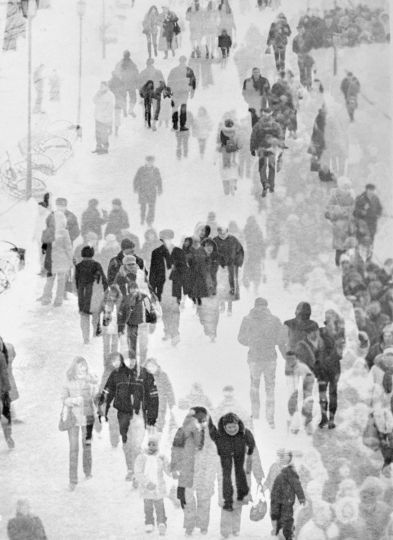
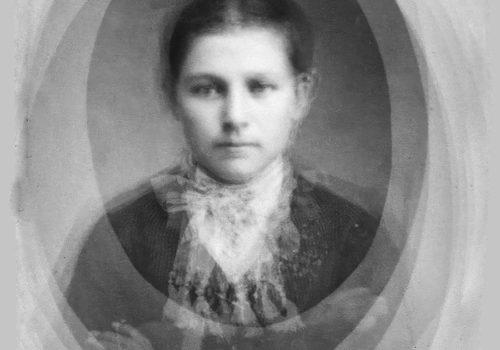
However, it was not this work that attracted the most attention, but rather his numerous photographs based on what he called “portrait-types.”
His work and research, both with the camera and in the laboratory, lie at the intersection of applied photography, anthropology, and art.
He created his first portraits with the inhabitants of Labruguière, then continued his work with the residents of Agde, Arles, as well as Huesca and Vic in Spain.
His approach, unlike many of his peers, was more artistic and less in touch with reality.
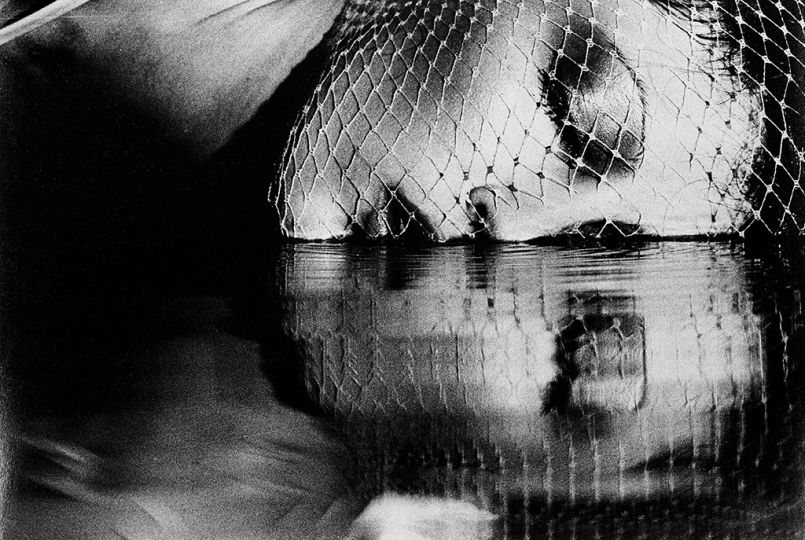
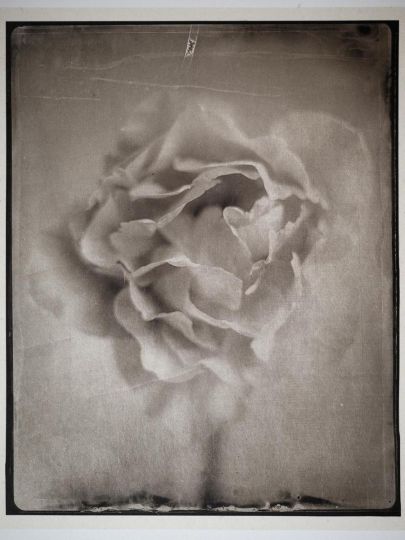
His photographs are imbued with poetry and mystery, thanks to the blurs generated by his process.
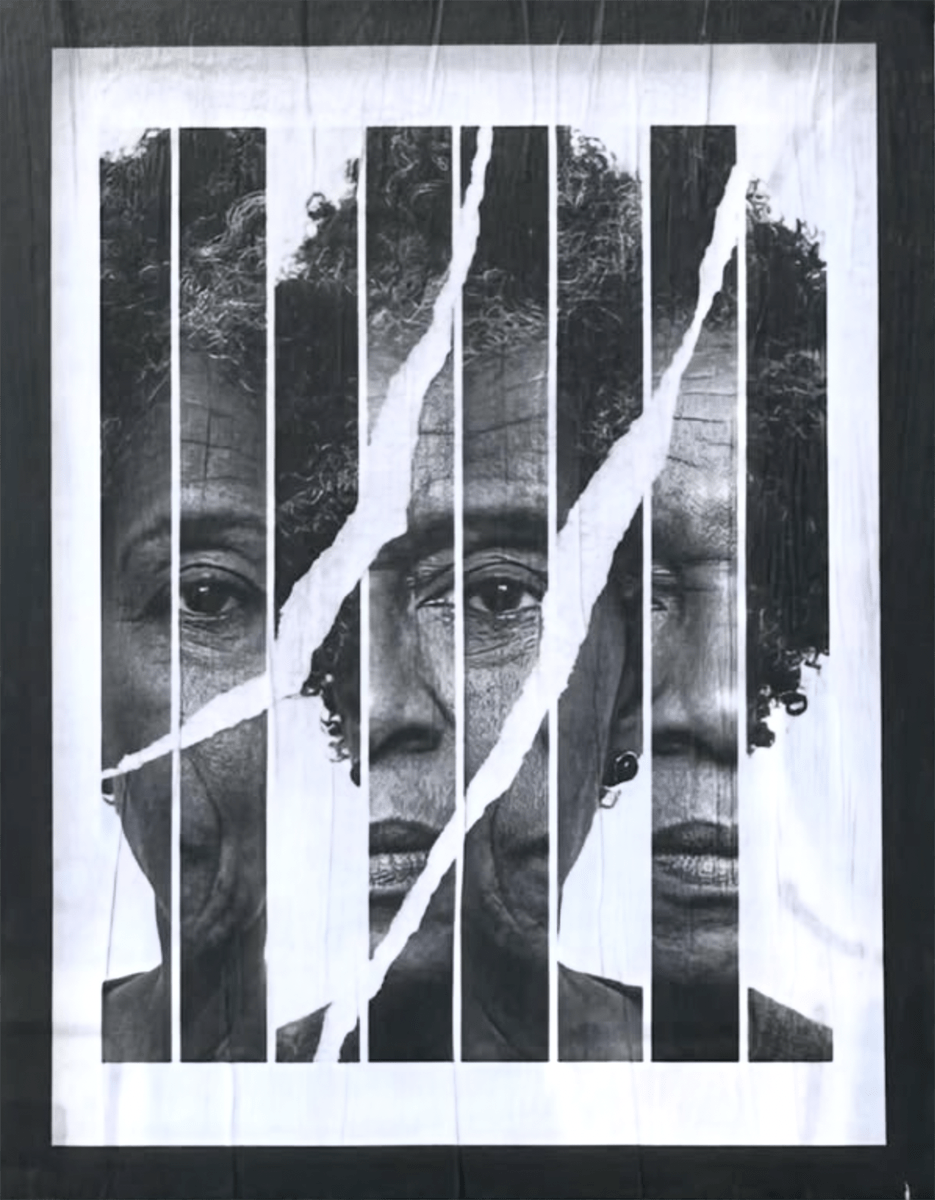
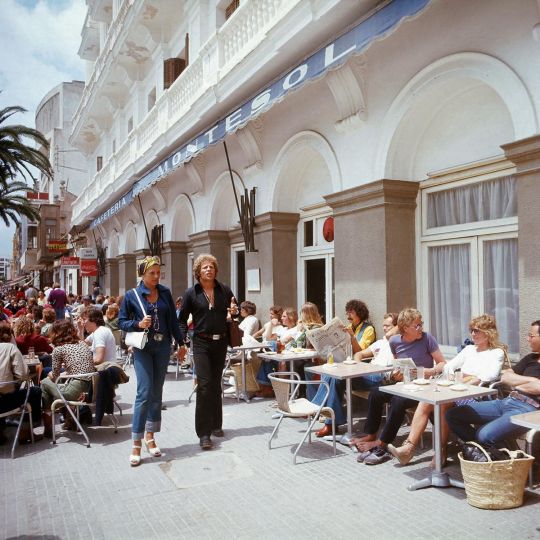
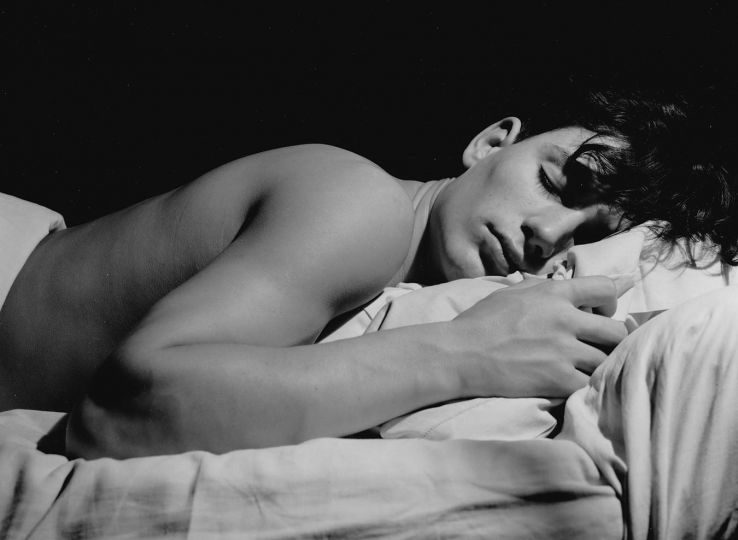
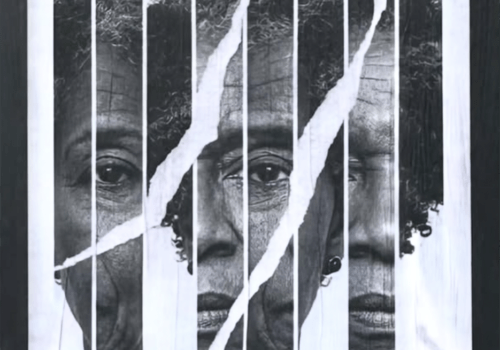
The principle is to reproduce on a single photographic plate all the portraits of the same group of people, the same family, the inhabitants of the same city…
Arthur Batut theorized about his experiments and published several scholarly texts, illuminating his approach for both scientists and the general public. In his texts, he provides a fairly contemporary perspective on how to achieve his goals.
The process is particularly interesting when Batut superimposes portraits of both men and women, resonating with current notions of gender.
His astonishing portraits were a source of inspiration for many contemporary artists, such as Krzysztof Pruszkowski in the 1970s and photographers Patrik Budenz and Birte Zellentin today, who created and superimposed portraits of a century of leaders in 199 different countries (the “Macht” projects). They followed an identical protocol but used the tools of their time: digital photography.
This exhibition was made possible thanks to the trust of Dominique Blanc, director of the Arthur Batut Museum in Labruguière (81), a museum that sheds particularly interesting light on Arthur Batut’s work and the quality of the temporary exhibitions offered there.
Jacques Sierpinski
Arthur Batut : Portraits Types
Until September 20, 2025
Église Sainte-Catherine
Le Village
81140 Penne, France
https://www.patrimoine-religieux.fr/eglises_edifices/81-Tarn/81206-Penne/147989-EgliseSainte-Catherine