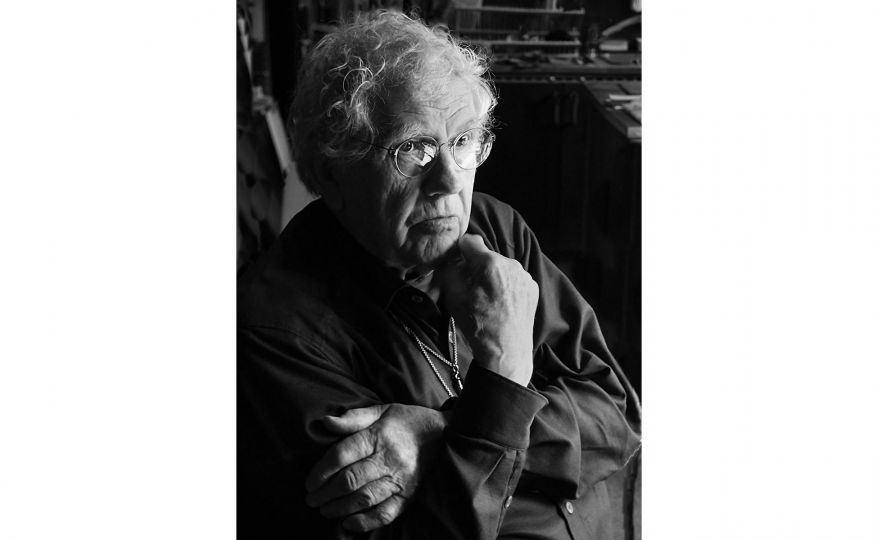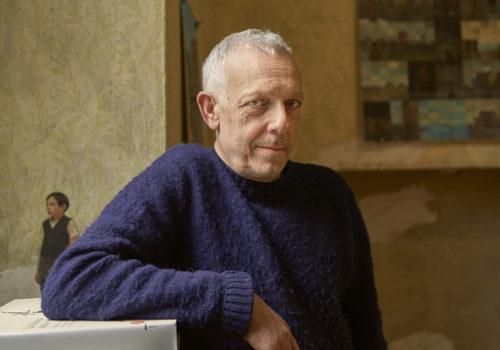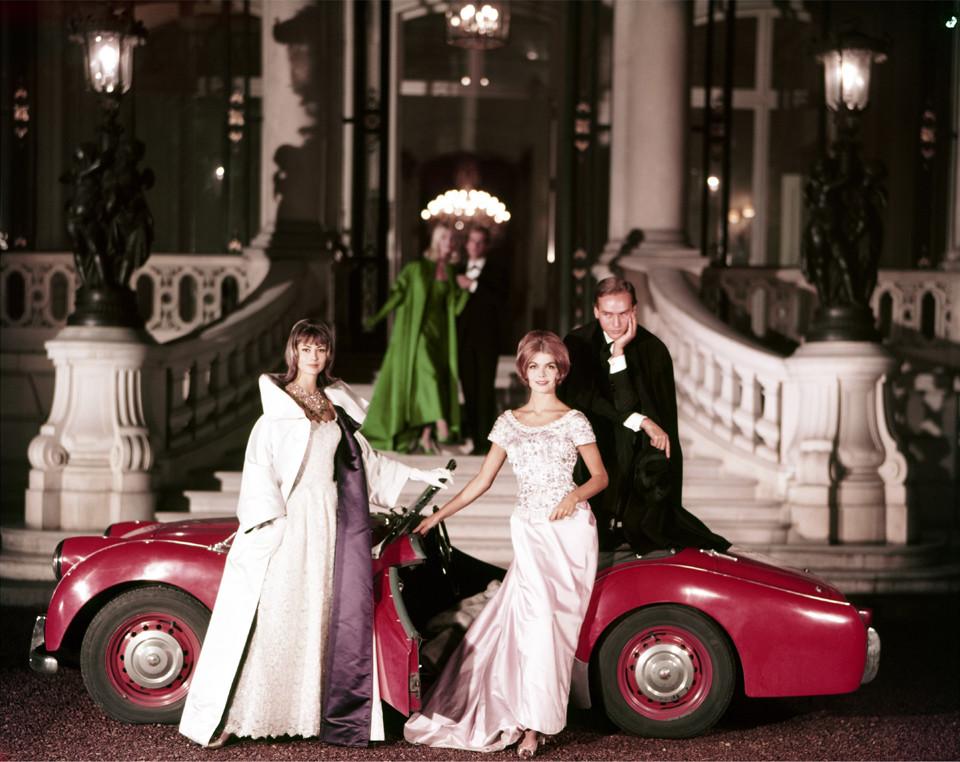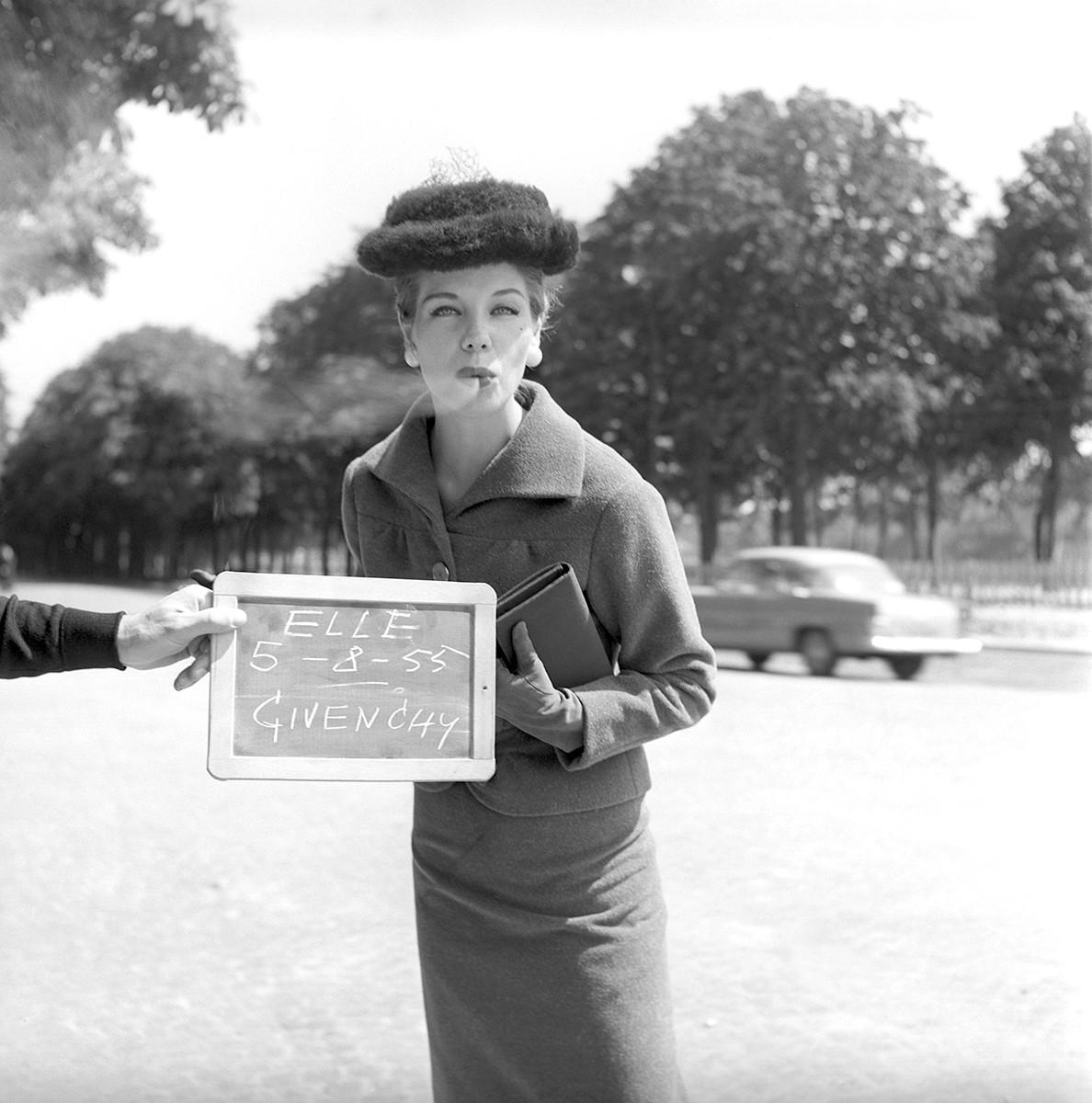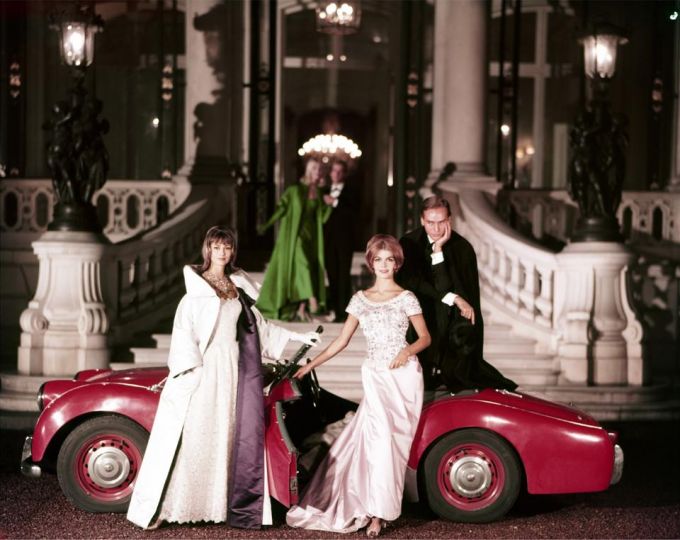


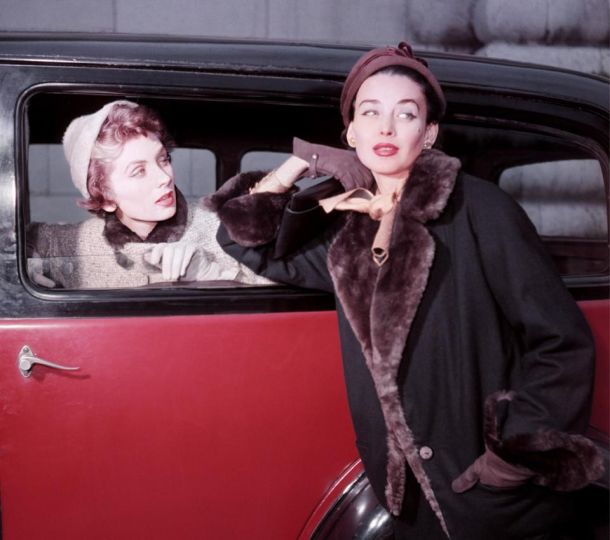


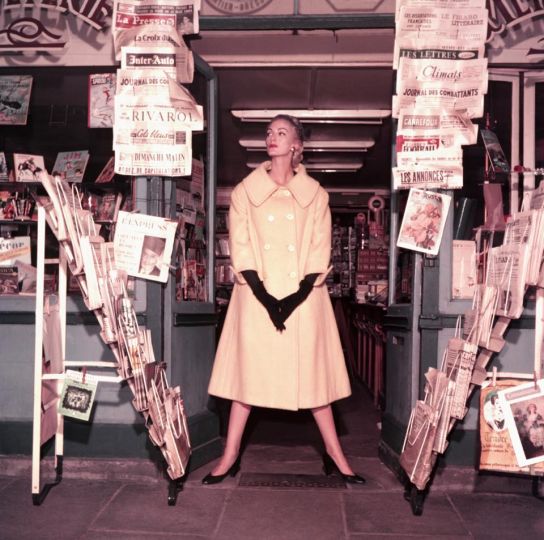


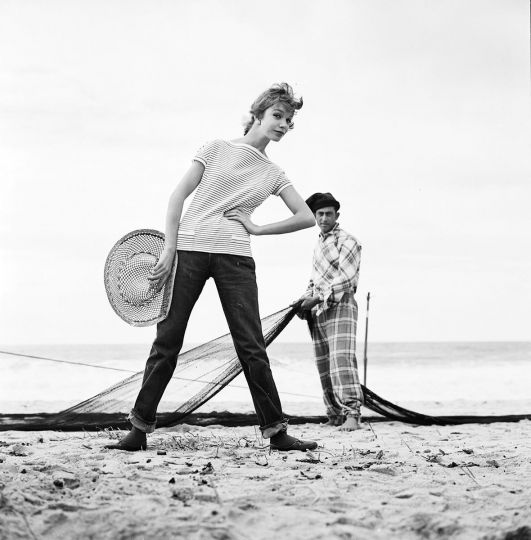


This week, we are offering you an unusual exercise with our Questionnaire: We asked Guillaume Dambier to answer some of our questions as Georges Dambier, his father, would have done. A dive into two generations of photographic vision, between heritage and individuality.
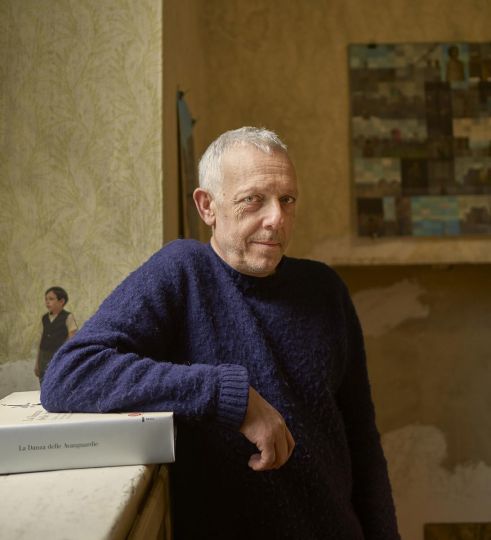
Born into the world of photography, Guillaume Dambier grew up in the shadow of a father whose renown still resonates today: Georges Dambier, master of portrait and fashion photography in the 1950s and 1960s, whose images exude timeless elegance. Little interested in formal schooling, Guillaume was introduced very early to the art of photography in the family studio first in the darkroom, handling developers and prints, before turning to shooting. Unlike his father, he turned away from fashion to explore visual storytelling and reportage, fascinated by the way Georges captured the essence of his subjects.
Guillaume pursued photojournalism, joining first Gamma and then Sygma photo agencies, covering worlds as diverse as they were captivating: from the Dalai Lama to skinheads, from the two Intifadas to everyday urban life, bringing a lucid and intense gaze to the world. In the early 2000s, faced with the upheavals of the press industry, he rediscovered forgotten treasures in his father’s archives, such as the striking image of Suzy Parker reapplying her makeup in front of the Lanvin boutique. For Guillaume, Georges embodied elegance, adventure, and the James Bond like spirit of a bygone era, but without the battles.
This revelation prompted him to leave the press and devote himself to preserving and promoting Georges’s work. He brought the archives back to the Périgord and engaged his father in a weekly selection of remarkable images, which soon caught the attention of prestigious London gallerist Michael Hoppen. Together, they traced dates, anecdotes, and the context of each print, breathing new life into this unique legacy.
Since Georges’s passing in 2011, Guillaume has passionately continued this mission: to secure recognition for his father’s immense talent and prepare a major institutional exhibition that reflects his timeless work, bringing it to the attention of contemporary audiences.
What was Georges’s photographic spark?
Guillaume Dambier : His friendship with Willy Rizzo, which was a revelation in his approach to portraiture.
The man or woman of images who could inspire him?
GD : Richard Avedon, without hesitation.
The image you would like to create if you had the chance?
GD : A portrait of Joe Strummer, capturing his rebellion and energy.
The image that could have moved Georges?
GD : Audrey Hepburn on a bicycle with her dog, by Sid Avery.
And the one that moved you?
GD : W. Eugene Smith’s reportage on Minamata, especially the image of Tomoko in the bath (1972). A visual and emotional shock.
The style of images that could have angered Georges?
GD : Anything flirting with vulgarity or ugliness. He rejected it, whether in photography, architecture, or art in general.
A key image in his personal pantheon?
GD : “Dovima with Elephants” by Richard Avedon.
And yours?
GD : “Tobacco Seed” by Irving Penn.
A photographic memory from your childhood with your father?
GD : My grandmother scolding my father because he never photographed us. He considered himself a craftsman: photography was a profession, not a hobby. I never saw him with a camera outside professional work.
The image that obsessed him?
GD : The next one.
In your opinion, what quality is necessary to be a good photographer?
GD : In photojournalism, it’s luck: being in the right place at the right time.
The secret of the perfect image, if it exists?
GD : The perfect alignment of timing, light, and subject. For a boxer, we’d call it “punch.”
The person Georges would have loved to photograph?
GD : Audrey Hepburn, of course. But also Fanny Ardant, whom he found exceptionally beautiful.
An essential photography book?
GD : “Camera Lucida” by Roland Barthes, which he always kept on his bedside table.
The camera of your childhood?
GD : Canon AE1.
The one Georges used the most?
GD : Hasselblad.
His favorite “drug”?
GD : Beauty in all its forms.
And yours?
GD : Chocolate profiteroles!
The best way for your father to disconnect?
GD : Spending time with his friends.
And for you?
GD : Nature.
His relationship to images?
GD : The pursuit of charm.
And yours?
GD : Telling a story.
His greatest quality?
GD : His relentless eye. He could notice a crooked painting in a restaurant and get up to straighten it. At our home in Dordogne, we timed how long it took him to notice an object that had been moved: fifteen seconds maximum.
His greatest folly?
GD : His house, Le Chaufourg in Sourzac, an extraordinary place.
The image he would have chosen for a new banknote?
GD : A portrait of Charles Trénet.
And you?
GD : A Modigliani nude.
The work he wouldn’t have liked?
GD : Tax collector.
His greatest professional extravagance?
GD : Nothing was impossible to achieve the image he envisioned.
The city, country, or culture he would have dreamed of discovering?
GD : Zanzibar, because I heard him say all my childhood, “If you keep annoying me, I’ll go to Zanzibar!”
And you?
GD : Angkor, probably fascinating.
The place he never tired of?
GD : Dordogne.
His greatest regret?
GD : Not having photographed Audrey Hepburn.
And yours ?
GD : Not starting earlier to work with him on his archives.
Color or B&W?
GD : B&W.
Daylight or artificial light?
GD : Both.
The most photogenic city according to him?
GD : Paris.
And according to you?
GD : New York.
If God existed, do you think he could have asked him to pose?
GD : Yes, provided he shaved his beard.
If I could organize his ideal dinner, who would be at the table?
GD : A mix of artists and French personalities of his era, but he would probably have preferred dinner with his parents.
The final word?
GD : Click clack, thank you Kodak.