A dual exhibition at the Centre Photographique Rouen Normandie and the city’s Pavillon du Jardin des Plantes highlights the gardens that run throughout Sarah Moon’s work.
Dense, wild, untamed, imperfect. In Sarah Moon’s world, the garden is nothing like a postcard. Still less does it resemble the perfect geometry of a French formal garden. In Rouen, the French photographer unfolds a garden in her own image through some sixty prints, both in colour and black and white, the latter being, in her words, the “tone of her dreams.”
Bringing together forty years of archival photographs with images produced earlier this year during an artist residency in Normandy, this two-part exhibition runs throughout the summer as part of the Normandie Impressionniste festival. Its theme, “A Possible Garden,” seeks to present the garden as a territory of the imagination. An idea that resonates particularly strongly with Moon’s work, whose images have always given pride of place to the animal and plant kingdoms, composing a mysterious world where nature seems suspended between dream and reality: an inner garden.
Rejecting any chronological order, the exhibition invites visitors to wander through this “mental territory,” as described by Raphaëlle Stopin, director of the Centre Photographique: “Sarah Moon often speaks of her ‘closed eye,’ which captures whatever may create a resonance between the landscape and herself, something that echoes a form of interiority.”
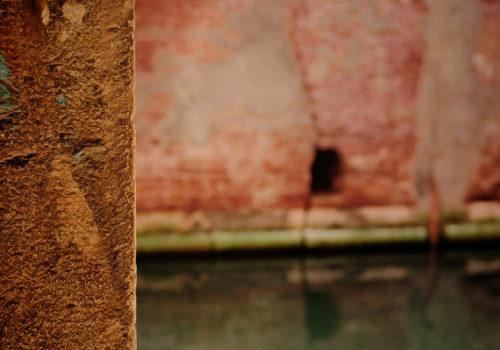
Visually, the photographer has an aversion to the obvious and prefers to take the road less travelled. Invited to create new images in Normandy for the exhibition, she chose to photograph the gardens of Giverny in the reflections of their ponds. As for the Cotentin Peninsula, discovered along its hiking trails and winding roads, she photographs it only in winter.
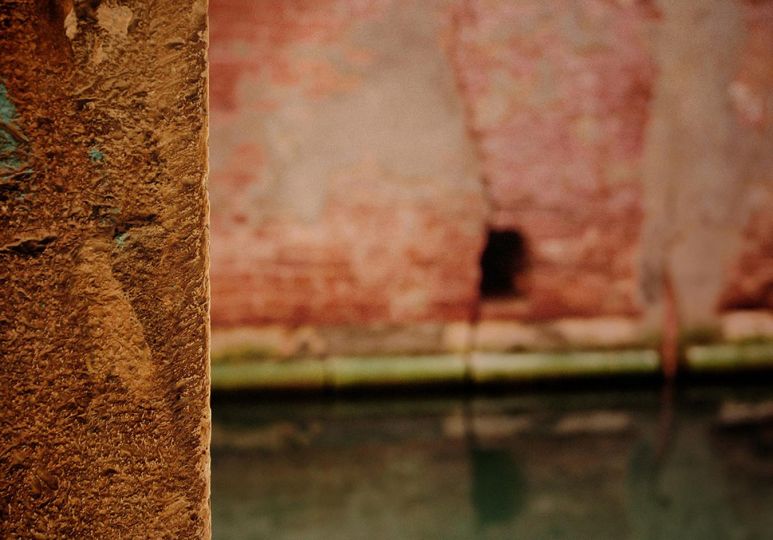
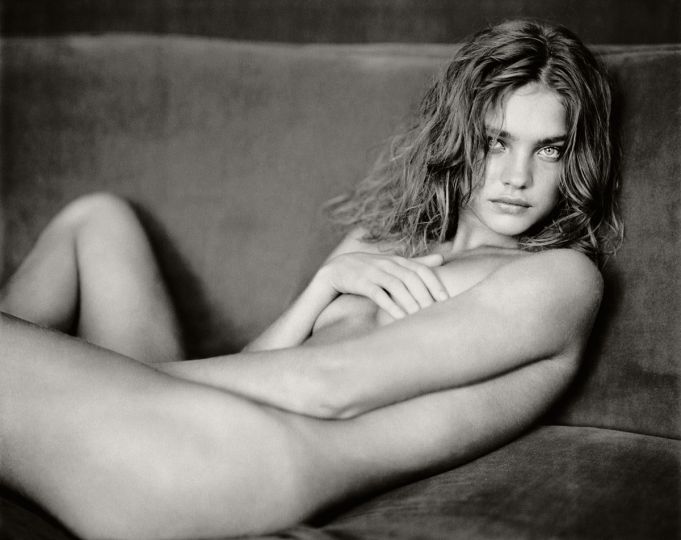
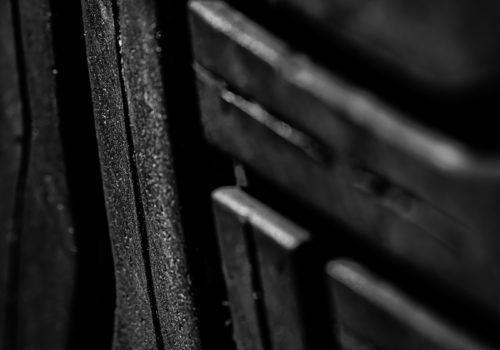
Her images must always retain an element of mystery, a poetry born of a slightly off-kilter framing, a flaw in the print, or the patinated texture of a mirror. It is a non-conventional beauty that she finds in the depth of a red, the density of a black, or a blur that lends the image a singular vitality and perhaps even a certain kinship with Impressionism.
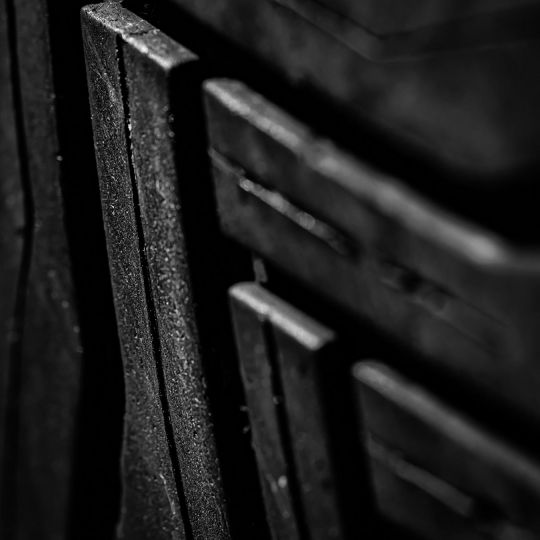
From the choice of paper to the transformation of chemical accidents within the image, the prints endow each photograph with an almost tactile materiality. Her charcoal-black monochromes, with their characteristically irregular borders a result of her use of Polaroid Type 55 film seem to draw us into an underground world. For Raphaëlle Stopin, “there is almost a sense of inverted values: a kind of garden in the night, as though she were revealing the reverse side of things.”
The colour prints, often monumental in scale, are populated by motifs that the photographer has captured with near-obsessive attention throughout her life, yet without ever exhausting them completely. Her love of flowers and birds is ever present: peacocks, parrots and toucans answer poppies, amaryllises and peonies. This garden comes to life in a video made at the Jardin des Plantes in Paris in 2013, where flora and fauna overlap in a play of reflections, an ode to luxuriant nature.
For Sarah Moon, nature is above all a refuge. In a conversation with Raphaëlle Stopin, she speaks of an “attraction to the garden as refuge that has grown stronger over time.” Such is the effect of this exhibition, which draws us into a garden of dreams where we would gladly curl up and never leave.
Zoé Isle de Beauchaine
Sarah Moon – D’après nature
Centre photographique de Rouen, until September 26 2026
Pavillon du Jardin des plantes de Rouen, until August 2 2026
centrephotographique.com