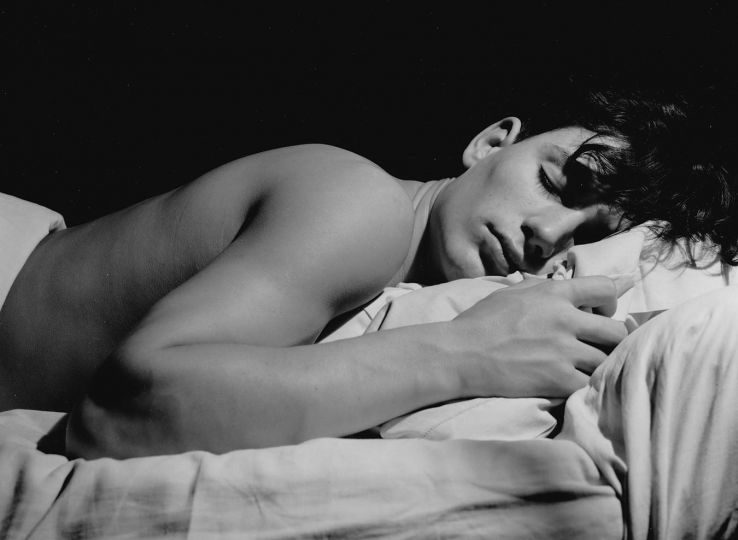
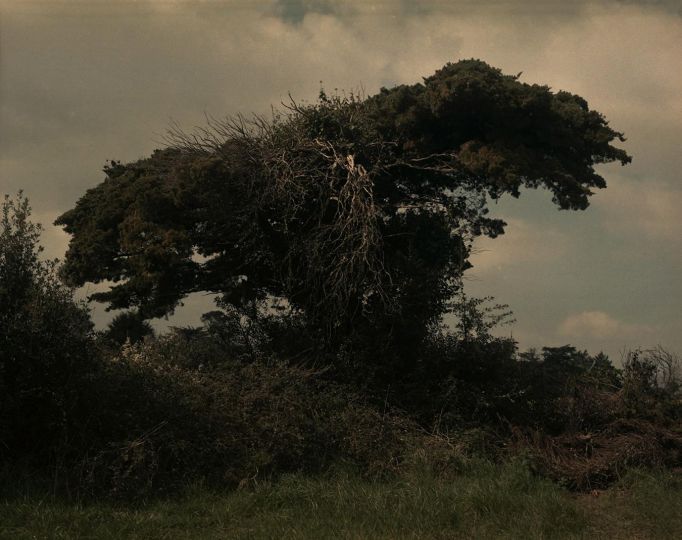
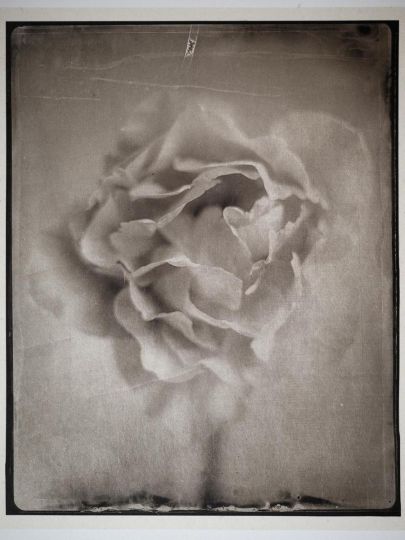
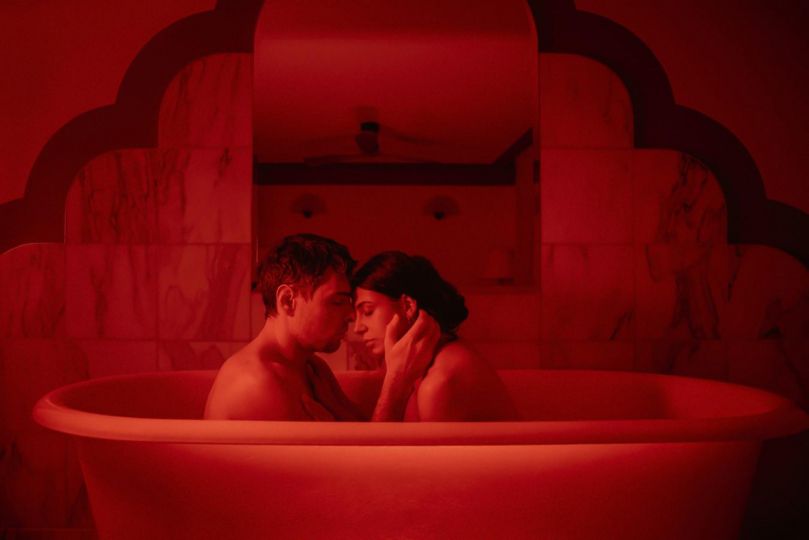
The House – Lee Shulman (images 1-13)
For quite a few people, photography is the ultimate proof of existence. If it wasn’t photographed, it simply didn’t happen. Yes, this year we are celebrating the 200th anniversary of photography, but amateur photography only became widespread after World War II. Thousands, if not millions, of photographs that we can classify as everyday photography (sometimes also described as vernacular photography – don’t look up the definition on the French Wikipedia page, because it really needs to be improved) were taken during this period.
And you know how it goes: parents/grandparents pass away, the house is cleared out, but the heirs then ask the question – what are we going to do with all these photographs? And in many cases, they end up in the rubbish tip, the charity shop and, very occasionally, on an auction site.
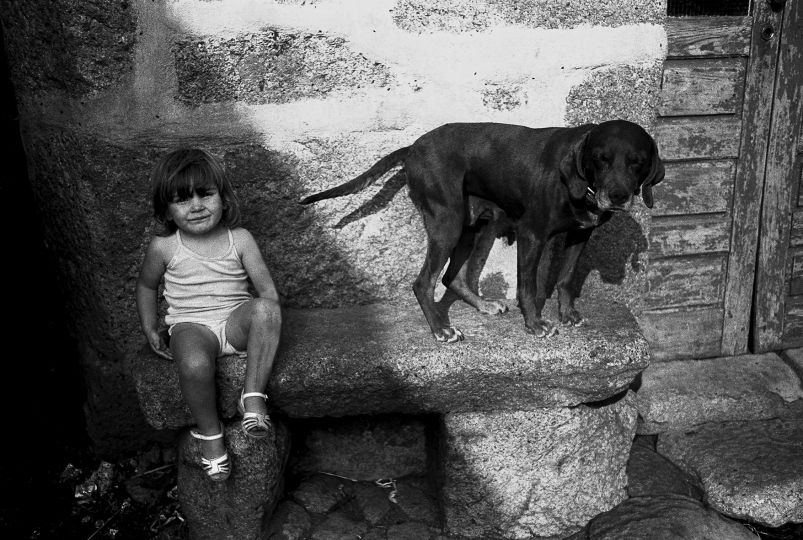
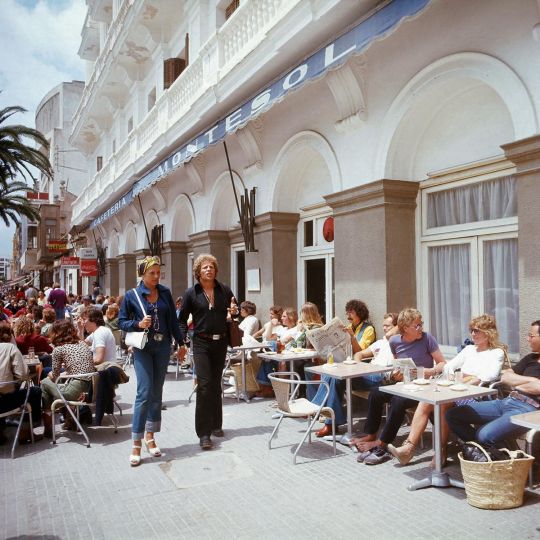
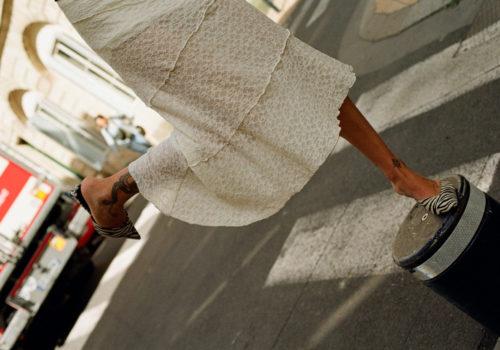
This is how Lee Shulman (1973), a British photographer living in Paris, saw a collection of slides at a sale, and the “coup de foudre” became the start of a huge collection – known as the Anonymous Project since 2017, when the initiative was presented in Arles.
In the 1950s, photography became increasingly popular, and colour photography (especially slide film) became more accessible. Shulman’s collection offers a unique insight into the daily lives of ordinary men and women between 1950 and the introduction of digital photography some 50 years later. It visualises the spread of the welfare state, the consumer society and the introduction of (colour) television, the family car…
And it’s not just the material stuff that becomes visible, but also the relationships between people: how fathers, mothers, children, and friends interacted with each other. One thing to think about: the Anonymous Project is… well, anonymous. And that is why some of the information is lost, which you can try to reconstruct a little while visiting – I personally sincerely hope that data on origin, volume and unity have been preserved in the project’s reserves so that a more scientific approach will be possible in the future – because let’s be honest, The Anonymous Project is an immeasurable source!
Since that first presentation of the project, Shulman has emerged as a busy cultural entrepreneur: The Anonymous Project fills a real need, between nostalgia and visualisation of the past. A series of memorable exhibitions have been organised, and nine publications have already appeared, including one in collaboration with Martin Parr and a second with Omar Victor Diop.
The special charm that makes this exhibition a MUST-SEE lies not only in the unique selection of images, but also in the overall staging. Shulman creates a home where you discover images on doors, in cupboards, on plates, etc., and at the same time you are immersed in the atmosphere of the past. In short, a journey of discovery.
Another exhibition that is well worth seeing at Hangar Brussels!
Extra! Lee Shulman will give a lecture next Saturday ME, MYSELF AND MARTIN – a tribute to Martin Parr by Lee Shulman Saturday 14 February / 11am and 3pm, he will sign copies of his books.
Family Stories – group exhibition (images 14–23)
What to expect in the House – well the family that lives there…
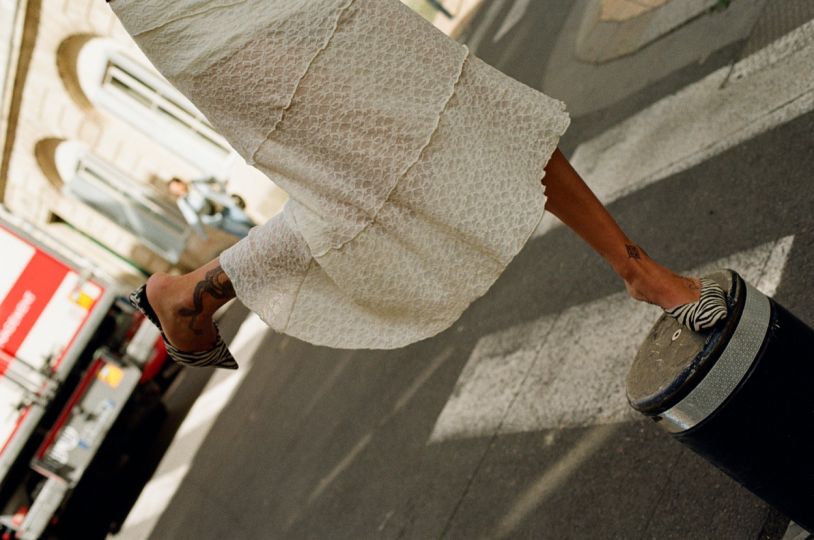
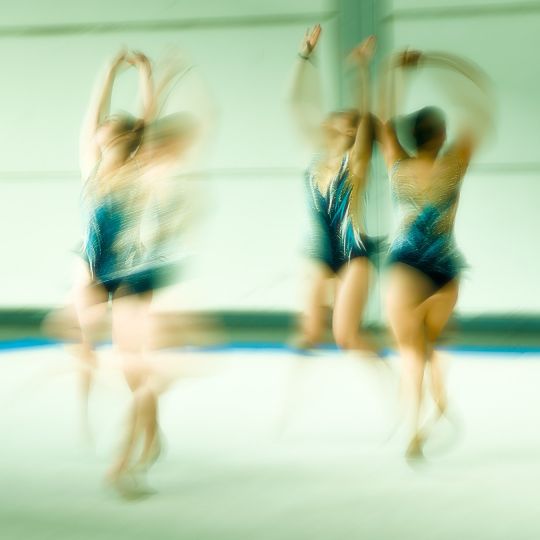
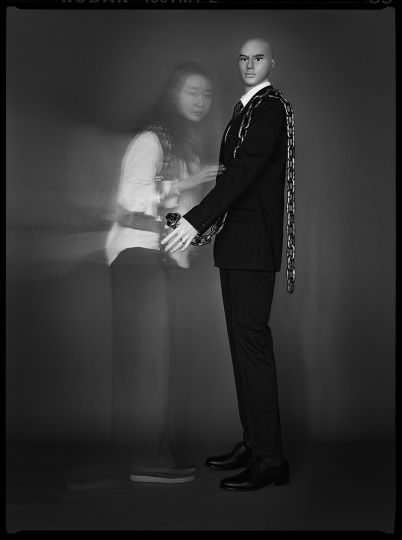
Gabriela Torres Freyermuth, curator of this project, brought together seven photographers who, in one way or another, tell stories about family relationships. Don’t expect an exhaustive approach, nor does it say anything about family relationships in 2026, but the result is a fascinating collection. The two best-known photographers are Sanne De Wilde (1987) & Deanna Dikeman (1957).
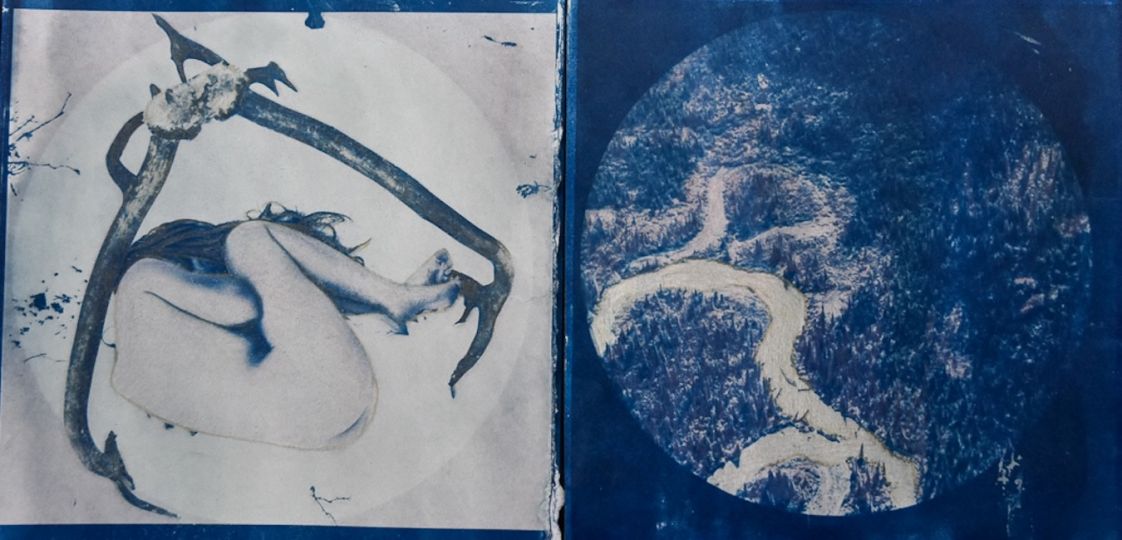
Sanne De Wilde is known for her graduation project The Dwarf Empire (2012) and the project The Island of the Colourblind (2017), and is also a member of the NOOR agency. Here she presents a very personal poetic project, The Trilogy of Togetherness, 2025 Three Chapters on Intimacy and the Violence of Systems, on family relationships. The three chapters are love, life & land, and she analyses how simple things such as entering into a relationship and having a child are thwarted by political and power structures that disrupt, reverse or even threaten to destroy the natural balance.
Deanna Dikeman (1957, USA) Leaving and waving, 1991-2017, a name you may already be familiar with. For 27 years, she regularly visited her parents, and each time she said goodbye, she took a photo of them. What began as an impulse became a ritual, which she continued until 2017, when there was no one left to say goodbye to.
Daesung Lee (1975, KO) Nirvana, 2024 is an ode to his mother. Until the 1970s, women’s role in Korea was exclusively domestic, and they were exposed to discrimination and violence.
Cristóbal Ascencio (1988, MX) tells a story of loss and the shock of learning later in life that his father chose to take his own life. Through this project, he attempts to rebuild a relationship with his father, using images from family albums and the plants his father invested in as a gardener.
In Francesca Hummler’s (1997, DE/US) Our Dollhouse (Unsere Puppenstube), 2021, the artistic project around the inherited doll’s house becomes both a symbol and a mechanism for discussing and possibly resolving relationships within the family.
I was also particularly taken with Alma Haser’s (1989, DE) Everything has an ending only the sausage has two, 2024. Her project contains literal translations of expressions between German and English, such as Einen Kater haben / To have a tomcat (to have a hangover). I would welcome its expansion into a European overview.
Danilo Zocatelli Cesco’s (1989, BR) project Dear Father, 2023 is perhaps one of the most charming in the selection. He grew up in a rural area in Brazil and lost touch with his father. The son did not choose agriculture; wanted to study, and his sexual orientation was also an issue. Until, during a visit, he suggested to his father that he dress up as a drag. To his surprise, his father agreed, and the photographic project formed the basis of a new bond between the two men.
Sylvie Bonnot Le Royaume des Moustiques (image 24)
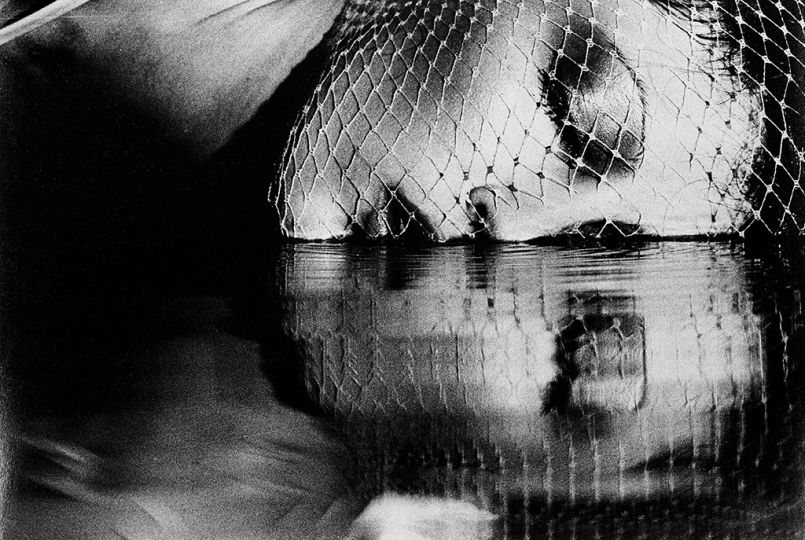
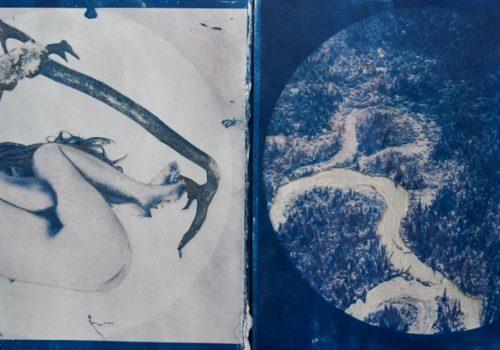
We will come back to this project, but here is a preview. Sylvie Bonnot’s series was exhibited at Paris Photo, and now also here at PhotoBrussels. Her subjects are descendants of fugitive slaves who found refuge in the most inhospitable region, The Kingdom of Mosquitoes. She presents powerful images, to which she gives a special dimension thanks to her technique. Don’t miss it!
Here too, you will have the opportunity to discover her work and meet the artist tomorrow, 14 February, between 3 and 4 pm.
The House – Anonymous Project – Lee Shulman & Family Stories – Group Show
Sylvie Bonnot Le Royaume des Moustiques
Cristóbal Ascencio (1988, MX), Sanne De Wilde (1987, BE), Deanna Dikeman (1957, USA), Daesung Lee (1975, KO), Alma Haser (1989, DE), Francesca Hummler (1997, DE/US), Danilo Zocatelli Cesco (1989, BR)
HANGAR
Place du Châtelain 18 Kasteleinplein
1050 Brussels, Belgium
23 Jan. > 17 May 2026
Wednesday to Sunday 12:00-18:00
John Devos