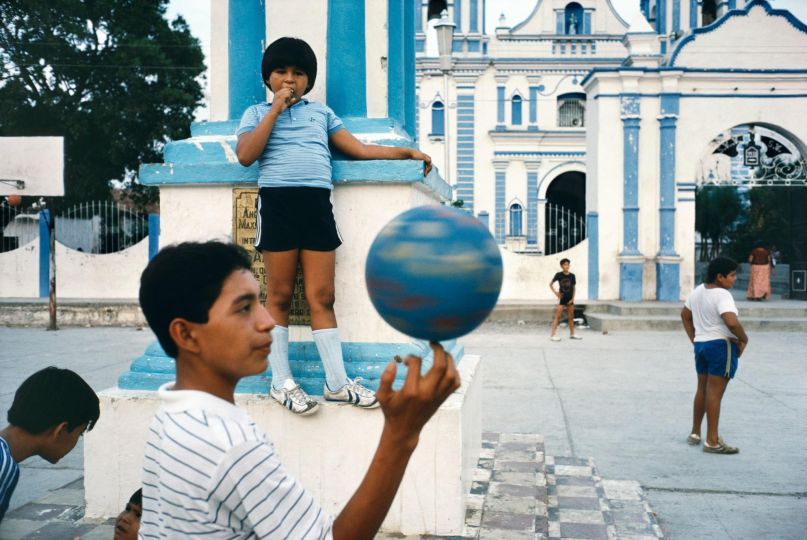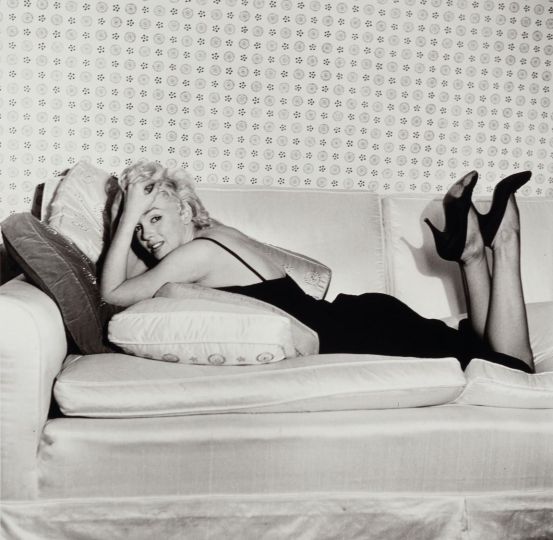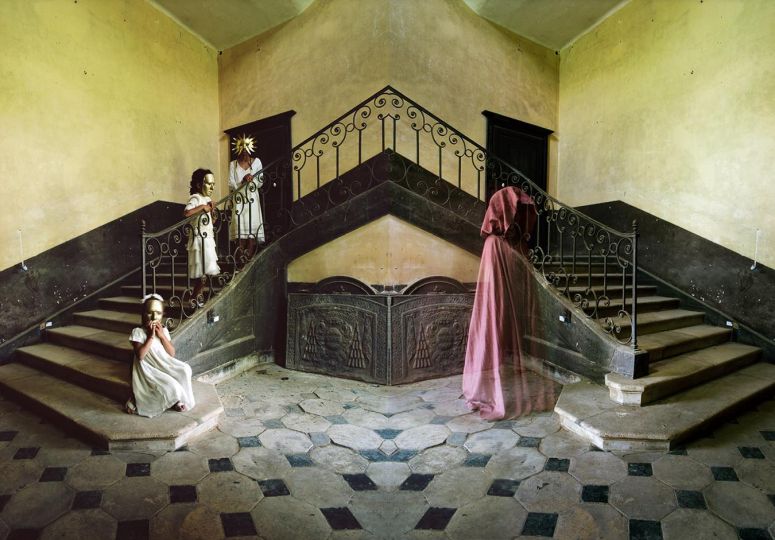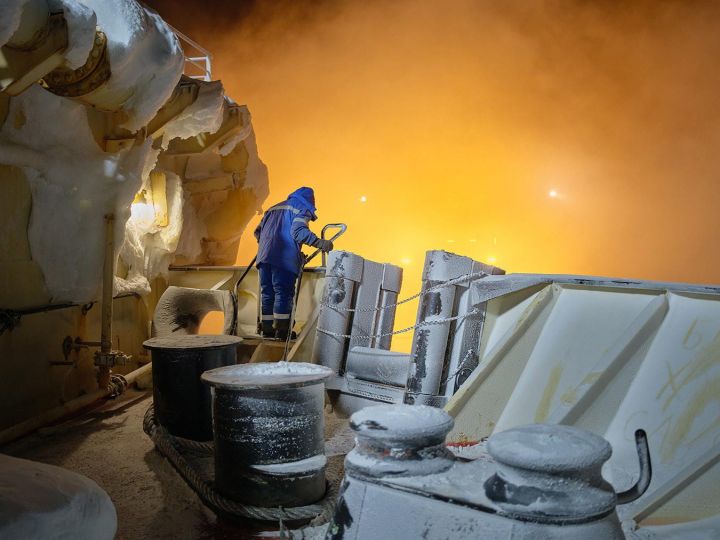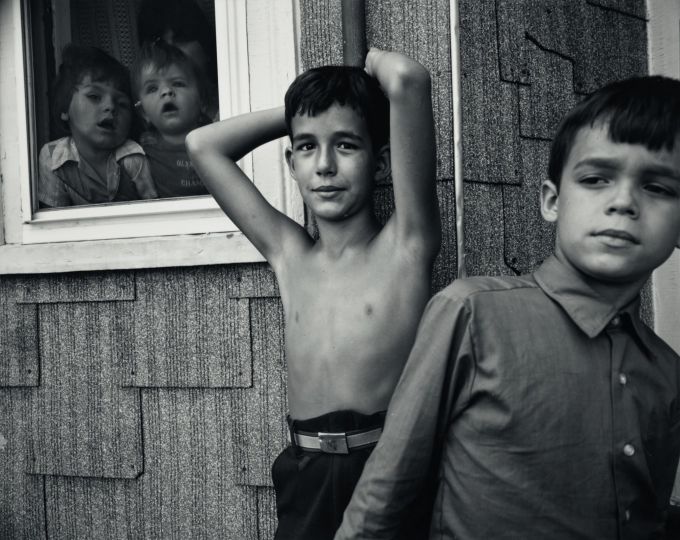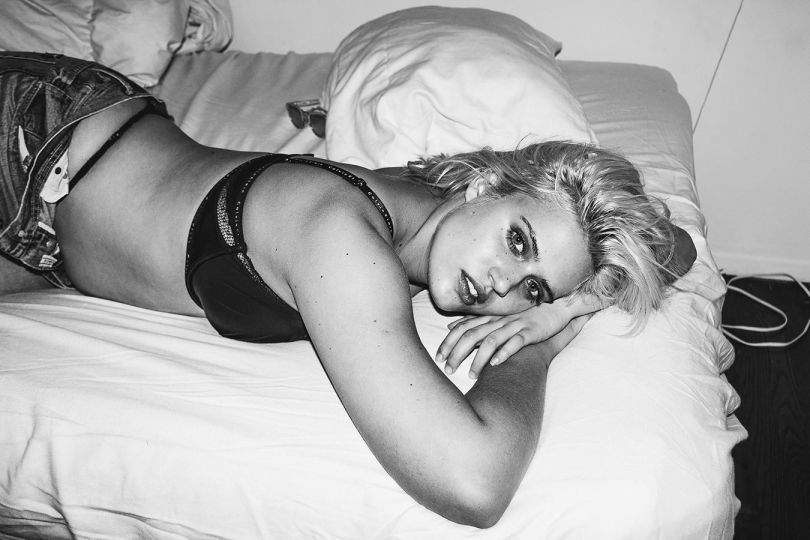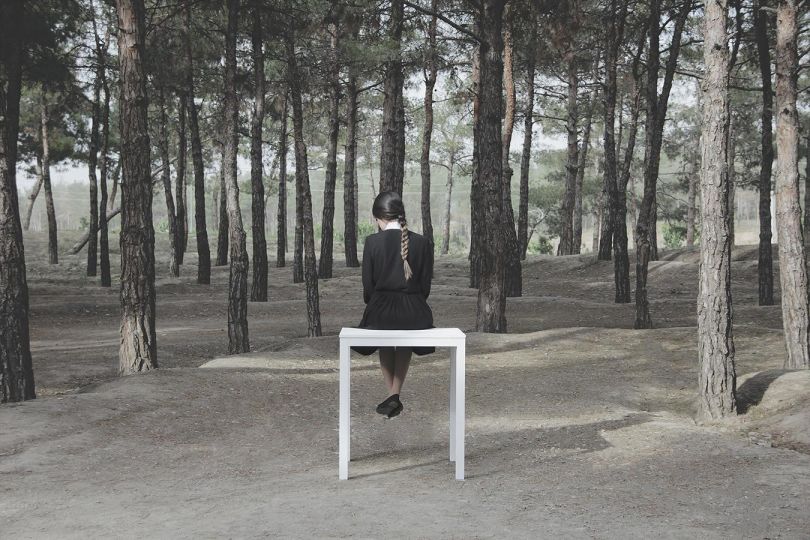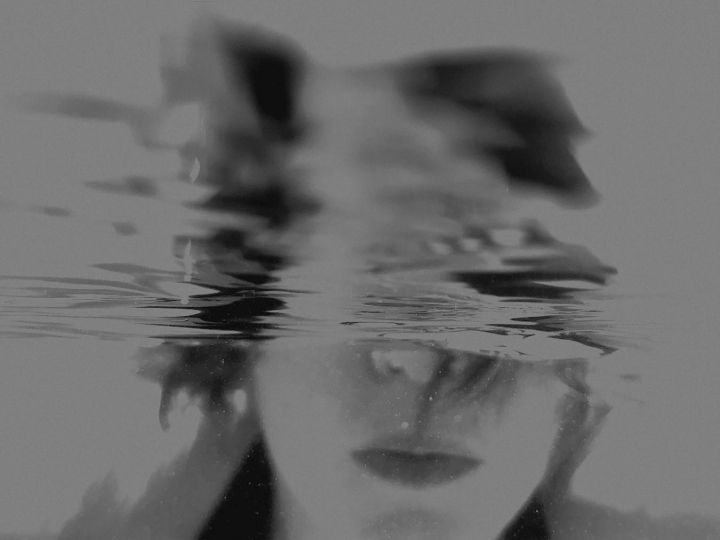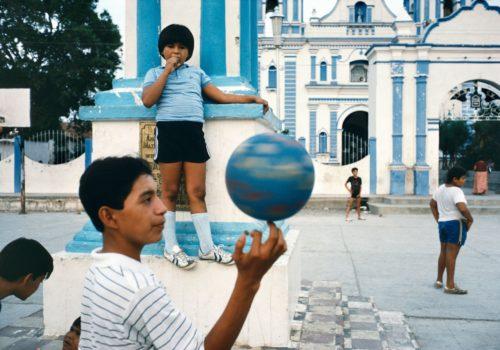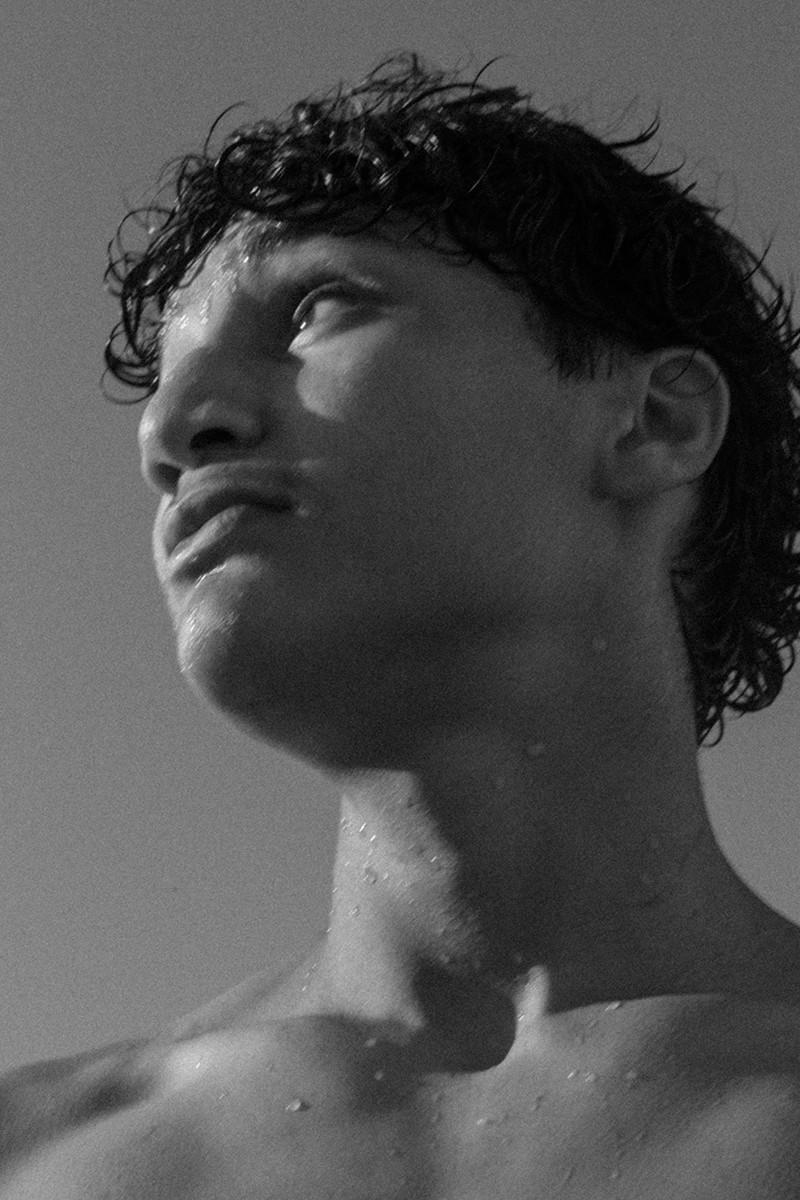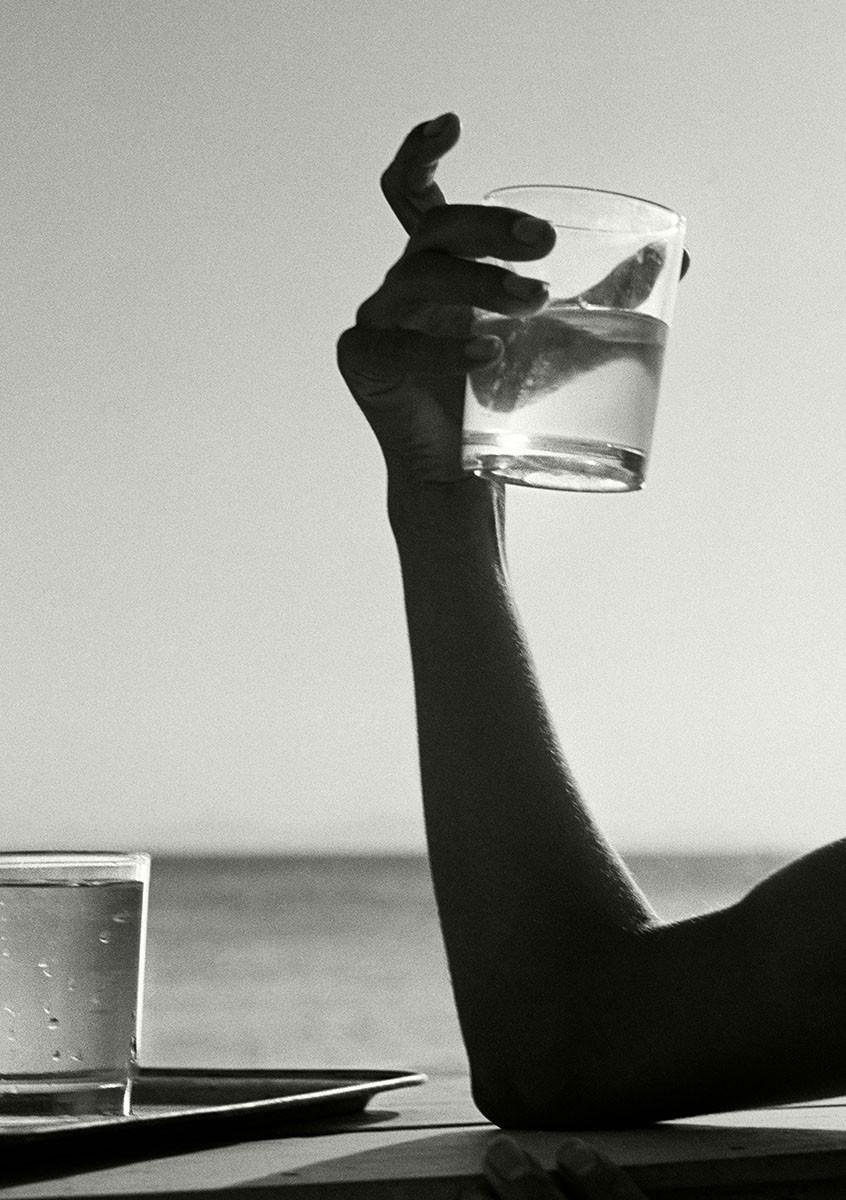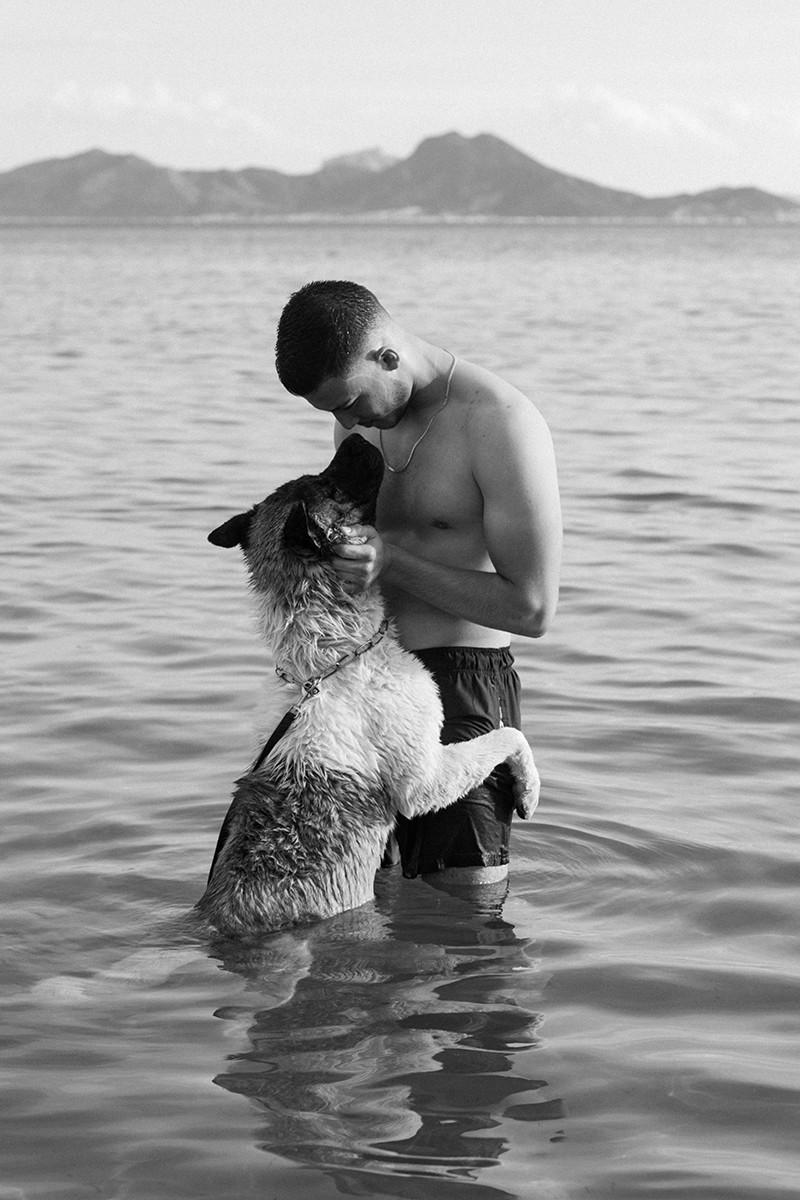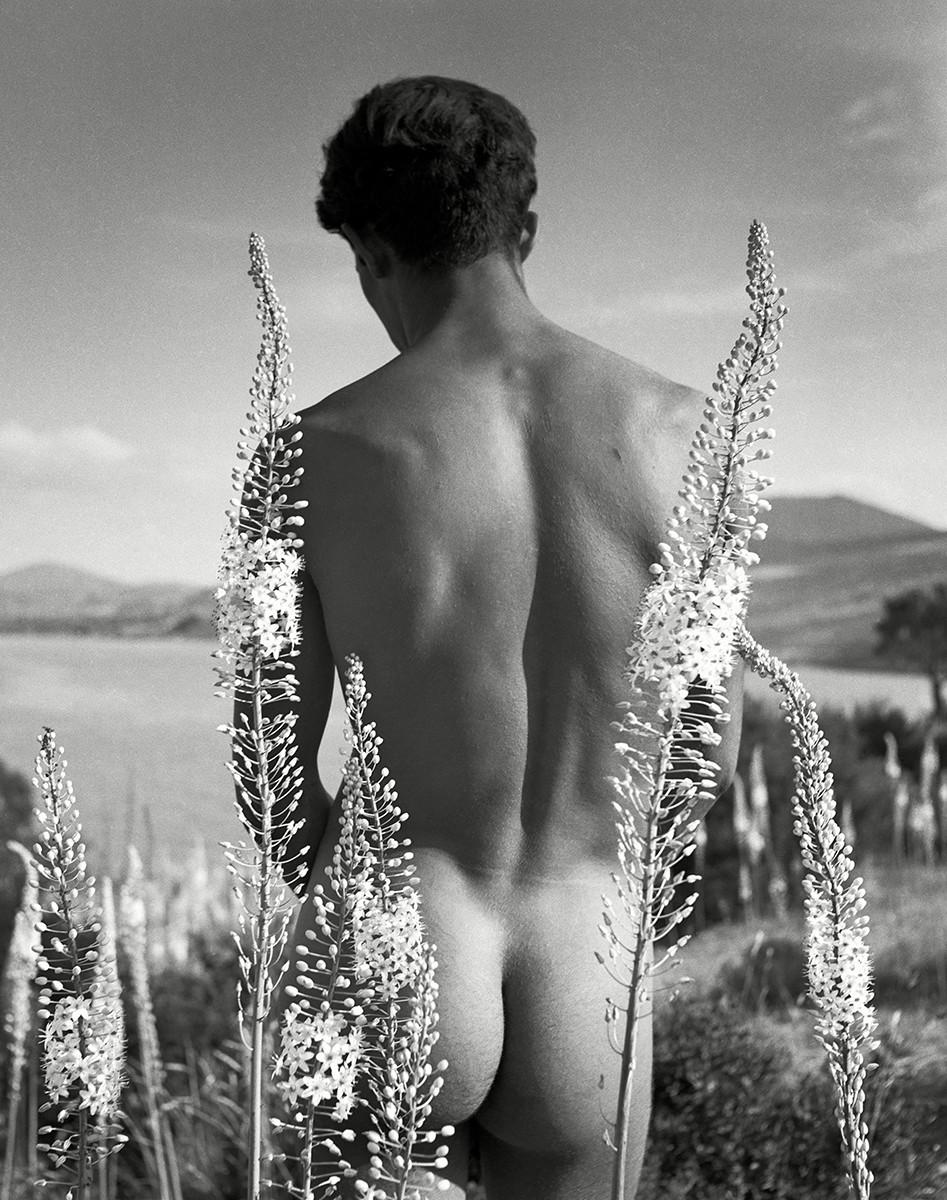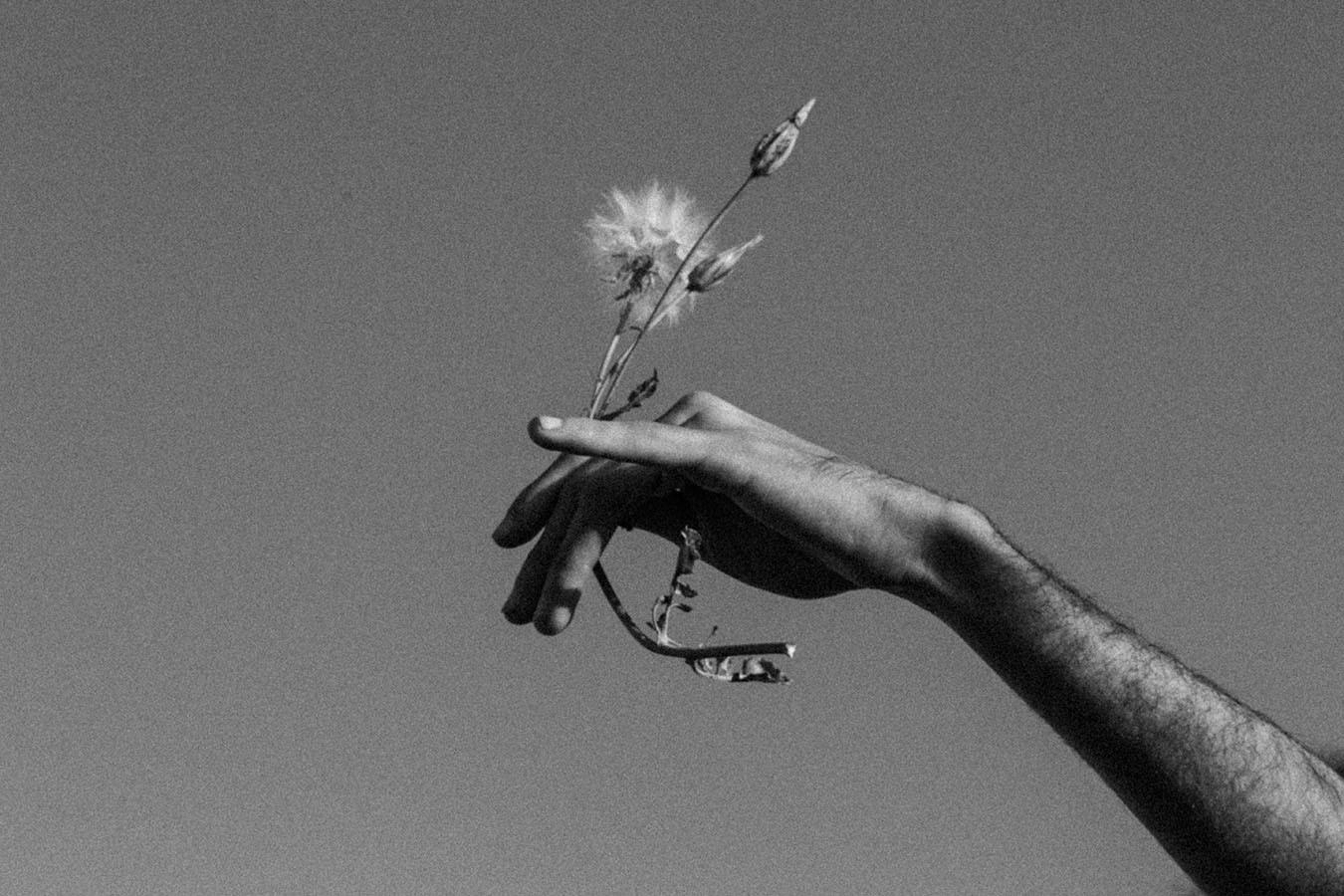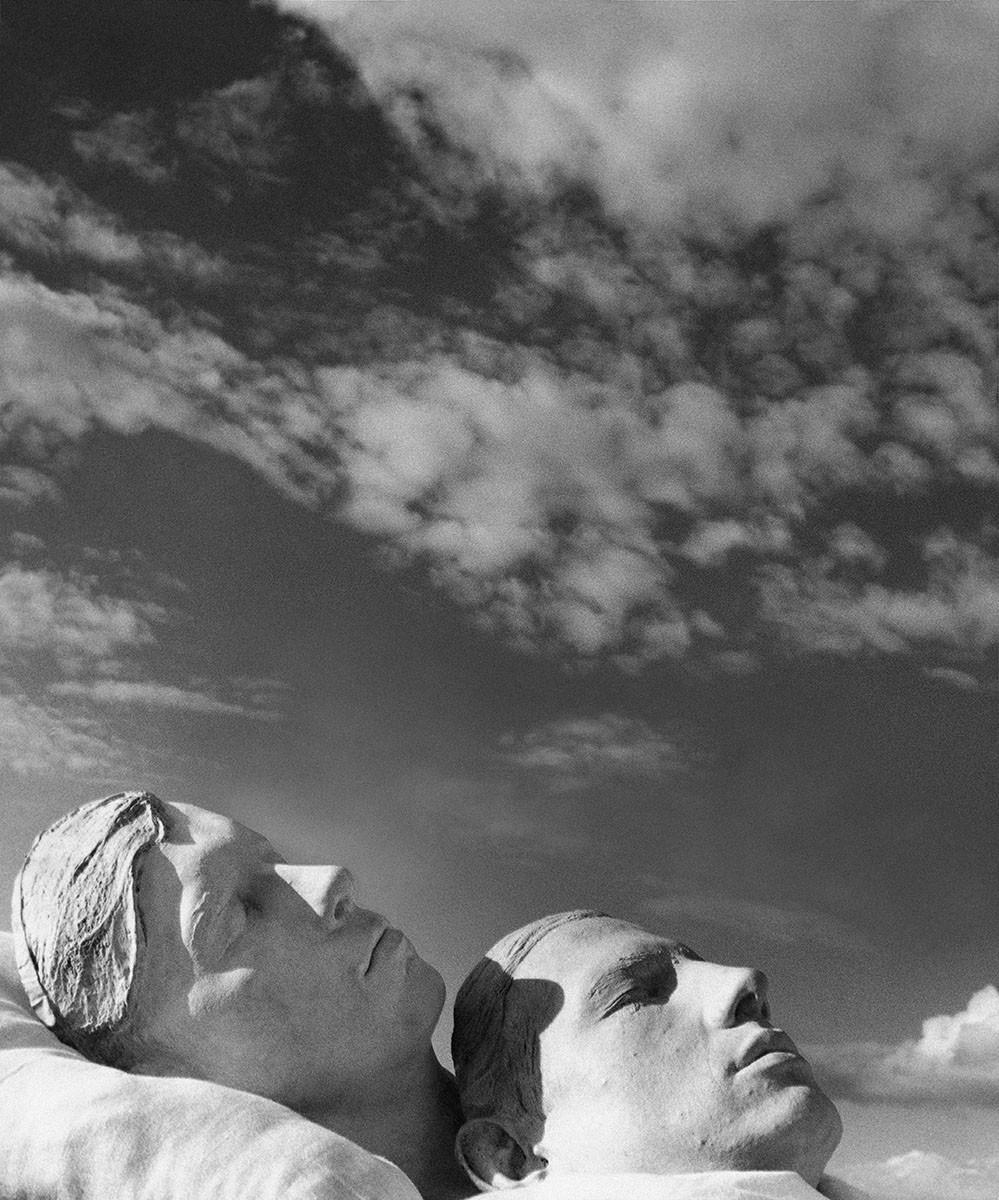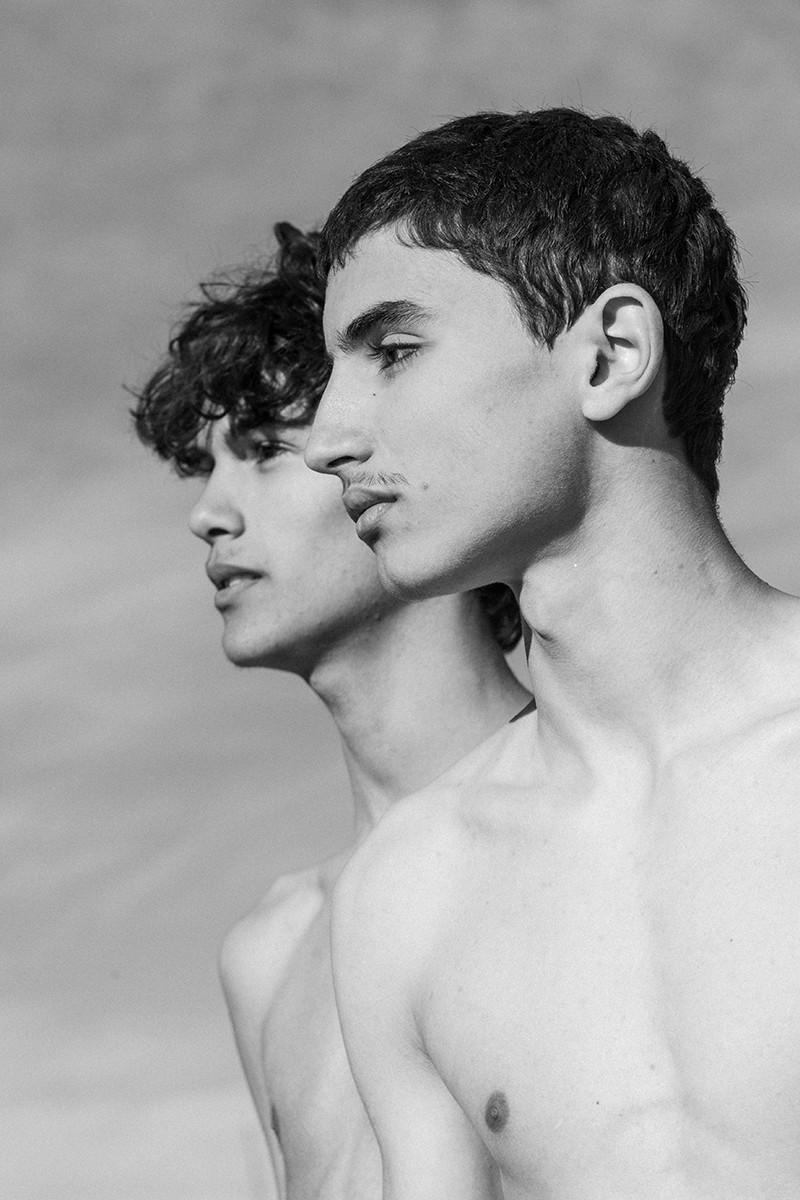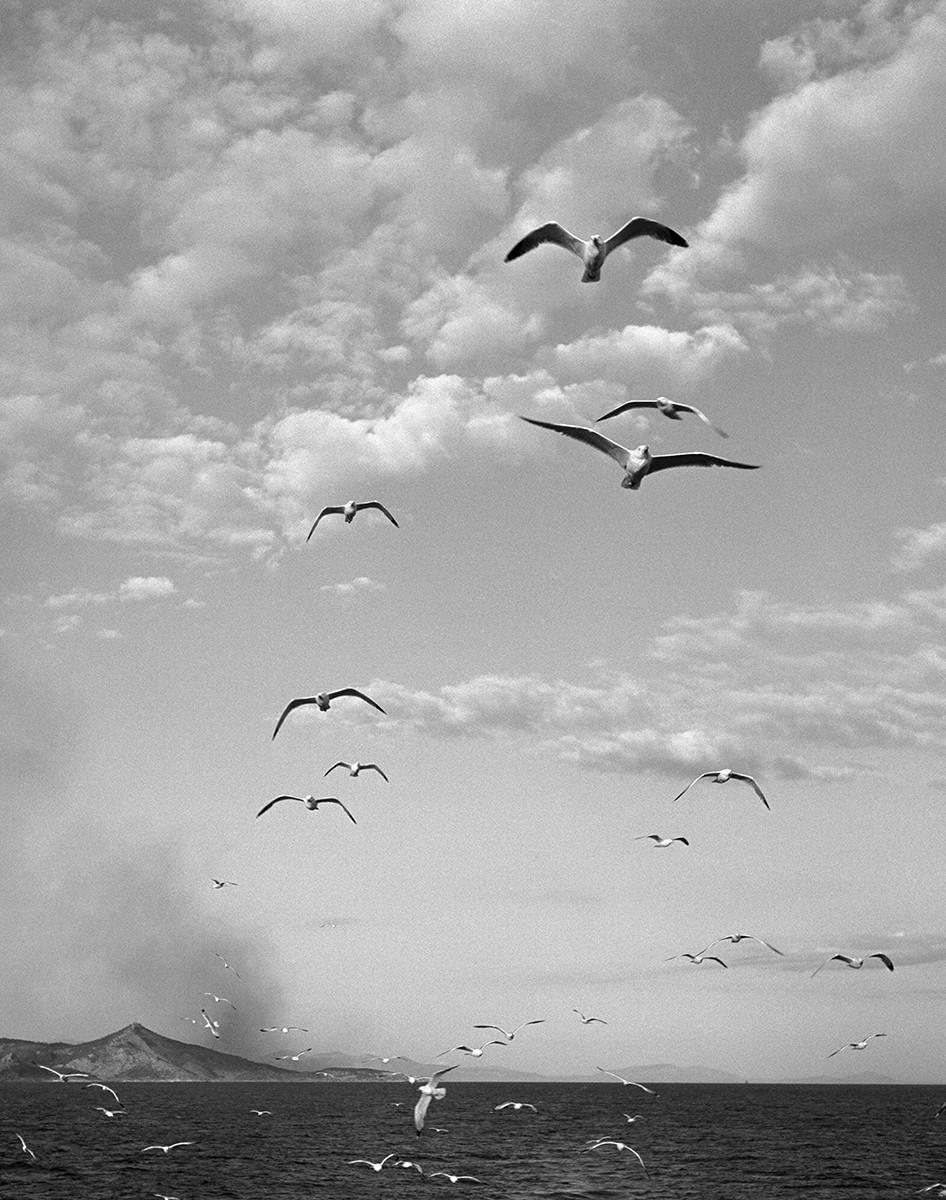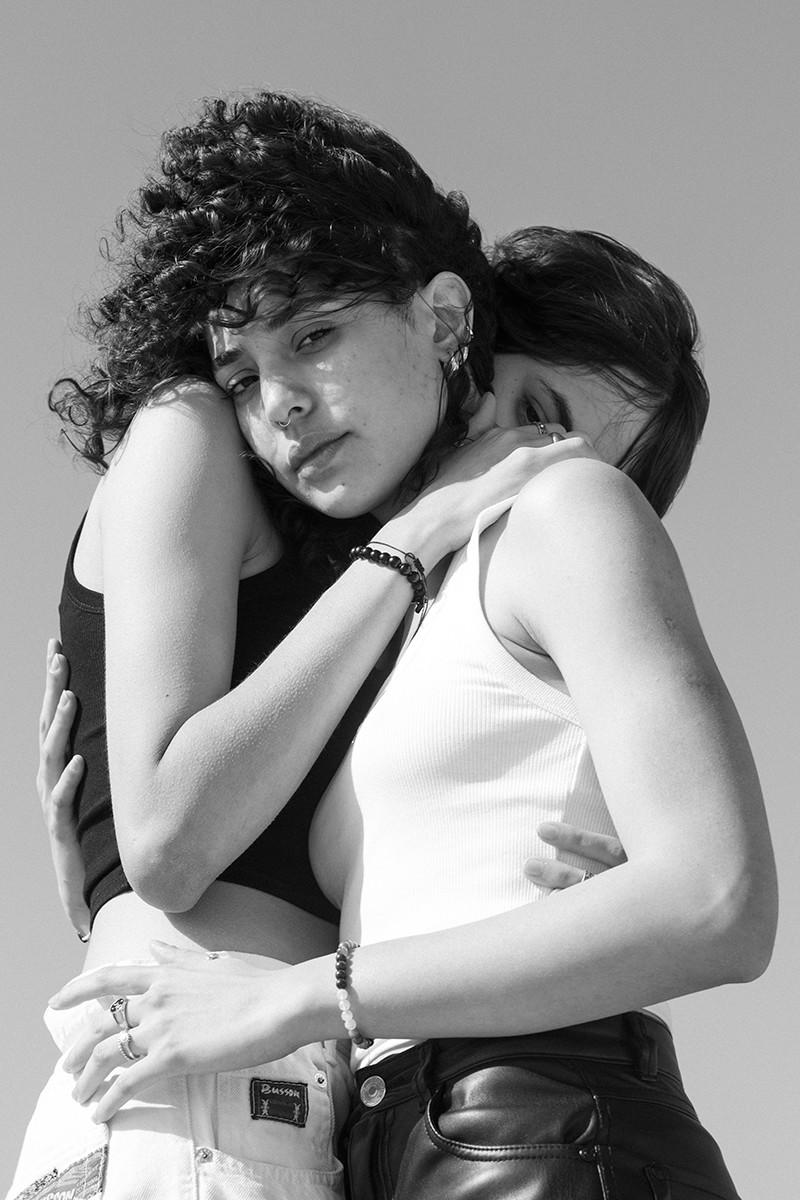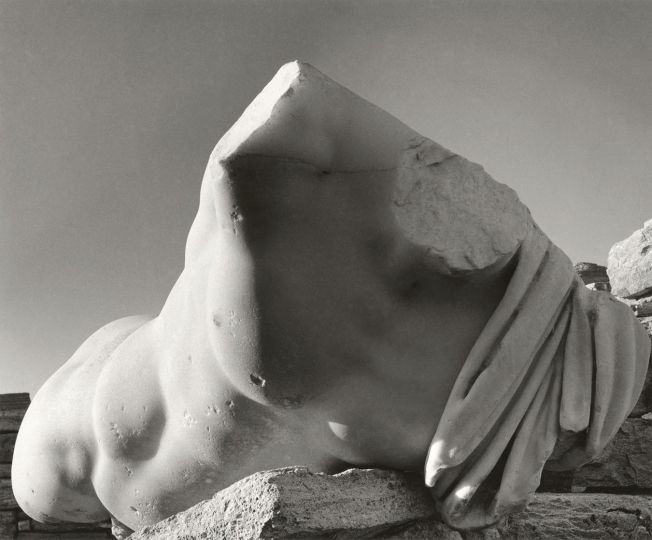
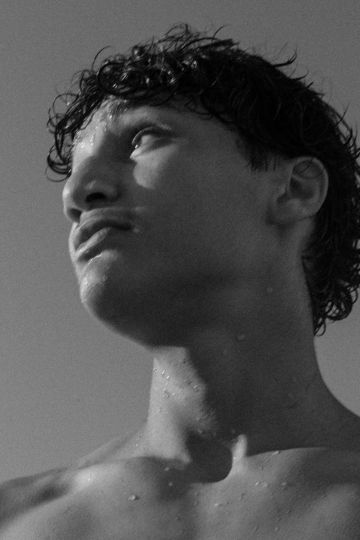
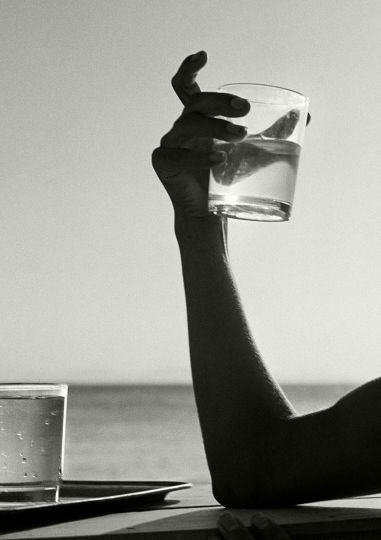
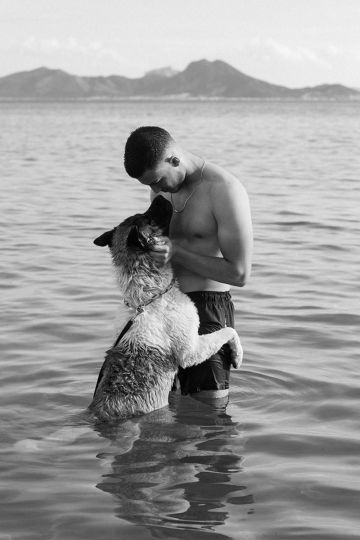
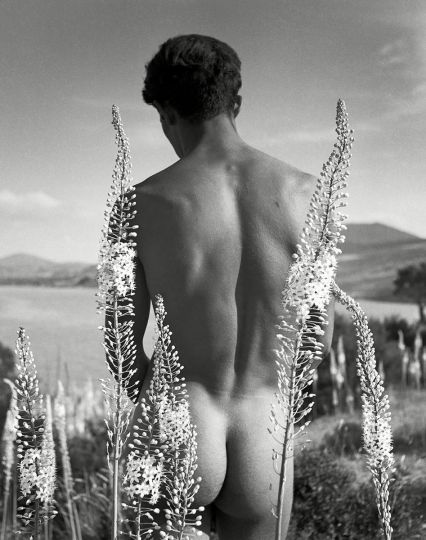
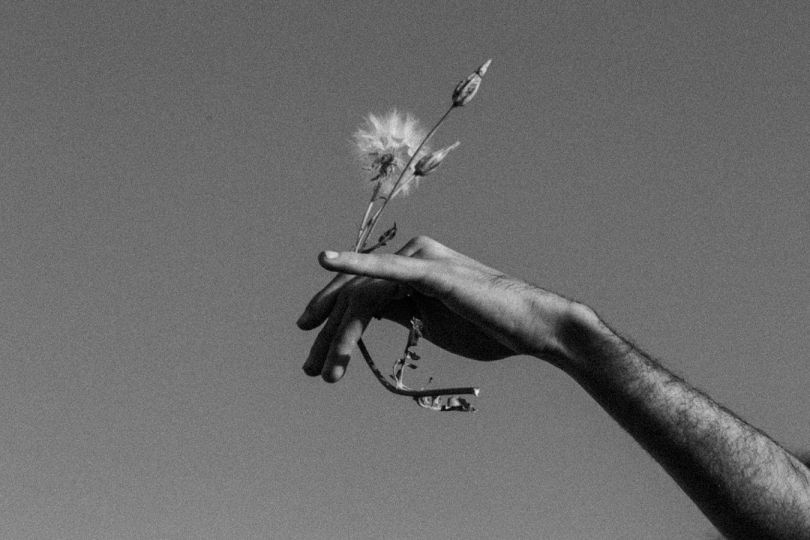
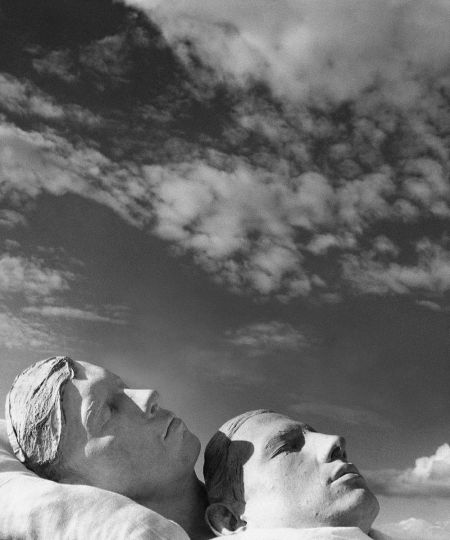
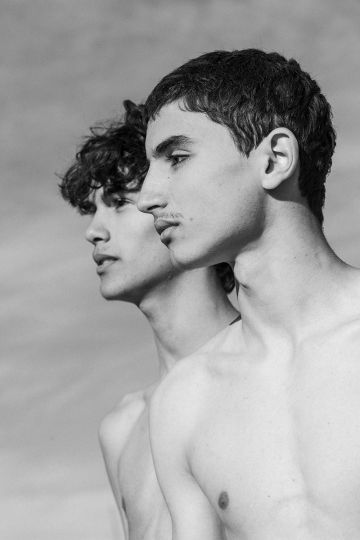
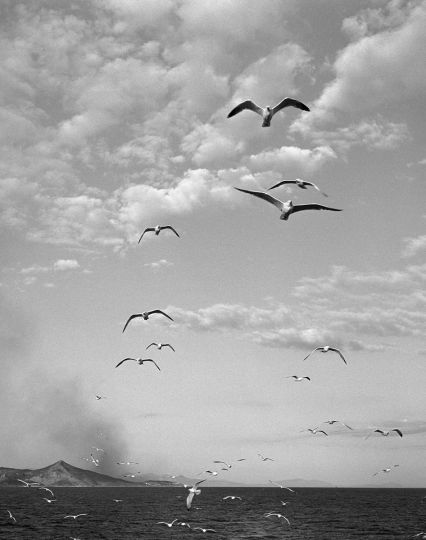
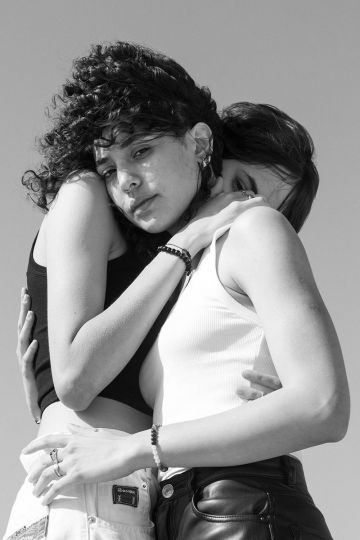

The new exhibition presented at Galerie Magnum brings together the work of two photographers: a selection of photographs made by Herbert List around the Mediterranean (and the Baltic Sea) between the 1930s and 1950s, and images by Zied Ben Romdhane taken along the Mediterranean coastline of contemporary Tunisia.
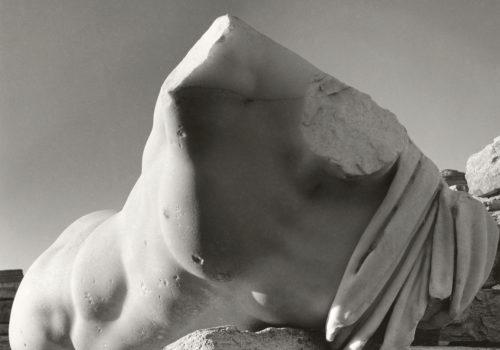
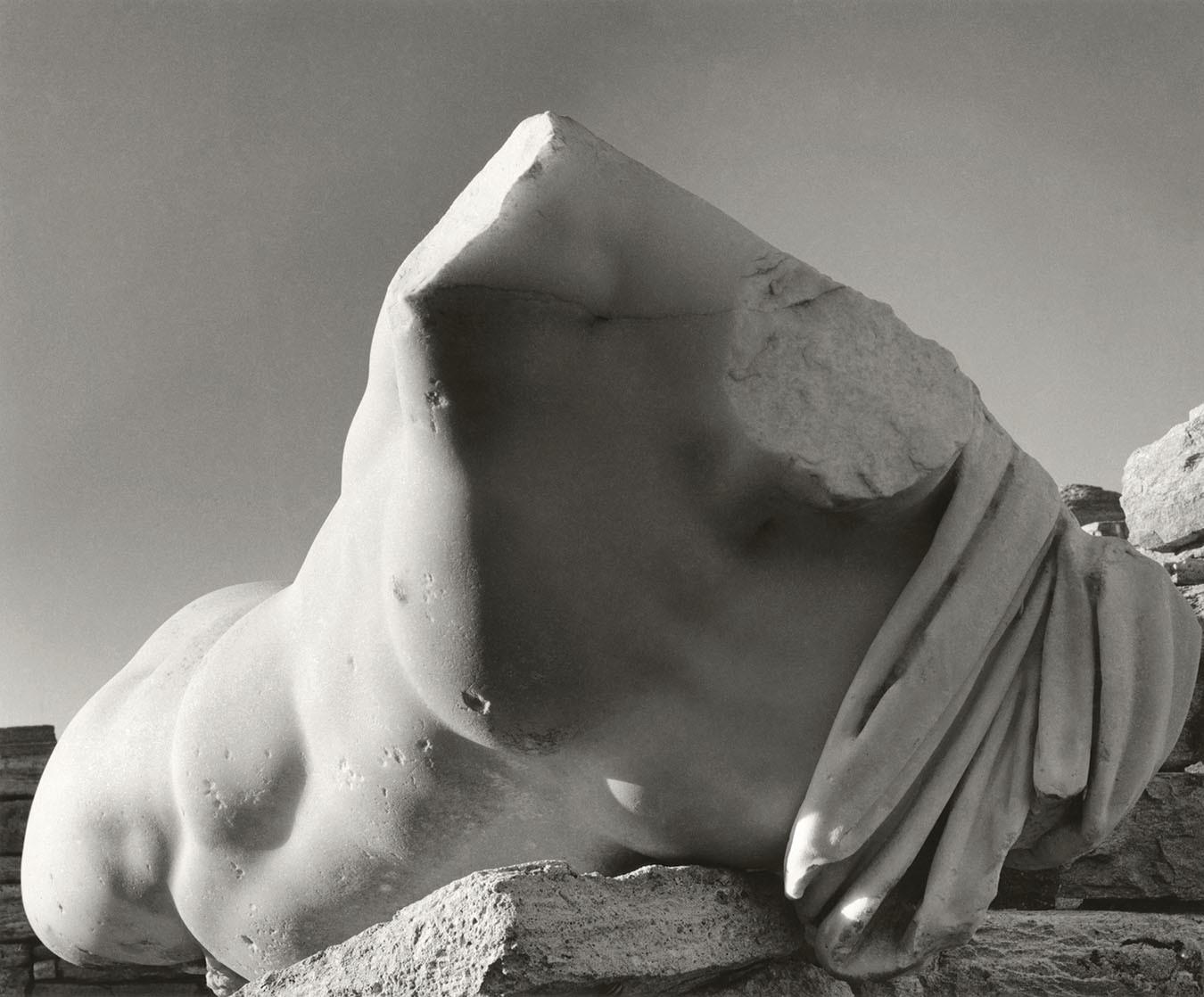
Herbert List’s photographs are taking shape around the shores of the Mediterranean, particularly in Greece and Italy. Bodies and landscapes appear as archetypes amid ruins, evoking the symbols of Greek antiquity, art and myth. In today’s Tunisia, Zied Ben Romdhane photographs that same sea and that same sun several decades later, capturing the state of mind of his country’s youth. Through these different perspectives, the seascape becomes a state of mind, and the body a vessel for desire, identity, belonging, home and exile.
List fled Germany in 1936 as the Nazis came to power, fearing persecution on account of his homosexuality and Jewish heritage. Greece and Italy became his refuges, where bodies bathed in light , sculpted marble and the sea composed an alternative reality to the impending war, grounded in sensuality. During his exile, List was free to explore more fully the tension between physical proximity and the ephemeral nature of beings and things. By emphasising form and gesture, his images seem to elude any fixed chronology.
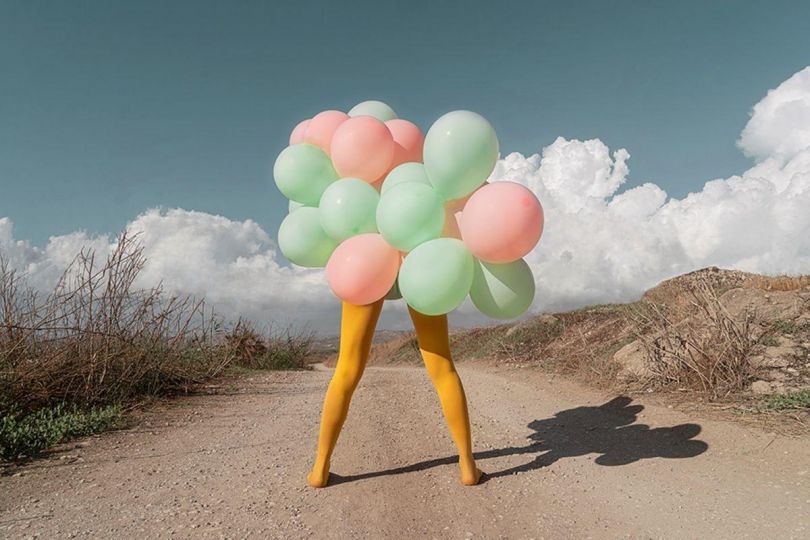
Accompanied by a poem written by the photographer, Ben Romdhane’s selection of images is drawn primarily from his series The Escape, awarded at the World Press Photo 2024 competition. In it, he composes a dreamlike and metaphorical portrait of contemporary Tunisian youth following the 2011 revolution that brought an end to twenty-three years of dictatorship.
Beneath the tenderness and vulnerability that run through his photographs lies an unsettling sense of instability what the artist describes as a “malaise” in the face of the future, political change, and questions of cultural and personal identity.
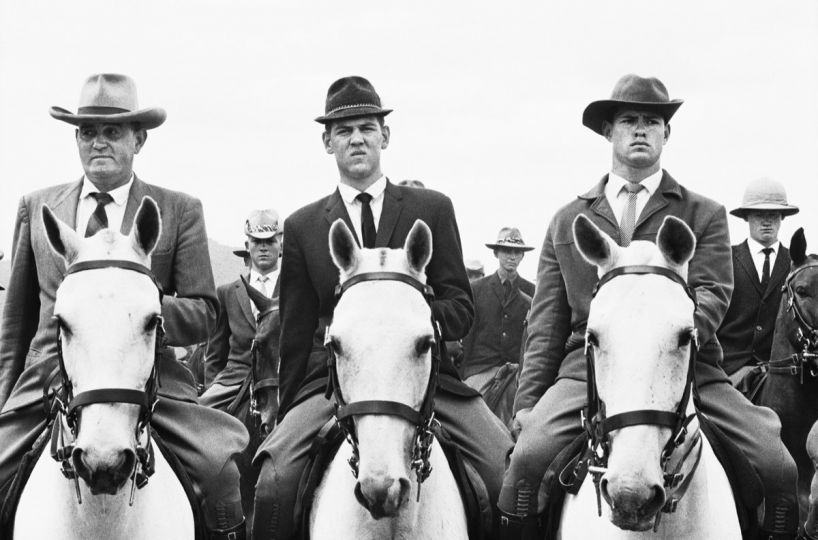
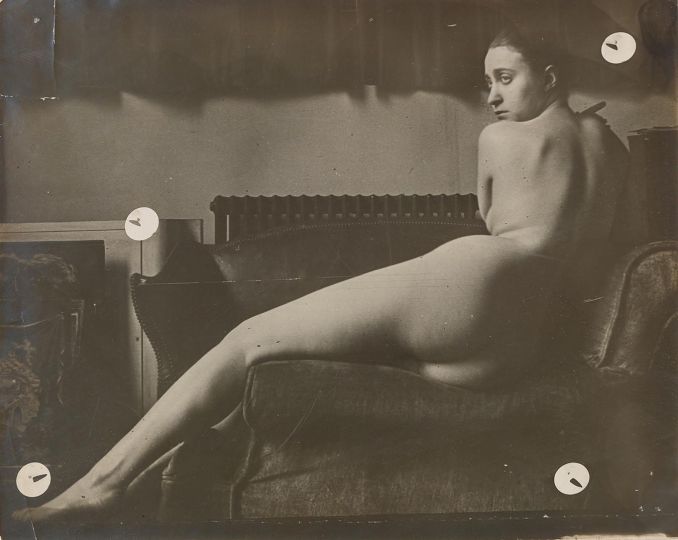
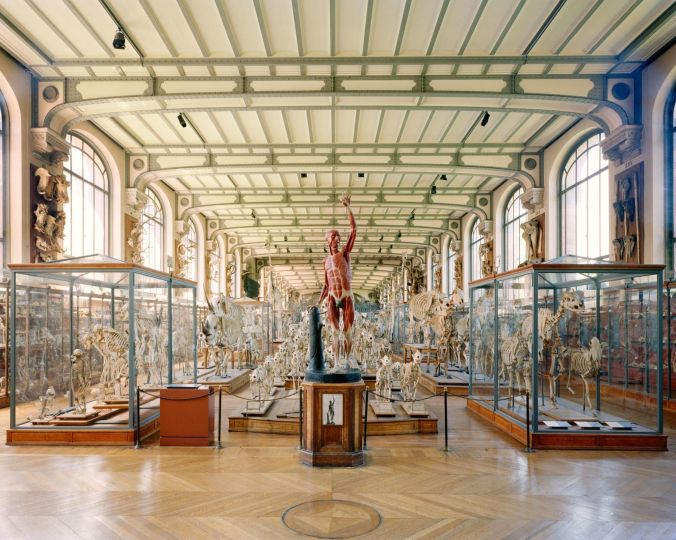
Made nearly a century apart on different shores of the Mediterranean — with the exception of a nude photographed by List in Tunisia in 1935 — the images brought together in Under the Same Sun bear witness to distinct political contexts. Yet placed side by side, they enter into dialogue as much through form as through meaning, creating an exchange between myth and the everyday, symbol and place, the individual and the community.
“Ben Romdhane’s contemporary images acquire a historical dimension through their elective affinity with List’s work, while List’s photographs, nearly ninety years old, extend into the present through their current correspondences.” explains Peer-Olaf Richter, Director of the Herbert List Estate.
Herbert List was born in Hamburg in 1903, the eldest son of a coffee merchant. A self-taught photographer, he truly discovered the medium in 1930 when Andreas Feininger, a Bauhaus graduate, introduced him to the Rolleiflex camera. Together they explored different photographic genres in the spirit of the New Objectivity. Numerous journeys to Italy, the south of France and Tunisia subsequently nourished his work and deepened his attraction to Surrealism.
As antisemitism and homophobia spread through Germany after 1933, List — who was homosexual and had Jewish grandparents — left his country in 1936. He passed through Switzerland and the Italian Riviera before settling in Paris. With the support of George Hoyningen-Huene and Cecil Beaton, he made a brief foray into fashion photography while publishing his first images in Harper’s Bazaar, Life and Verve. List always considered himself an amateur in the noble sense: a photographer guided by passion rather than commission. He presented his first solo exhibition in Paris in 1937.
During the war years, List led a precarious existence in occupied Europe. He eventually found refuge in Greece, where he photographed his friends, ancient temples and landscapes with the sensibility of an artist rather than a documentarian. Forced to return to Germany in 1941, he was officially banned from publishing and professional activity on account of his “non-Aryan” status. Friends working in publishing nonetheless obtained informal travel permits for him, allowing him to travel to Macedonia, Bulgaria and Ukraine in order to avoid conscription.
After 1945, he received photojournalist accreditation from the American military government in Munich. A stay in Paris in 1948, during which he photographed Braque, Chagall and Picasso, confirmed his reputation as a major portraitist of the cultural elite. In 1951, Robert Capa invited him to collaborate with Magnum. The following decade was largely devoted to Italy, where the discovery of the 35mm format and the telephoto lens, combined with the influence of Henri Cartier-Bresson and Italian neorealism, brought new spontaneity and immediacy to his work. Several publications emerged from this period, including Caribia and Napoli.
At his death in Munich in 1975, List’s work had fallen into near oblivion. The international publications and exhibitions that followed would secure him a major place in the history of photography. His works are today held in the permanent collections of the Museum of Modern Art in New York, the Victoria and Albert Museum in London, the J. Paul Getty Museum in Los Angeles and the Centre Pompidou in Paris.
Born in 1981 in Tunisia, Zied Ben Romdhane turned to documentary photography in 2011. He published his first book, West of Life, in 2018 with Red Hook Editions. His work is deeply rooted in his native Tunisia, where he explores the sociopolitical contrasts between inland regions and coastal areas, revealing how geography shapes these dynamics.
Winner of the World Press Photo Prize in 2024, he was selected in 2018 for the World Press Photo Foundation’s 6×6 Global Talent programme, participated in the Joop Swart Masterclass and received the POPCAP prize (Africa Image, Basel) in 2015. He is also director of photography for the documentary Fallega (2011), dedicated to the Arab Spring in Tunisia. He also participated in the World Press Photo Reporting Change initiative in 2013 and is a member of the Rawiya and Native collectives.
Zied Ben Romdhane joined Magnum as a nominee in 2019 before becoming a full member in 2025.
The exhibition was curated by Zied Ben Romdhane, Peer-Olaf Richter and Clémence Vichard-Larroque, Gallery Manager.
Works on show are available for acquisition.
For any enquiries, please contact the gallery team directly or write to [email protected].
Herbert List x Zied Ben Romdhane : Under the Same Sun
27 June 2026 – 12 September 2026
Public opening: 27 June, 10:00 am – 12:30 pm
Galerie Magnum
2 impasse Delaunay
75011, Paris
www.magnumphotos.com