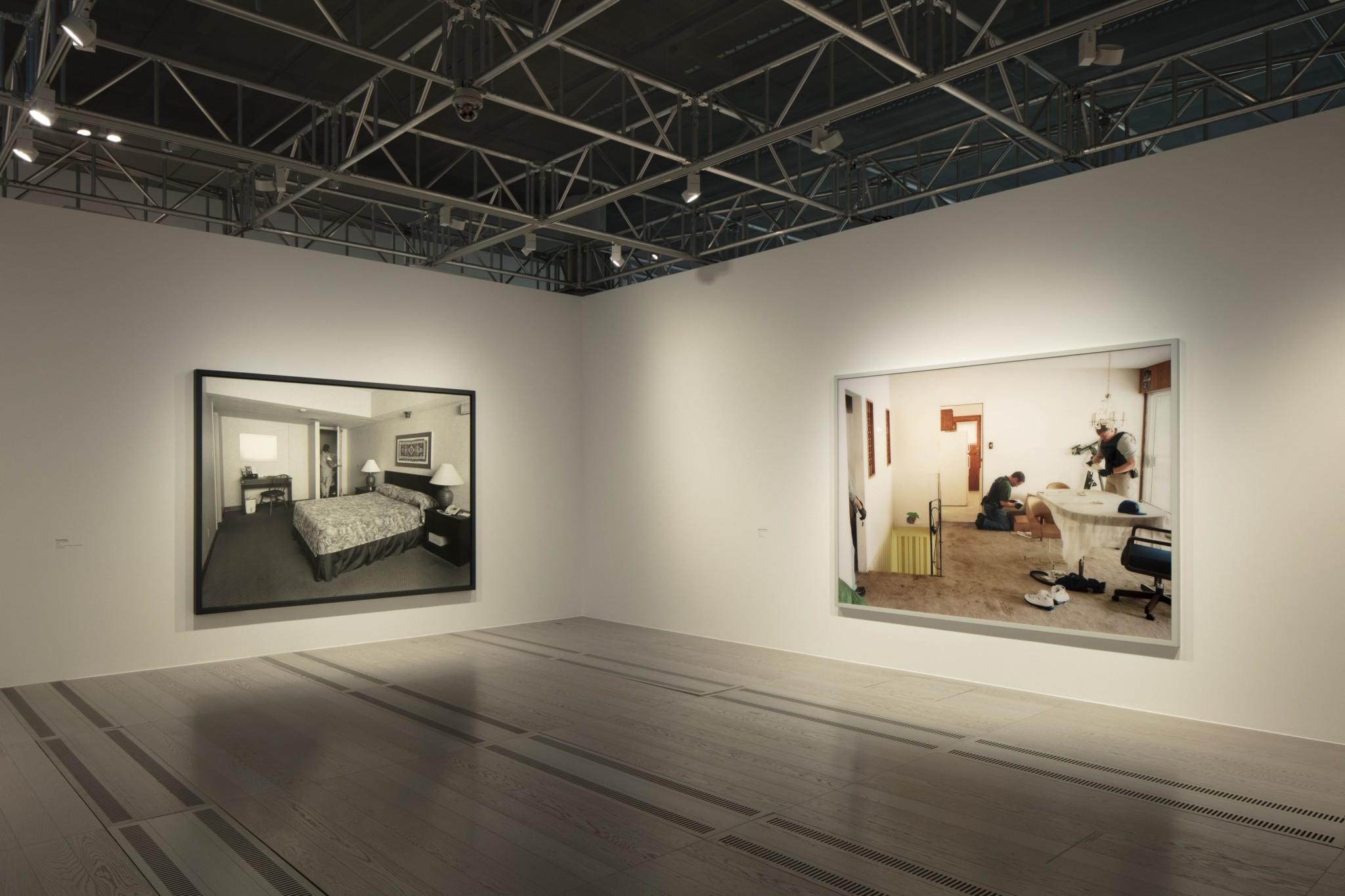


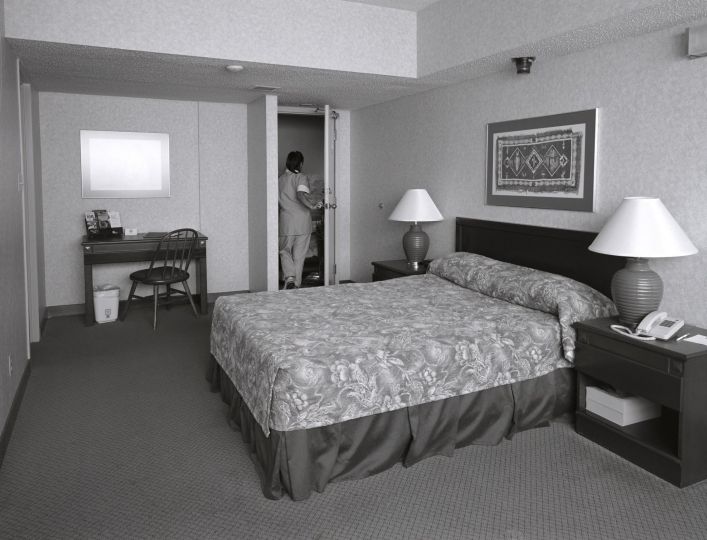


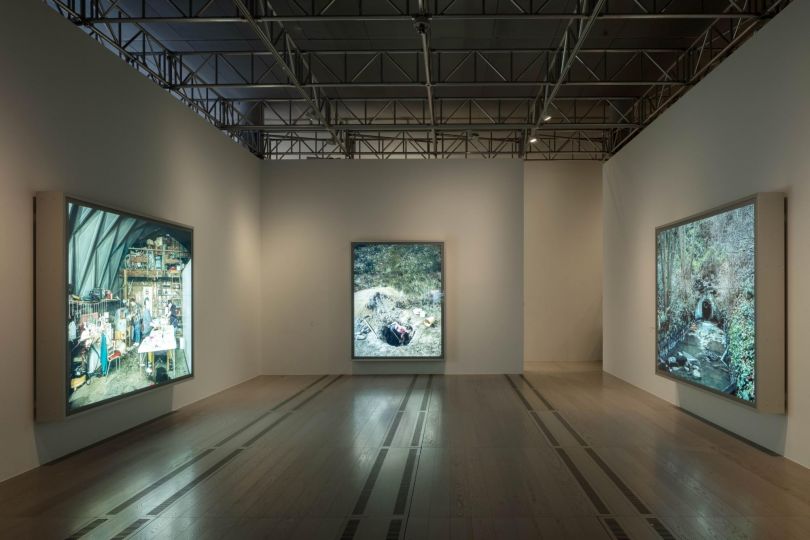
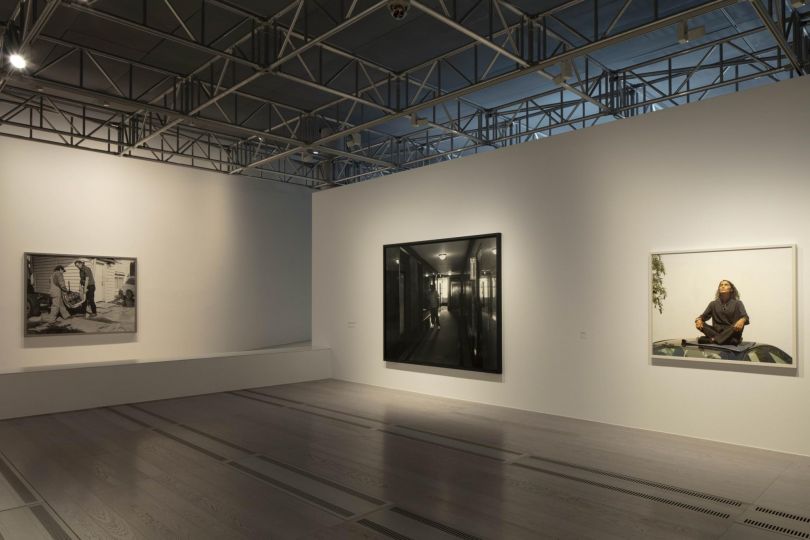


An opportunity to consider the complex position of the Canadian photographer Jeff Wall within the field of contemporary photography is provided by the exhibition Living, Working, Surviving, presented by the Fondazione MAST (Manifattura di Arti, Sperimentazione e Tecnologia) in Bologna in conjunction with the VII Biennial of Photography on Industry and Work, Foto/Industria.
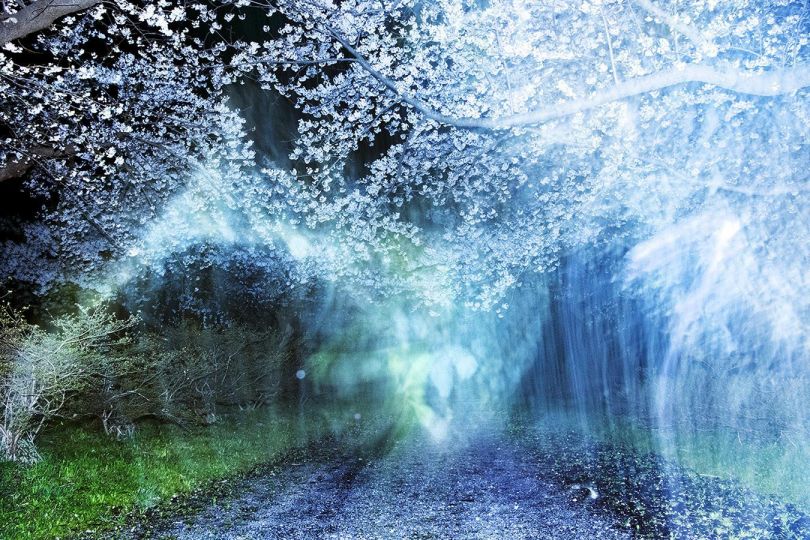
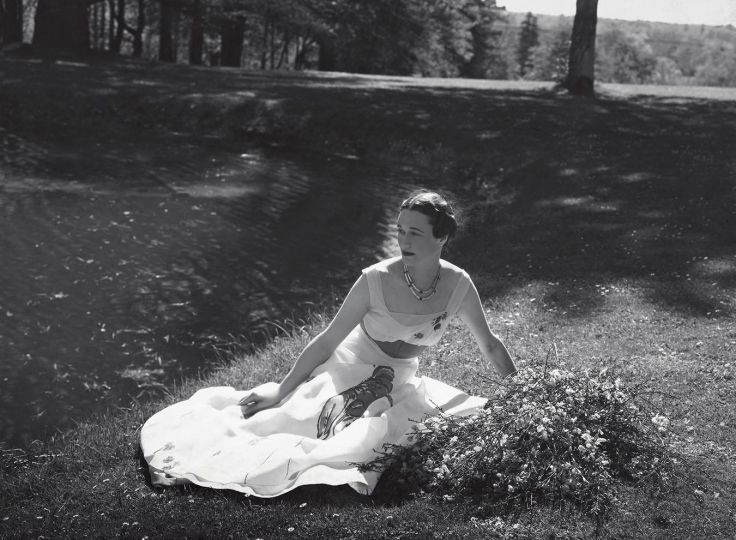
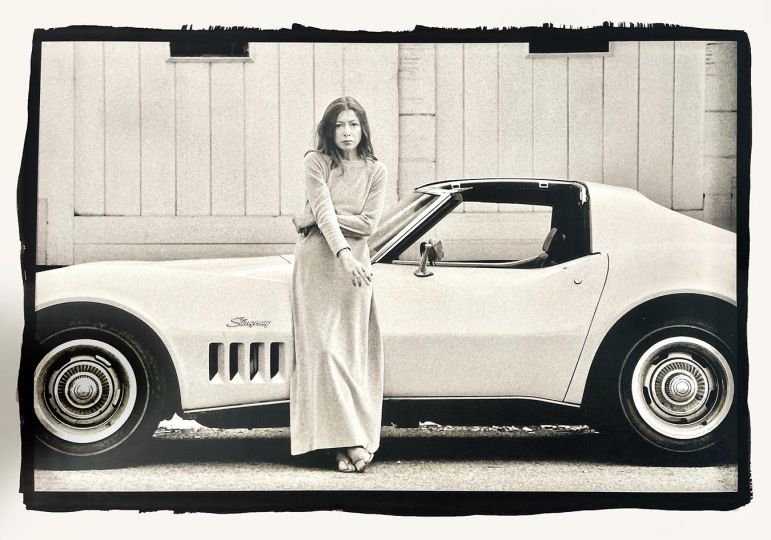
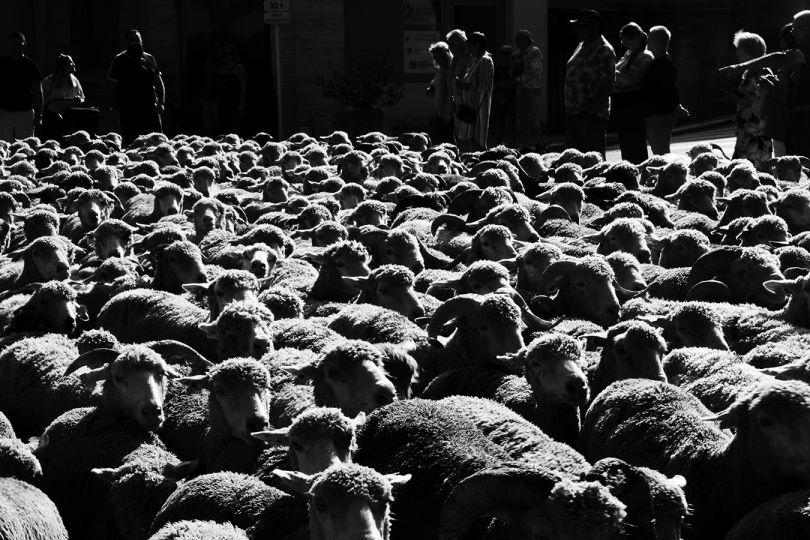
Curated by Urs Stahel and staged in the MAST Galleries, the exhibition features 28 works, including lightboxes, large-format colour prints and black-and-white images. Created between 1980 and 2021, the pieces are from private collections and international museums. The exhibition retraces the career of an artist who has long questioned what a photograph can be.
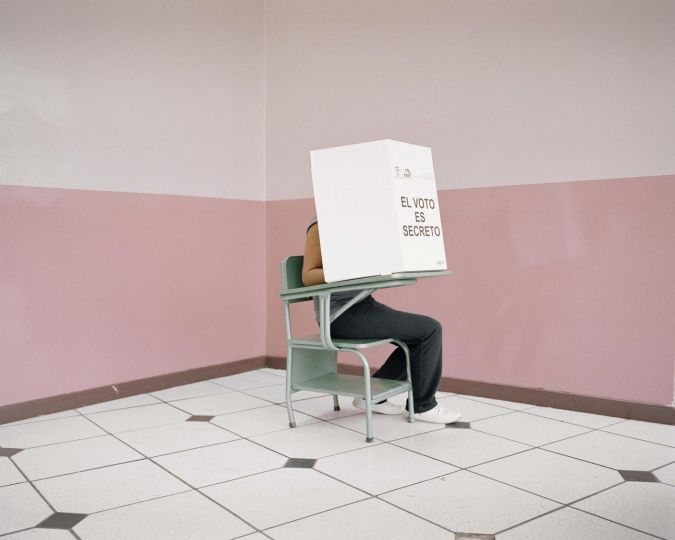
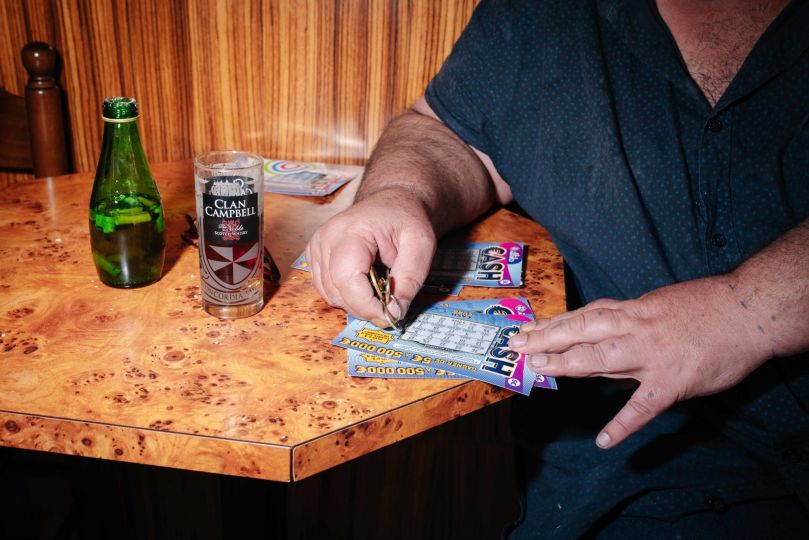
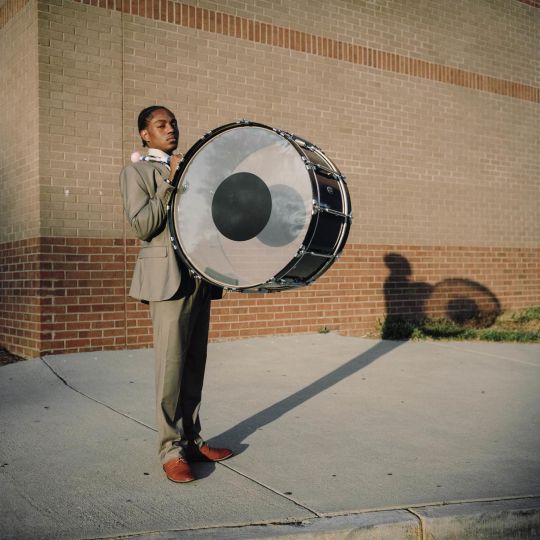
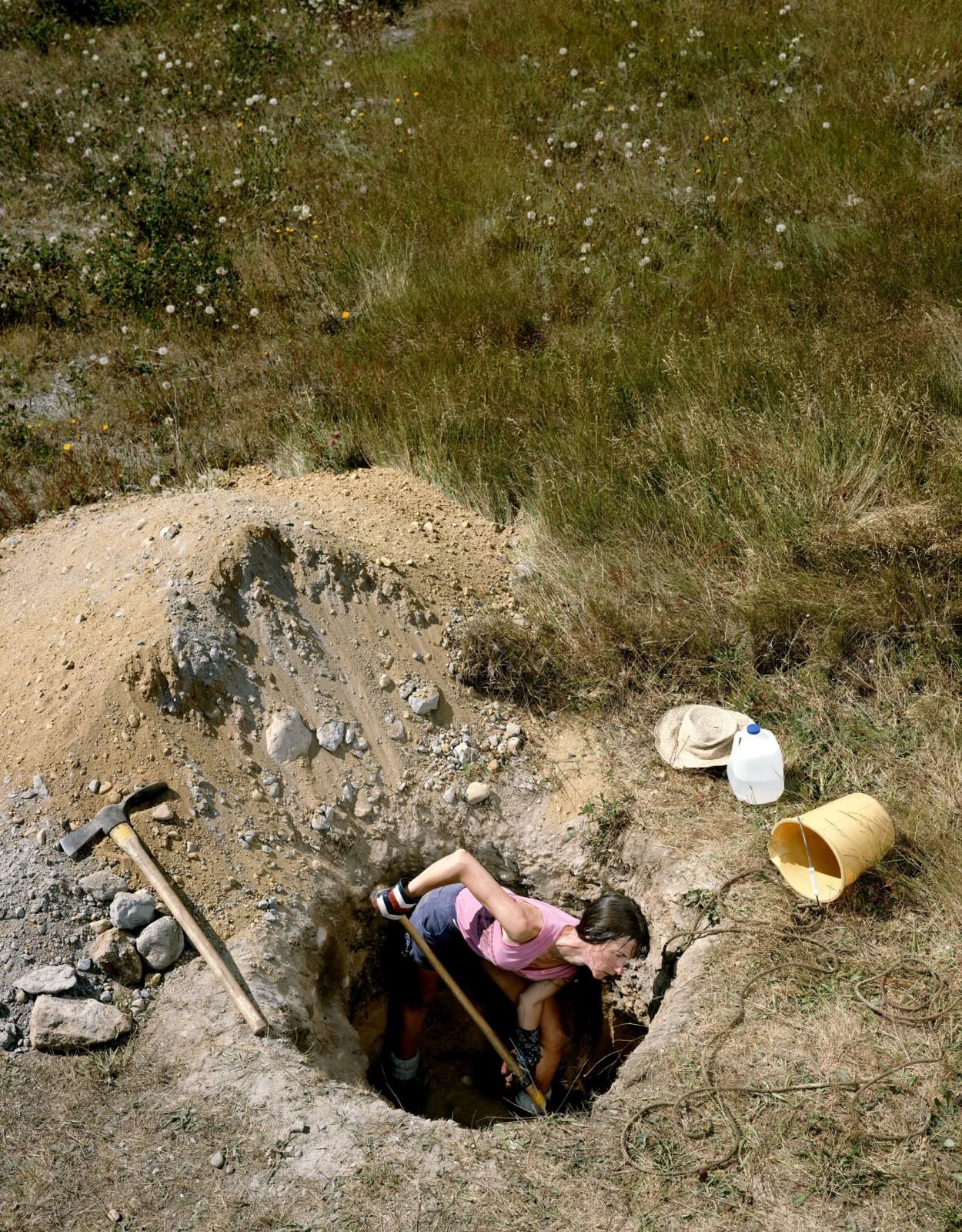
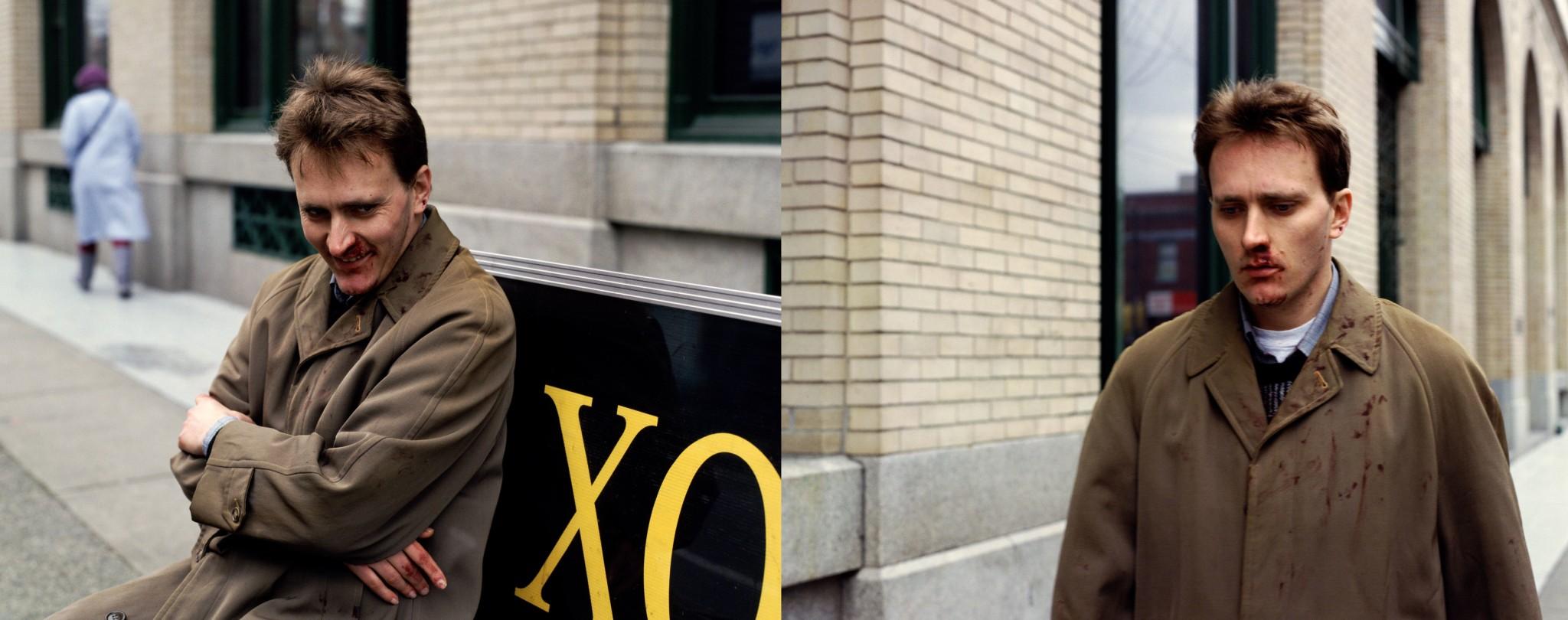
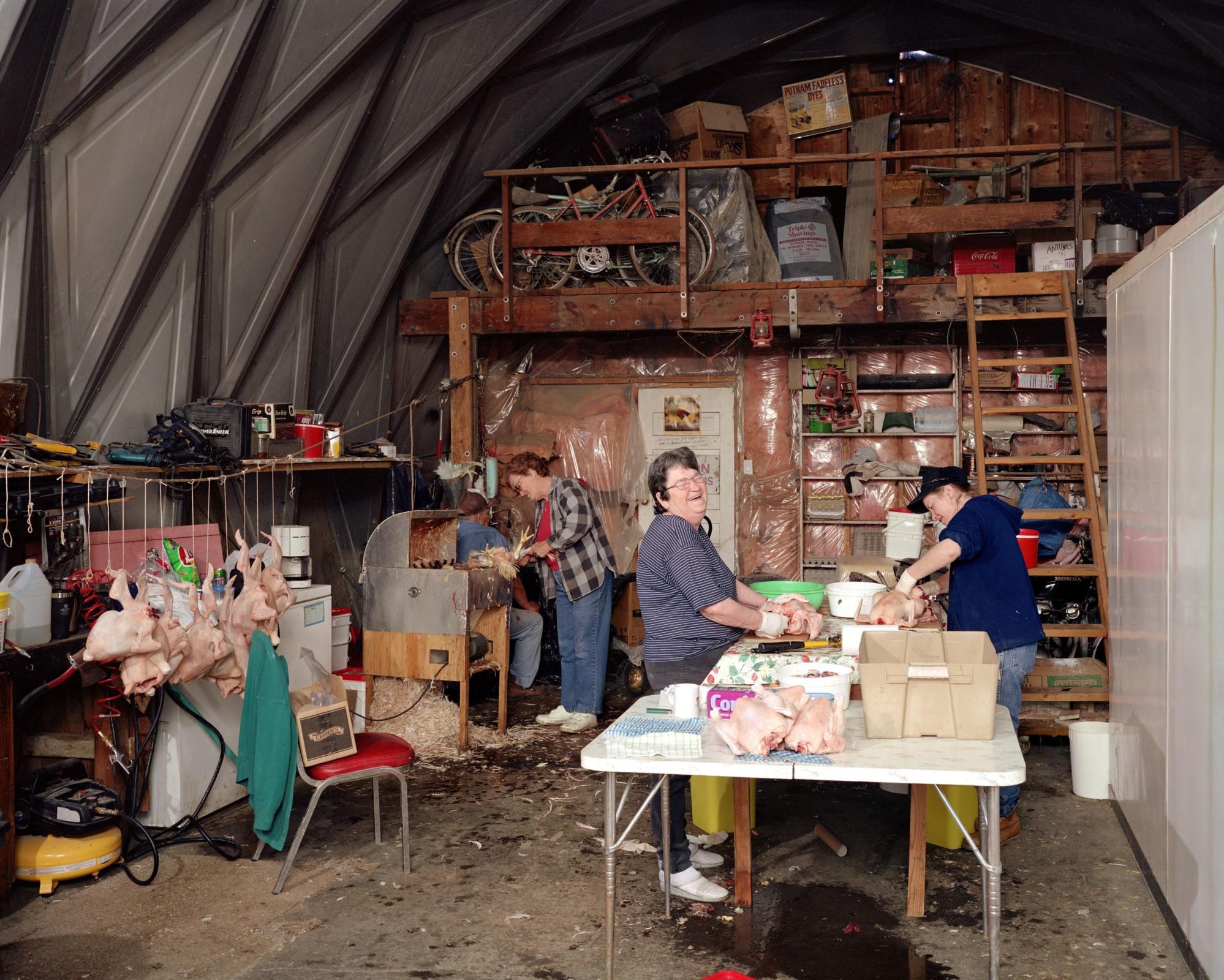
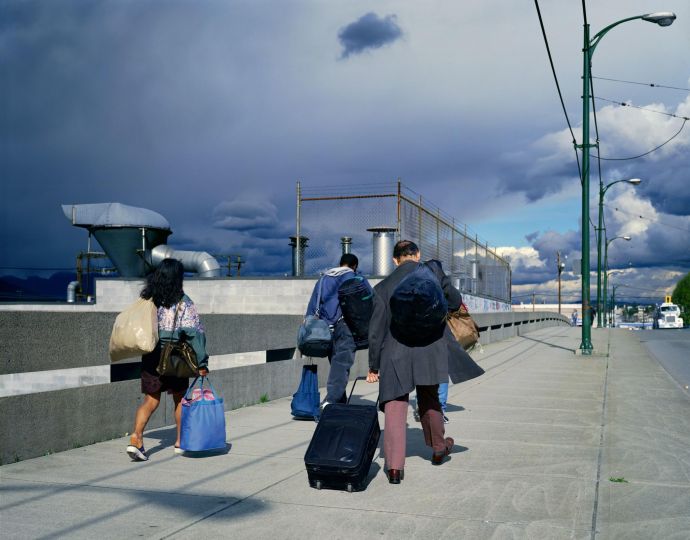
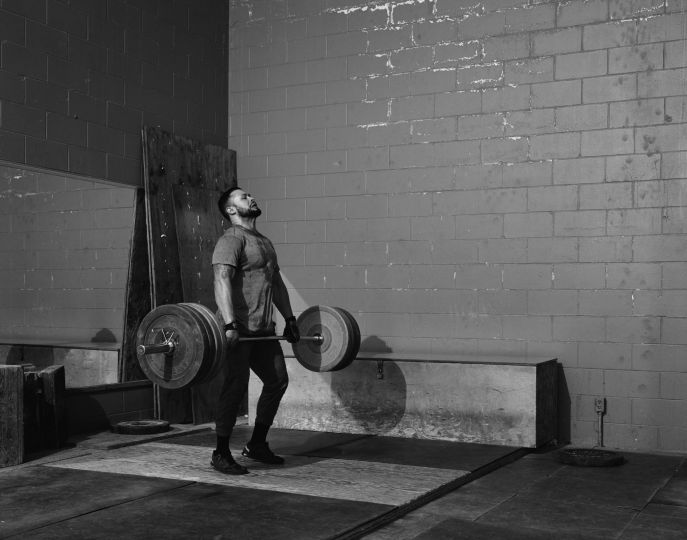
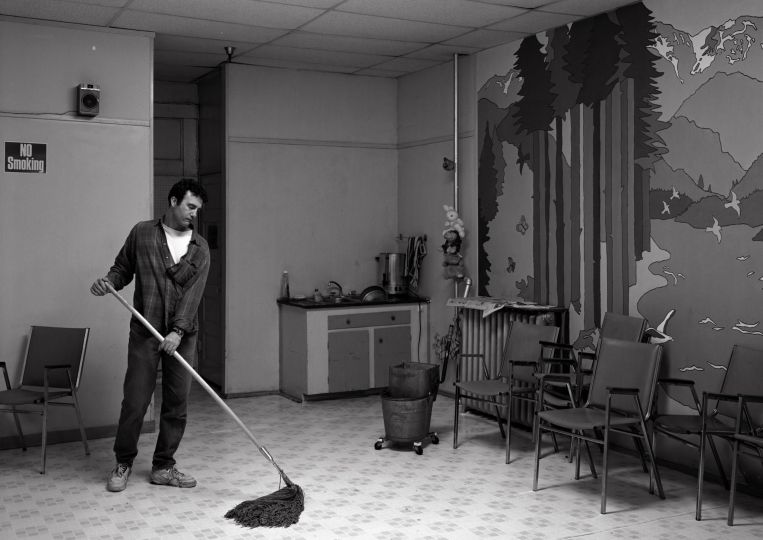
His subject matter ranges from everyday occurrences photographed in real places to staged imaginary situations. He is dedicated to capturing the broad spectrum of humanity and everyday life, focusing on the gestures of people at work and going about their daily tasks. While these images appear to be candid snapshots, they are actually deliberately enigmatic scenes of events that never occurred, calling upon the viewer to reflect and find meaning.
Wall, who also taught at Canadian universities, is considered one of the artists who, since the 1970s, has emphasised the affinities between photography, painting and cinema. Through the construction of rich and complex scenes, the use of lightboxes, connections to classical painting, a preference for large formats, and a “cinematic” method of constructing images supported by sustained theoretical reflection, he has played a decisive role in establishing photography as a painterly medium.
Wall uses the wod “cinematic” to define this form of creation: this term refers to cinema, to moving images. However, he adds: “the term refers also to scenes in which something happens or may happen, depending on the observer’s gaze”. Wall enables viewers to act as directors, imagining and verifying possible layers of meaning within the image.
His chosen form, the tableau, draws inspiration from artists such as Velázquez, Delacroix, and Manet, who explored significant social and existential themes. Using life-size formats is one of Wall’s usual approaches. This gives the viewer the sensation of actually being present in the scene, as if it is unfolding in real time. Yet they remain suspended: fragments of reality that never actually occurred, but which, precisely in their uncertainty, invite us to take another look and decide for ourselves what might be happening.
A significant change in European cityscapes was marked by lightboxes, and they were adopted by Wall as one of the central elements of his work for nearly thirty years, starting in 1978. With these illuminated panels, a phenomenon typical of urban life since that time, he rejected a reductionist approach and filled the frame with various images. In this respect, everyday objects were transposed into the art space by Wall, with open-ended and sometimes enigmatic pictorial constellations being created as a result.
He does not see himself as a storyteller, and he never guides the viewer. As he explains, “When I create these staged images, I don’t tell the beginning or the end of the story, only the middle. It’s only within this game of uncertainty that what we call a picture is possible at all”.
Although his scenes are often assumed to be meticulously planned, the process is almost the opposite. He selects the setting. He engages interpreters: professionals or people chosen by chance. He then asks them to perform actions repeatedly over long periods. During this time, he photographs them, producing many variants and continuing until he senses that one works. It is only at the end, during re-elaboration, that he decides which will become the final work.
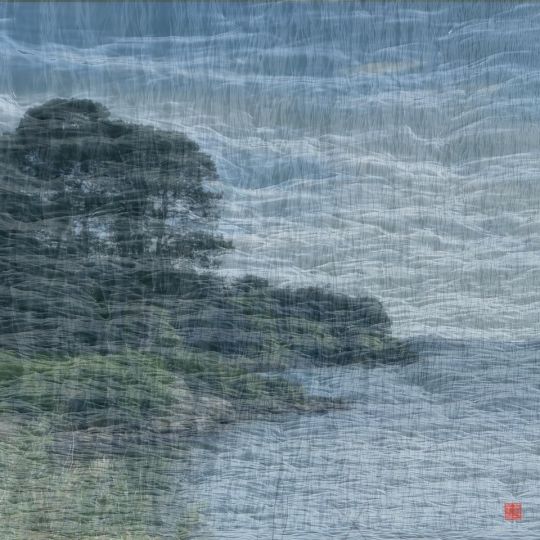
Since 1997, Wall has incorporated black-and-white images, which he describes as an “antithesis to large-format slides”. These images depict a world from which colour has vanished, thereby creating what Wall calls “hallucinations of the disappearance of colour”, which he says “create a kind of shock”. Later, colour prints were also introduced.
As Urs Stahel explains, “While lightboxes project the image outward, evoking cinema or theatre, photographic prints absorb the image, inviting viewers to cross a threshold. While the former reveals, the latter conceals”.
What occurs from this evolution is an artist profoundly attentive to the human condition. Through his observations of social interactions within urban and industrial contexts marked by economic and cultural contrasts, Wall captures the aspirations and contradictions of the Western world. His interest extends from the middle class to those on the margins.
Urs Stahel notes that Wall’s work reveals a profound empathy for those facing hardship: those who work, struggle, or suffer. Wall himself refers to Dostoevsky’s Humiliated and Insulted, associating the slums of St Petersburg depicted in the novel with the Vancouver neighbourhood where he runs his studio, an area inhabited by low-income and homeless people. By sticking close to these realities, he has managed to keep his art free from ideological and aesthetic constraints.
The catalogue, in Italian and English, is published by Schirmer & Mosel Verlag and features a critical essay by Urs Stahel. A programme of talks has been organised to complement the exhibition.
Fondazione MAST (Manifattura di Arti, Sperimentazione e Tecnologia) is a non-profit institution founded in Bologna in 2013. MAST also offers the community free cultural activities centred on the arts, as well as photography focusing on industry and the working world.
During this period, there is an opportunity to further explore the author’s work, as Gallerie d’Italia in Turin is hosting the exhibition Jeff Wall. Photographs.
Paola Sammartano
Jeff Wall : Living Working Surviving
From November 7, 2025 to March 8, 2026
Fondazione MAST
Via Speranza 42
40133 Bologna
Italy
www.mast.org