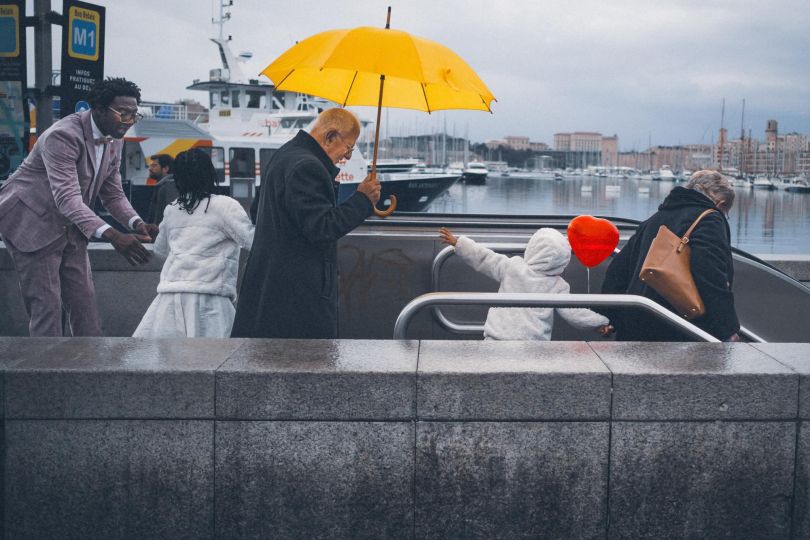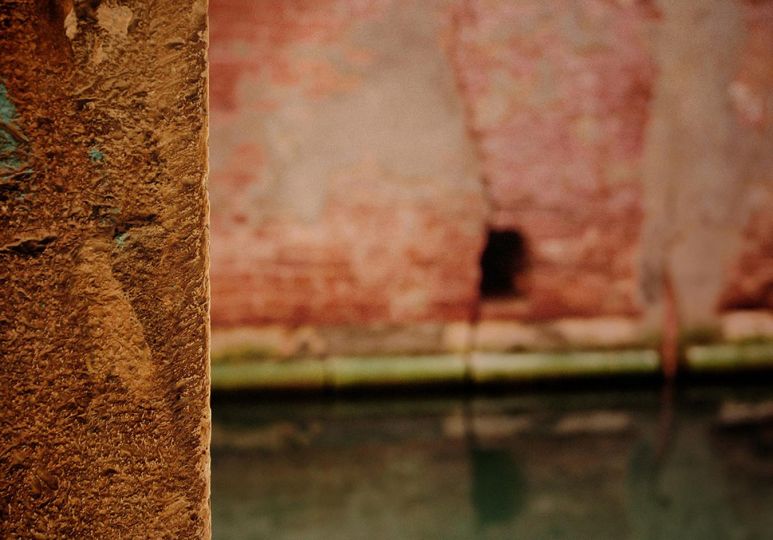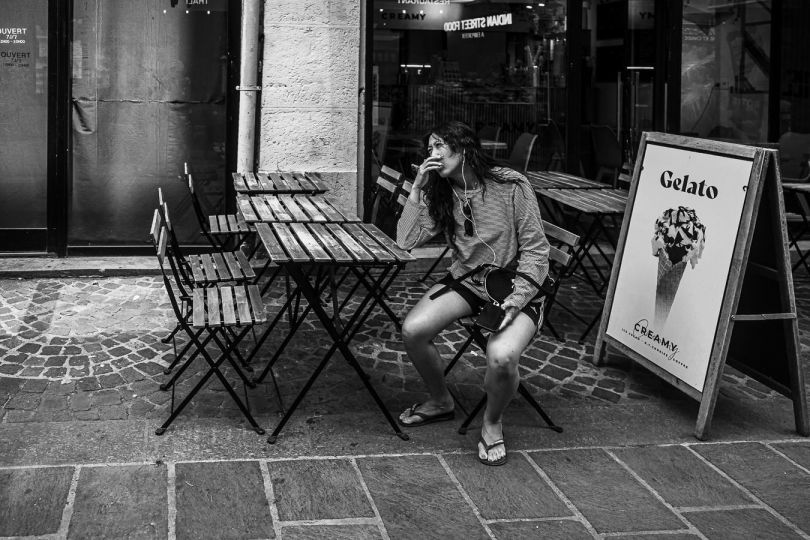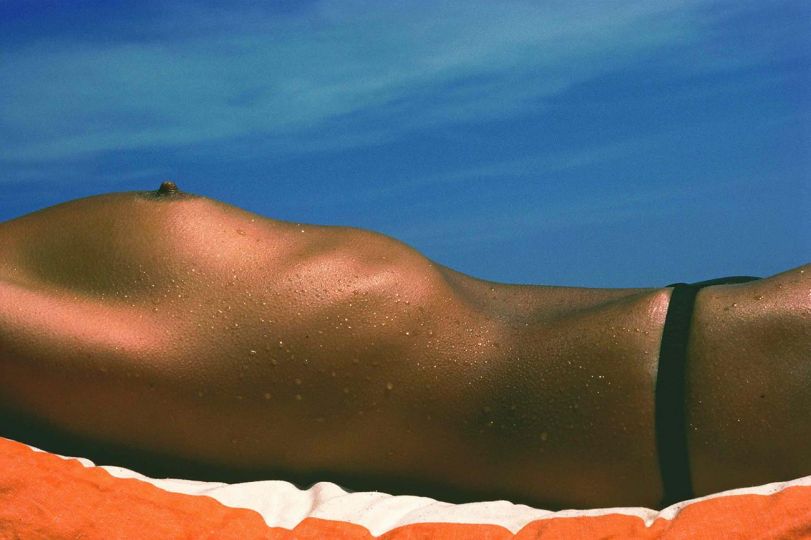
The 46th dialogue in the Collezione Ettore Molinario is a small theatrical pièce dedicated to an immense actress and to a body in search of an author. Under the gaze of Arnold Genthe and within Lucien Waléry’s psychoanalytic invention, Eleonora Duse teaches us how to act.
Ettore Molinario
And one day I had to choose. I pictured myself in the theatre, that theatre which is now my home, and I imagined them stepping onto the stage together: Eleonora Duse and Sarah Bernhardt. And in that moment, I realized that the two were incompatible: one belonged to me, and the other – however sublime – perhaps did not. I chose Duse, the divine one, the first woman in the world to appear on the cover of Time, the first actress who allowed her characters to possess her, making her body an instrument through which they could be brought to life. « You must forget yourself » Duse used to say, ahead of the most revolutionary acting methods of the twentieth century, just think of Stanislavski.
Sarah Bernhardt was the opposite: whether she wore the garments of Phaedra, Cleopatra, the Lady of the Camellias, or Hamlet, she was always herself, unmistakable, statuesque even in the fluctuations of sexuality. Absolute ego, without a mask other than her own, eternal.
I believe that Arnold Genthe, an extraordinary and vibrant artist, meant precisely this when, in 1906, in the aftermath of San Francisco’s devastating earthquake, he photographed the French actress in a carriage among the city’s ruins. A catastrophe, and a woman with a magnificent hat, a feather boa, impassive. I can only imagine how Eleonora would have reacted – the woman who wept and ran across the stage, wild with emotion, and who, one day, to reveal the true soul of her character – the Princess of Baghdad – unfastened her corset and bared her breast. All of it unscripted, just as it was unscripted for a woman of that era not to wear makeup, neither on stage nor anywhere else.
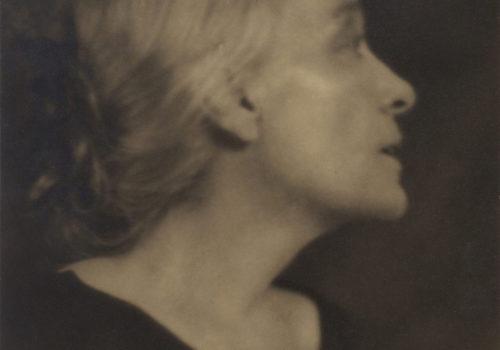
Arnold Genthe met Eleonora Duse in New York in 1923, during what would be her final tour. The German photographer, originally a philologist and polyglot of both ancient and modern languages, had arrived in San Francisco in 1895, at the age of twenty-six, as tutor to the son of Baron Heinrich von Schroeder. Fifteen years later, after the experience of a long reportage in the city’s Chinatown, he had become one of the most innovative and sought-after portrait photographers. A psychological portrait, slightly out of focus, almost like a vibration. New York, a neurotic metropolis, welcomed his new style.
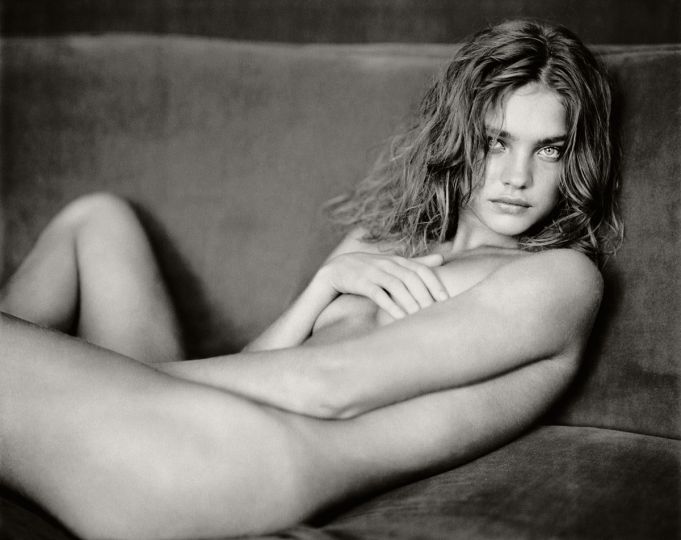
When Genthe met her, Duse was sixty-three, her hair silver like her complexion, her profile emerging from the shadows, and her lips about to part in a sigh, a farewell. Around the same time, Stanisław Julian Ignacy Ostroróg, who in Paris would take the name Lucien Waléry – another invented destiny – produced a series of nudes, one of which was headless: a body awaiting a role. In exactly the same years, in Italy, Luigi Pirandello published his play Six Characters in Search of an Author. Duse was all of this. She was a body offered without reserve, even to the blows of love. Each time she transformed into that character, the only one among the infinite faces that crowded her psyche. And she was a woman capable of forgetting herself in order to remember other lives.
To act, painfully, is to make room for « the other » who dwells within us. Duse forever.
Ettore Molinario
DISCOVER THE COLLECTION DIALOGUES
https://collezionemolinario.com/en/dialogues