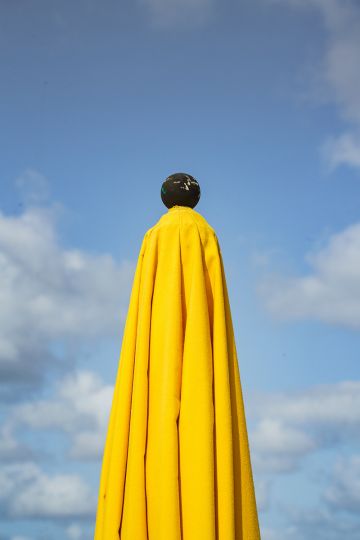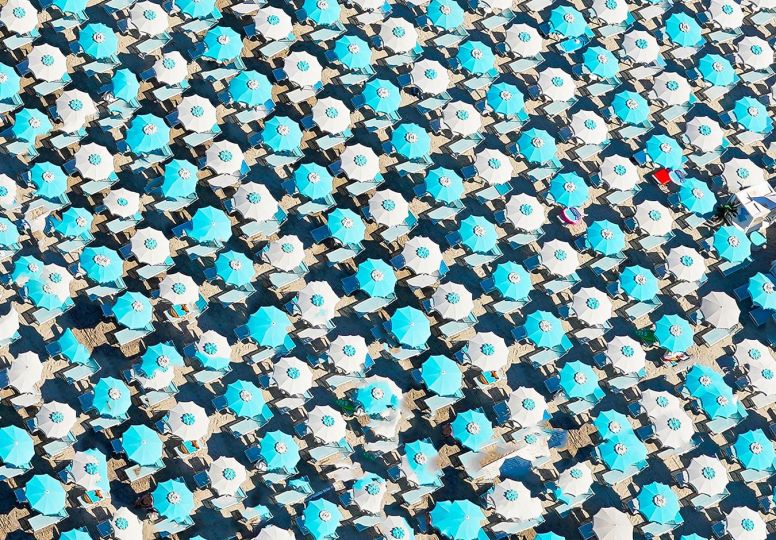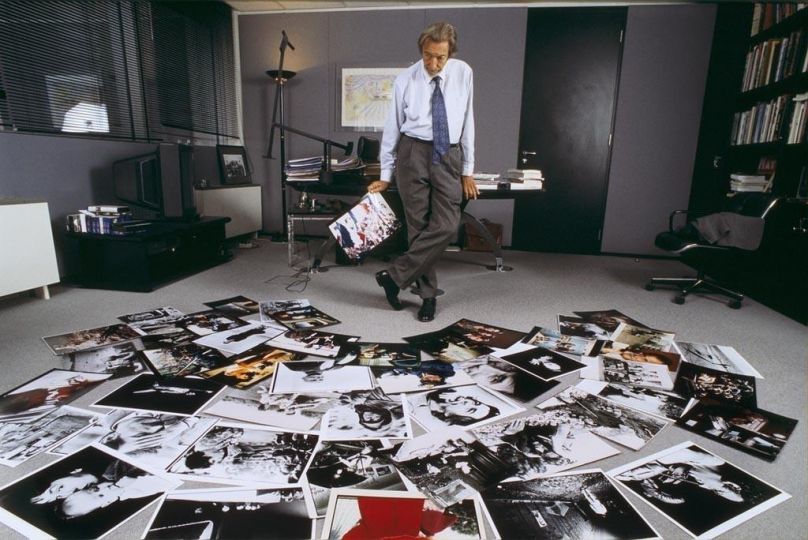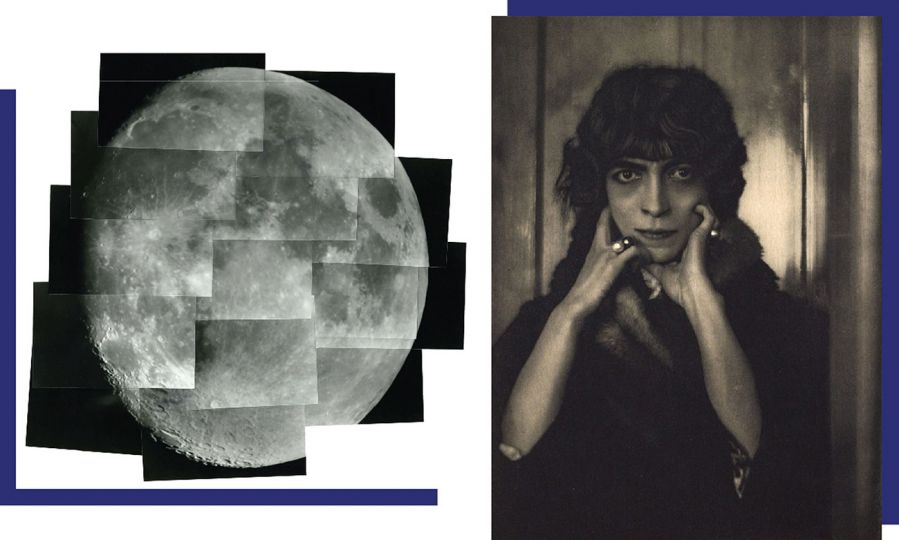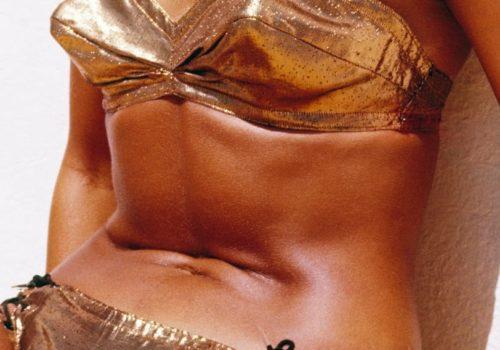
The 45th dialogue in the Collezione Ettore Molinario is an encounter between the light of a beach in Monte Carlo and the darkness of a French prison. A thread connects the images of Jacques Henri Lartigue and Henri Manuel – so distant, yet bound. A thread, a knot, and already you feel the urge to untie it.
Ettore Molinario
That summer in Monte Carlo, seventy years ago, Capucine, Irwin Shaw, and Kirk Douglas – who at the time was playing Van Gogh in Lust for Life – had arranged to meet. So had John Schlesinger, actor and director, who would win an Oscar in 1970 for Midnight Cowboy, and the eternal Picasso who, in those very days, was submitting himself to the torment of acupuncture needles administered by Dr. Jeanne Creff.
What united the dazzling fates of that merry band of men and women was Jacques Henri Lartigue, who had photographed every celebrity, each guest and friend, pasting their portraits into his famous albums, just as he had been doing for more than fifty years. On one page – number 61, in the album dated 1955 – there suddenly appears, anonymous among so many stars, the body of a woman, delightfully tanned and beheaded. The crime, I believe, was having « killed » someone with the beauty of her golden bikini.
A few years earlier, even Rita Hayworth had worn the same lamé swimsuit, but it lacked a crucial detail: the black string – mournful, almost tacky – that both joined and divided the folds of fabric, offering the path to the secret that the fabric itself was hiding. It would have taken just a brush of the fingers against the tie, a furious climb along the switchbacks of the coveted mons Venus, a pause of penitence on the cold metal of the eyelets, and from there a burst forward – to the summit – to undo the knot, devilishly tangled by salt and sea water, and go beyond. Beyond all that bliss.
From 1928 to 1932, Henri Manuel, official portraitist of the French government, was commissioned by the Ministry of Justice to document twenty-one prisons and six reformatories across every region of the country. In his extensive reportage, intended to support the reform of the penal system, Manuel also photographed the female inmates of Montpellier prison. I do not know the name of the woman captured from behind, in the corner of her cell – almost a preview of the kind of set Irving Penn would later favour, nor do I know her crime. But I do know her punishment: a straitjacket, that prison within the prison, invented around 1770 by a French upholsterer named Guilleret. If only I could have, with the same longing that surprised me while admiring Lartigue’s image, unfastened the strap of that armour, released that body – perhaps sick, mad, but now finally free, as each of us should be. To lose and rediscover the thread of our own story, to stretch and knot the thread that holds every image together, to retreat into the prison of one’s own neurosis and then unravel in the pleasure of new discoveries. That’s what a collector does, every single day.
Ettore Molinario
DISCOVER THE COLLECTION DIALOGUES
https://collezionemolinario.com/en/dialogues