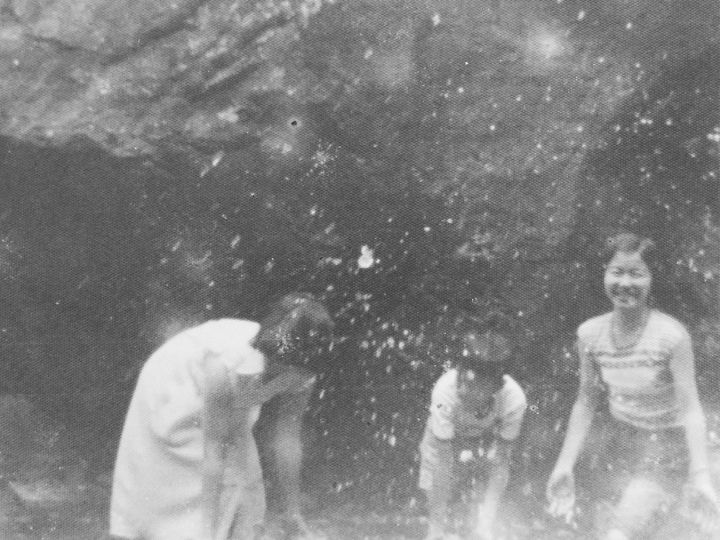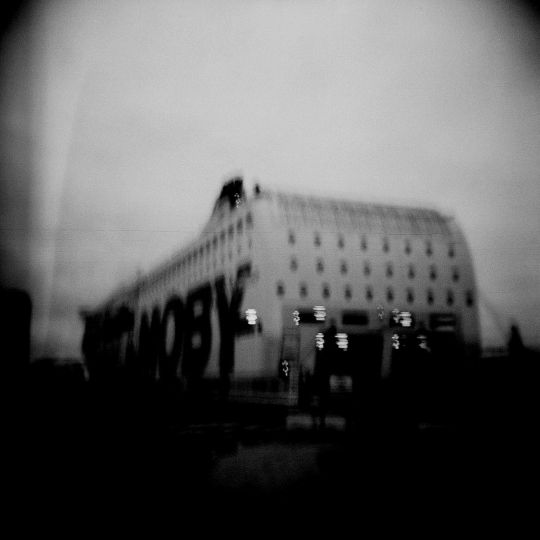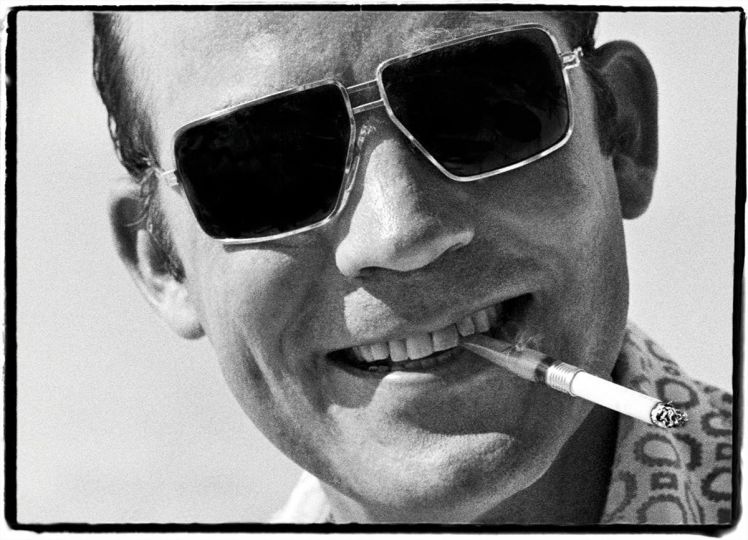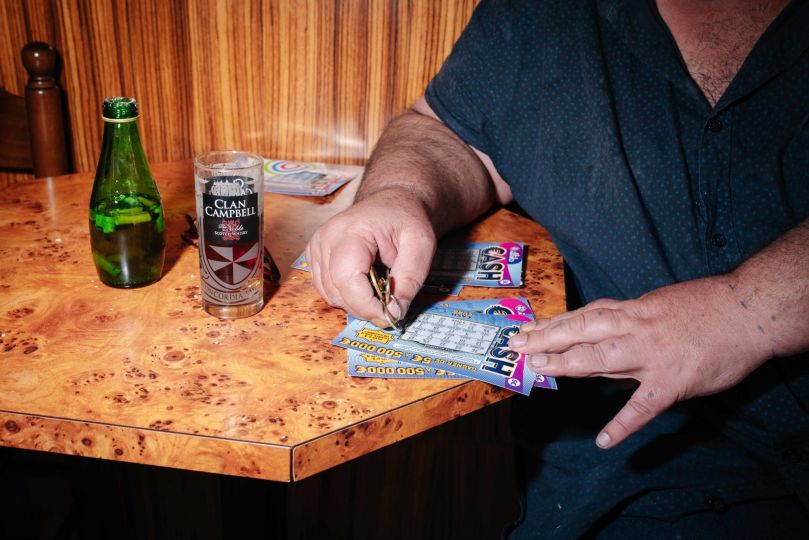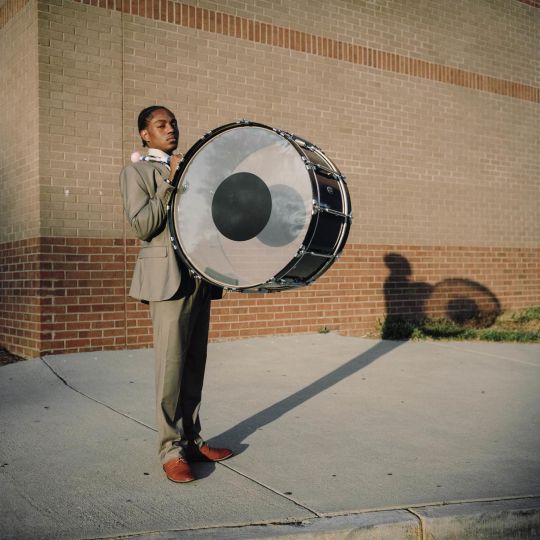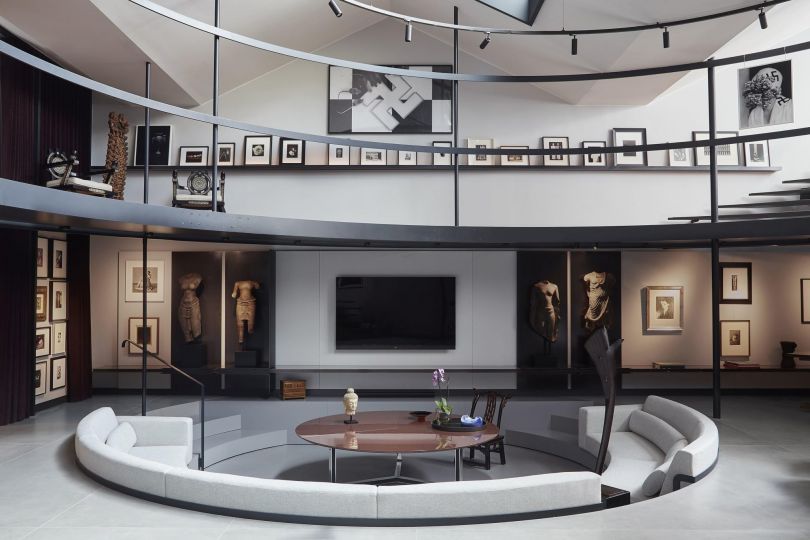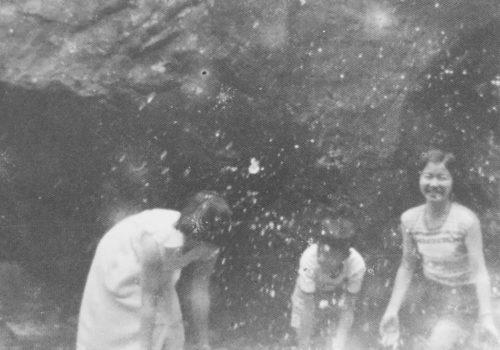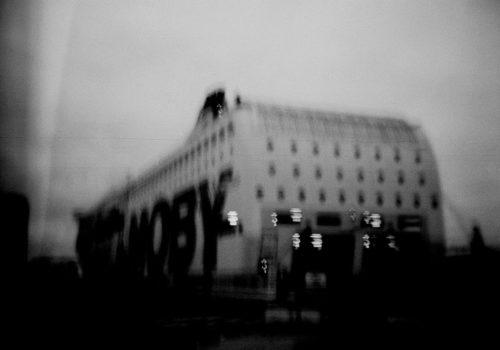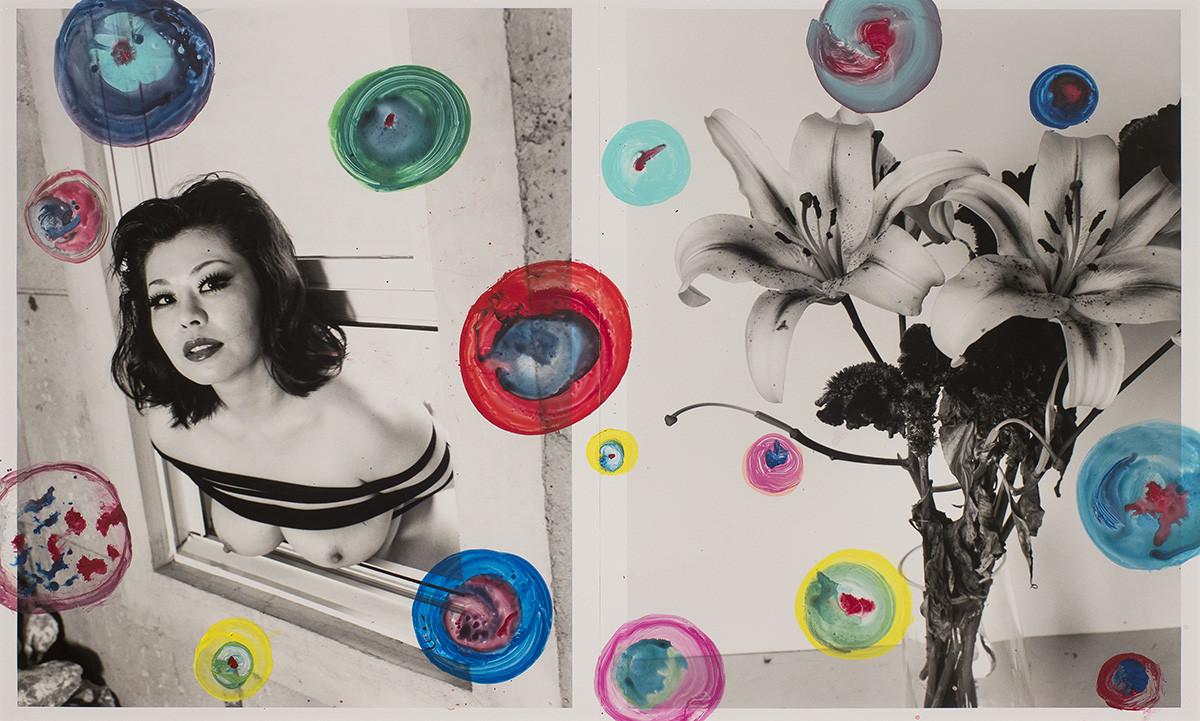


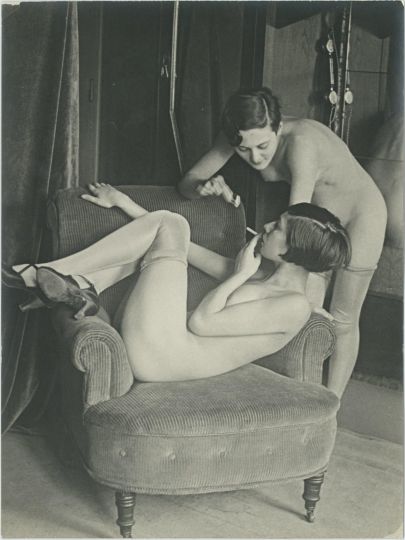


A collection is never just a neutral assemblage of photographs: it is a constantly evolving mosaic, a biographical map, where each image interacts with the others. In the case of the Collezione Ettore Molinario, this interaction extends to ancient sculptures. This is the perspective of the collector-philosopher, here, Ettore Molinario, who recognises photography as a means of both representation and preserving feelings, impulses and memories. Each image carries with it a part of the person who chose it, and forms part of a broader discourse that encompasses evolving identity and the relationship between the present and the past.
The philosopher Antonio Banfi used to introduce his students to phenomenology, asking them to closely observe and describe an object from every angle, even if it was just a slightly kitsch vase of flowers. Similarly, when we look at a photo, especially if it’s part of a collection, we can see the collector’s deep intuition, thought out, yet with an element of the unconscious. There is no image in this collection by chance: each new addition is linked to Ettore’s deep feelings and to other images that are already part of it or are planned to be added to it. As Ettore, who is also an active interpreter of the collection, explains, “the photographs are displayed in a specific order, but everyone is free to compose their own personal sequence. Everyone can embark on their own personal dives into the images, following the hope of light that is, literally, photography. I started collecting fashion photographs in the late 1980s, at a time when fashion was emblematic of a society that, after much self-awareness and political commitment, was returning to celebrate individuality. Garnement was viewed as a form of expression for the whole social body. At that time, fashion was an artifice that allowed those who dared to reinvent and renew themselves by changing their “skin”. It was a spell that continued to work even outside the pages of a magazine”.
The collection has now expanded considerably, emphasising its characteristics of consistency and fluidity. Intended as an ars memoriae, its structure is also a tool for discovery and self-reflection. A variety of themes are presented that refer to and contrast with each other, such as identity, violence, ineffable beauty and transformation. Then there is the dialogue with antiquity, with the sculptures preserved in the Casa Museo Molinario Colombari, what we might call dialogues of light and stone. Therefore, the collection is not just a series of images; it is a critical practice and a form of interpretation.
Whether anonymous, or signed by a well-known name, each photograph seems to capture a piece of history and a piece of the collector’s inner self, who listens, observes, selects and reassembles. “The creativity and technical skill of these “anonymous” authors are still evident in the surviving photographs. Sometimes we can recognise their style, and then we have a body of work that can be considered to be “signed” by Mr X or Zorro, for instance. Other times, we find surprises in terms of attribution, as in the case of André Kertész,” Ettore explains.
We can retrace some of the many paths that collectors follow, some rational, others less so. After all, as Elio Grazioli wrote, they satisfy to a greater degree an impulse that perhaps we all possess, that drives us to surround ourselves with objects that become important in the space in which we live, qualifying, structuring and rewriting it. When the collector’s eye rests on them, they cease to be merely objects, (…), they acquire an additional quality, perhaps fulfilling a deep-rooted dream of the self.
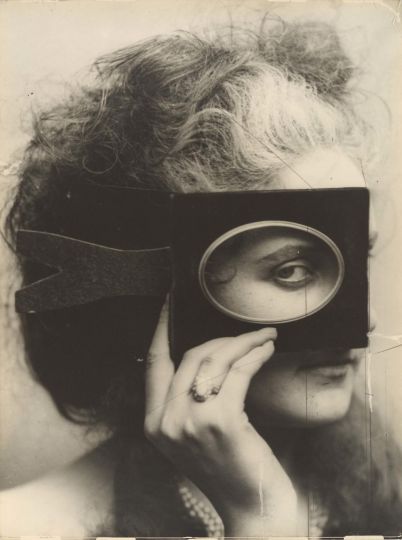
One of these objects is the portrait taken by Pierre-Louis Pierson of the Countess of Castiglione, Scherzo di Follia (The Countess of Castiglione), 1863. That is, the power of the gaze of Napoleon III’s lover, who was at the centre of Parisian life. Virginia Oldoini was the director of her own image, meticulously preparing her incredible dresses, poses and expressions in front of the camera. She allowed the lens to capture her many interpretations of herself: empress, nun, murderer, Madonna. All the photographer had to do was take the picture. As Ettore explains, “This image showed me the way forward for the collection. The Countess Castiglione’s creative ‘folly’ confirms the shamanic and transformative power of the garment”.
We can identify the five pillars that serve as guidelines for interpreting the collection as a form of thought and form its supporting structure. These are: Eros & Thanatos (the polarity between life and death as a tension between self-affirmation and self-negation), Neutral Identity (from pausing or not participating in the conflict between female and male identity results a condition of fluidity that sets itself apart from gender dualism); Fetishism (the focus is on a surrogate of one’s object of desire); Melancholy (an introverted feeling according to the ancient doctrine of the humours); Uncanny (it makes one alert yet increases one’s self-awareness).
One of the qualities of the Collezione Ettore Molinario is its consistency, thanks to a well-established and recognisable structure. Nevertheless, it feeds on fluid internal thematic currents that flow along well-defined ridges, creating streams of ideas and offering a wealth of themes and a plurality of interpretations. Cinema is another key element of this visual grammar, with references to Cocteau and Kubrick.
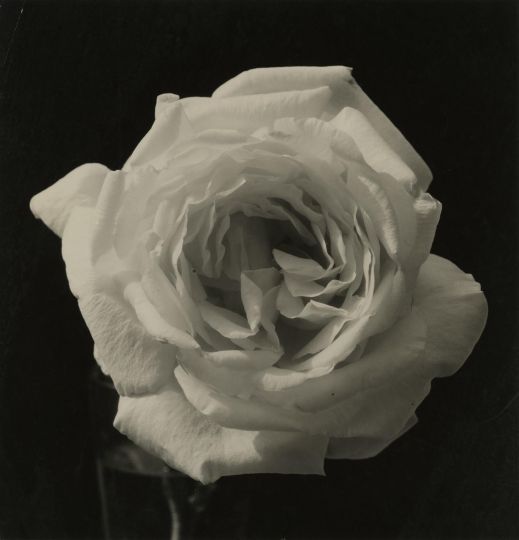
The collector is not just a curator; he is an interpreter who acts, makes choices, distinguishes and tells stories. The collection becomes a stage on which photography is not just an object to be exhibited, but a role to be interpreted, as we have seen. Within the collection, we can also identify a theme running through Italian photography. In addition to the (almost) obvious visual aspect, il stimulates all the senses. There is tactility, thanks to materials that resemble leather, and olfactory stimulation, thanks to photographs of flowers which, in a Proustian manner, seek to evoke their fragrance, ranging from rose (Untitled) by Edward Steichen to Dunkler violetter rittersporn n.7 by Thomas Struth. The musicality is not lacking, with dance. In the 20th century, there was a growing awareness that the body had begun to move, and dance developed the theme of challenging a code. The collection itself is rebellious and unconventional. The theme of identity is present from the very beginning, as seen in the first photo in the collection, the mysterious Louise (Female Cross Dresser) by Anonymous, dated 1845 (six years after the invention of the daguerreotype). Photography is born and immediately becomes a mirror of identity. And Louise immediately feels the need to express herself through photography, somehow saying: “This is who I am, I look at myself, look at me”.
And inside the Casa Museo and its structure, which seems to reproduce a circular universe where everything is connected, the works become an experience where visitors are not just observers, but participants in the collection’s moving mosaic, where every choice changes the overall perspective.
Paola Sammartano
Collezione Ettore Molinario