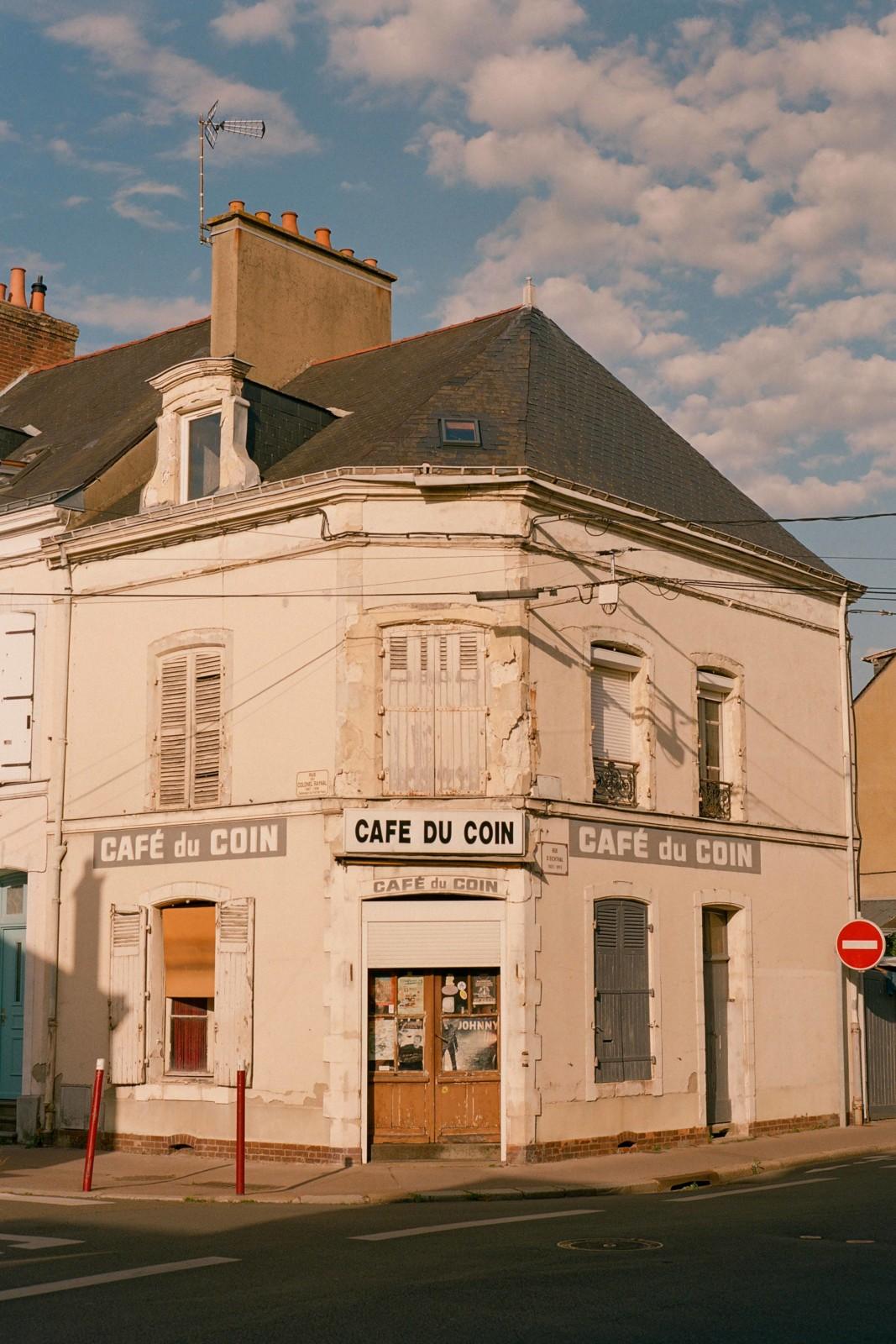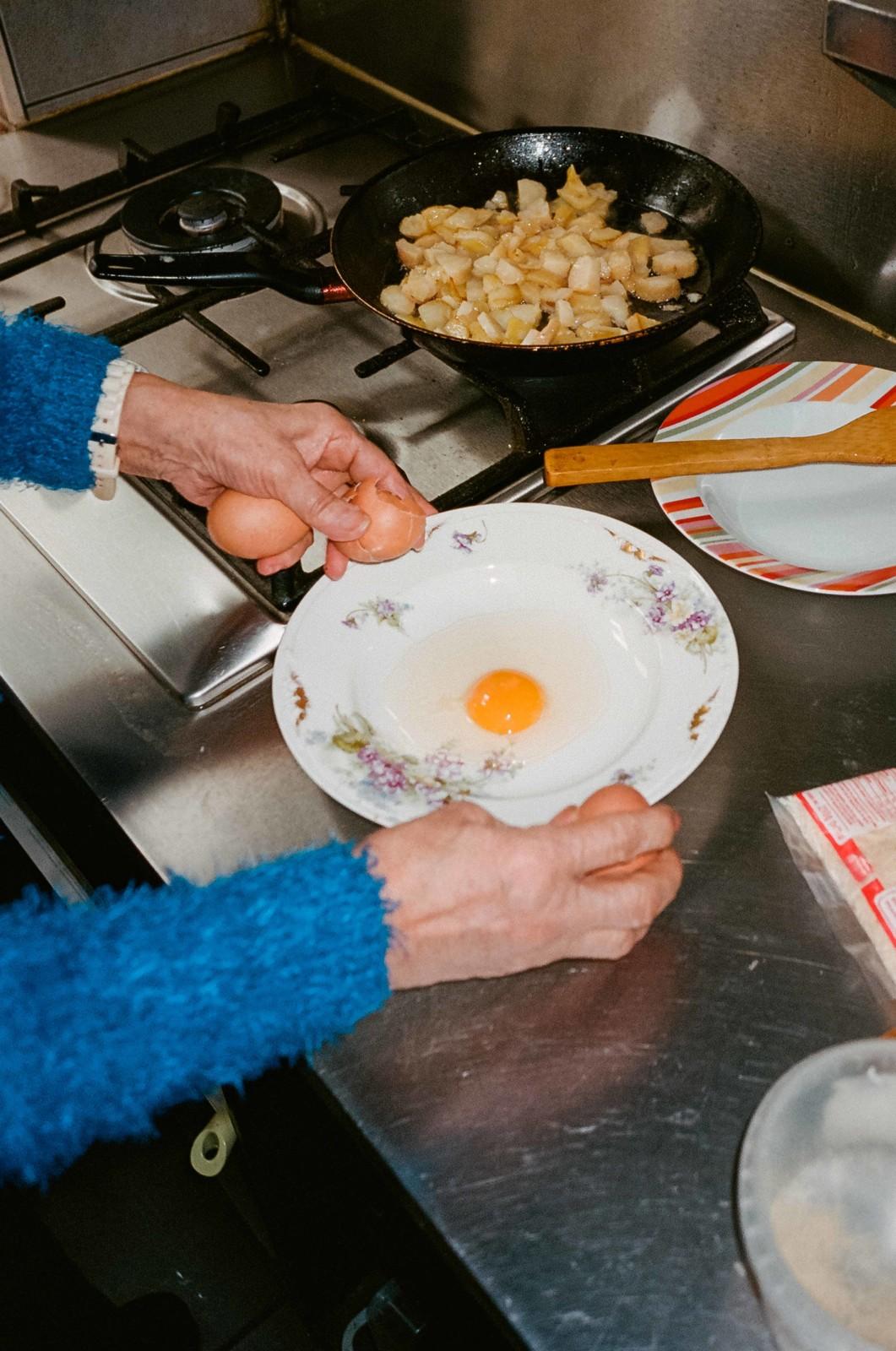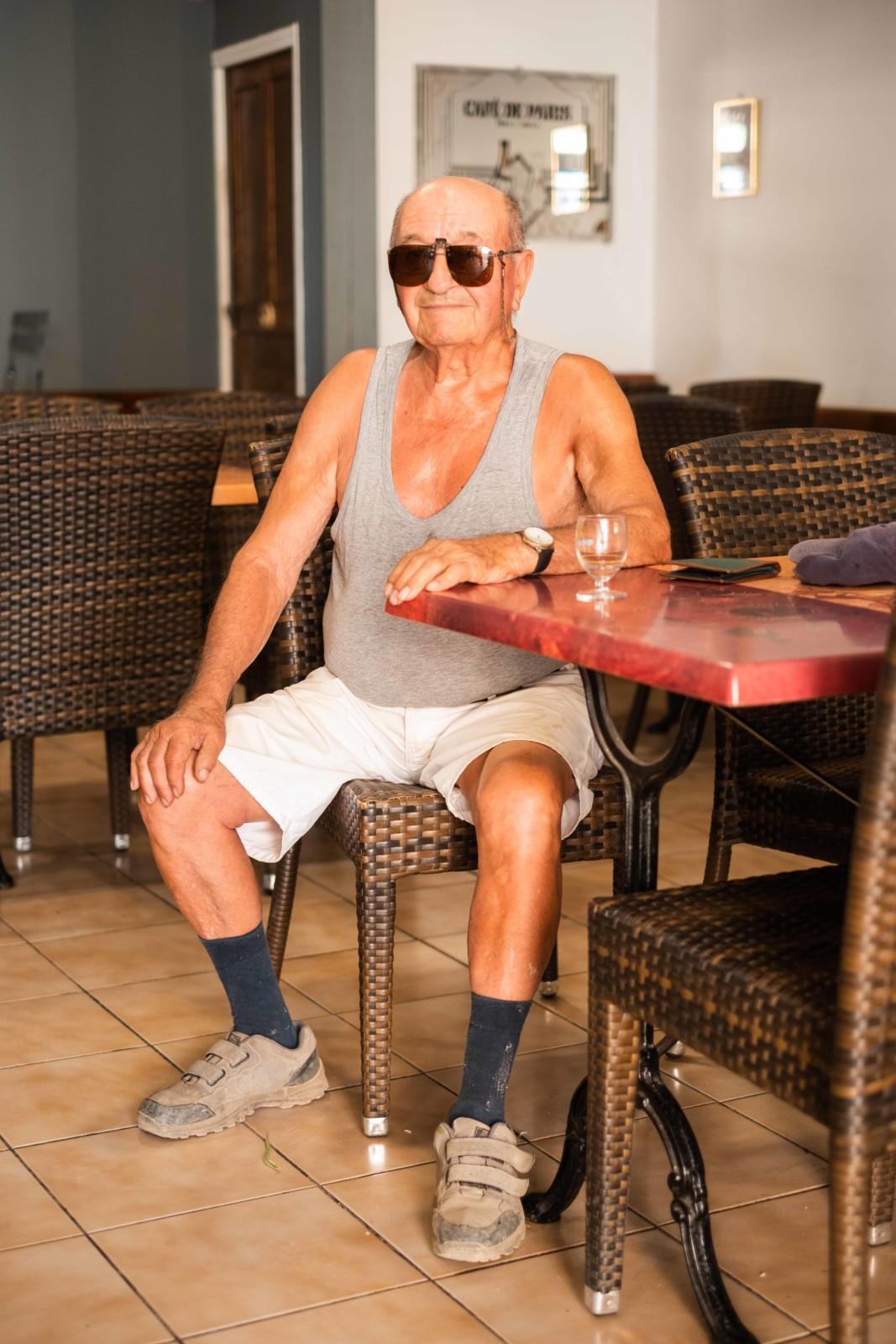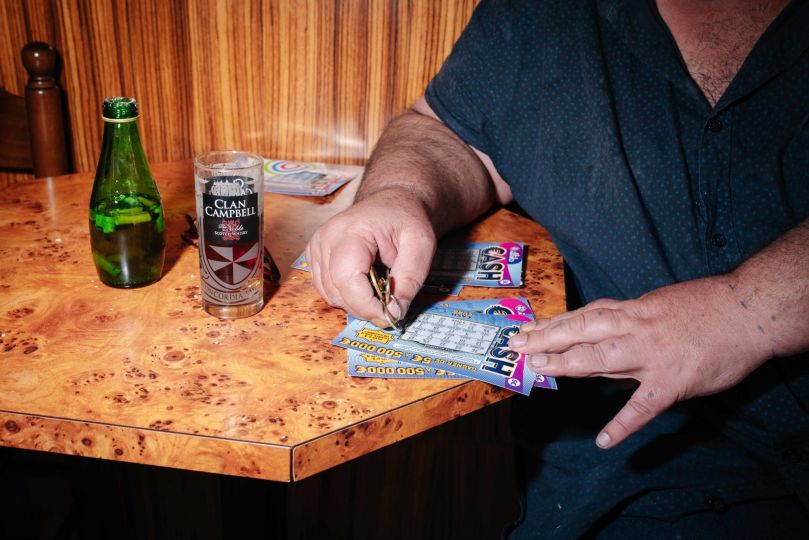

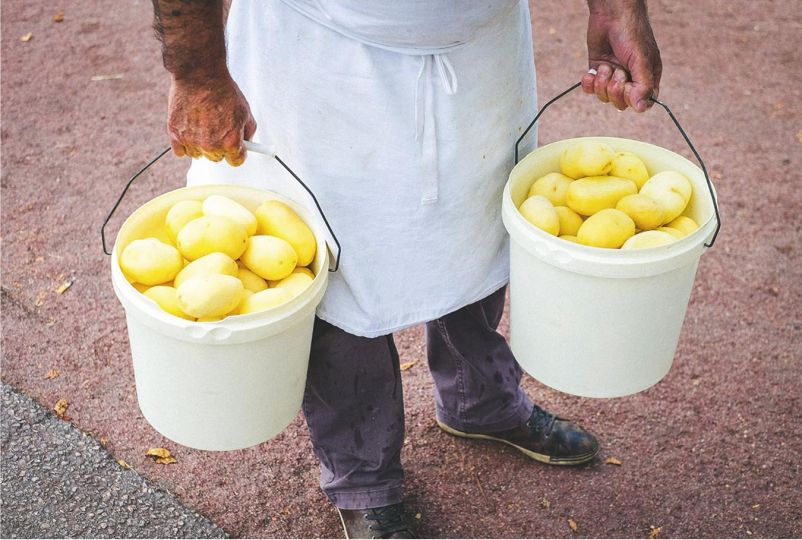
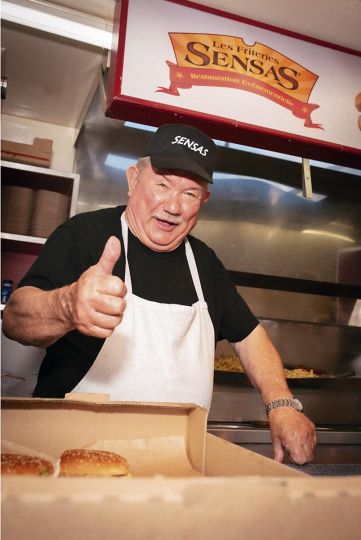
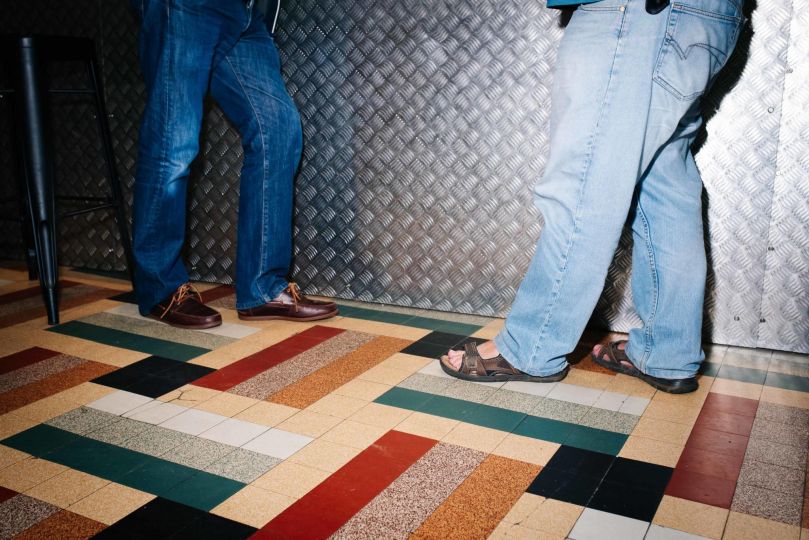
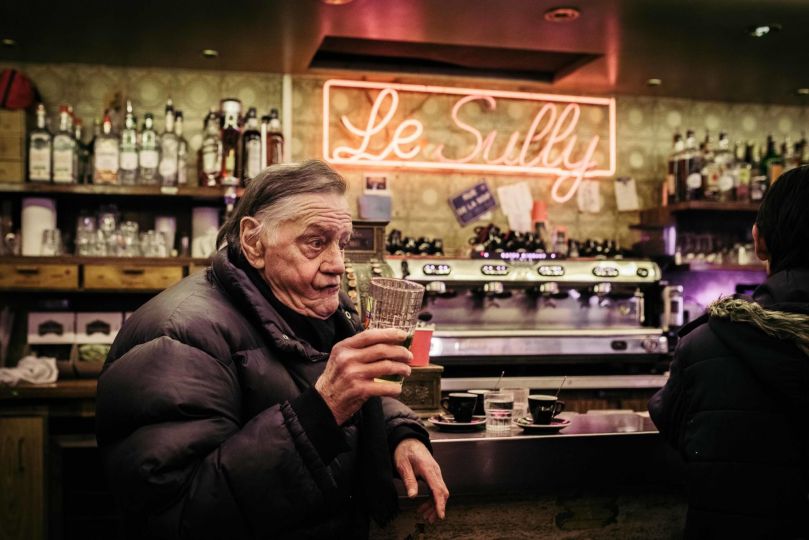
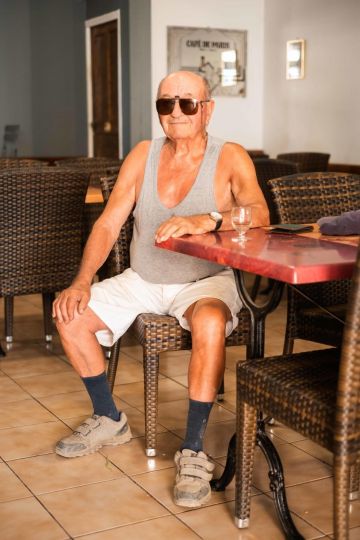

For this year’s Fujikina, L’Œil de la Photographie joined Guillaume Blot for a photo walk through the streets of Arles, exploring what he calls the poetry of everyday life. It is a moment of exchange that the photographer based in Nantes looks forward to recreating every year.
Every summer, Guillaume Blot sets off across France in search of new images during a weeks-long road trip he has dubbed the Blotmobile Tour. This year, he is working on a new series devoted to hair salons, which promises to be every bit as witty as Rades and Restos Routiers, his two books published by Hoebeke in 2023 and 2025.
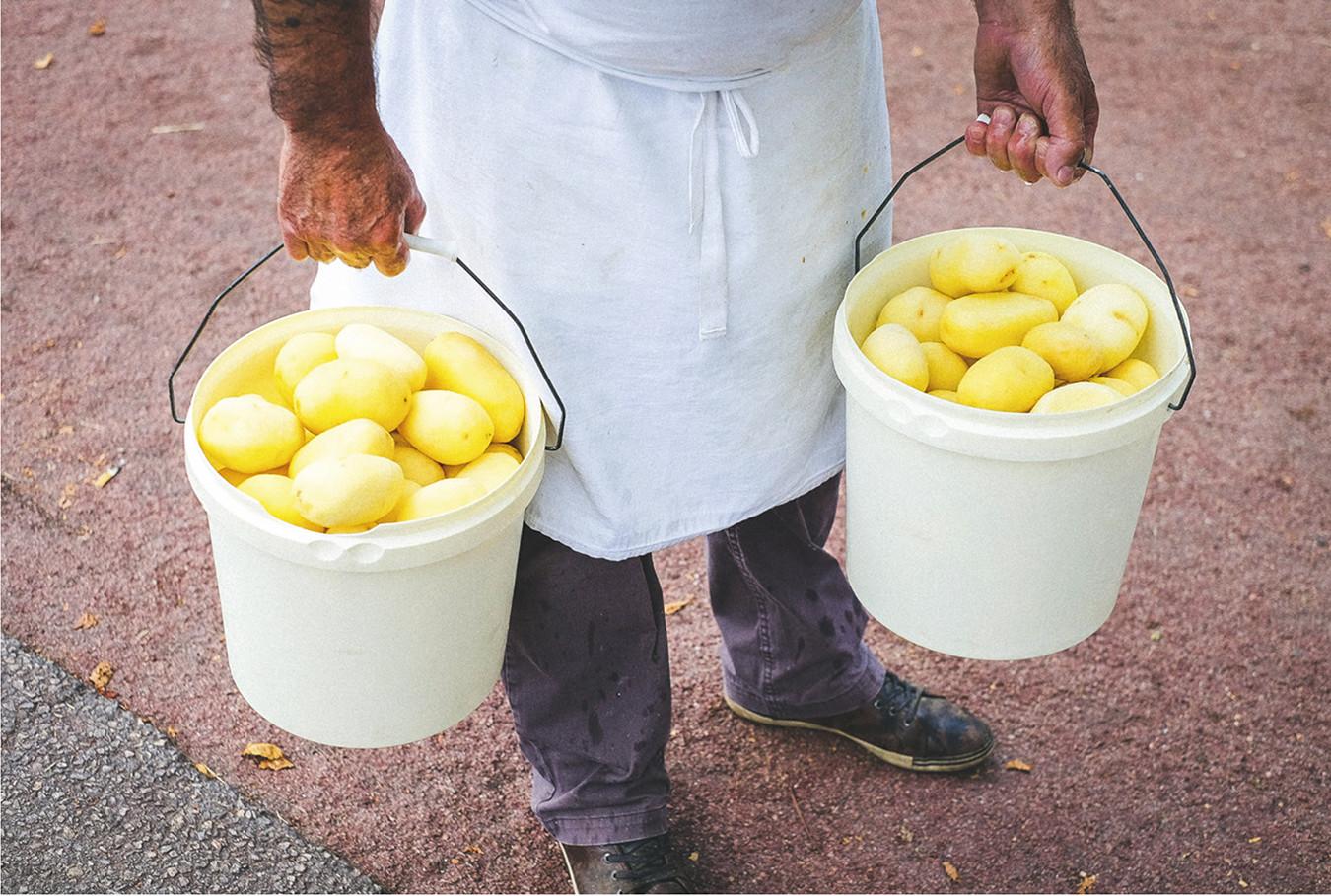
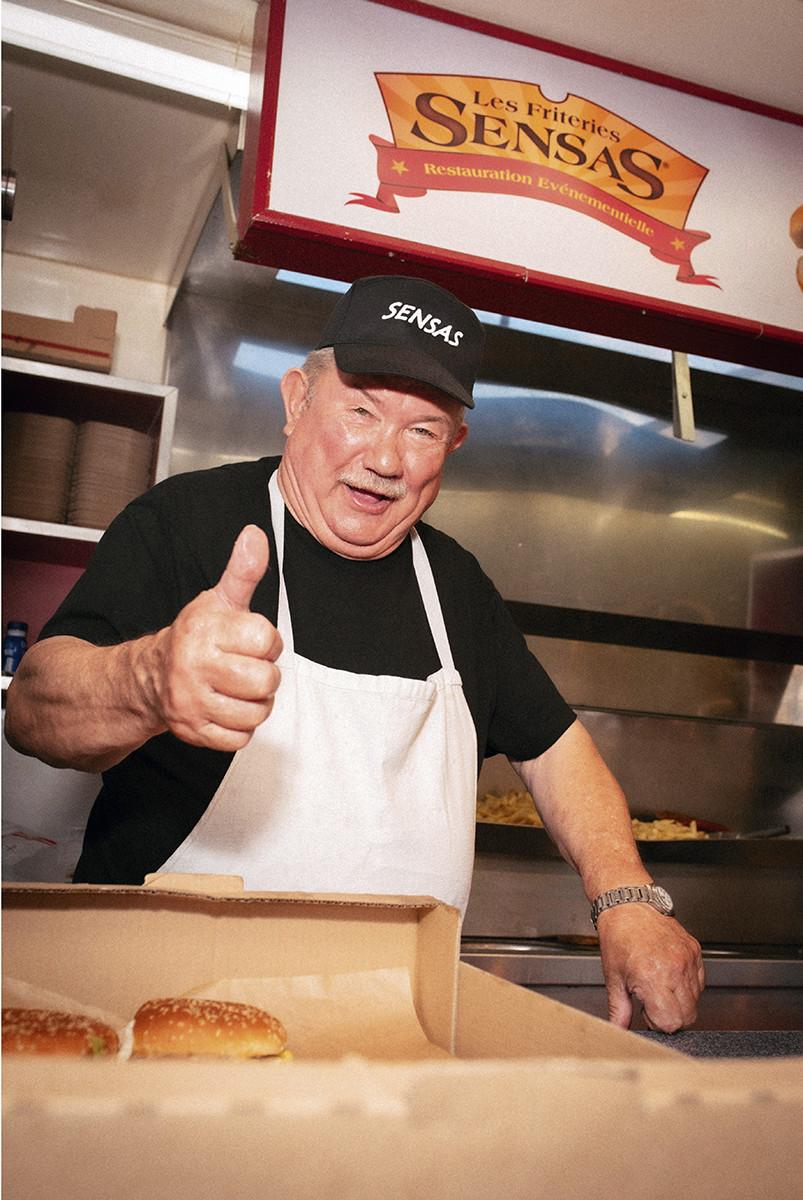
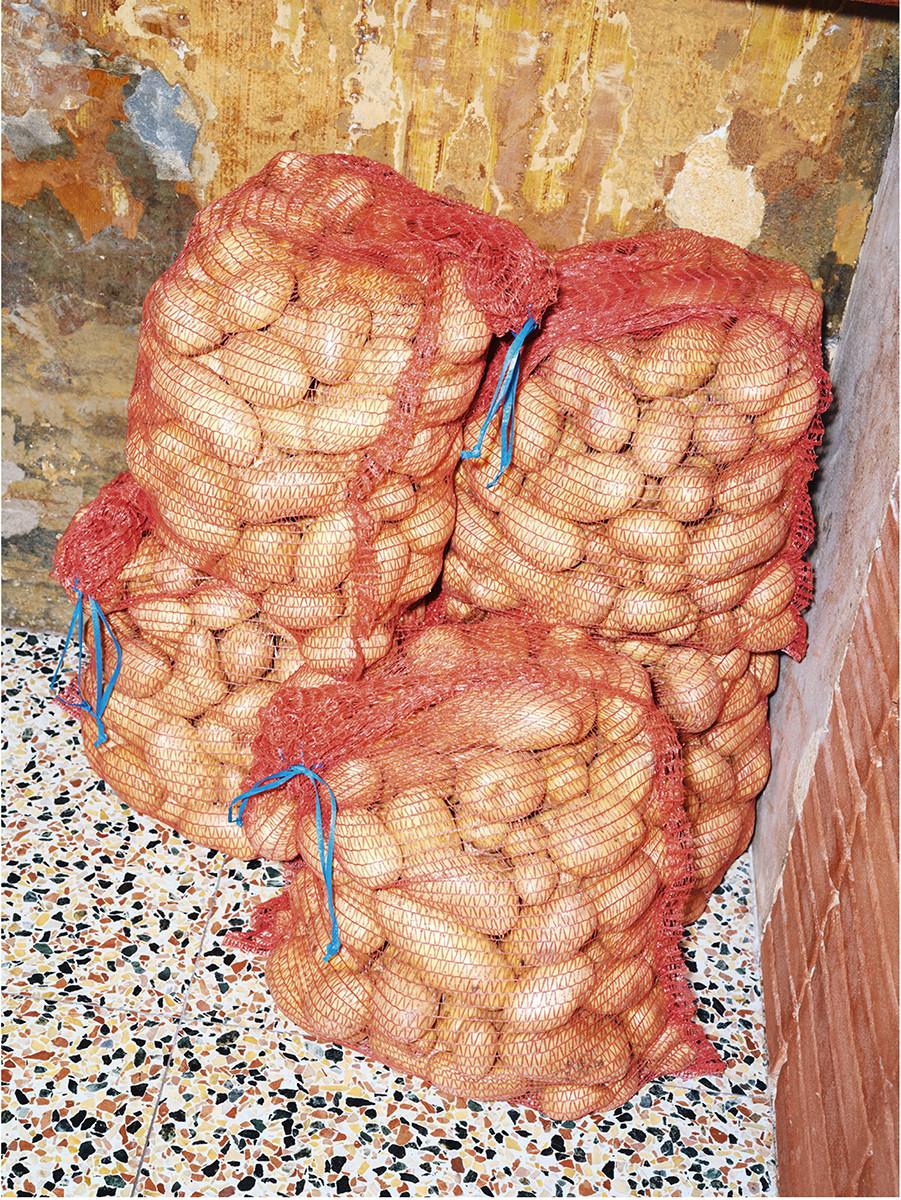
No summer journey would be complete without a stop in Arles. The Rencontres d’Arles have become a fixture in Blot’s annual calendar, and this year’s programme is especially busy. Between signing copies of his latest book, French Fries, published in May by Note Note Éditions, contributing photographs of the legendary Camargue restaurant Chez Bob to Louis Vuitton’s new Arles guide, and giving a Fujikina talk about his long-term project on French roadside restaurants, there is little time to spare.
Yet among all these commitments, one event remains especially close to his heart: a two-hour photo walk during which he shares both his way of seeing and his photographic practice with a small group of participants. The session begins with a discussion of everyone’s work. Blot takes the time to look at the participants’ photographs before introducing the two principles that underpin his own practice: content and form.
Content comes first. Looking back at his various projects, he explains why he always thinks in terms of photographic series rather than individual images. Words, he insists, play a crucial role in this process. They help define an angle, reveal a point of tension and, as he puts it, “move beyond the visual towards genuine documentary and journalistic work.”
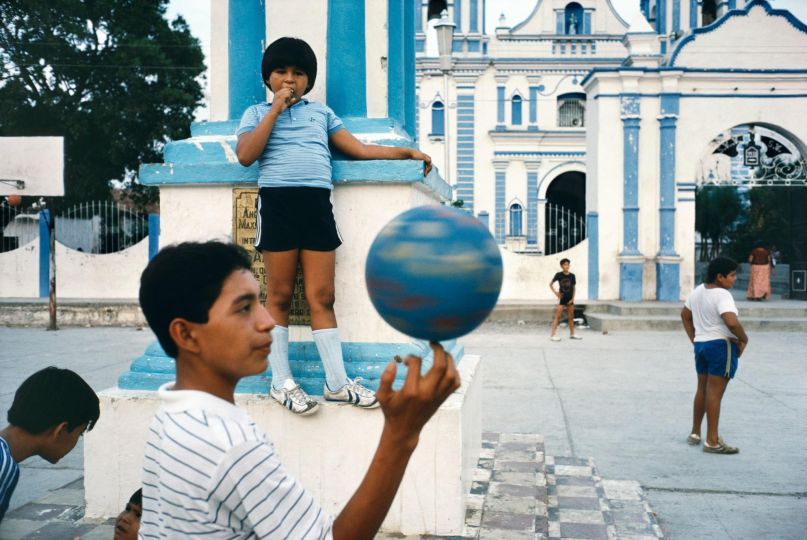
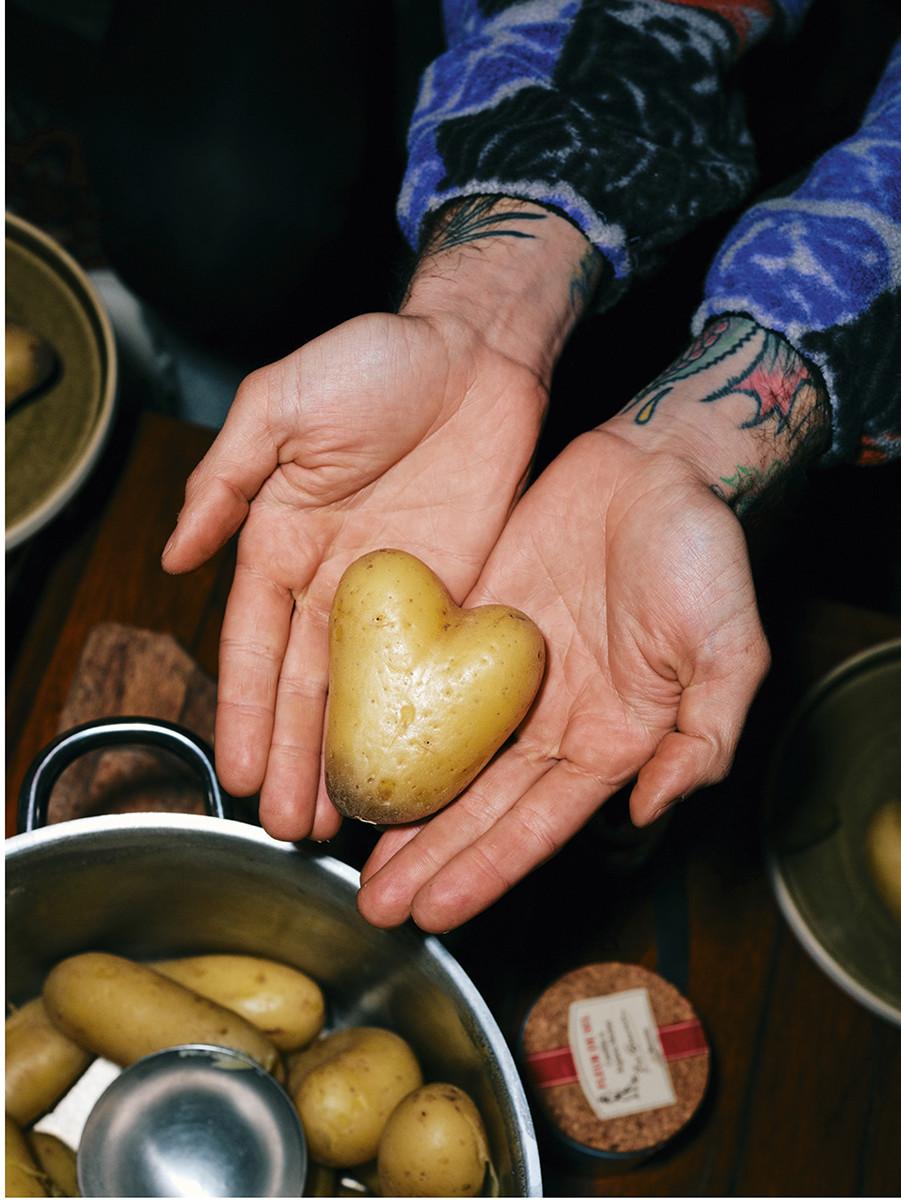
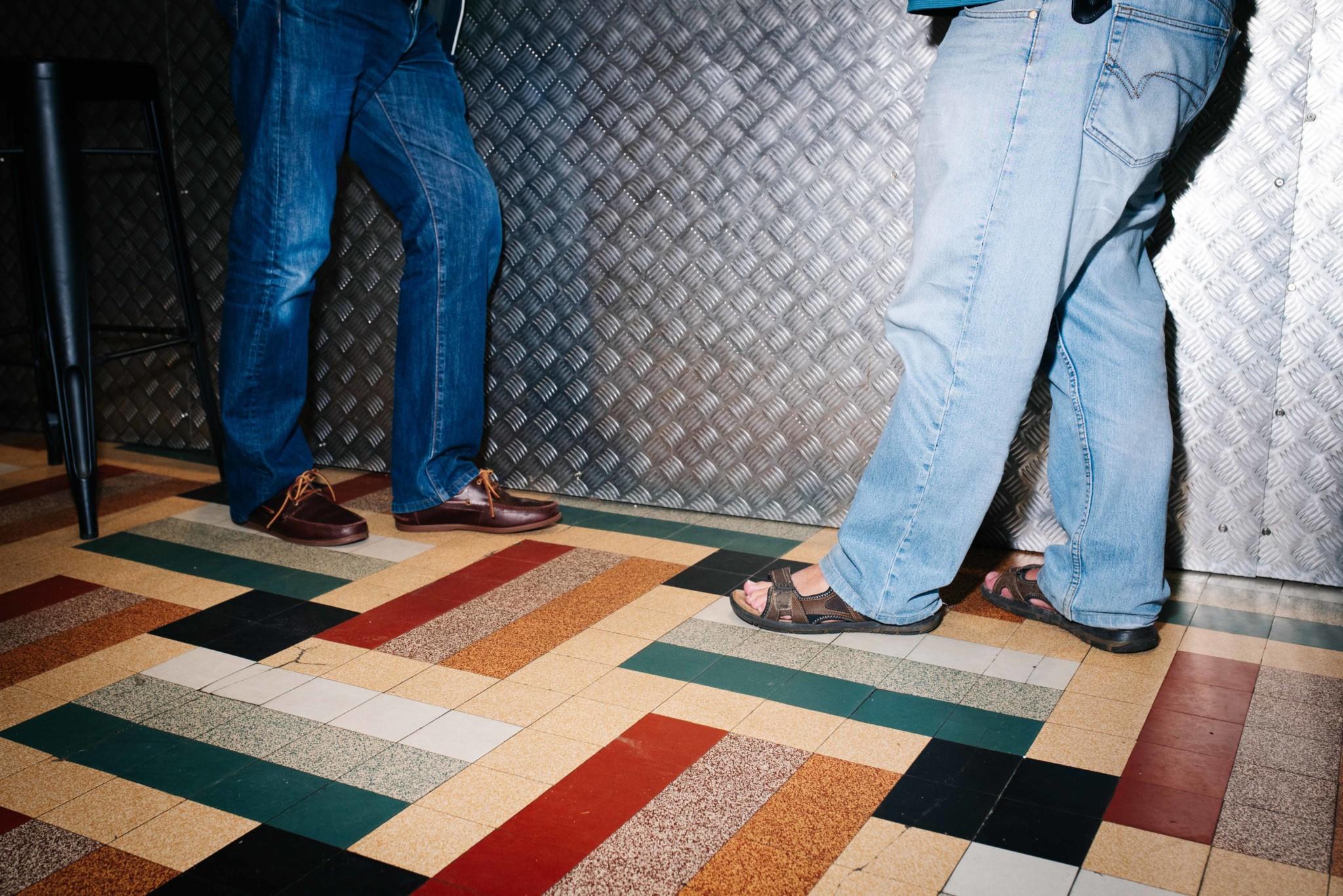
Then comes form. Raw, flash-lit photographs sit alongside softer images with more natural tones. Blot explains how he uses his Fujifilm GFX medium-format camera and other technical choices to build a visual language that has become instantly recognisable, one that portrays contemporary France with warmth, humour and affection.
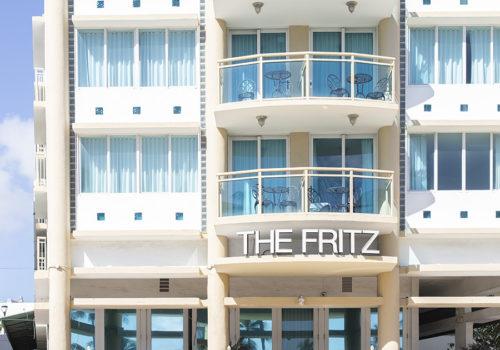
It is then time to put theory into practice. Each participant borrows a Fujifilm camera and, for just over an hour, the group wanders through the narrow streets of Arles with a simple goal: learning to recognise the poetry hidden within everyday life. An unusual name engraved on a doorway, an accidental visual pun, a pipe that seems to pass through a passerby’s head, or an architectural detail that transforms an ordinary scene into something unexpected, all become opportunities to see differently.
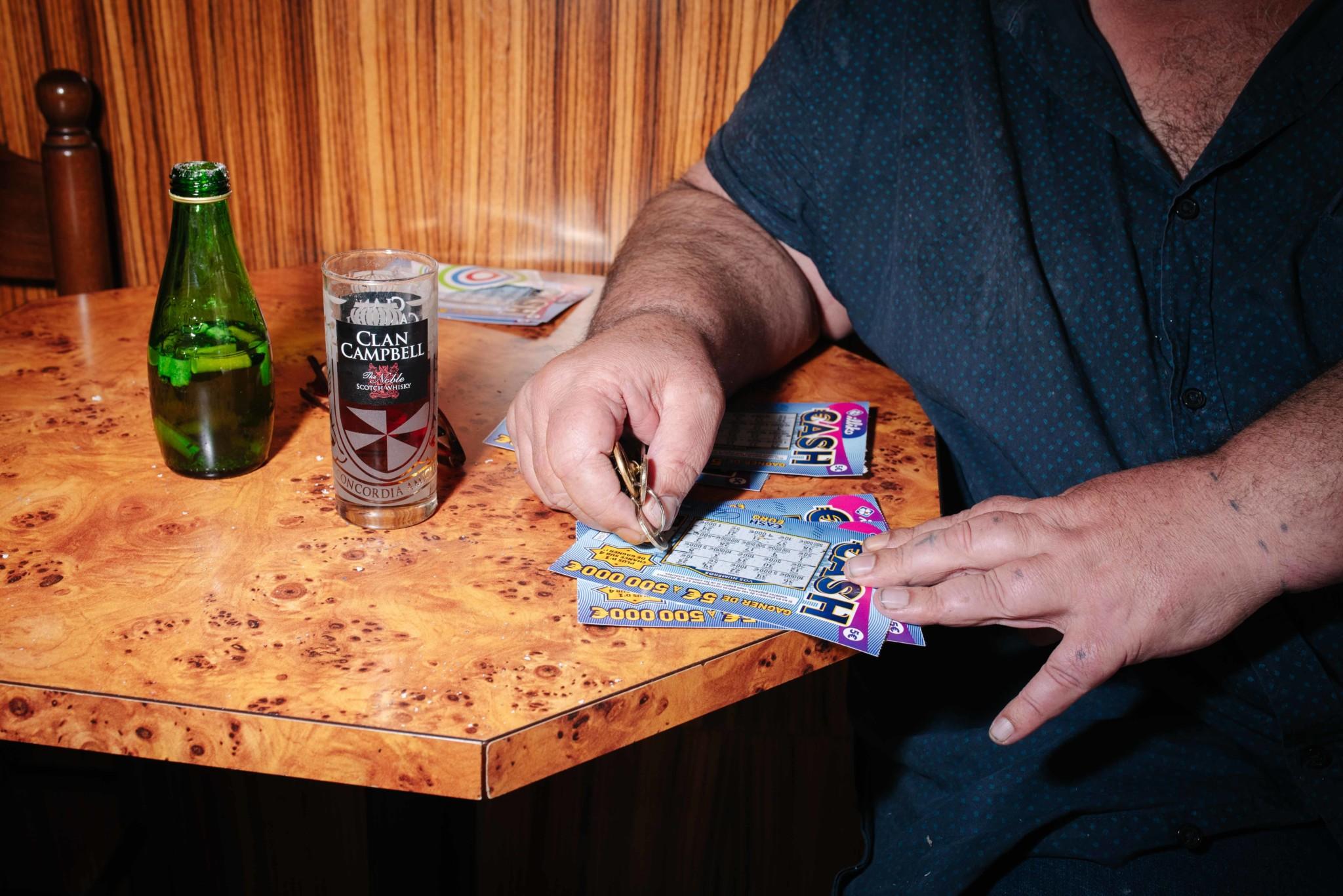
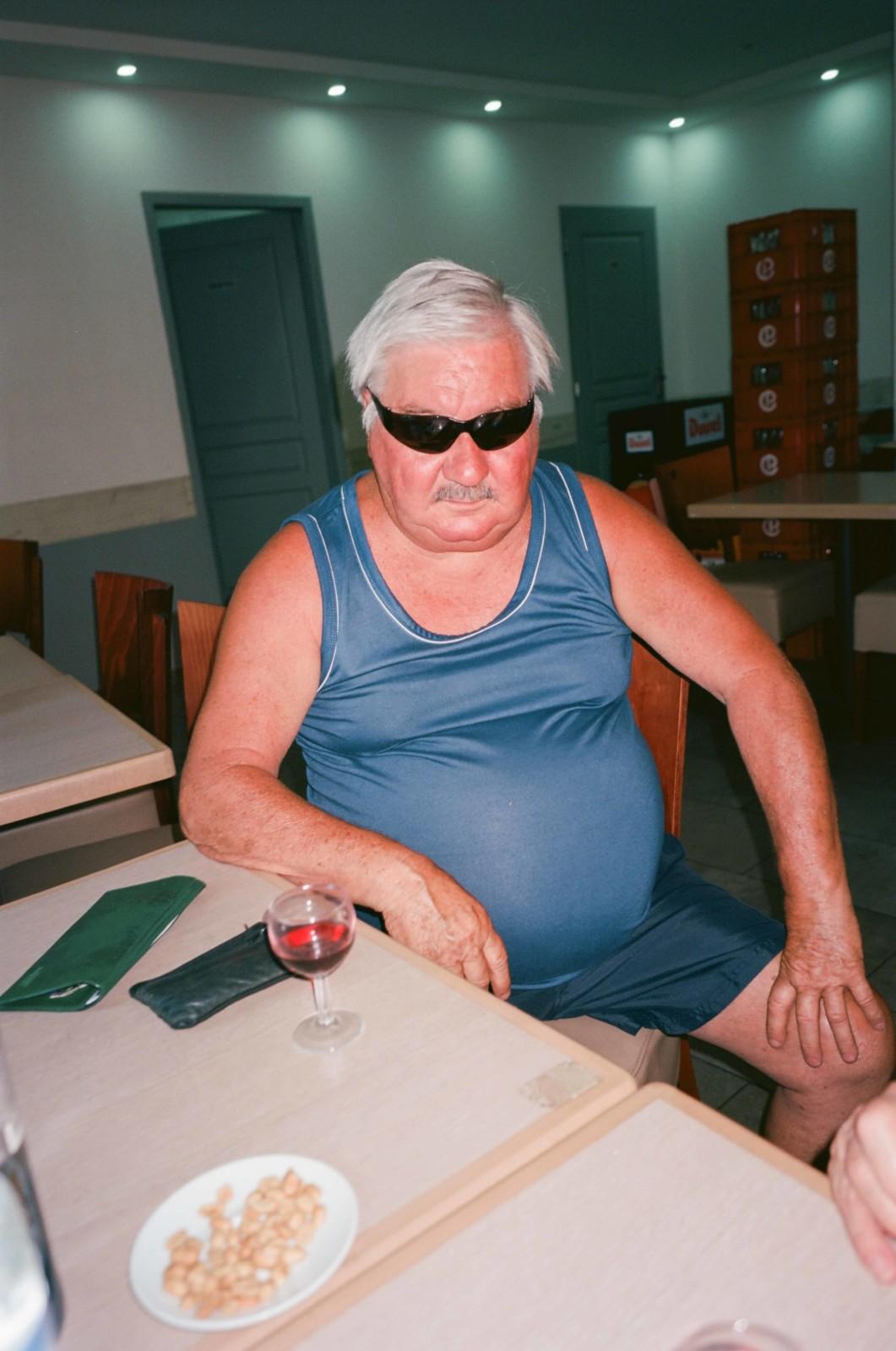
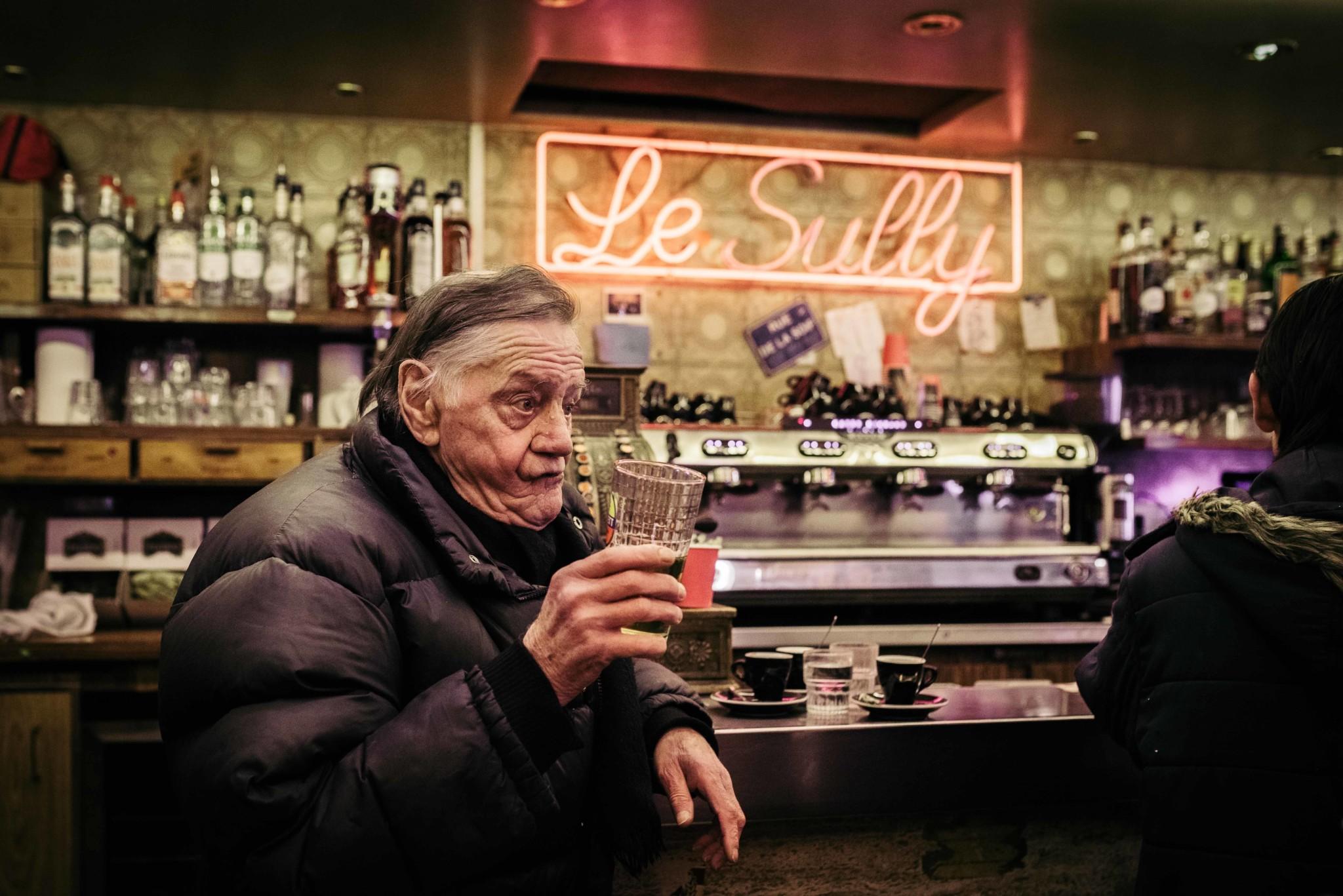
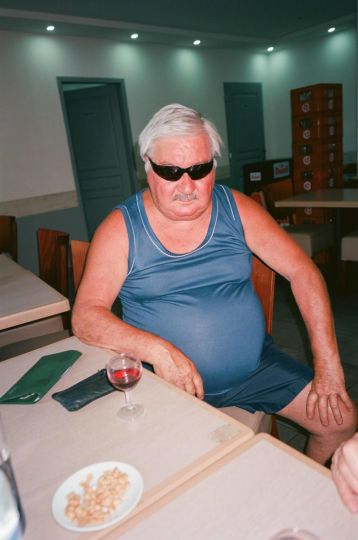
As with every one of his Arles photo walks, there is one obligatory stop: Le Chiquito, a neighbourhood bar to which Blot remains deeply attached. For him, it is one of the few places that has resisted the city’s ongoing gentrification. Behind the counter, Fabrice the bartender welcomes the group with a broad smile before inviting them to tackle the day’s most intimidating exercise: approaching the regulars.
Because, for Guillaume Blot, good photography often begins with a human encounter. He encourages everyone to overcome their hesitation, to approach strangers instead of waiting for photographs to happen by themselves. “I hope to inspire them to reach the state of mind that every photographer needs. That moment when you stop finding excuses not to speak to someone, you simply go for it. You take the plunge, without safety net, and more often than not, you come away with a wonderful interaction.”
Zoé Isle de Beauchaine
More information