Say Their Names
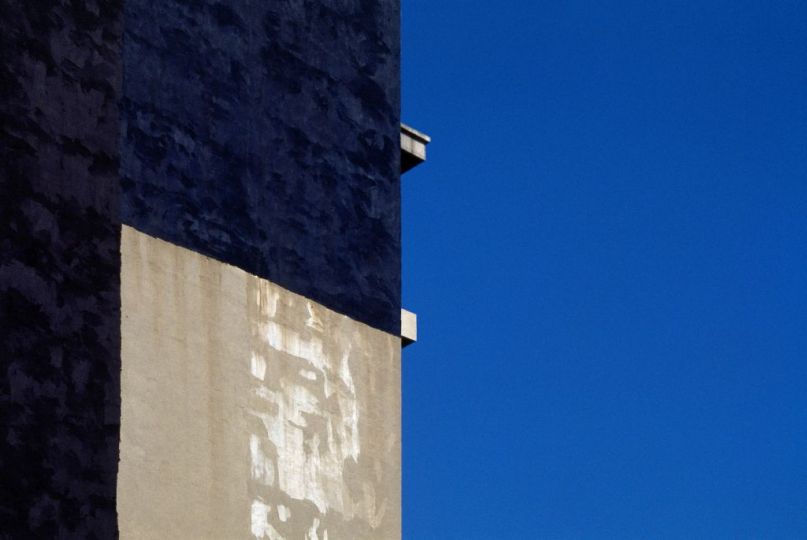
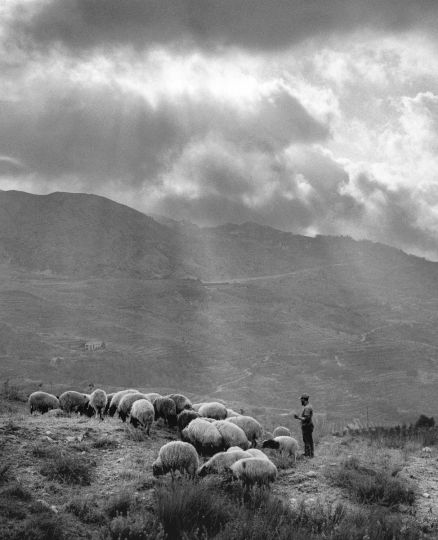
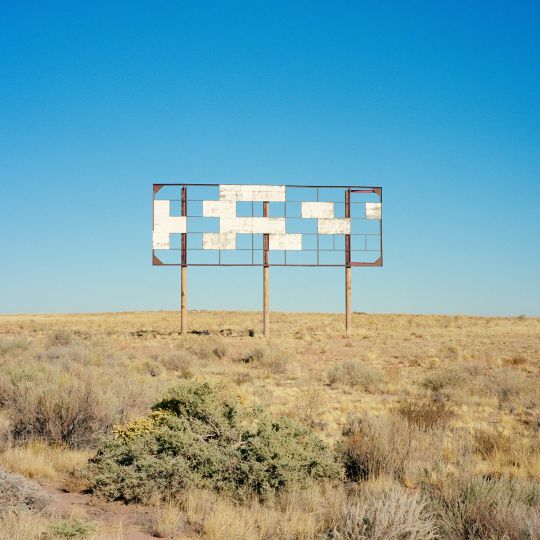
Say Their Names documents the locations or a close approximation of the sites where a transgender person has been murdered. These images pay homage to the ever-present danger faced by the transgender community, where the fear of living authentically often translates into a tangible risk to personal safety. Statistics indicate that one in four transgender individuals has experienced an assault driven by transphobia. This violence, often fatal, disproportionately affects transgender women of color.
During my travels across the country photographing transgender couples and families for my project Transcending Love, I sought to capture a positive representation of a community that is long overdue for compassion, respect, and basic human rights. However, I was overwhelmed with the need to do more. I recognized the necessity of presenting a comprehensive view that acknowledges the culture of violence against the transgender community, which is fueled by fear and ignorance. My portraits of loving couples only provided a fraction of the real picture. In advocating for acceptance of this community, I knew that I would need to show the darker aspects of their reality. Tragically, in every city that I visited, there had been at least one murder of someone who had been bold enough to live their life honestly.
I researched the locations where such fatal violence had occurred. Utilizing as much information as I could gather from news reports and the internet, I traveled to the approximate, or sometimes exact, spot of the assaults. In moments of reflection for the victims, I documented each scene, solemnly voicing their names and calling upon the universe for a safer world for my transgender and gender-nonconforming siblings.
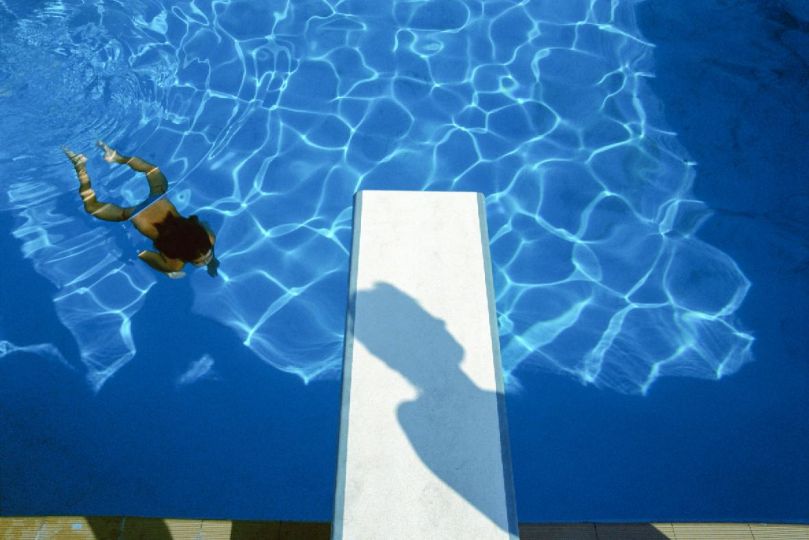
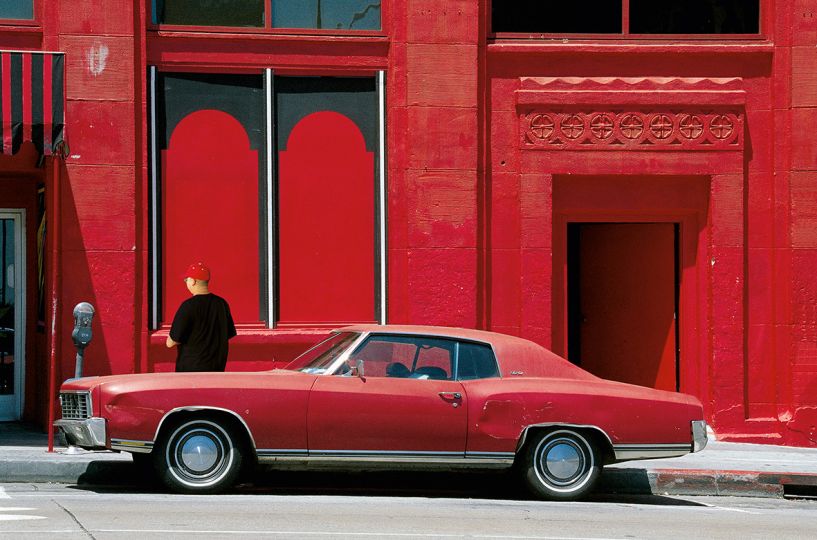
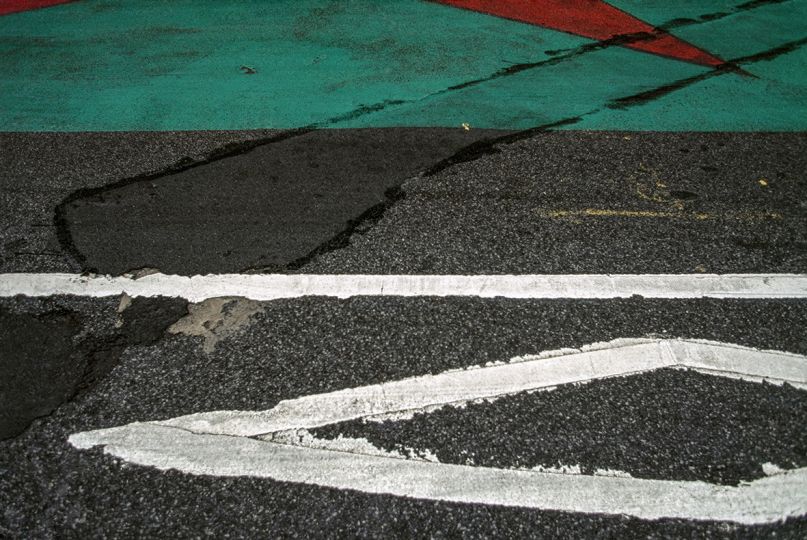
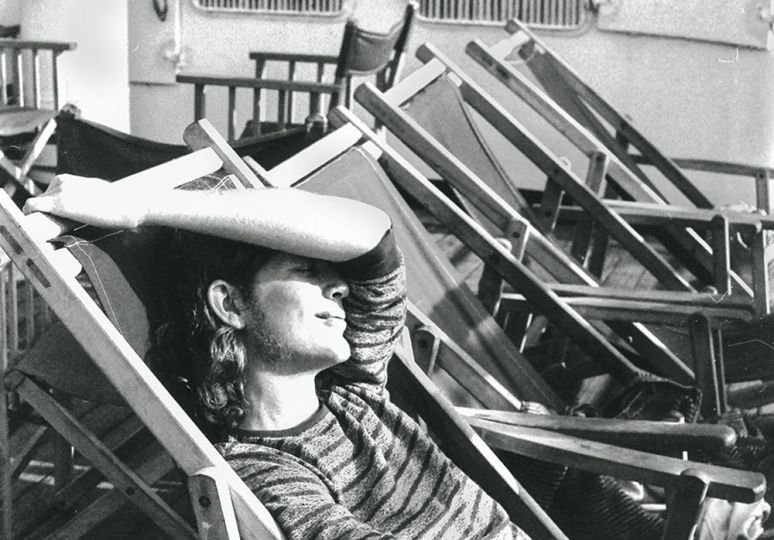
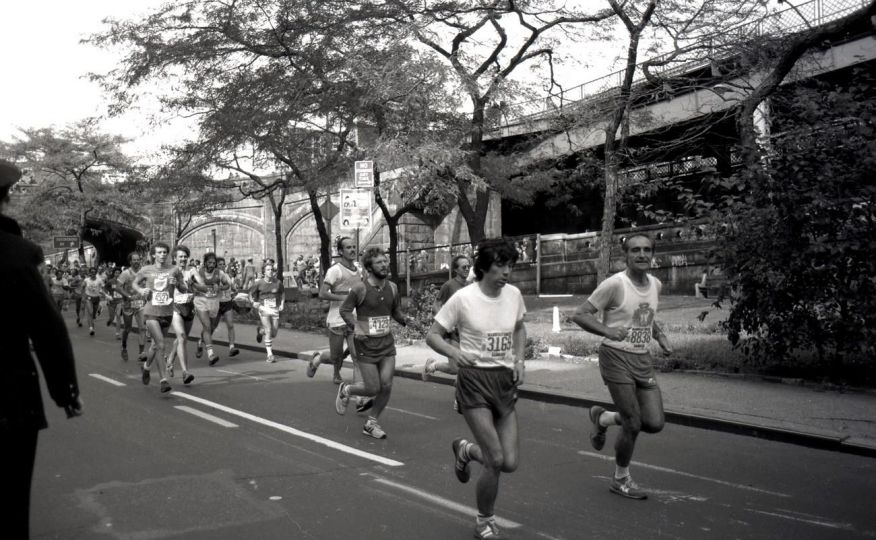
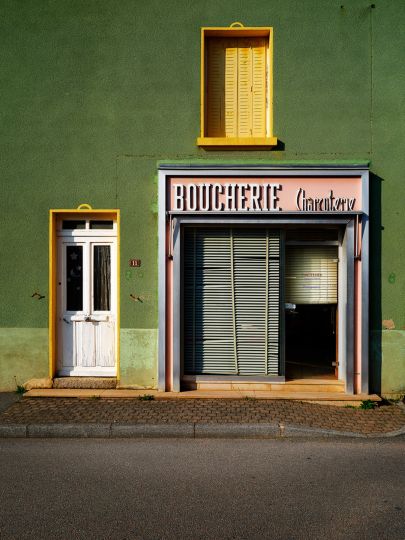
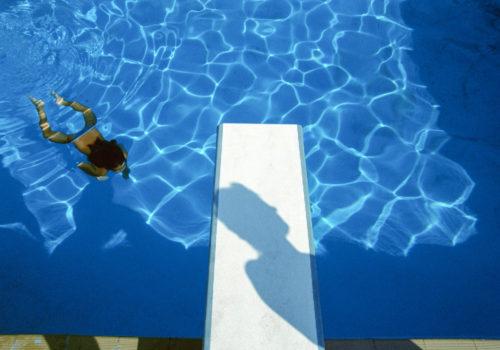
The locations are captured in broad daylight and, at first glance, are seemingly innocuous views of a neighborhood, a business, or even a peaceful lake. The scenes are lifeless, devoid of human beings, and this emptiness serves to amplify the tragedy that has occurred there. The gruesome history of these locations remains largely invisible, much as the transgender community has historically remained overlooked in the fight for human rights, even by LGBTQ+ organizations.
The violence against this community has risen exponentially since 2016 in more ways than one. Accurately tracking the murders against the transgender community is often difficult due to many factors, chief of which is the misgendering of the victim. They are simply not acknowledged as being transgender.
In the past year alone, the transgender community has faced a relentless barrage of vicious attacks nationwide, aimed at undermining the rights they have fought to secure. From banning transgender youth from participating in sports to denying access to healthcare, to serving in the military, and even so far as putting the parents of transgender children or their doctors at risk of being accused of child abuse, this community is literally being battered, sometimes fatally.
Violence is not always a visible manifestation. Collectively, we must realize that a combination of racism, sexism, misogyny, homophobia, and transphobia can prevent many victims from accessing employment, housing, healthcare, access to education, and other basic needs. This intersection of bigotry is what puts the community at risk, and where change needs to begin.
My project, Transcending Love: Portraits of Transgender & Gender Nonconforming Couples & Families, emphasizes the importance of visibility, illustrating that representation within our culture is validating. However, for some, that validation is a double-edged sword where increased visibility makes one more vulnerable to harm. Say Their Names serves as a stark reminder of this grim reality. People are losing their lives simply to live as their true, authentic selves.
B. Proud, 2025