For this special Arles edition of the Book Chronicle, I’m taking a brief step back in time to highlight a book that was published a year ago, and yet still resonates with striking intensity. Published by Dunes Éditions, Les Ruines Circulaires by Orianne Ciantar Olive will be featured in a signing event during the opening week Arles. This book invites us on a poetic and politically engaged journey through a sun-scorched Lebanon, a land still marked by the scars of war.
One of the central questions running through Orianne Ciantar Olive’s work is how we consume images of war at a time when such imagery floods our daily lives to the point of desensitization:
“There’s a kind of visual and psychological fatigue in the face of the sheer volume of war images we’re exposed to each day. The question is how to reawaken interest in a conflict. How do we enable someone to face it again—without triggering personal trauma, or feeding into the boredom they may feel toward images of war?”
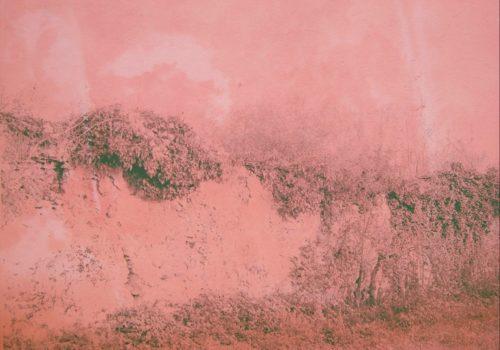
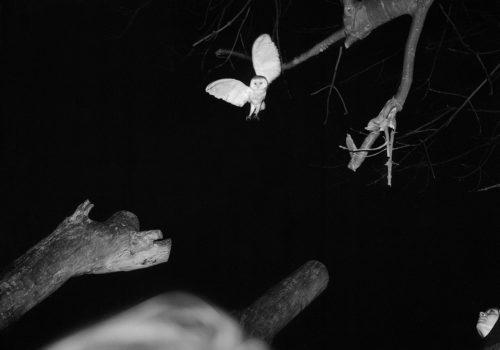
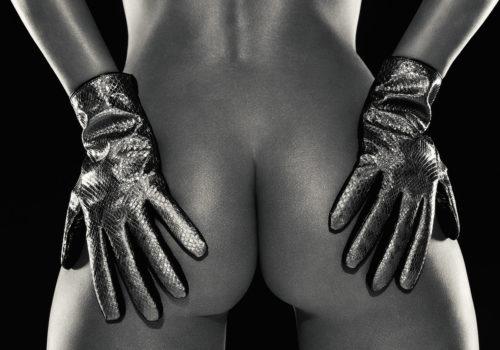
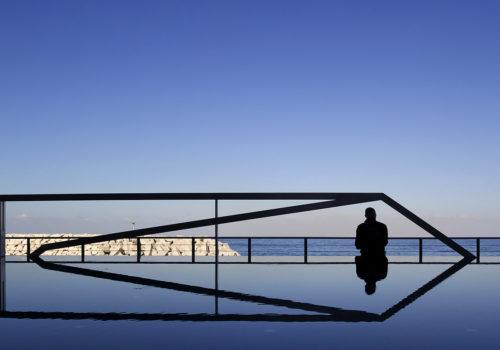
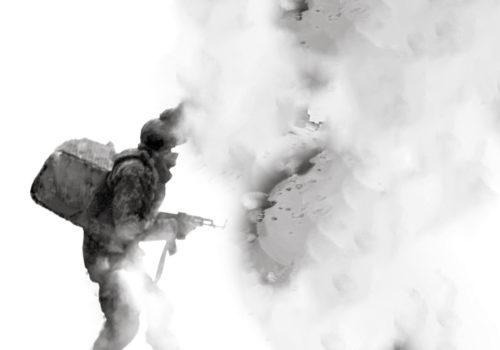
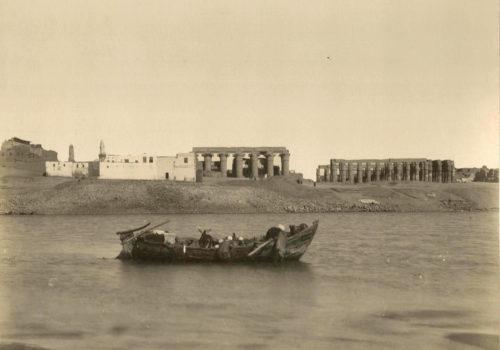
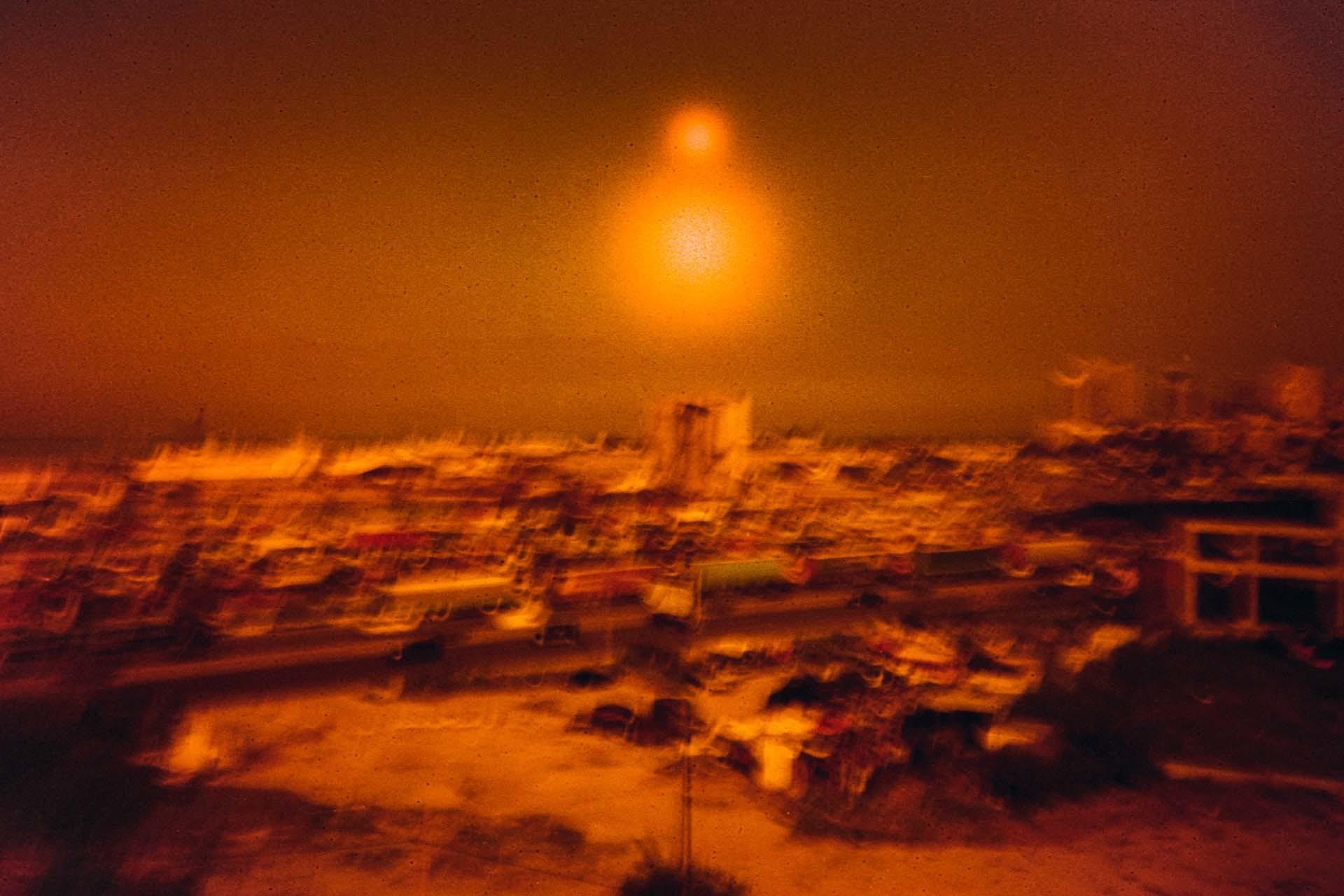
Although she explores this issue through various curatorial and mediation strategies, her efforts to alter our relationship with images begin on the ground, where she already adopts a radical formal approach. In Les Ruines Circulaires, she crafts a portrait of Lebanon that often borders on abstraction. Faces are solarized; landscapes whether natural or urban are frequently blurred, captured on inverted film that bathes the images in hues of yellow, orange, and red. But this abstraction is deceptive. It draws us in, then offers up clues: here, tangled barbed wire; there, a rocket emblazoned with the words “Made in U.S.A.”; further along, the Kfar Kila wall symbol of the ongoing tensions between Lebanon and Israel destroyed in the latest resurgence of conflict.
Poetic vision becomes political. In this region in particular, isn’t poetry one of the primary languages of resistance? For Orianne Ciantar Olive, it is the lens through which she approaches a territory whose story she seeks to tell one shaped by war, occupation, and exile, recurring in cycles over the past decade.
Initially, the project was meant to take her to Damascus, a journey she planned to make on foot by following the old railway line that once linked Lebanon and Syria before it was destroyed during the civil war. “I wanted to make this journey on foot, because by tracing the old railway route, you can observe the entire history of the country’s destruction and reconstruction.” Ultimately unable to cross the border, she keenly feels the sense of being trapped, of going around in circles a feeling shared by many Lebanese people, caught between impassable borders: Syria to the north and east, Israel to the south, and the natural frontier of the Mediterranean Sea to the west.
Ciantar Olive ended up staying in Lebanon for four years. Nourished by the poetry of Etel Adnan—particularly her poem The Arab Apocalypse, with its red, blue, and green suns—she made the sun the guiding thread of her project. It infuses every page of Ruines Circulaires with warm, saturated tones. At the heart of the book shines a red sun, accompanied by verses written by the artist:
“If the Sun rose in the west
and set in the east,
where would the Phenix bury his father?
Nabil, do you see in these coffee grounds
our destinies in orbit,
that shadow impossible to tell?
In French, Nabil is Liban in reverse. A palindrome, just like the book itself. From this central sun, the images unfold in mirrored symmetry, allowing the reader to choose their own path through the book, to revisit it again and again from a new perspective. To confront this war in a different way.
Orianne Ciantar Olive — Les Ruines Circulaires
Published by Dunes Éditions
Poems : Orianne Ciantar Olive
Postface : Sabyl Ghoussoub
Design : Bureau Kayser
138 pages, format : 16 x 24 cm
Binding : spirals, edition of 1000 copies
Texts in French and English
Available online and in all good bookshops