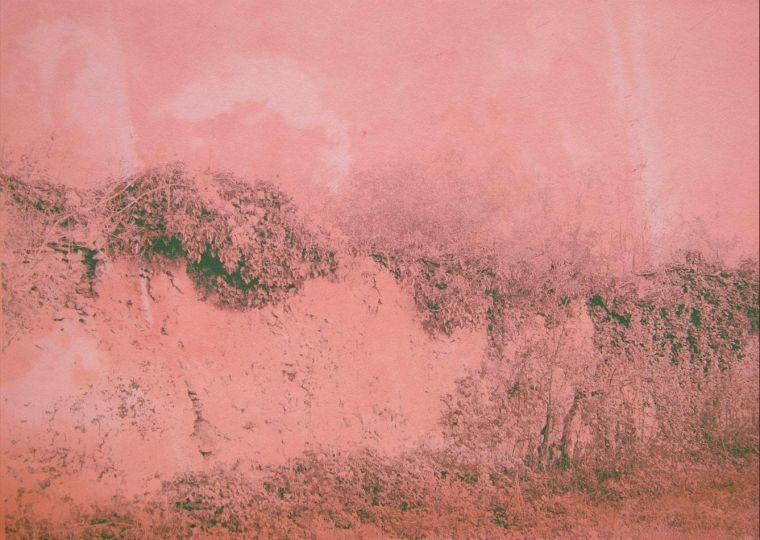
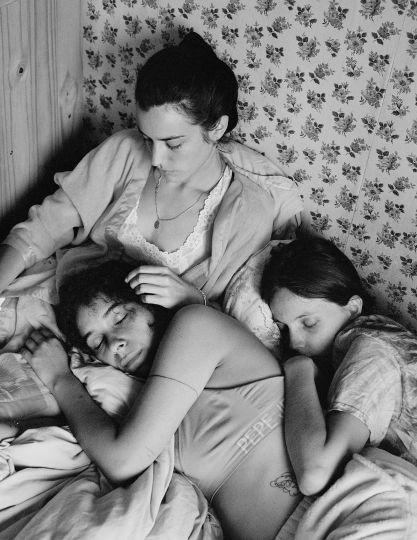
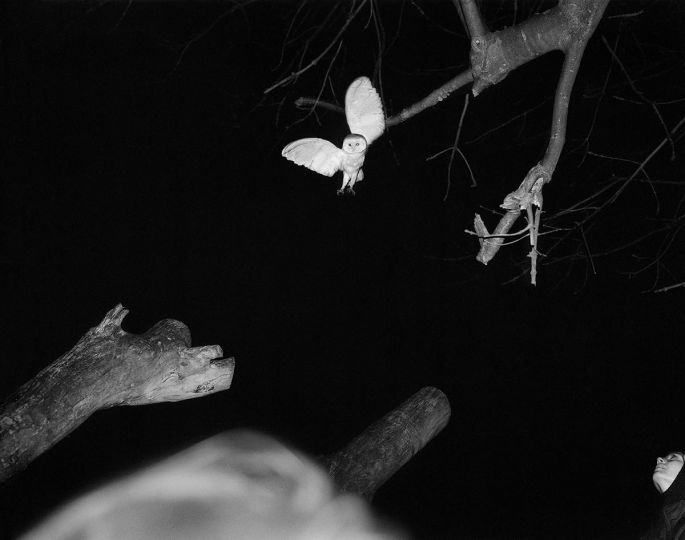
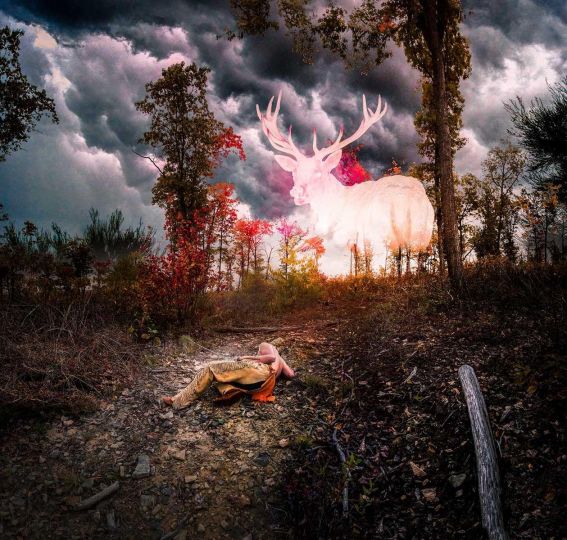
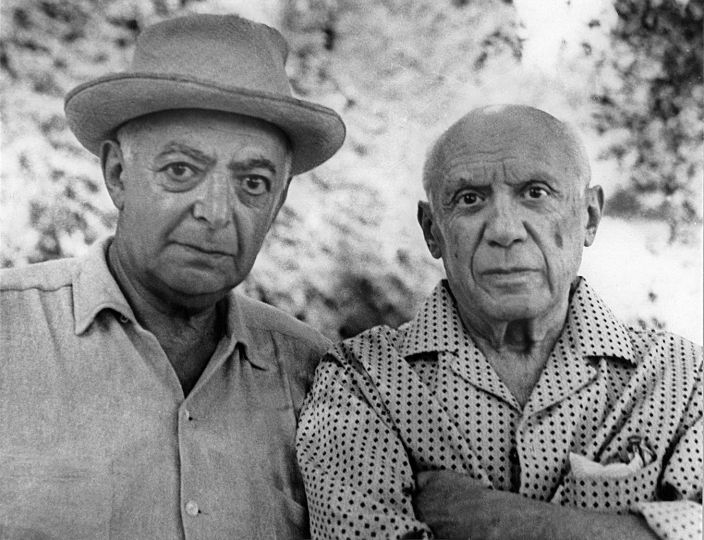
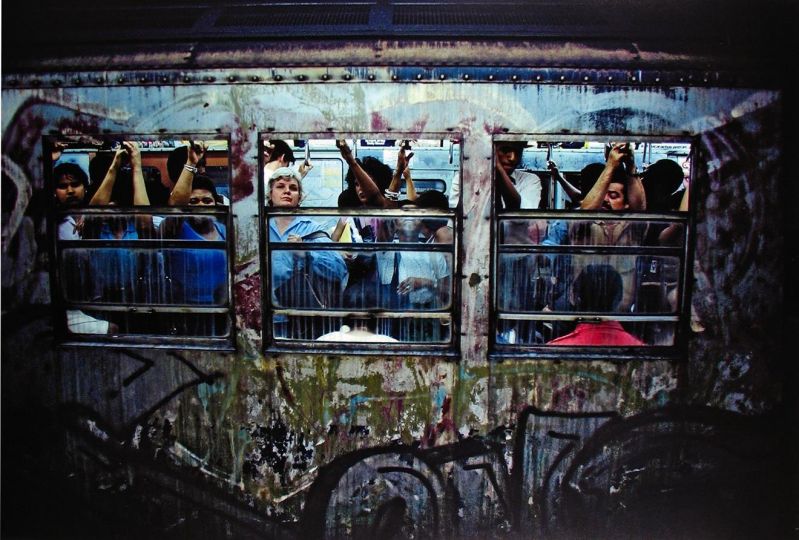
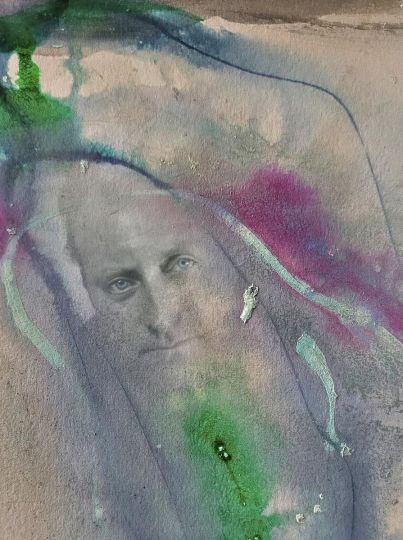
Bouche, the third book by Lucile Boiron, invites readers to experience the world through the lens of early childhood. In this exploration—where poetry meets the visceral—the French photographer reconnects with the visual language that marked her beginnings. Available from Art Paper Editions.
Can one still create after giving birth?
This question lingered in Lucile Boiron’s mind during the months leading up to her daughter’s arrival:
“I was anxious that this birth might mark the end of my creative desire. It’s such an all-encompassing experience… you wonder what’s left to create after a child is born.”
Far from being a rupture, this new chapter proved to be a catalyst—a moment of clarity where time, stretched by the experience of motherhood, allowed her to reevaluate her entire practice. Looking back at her work through this lens, Boiron reached what she describes as an “almost psychoanalytical” understanding of her creative approach.
Bouche crystallizes this transition, weaving together archival images with more recent photographs. While the first pages open with a vibrant shot of a placenta and a portrait of her daughter, the book is not about motherhood per se:
“I’d say motherhood was more of a space for exploration—one that allowed me to observe what happens in a child from birth through early childhood, that phase before language, where the mouth becomes the primary means of grasping the world.”
Starting from the mouth as both a threshold and a sensory organ, Boiron delves into its symbolic and scientific dimensions—most notably through the biological phenomenon of microchimerism: the exchange of cells between a mother and her fetus during pregnancy, creating an intimate form of cellular coexistence. This transfer repeats itself with every generation, carrying ancestral DNA forward through birth. The phenomenon resonates with lesser-known oral versions of Little Red Riding Hood, which the photographer discovered—tales in which the young girl drinks her grandmother’s blood. These variants fed her reflections on lineage and the biological destiny of women.
The central themes of Boiron’s work are always filtered through metaphor, allowing the personal to become universal.[1] She channels them through a visual language where the visceral becomes poetry, playing on attraction and repulsion. The child’s purity—the milky softness of their skin, the innocent flush of their cheeks—meets the rawness of a torn fruit or a female body’s exposed flesh: the very organs that gave birth. At the heart of her work is the idea of “finding a kind of beauty in what we often find hard to look at.”
While recent years saw her drawn toward a visual aesthetic of decomposition (Mises en Pièces, Art Paper Editions, 2021), this new publication returns to the more naturalistic imagery of her earlier book Womb (Libraryman, 2019).
With Bouche, Lucile Boiron turns firmly toward life.
Zoé Isle de Beauchaine
Lucile Boiron – Bouche
Art Paper Editions, 2025
24 × 31 cm, 48 pages
ISBN 9789083438474
Available in bookstores and online.