Lost and Found
My upbringing had a huge influence on who I am as an artist today. Growing up on a prison compound in Switzerland where my father was the warden, daily interactions with prisoners were common. My father was a firm believer in rehabilitation and the importance of treating every person with respect and dignity, regardless of their crimes. We often had prisoners join us at our family dinner table. When I was 11 years old, I played soccer with them regularly. One inmate, Teitei, became so close to our family that after his release, having no family of his own, we invited him several times to join us for a week of vacation at our house. Memories of time spent in that environment resurfaced vividly after seeing the harrowing images in 2004 of the abuse, humiliation, and torture of Iraqi prisoners by American soldiers at the Abu Ghraib prison. As Americans, we were supposed to be the liberators, rescuing Iraq from the tyranny of Saddam Hussein. Yet, these servicemen had become indistinguishable from the very tormentors typically found in secret and oppressive prison environments. While it may seem unfair to compare these two vastly different settings, Abu Ghraib prison and the penitentiary where I grew up, the disturbing images nonetheless triggered my own memories of growing up inside a prison and relating to individuals whom society solely defined as criminals. Deeply disturbed and personally affected by the Abu Ghraib images, I felt compelled to begin my Entangled with Justice series, which launched a long and introspective exploration into how fate, geography, and politics influence the administration of justice. It confirmed my suspicion that external forces such as race, political climate, and the public’s demand for convictions often override the pursuit of truth and the fair application of justice.
A few months ago, I cleaned up my studio and discovered several boxes of discarded 4×5” Polaroid Type 55 prints from my Entangled with Justice series, which I worked on from 2005 to 2010. The now-discontinued Polaroid Type 55 film produced a high-quality black-and-white
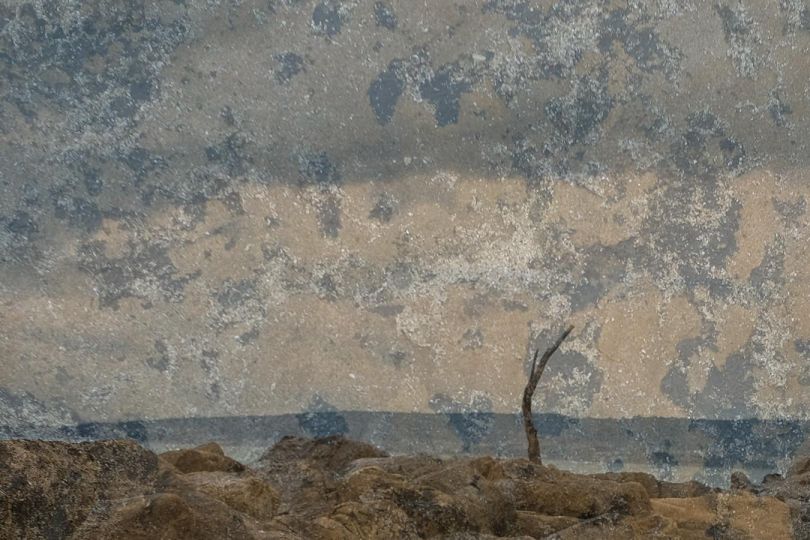
negative along with a positive print, both of which were processed simultaneously within 30 seconds of being removed from the film holder. Instead of fixing the print and negative immediately, I allowed both to continue processing for weeks, months, or even years. In most cases, the positive prints became unusable, as ongoing chemical reactions often partially or completely obscured the figures within the images. However, I sepia-toned the black-and-white negatives, and the impurities that developed over time resulted in fascinating and unique
images. This series has been featured in over 13 museum exhibitions, including a solo show at the Musée de l’Elysée in Lausanne, Switzerland, and was also part of The Polaroid Project, a retrospective showcasing artists who used Polaroid films in their work. The Polaroid Project was exhibited in nine museums across three continents.
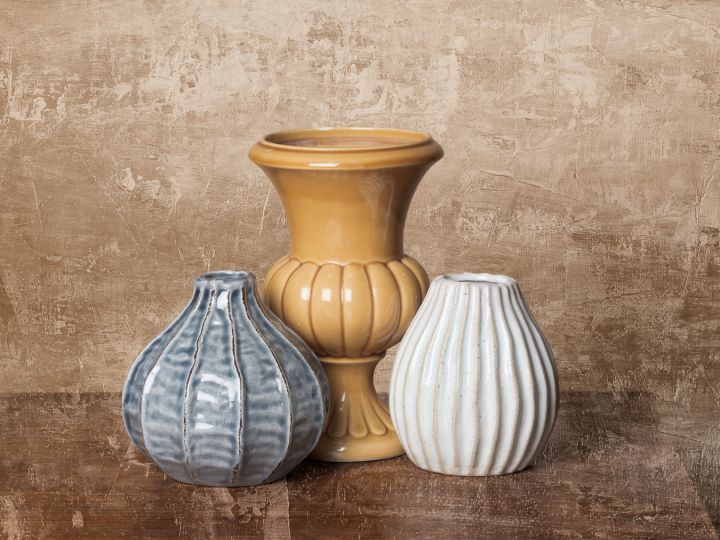
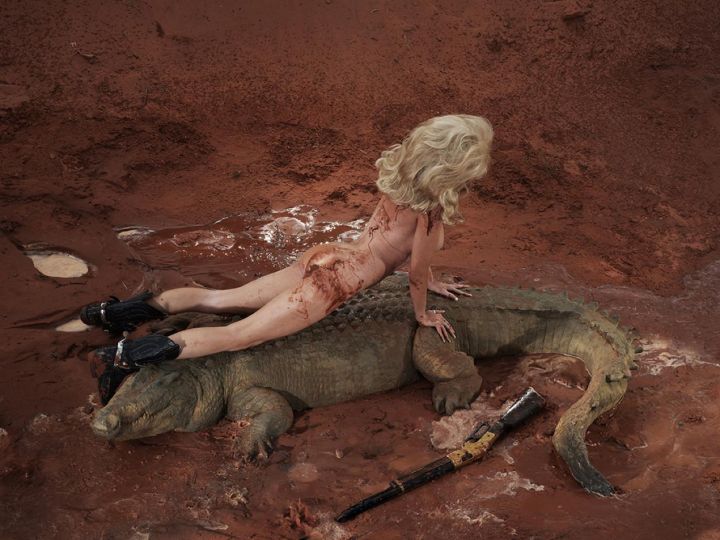
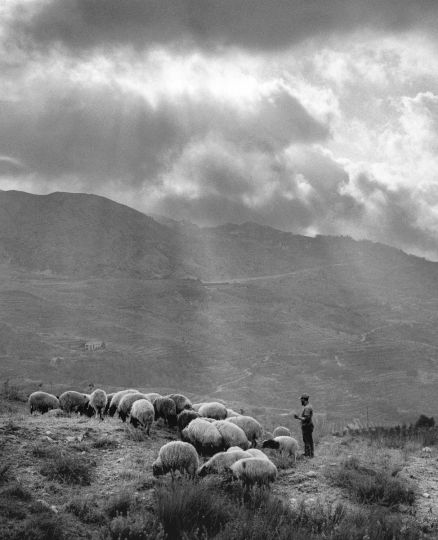
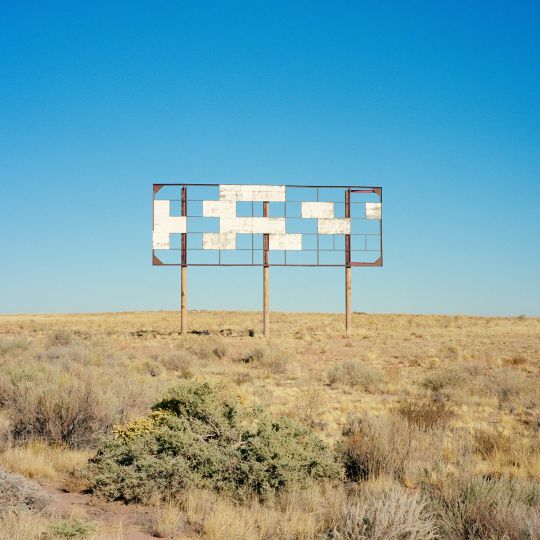
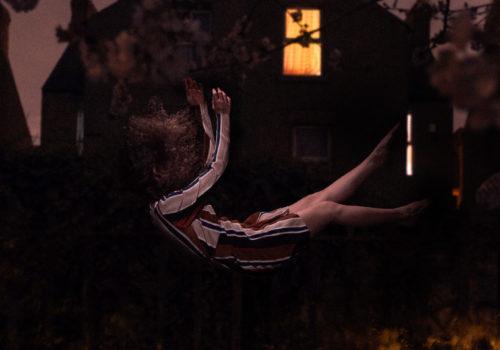
While sorting through the rediscovered boxes of Polaroid prints, I found many images with new potential for a series, if I could find a way to reveal the figures again. By using a brush and black paint to trace within the lines originally drawn with a flashlight and captured with a 4×5” camera, the figures “came back to life.”
As I look at the newly discovered images, I wonder if they hold the same impact and significance as the original Entangled with Justice series. One thing I know for certain: all my work is anchored in a moral sensibility that relates to my upbringing. These visual and real-life experiences nurtured a sense of empathy in me for the human condition that has been a guiding force in my life as well as my work.
Website: www.andreasrentsch.com
Instagram : rentsch.andreas
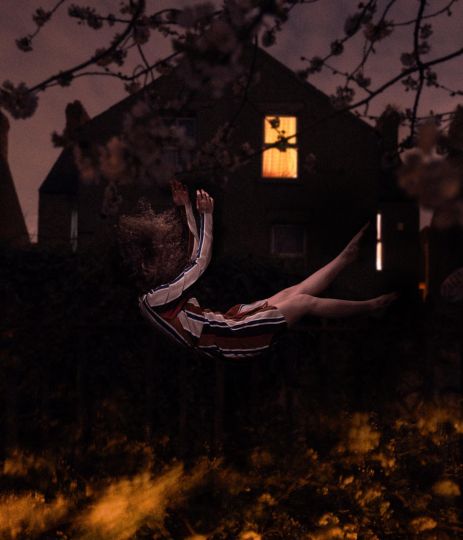
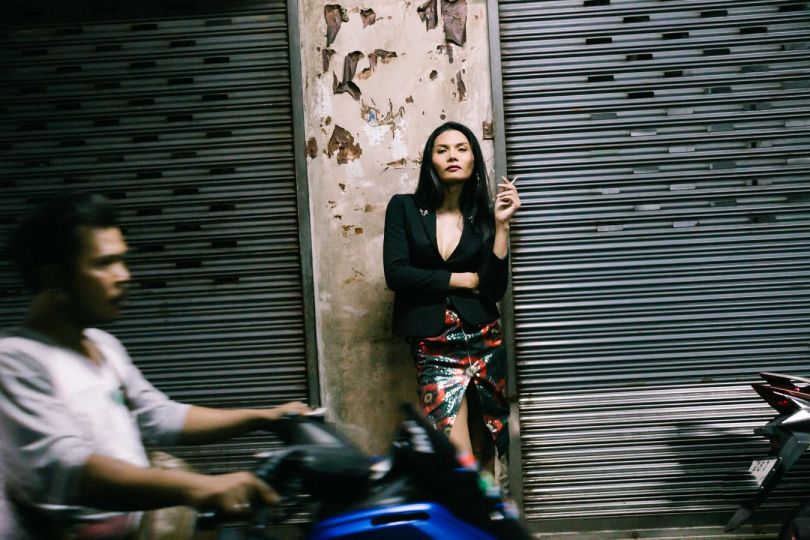
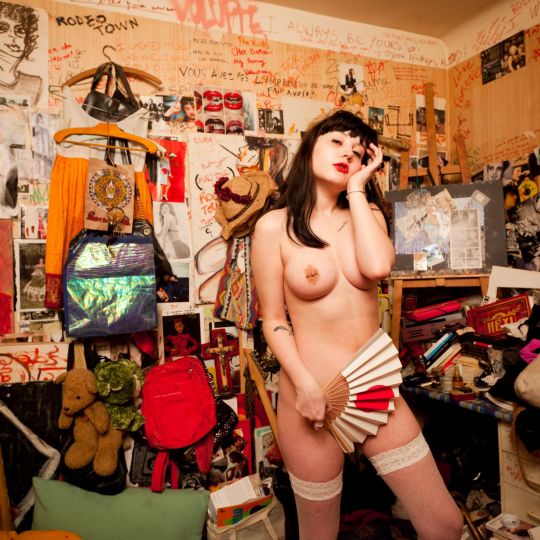
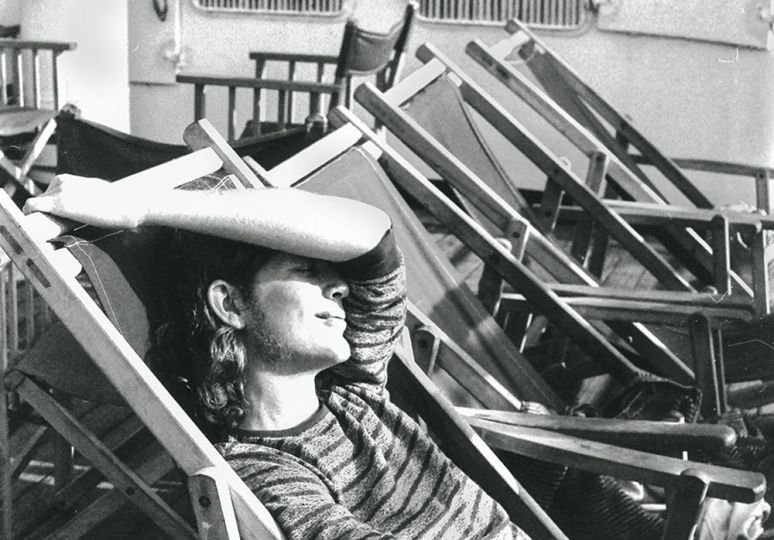
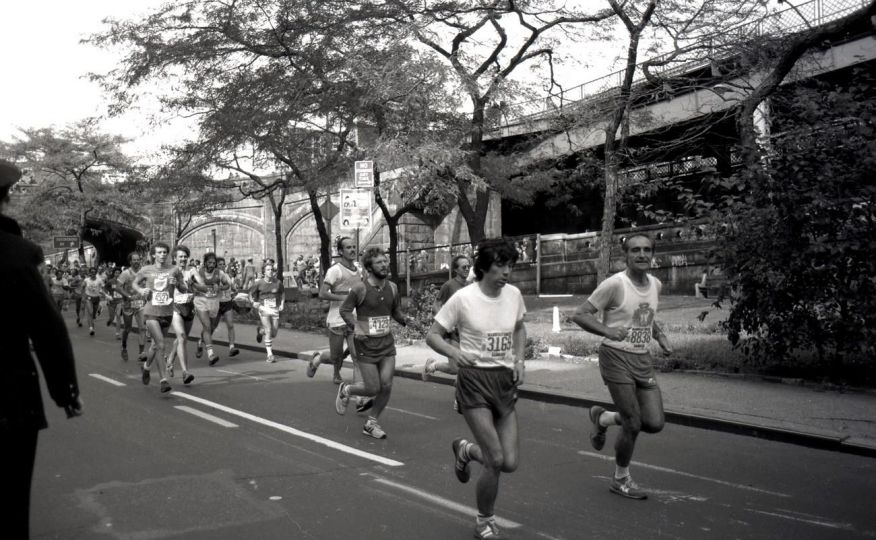
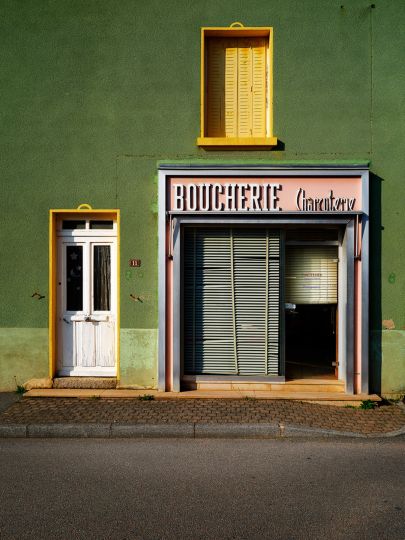
All images: unique 4×5” Polaroid Type 55 black & white print, light drawing created between 2005-2010, black paint added to the figures in 2025.