Untamed Time
Photography, initially employed as a means of representing reality, has evolved into an instrument that fragments and reconfigures it. The dynamism through which photography reshapes the world situates us within an ambiguous space, where images no longer function as mere reproductions of the visible, but as subjective interpretations shaped by a series of conceptual interventions. Through this process of omitting or suspending the given real, an additional and complex narrative layer emerges—one that calls into question the extent to which photography may still be regarded as a faithful reflection of reality, and how decisive the underlying concept is in sustaining the meaning of an image.
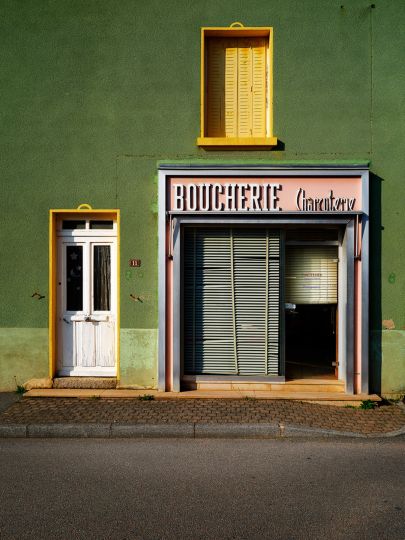
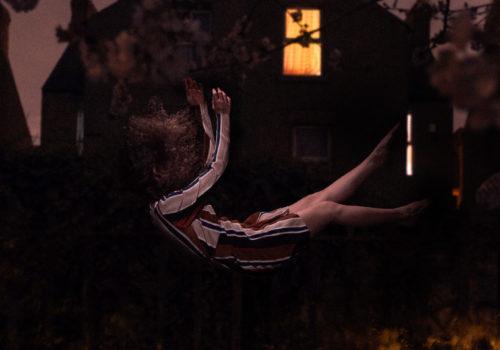
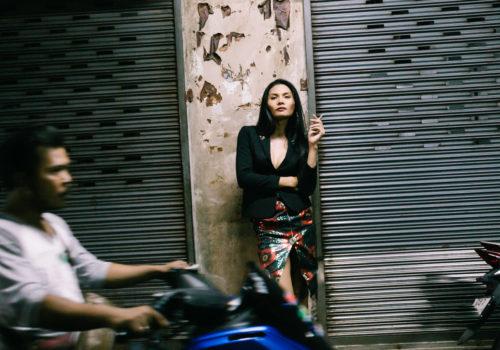
In this context, Alfred Schupler reconstructs the world through the mediation of the lens. The artist does not simply capture a fragment of reality; he actively contributes to the formation of a new stratum of that reality, wherein the tension between the real and its interpretation continually redefines the subject. Within the parallel reality evoked by a photograph, questions arise regarding artistic intention and the status of the photographed real. Is photography an attempt to reinforce or to challenge the certainties and conventions associated with reality? The artist proposes an alternative perspective, such that the image becomes either a barrier separating the viewer’s experiential worlds or a connective tissue linking these perceptually dependent realms.
The photographic series explores the optional space of the visible. Although the photographic image is rooted in a concrete context, what it ultimately represents exceeds a simple rendering of what is seen. It becomes an intersection between the photographer’s intention and the viewer’s subjectivity, generating an inexhaustible range of interpretative possibilities. In this sense, photography operates as a mirror of interior reality, reflecting it more than it reflects an objective external world. It becomes a platform for the exploration of parallel realities that coexist and are co-created through individual subjectivity. This dynamic of reception foregrounds a crucial dimension of photographic art: reality is not a fixed entity captured by the camera lens, but a fluid construction—a parallel reality insofar as it immortalizes a particular perspective upon the world. Consequently, the project unfolds as a study of the complexity inherent in subjective realities.