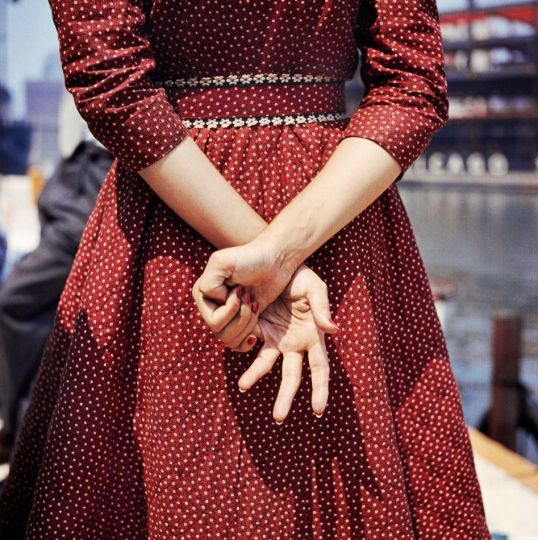
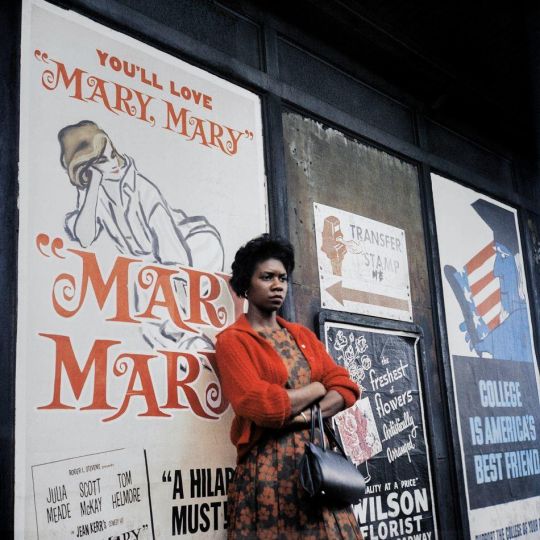
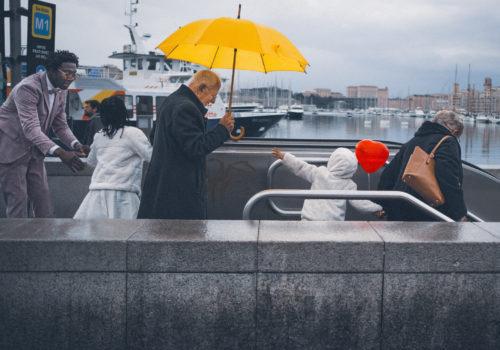
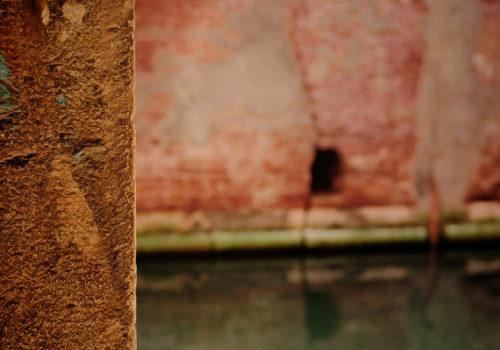
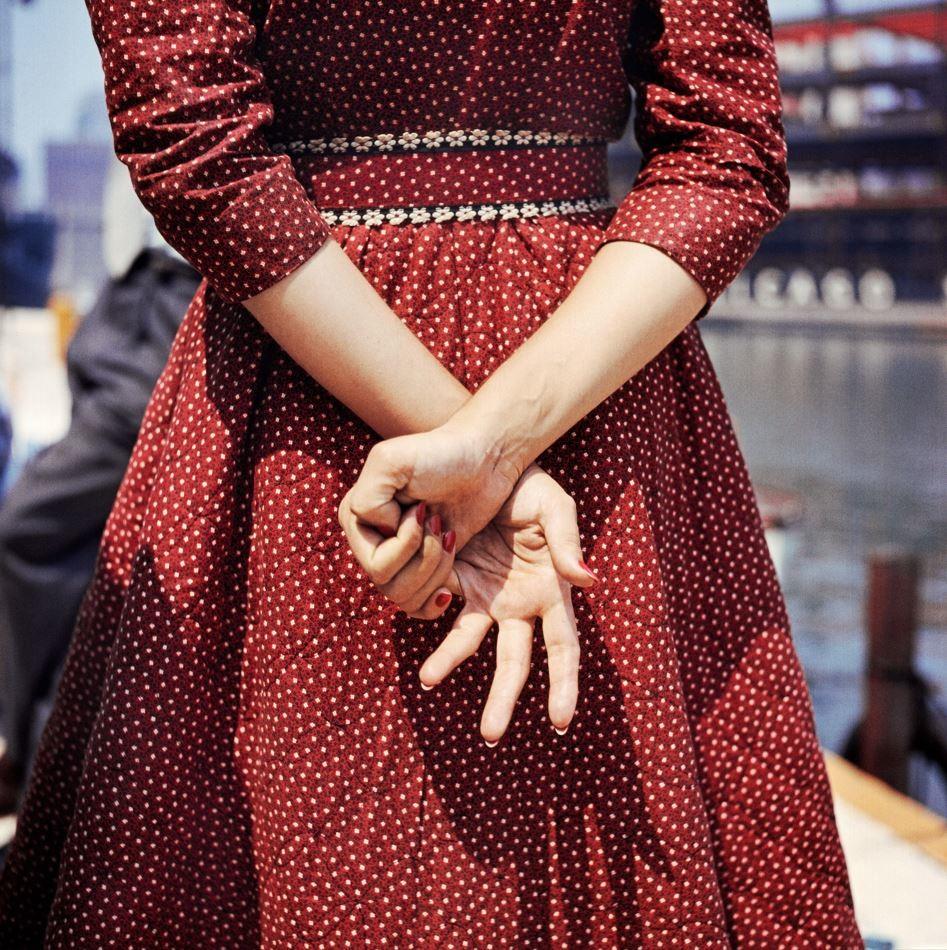
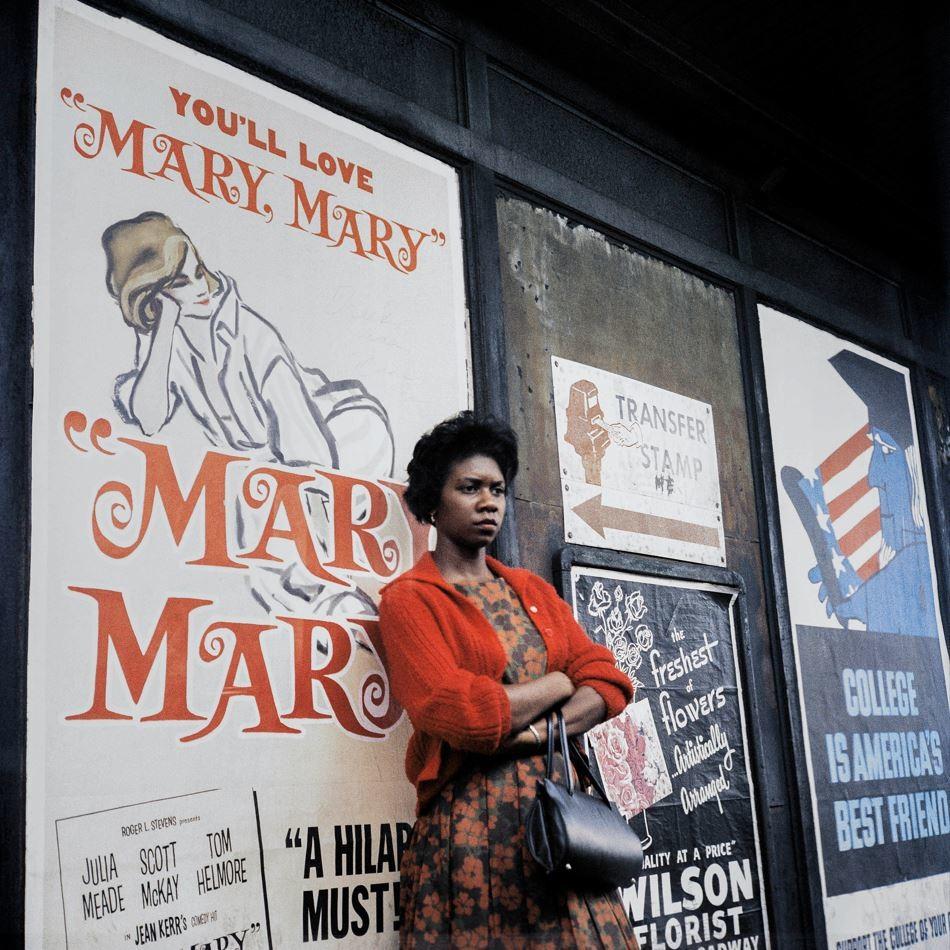
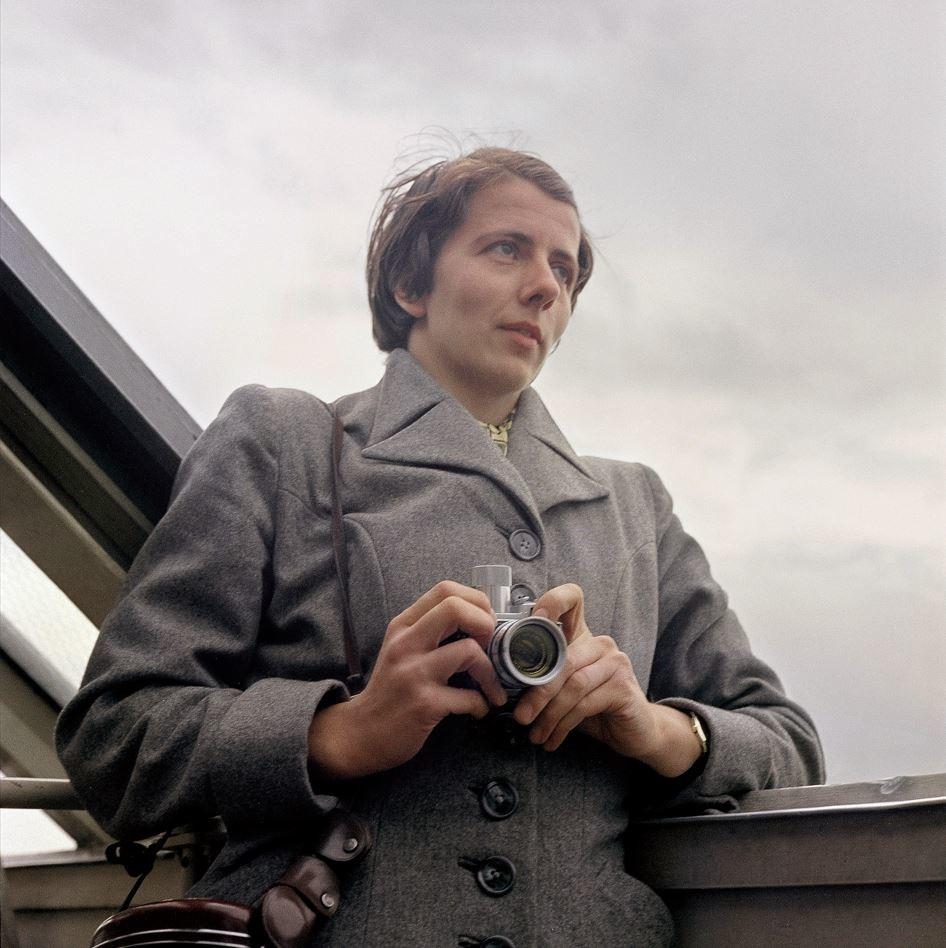
In the introduction, photography historian Anne Morin tells the story of this woman, born in New York in 1926 to a French mother and a father of Austro-Hungarian descent. Vivian became interested in photography at a young age, teaching herself with a Kodak Brownie camera. By day, she worked as a nanny, but in her free time—and sometimes even on the job—she honed her eye as a photographer.
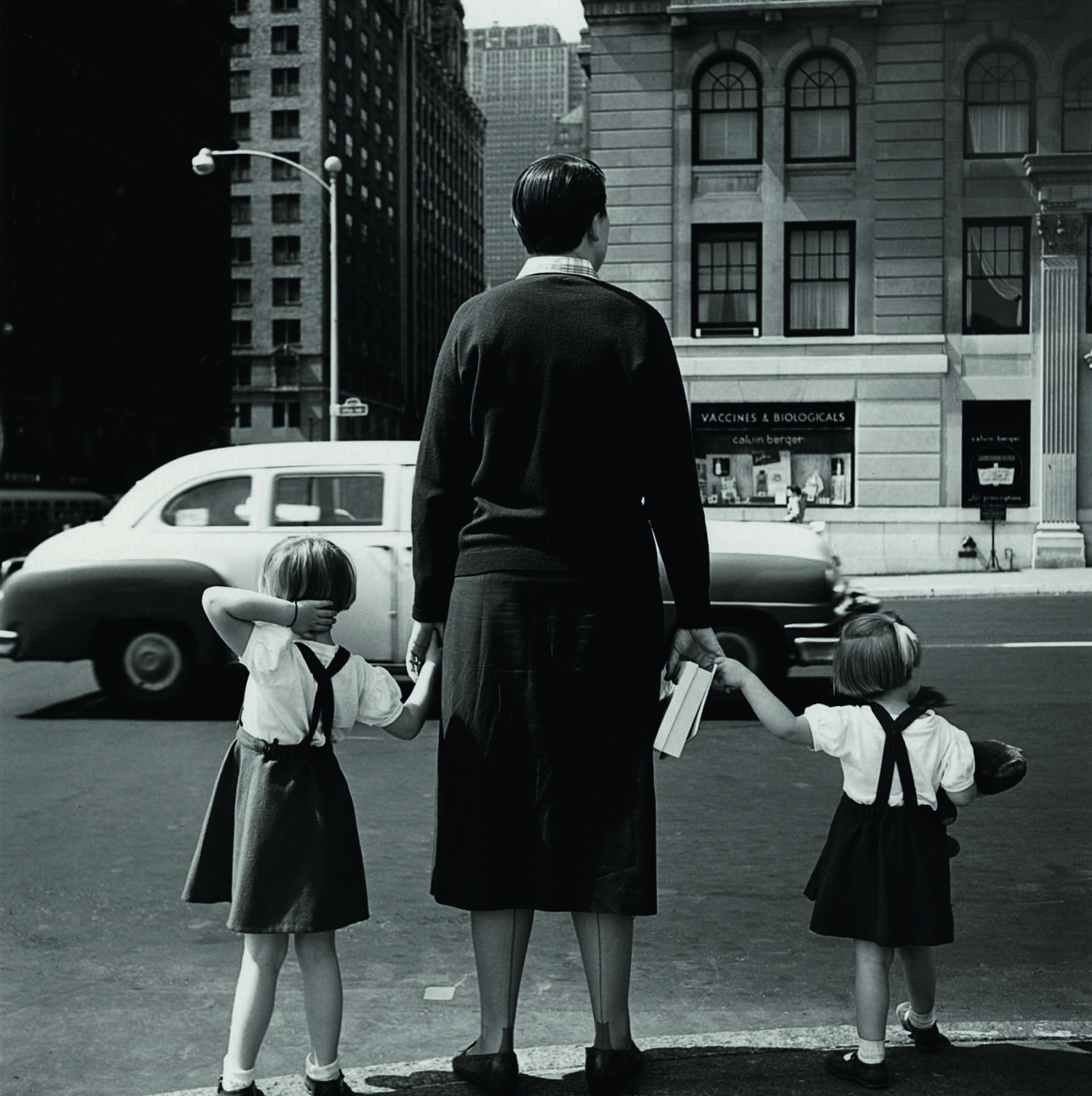
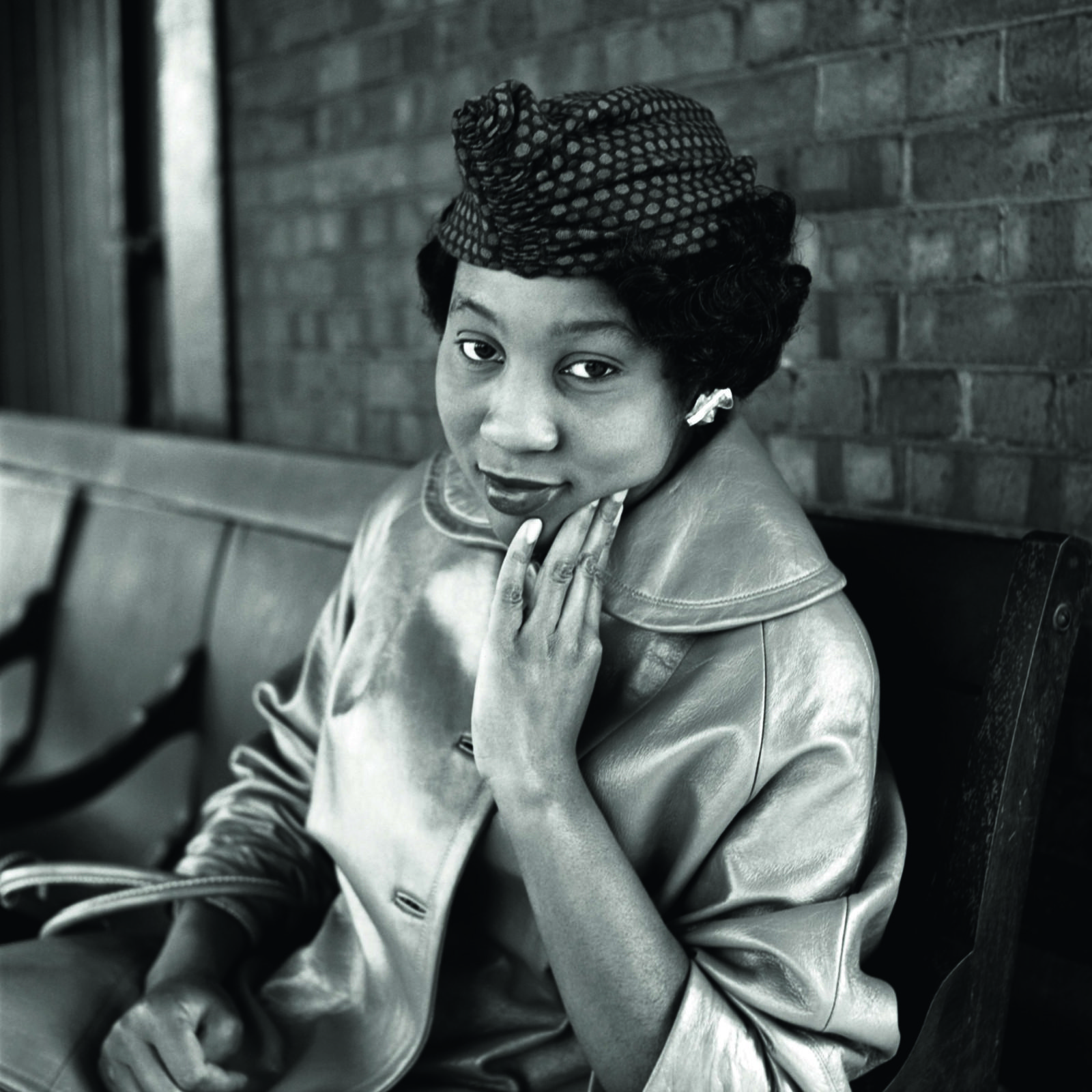
The street was her canvas, capturing every moment, every detail: “It was the era of the American dream, of hegemony and extreme modernity, whose darker side would become the very essence of Vivian Maier’s work. She painted this portrait through both photography and film, creating a visual language at the crossroads of humanist photography and American street photography” (Anne Morin). Maier spent much of her time in working-class neighborhoods, transforming everyday observations into moments of historical significance.
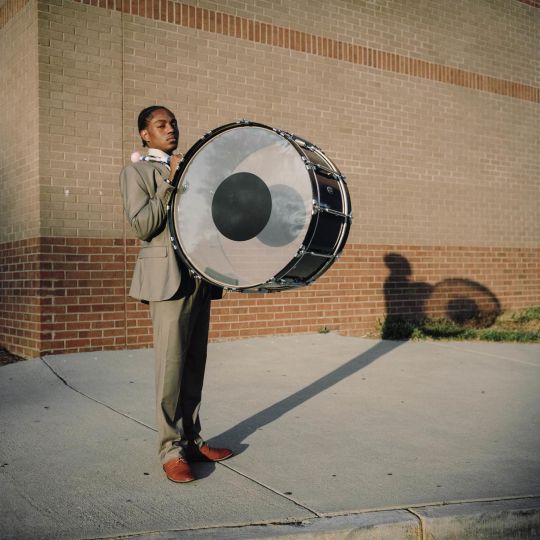
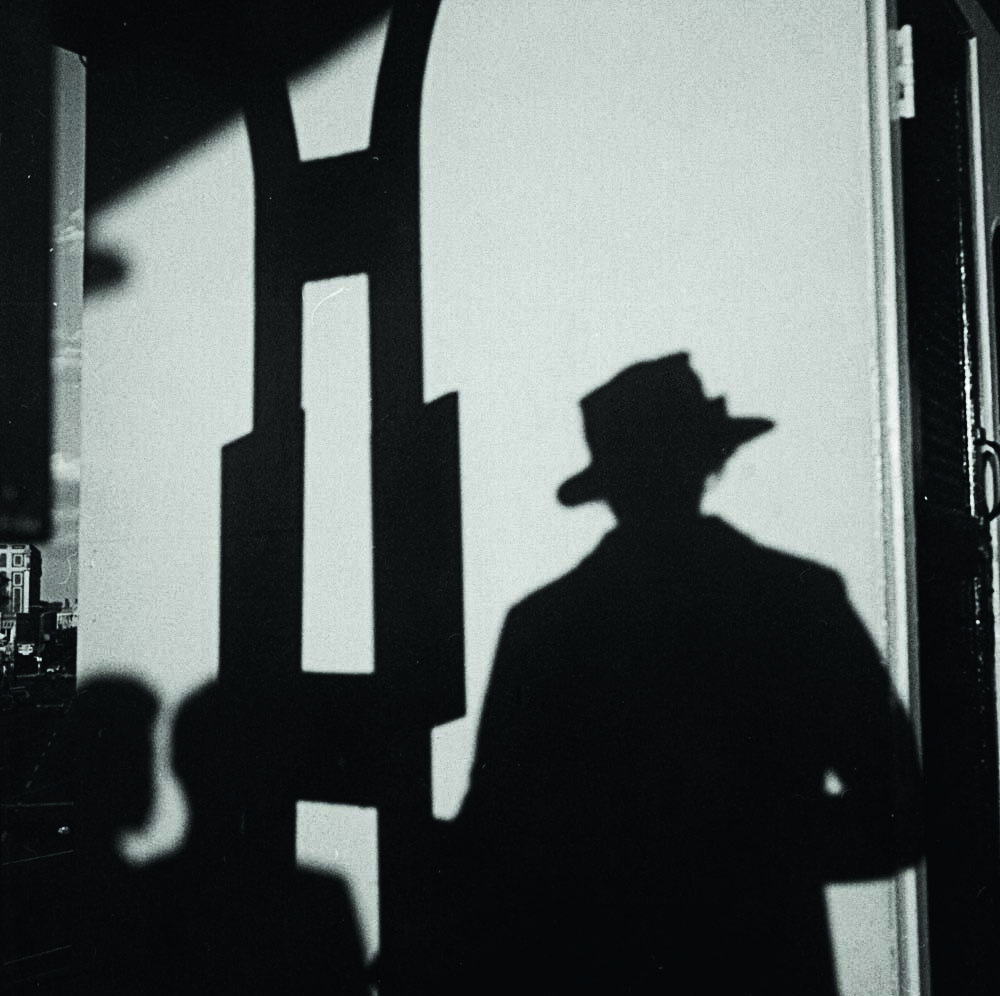
Another favorite subject was childhood. For forty years as a nanny, children were her daily companions. In them, she found a sense of playfulness that she carried into her photography, whether in seeking humor in her subjects or experimenting with her visual language. Playfulness was also central to her self-portraits, where she delighted in showing herself as a fleeting presence—sometimes reflected in slightly distorted mirrors, other times as a shadow cast onto various backdrops.
Today, that silhouette has a name: Vivian Maier. The photographer has indeed emerged from the shadows, and many of her images have become photography icons, standing alongside the works of those now recognized as her peers: Diane Arbus, Henri Cartier-Bresson, Robert Frank, Robert Doisneau, Helen Levitt…