

The 19th Century Rare Book and Photograph Shop emerged more than four decades ago from the vision of Stephan Loewentheil, who left a promising career in law to pursue the worlds of rare books and early photography. What began as a bold personal shift has grown into one of the most distinguished institutions in the United States for historic photographs, a place where images of the past are gathered with meticulous care and an almost curatorial instinct for coherence. Today, his son Jacob carries this legacy forward, infusing a long-standing family passion with the sensibilities of a new generation.
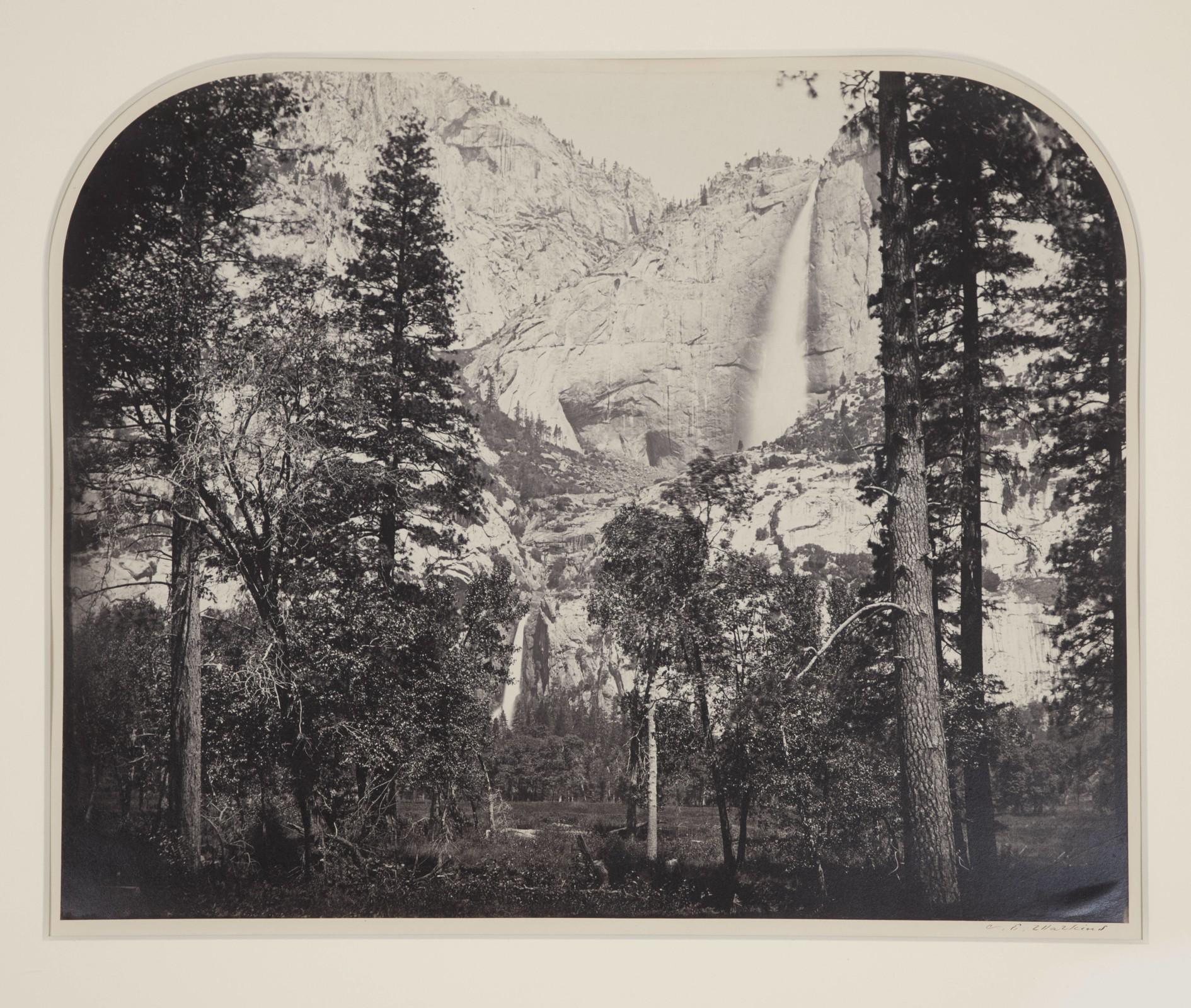
Over the years, he has shaped several landmark collections of early photography: nineteenth-century China; the visual memory of the American Civil War; and, most dramatically, the photography of the American West. This last collection, built around the monumental plates produced with the legendary Mammoth camera — the largest of its time — brings together masterpieces by Carleton Watkins, Charles Leander Weed, Eadweard Muybridge, William Henry Jackson, and Edward Curtis. Threaded through their work is a recurring symbol: Yosemite, that immense natural sanctuary often regarded as the birthplace of America’s modern environmental consciousness.
Within the Loewentheil collection are some of the earliest photographic impressions of Yosemite, dating from the 1850s to the 1870s, along with rare drawings by Thomas A. Ayres, the first artist to reveal the valley’s waterfalls to a wider public.
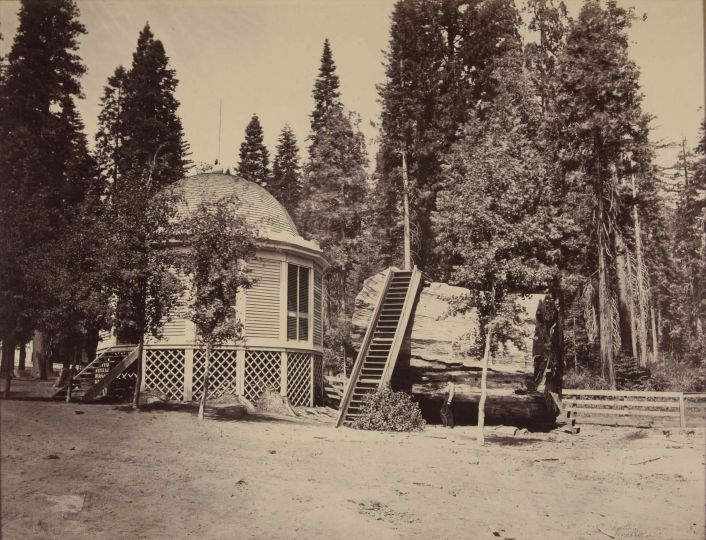
One highlight is a splendid album from the 1880s, gathering views by Carleton Watkins and Isaiah Taber, two towering figures of nineteenth-century Californian photography. Their images — waterfalls descending like veils of light, the colossal sequoias of Mariposa Grove, the sculpted immensity of granite formations — conjure the overwhelming grandeur of Yosemite, a place where contemplation meets a distinctly American sublime.
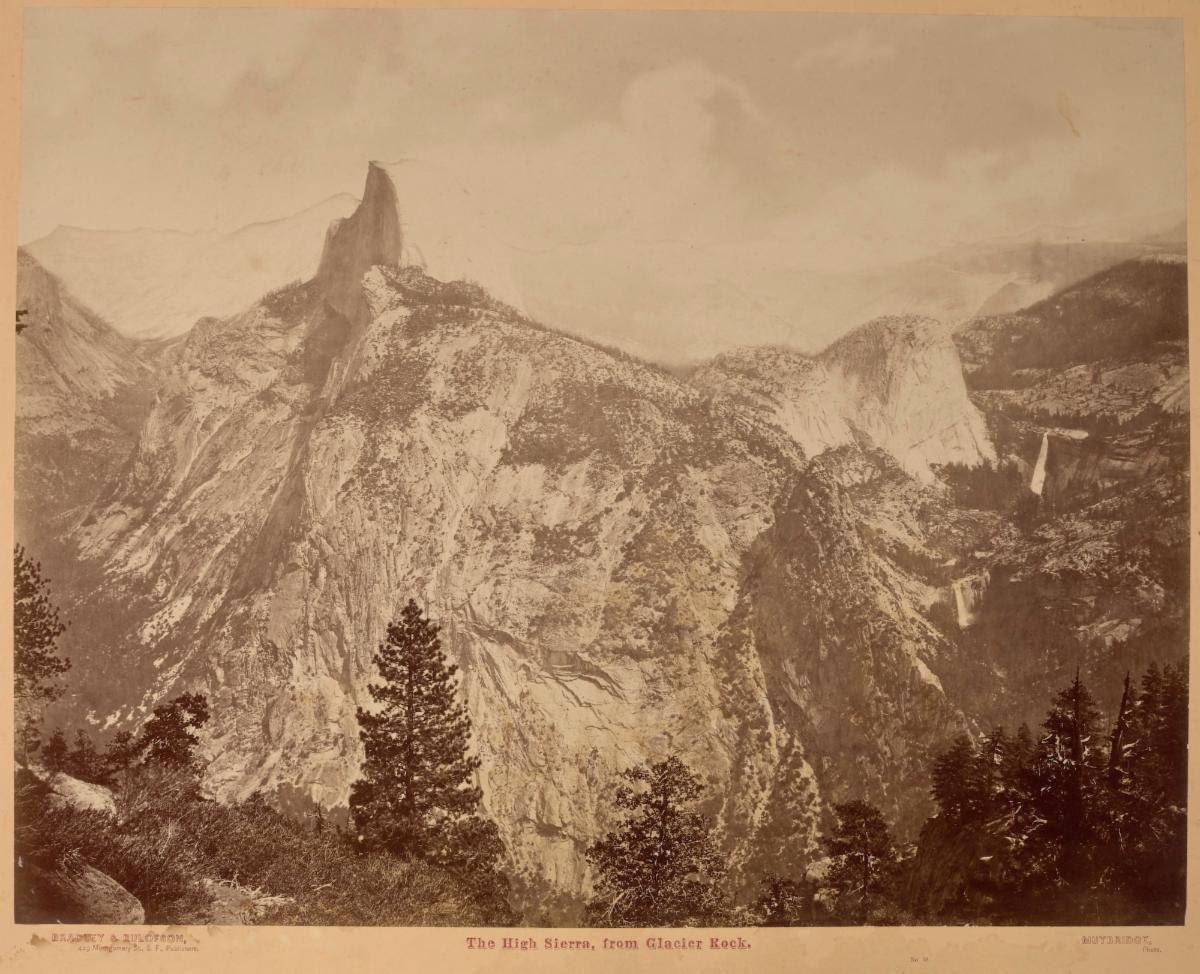
Large-format works by Eadweard Muybridge further reveal how Yosemite shaped photographic imagination. Before his studies of motion made him a household name, Muybridge had already established himself as one of San Francisco’s boldest landscape photographers. In 1872, he undertook a formidable photographic expedition to Yosemite, producing nearly five hundred views in just six months, some of the most daring images of their time. Defying convention, he sought vantage points that were vertiginously modern: the edges of cliffs, the precipices above waterfalls, places where the drama of the land seemed to meet the sky.
As Philip Brookman, chief curator of the Corcoran Gallery of Art, observes in a catalogue devoted to Muybridge (Eadweard Muybridge, Tate Britain, 2010): “Muybridge’s images stood apart from those of Watkins or any other photographer of Yosemite before him […] for he focused more on the effects of light, clouds, and moving water than on the solidity of forms. He painted the temporality of nature using the visual tools of light, atmosphere, and composition.”
Taken together, these bodies of work — and indeed the entirety of this ever-expanding collection — illuminate the singular role of the 19th Century Rare Book and Photograph Shop. By gathering, preserving, and sharing these images, the shop enables us to rediscover the foundational visions that shaped Yosemite’s mythic presence and, more broadly, the American landscape. It offers not only a journey into the past, but a sweeping view of the photographic sensibilities that have defined our understanding of nature across generations.
More information