Earlier this year, Process Editions published La peau des autres, a book by Estelle Lagarde.
Karine is a woman in her thirties, a mother of three children, when she wakes up one day in a hospital bed, suddenly “walled up” inside her own body. She survived where so many others die. For more than thirty years now, Karine has lived with irreversible after effects. How does one return to life after such an experience? What becomes of our daily life when we lose the use of one’s arms, of one’s hands? So many questions arise in the face of such drastic change in life…
Karine writes: “Loss of consciousness, the coma, the caregivers at the Angoulême hospital saying there was nothing to be done. My husband and my family requested that I be transferred to the Bordeaux hospital, where I was operated on. There, they opened my skull to remove the tumor I had in my brain. Healing was difficult. I did not speak for several days following postoperative complications, and I woke up in intensive care after four or five days in a coma.”
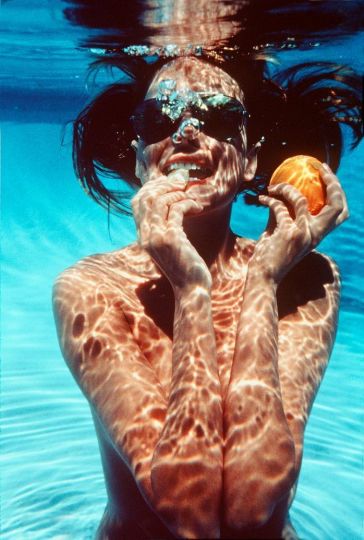
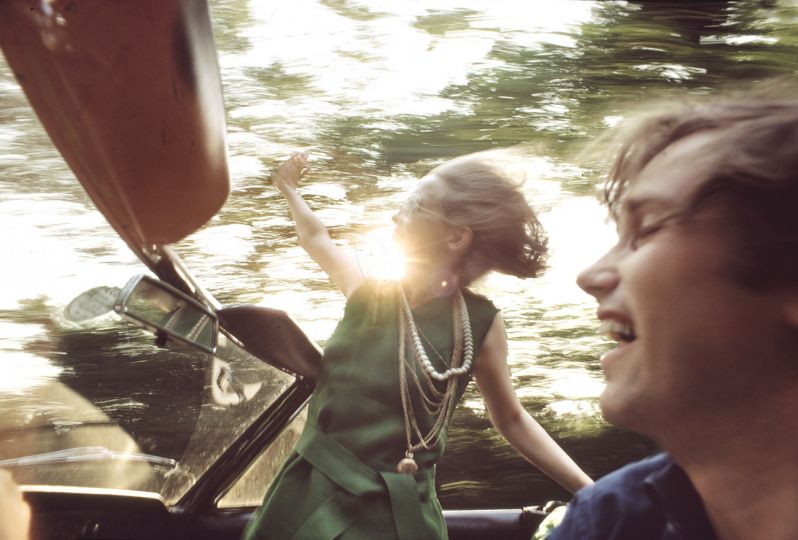
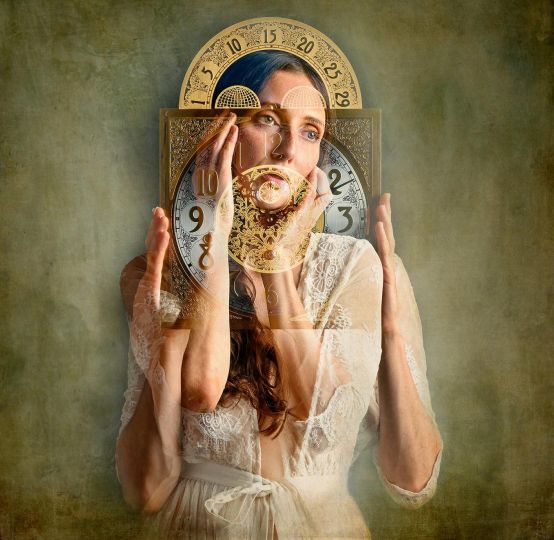
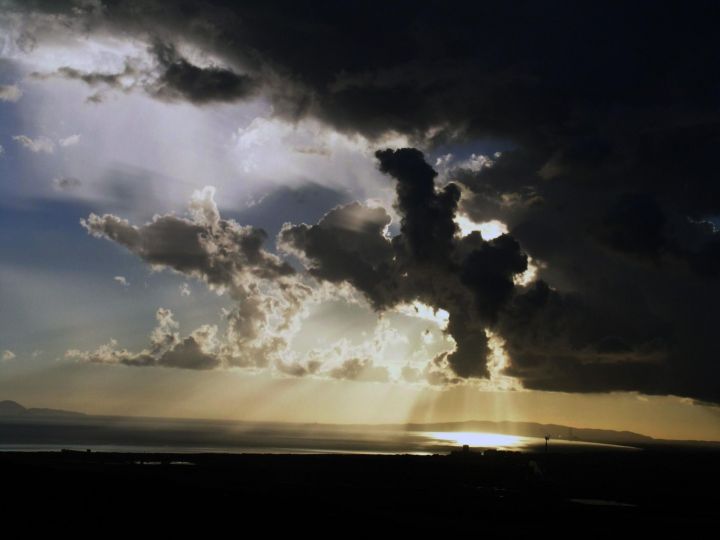
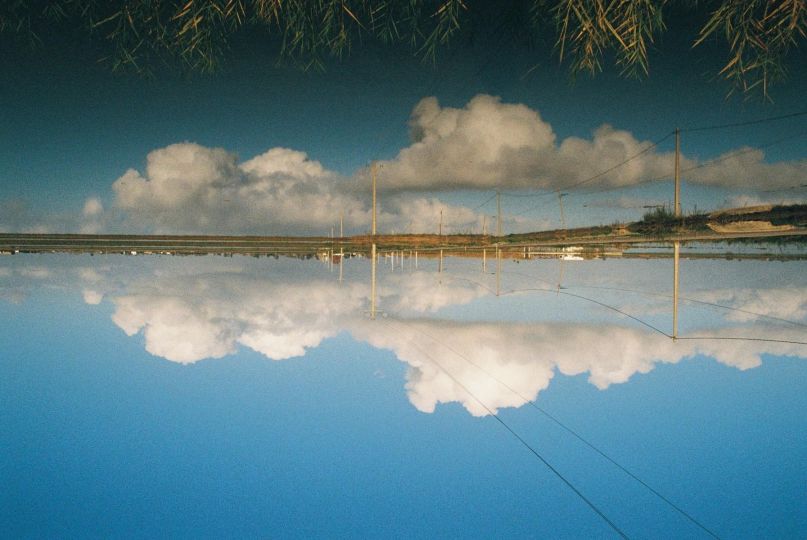
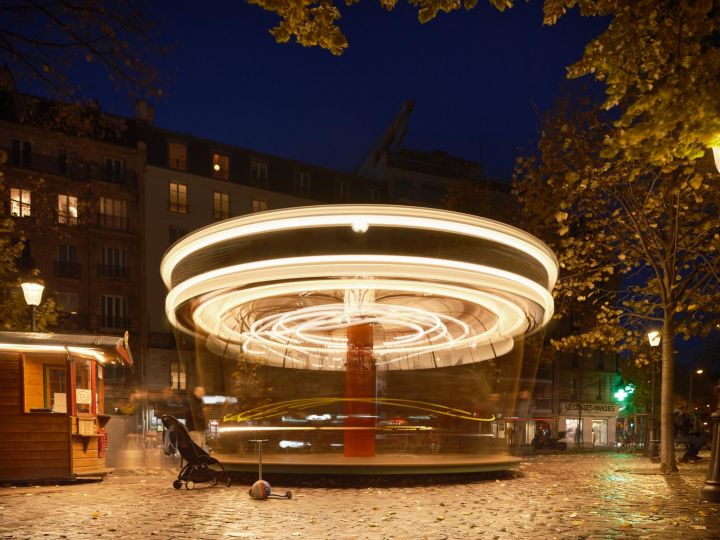
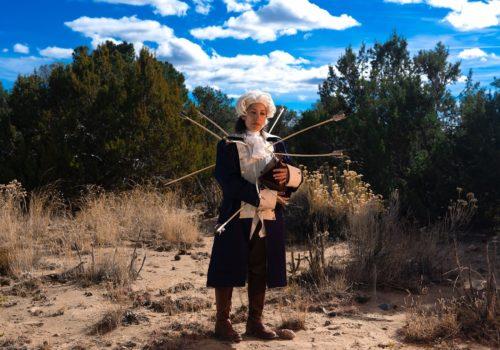
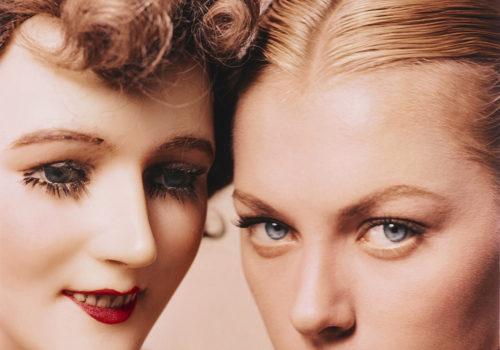
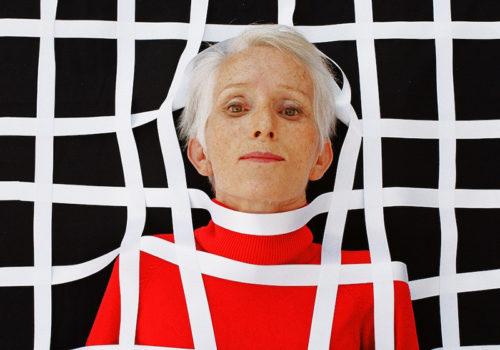
The book La peau des autres by Estelle Lagarde brings together texts, interviews and photographs. Portraits, most often metaphorical, inspired by Karine’s states of mind, experiences and words and a factual narrative complement one another and provide elements of answers to the questions raised by her daily life.
Excerpt from the texts of the book:
Saturday, October 3, 2016, 8:30 p.m. Estelle.
“We are at the restaurant. She is sitting opposite me. We do not know each other. Only a few fragments of her life have been told by her brother, whom I know well. I only glimpsed her this afternoon among some twenty people. My furtive glances scrutinize her while remaining discreet. The black turtleneck highlights her translucent skin and pearl-colored hair. The light emanating from her surprises me. Karine is smiling, beautiful. The image of a cat appears to me, perhaps Siamese, certainly pedigreed, with delicate features and an elegant posture. During the photo shoot in which she took part earlier, Karine walked with small steps. I simply know that she can only climb stairs with difficulty and with assistance.
We order glasses of wine. Karine asks for a straw: a singular, almost childlike detail. I find it original. The dishes arrive. Suddenly, the “real” disability appears. I feel myself falter inside: nothing matches between this luminous woman and her physical incapacities. A current passes through me and, for a fraction of a second, questions crowd in.
In the days that follow, her image never leaves me. Weeks pass, then months. I see her again and again: the cat-woman, slender and radiant, sitting opposite me. And with that vision, all the questions that overwhelmed me during that dinner return.
What is her life today? Who was she yesterday? What has she been through? Where does this inner light come from? How can she seem happy, despite everything?
Then, little by little, a desire was born: to photograph, to write. Images to translate her states of mind, words to restore her journey. To write her words. How does one go on living when one wakes up walled up inside one’s own body? What becomes of existence when one loses the use of one’s arms and hands?”
It was from this encounter that La peau des autres was born.
Estelle contacted Karine and asked whether she would agree to have Estelle come and meet her at home. Karine accepts. It is the beginning of a long-term project, between photography, testimonies, writing, exchanges and friendship.
Between 2018 and 2023, photographic sessions were carried out with Karine, in her daily environment, through a respectful and collaborative approach, along with the gathering of her life story with a view to a narrative transcription accompanying the images: accounts, reflections, poetic fragments.
Through these different actions, La peau des autres presents itself as an artistic, social and humanist project, built over time.
It is not only a book, but a broader creative framework (exhibition, installation) and a means of transmission (encounters, debates), working to make the invisible visible, change how disability is seen, and create bonds through art.
The book La peau des autres received support from DRAC Grand Est and the Région Grand Est.
Estelle Lagarde : : La peau des autres
Photographs, texts and interviews by Estelle Lagarde
Afterword by Bertrand Quentin
18 x 15 cm
128 pages – color and black-and-white photographs Arena Rough 120g paper
ISBN 978-2-9599391-3-6
30 €
https://process.vision